


autocar-logo
Delhi
Tata

Tata cars in India (18)

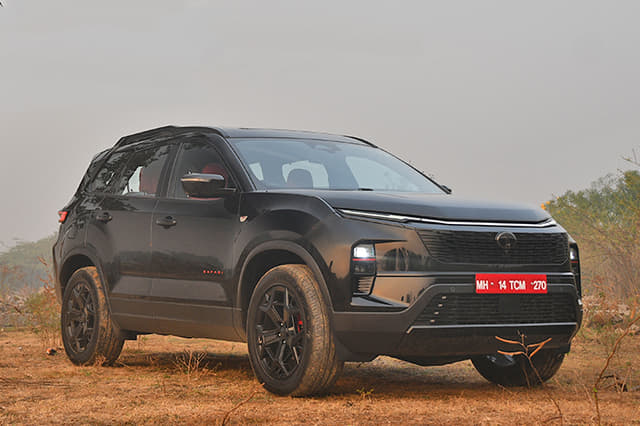
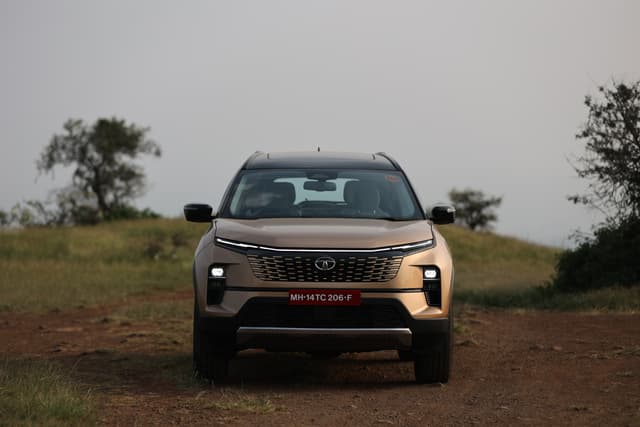
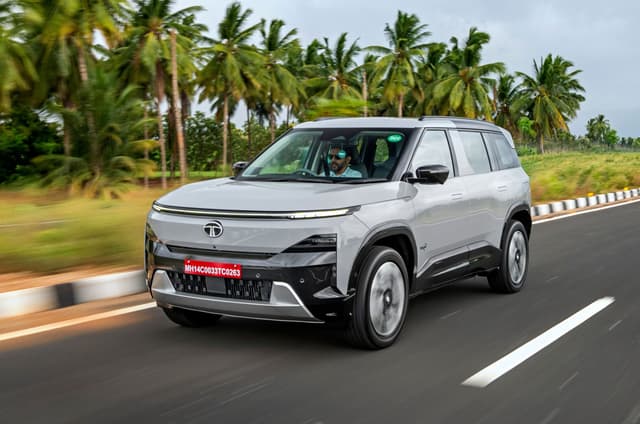
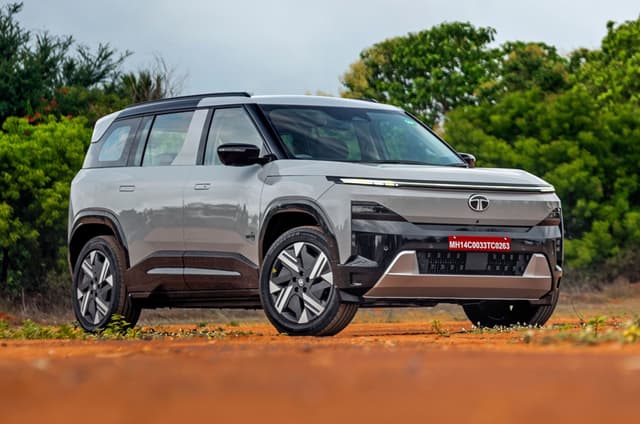
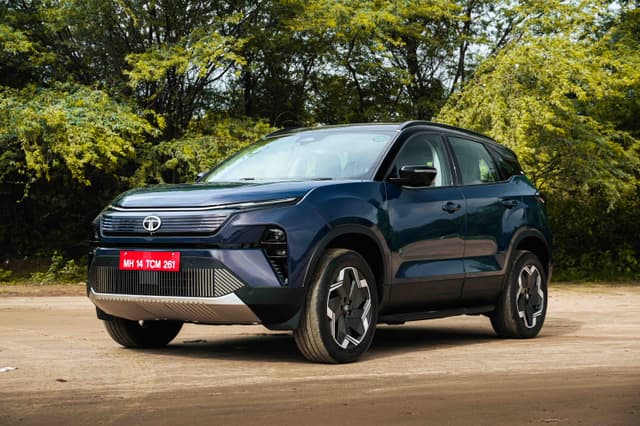
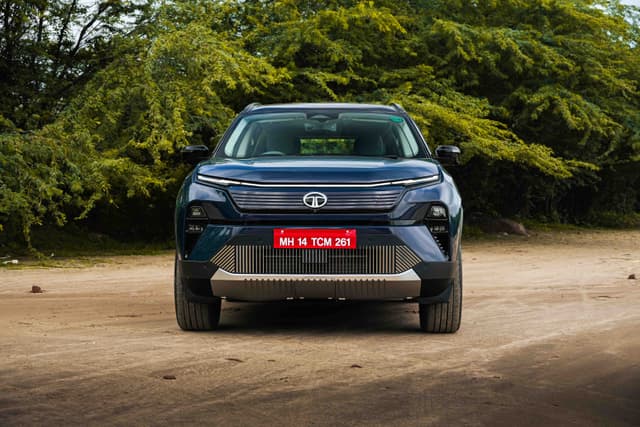
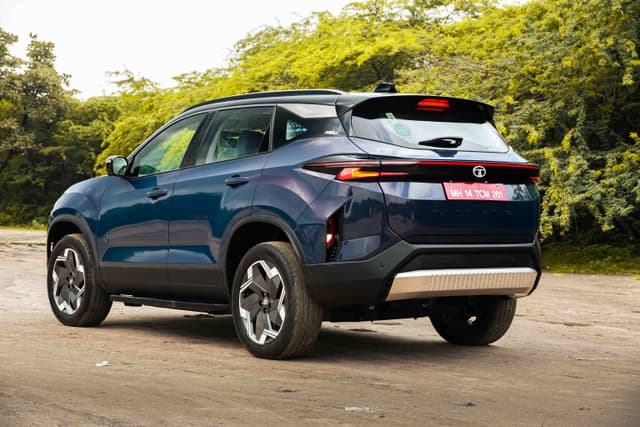
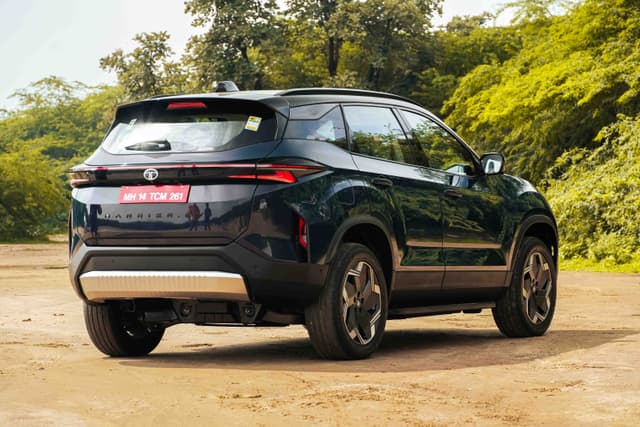
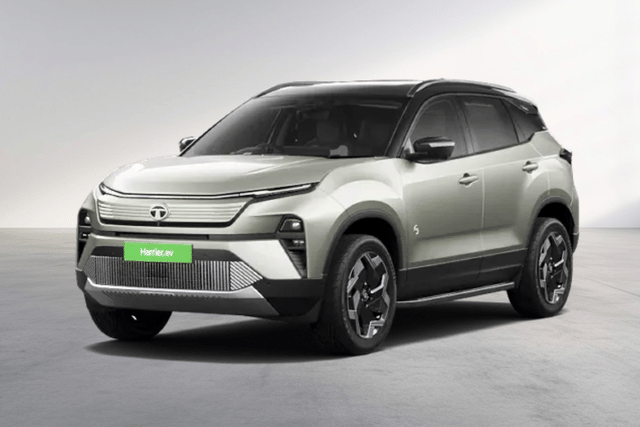
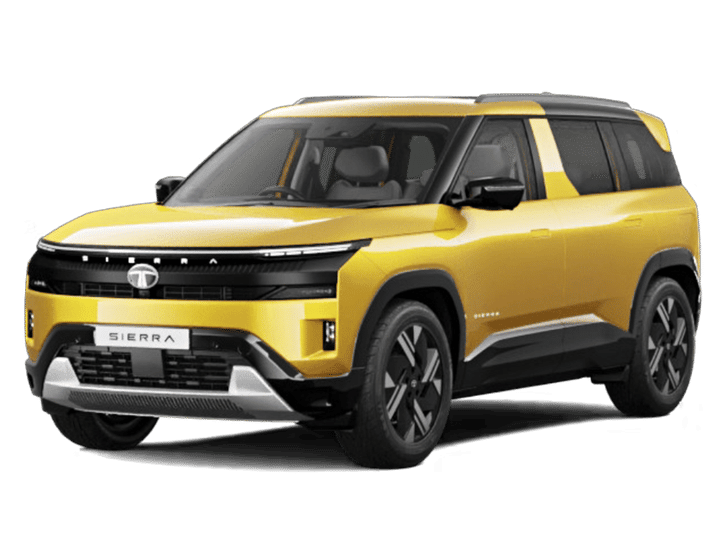
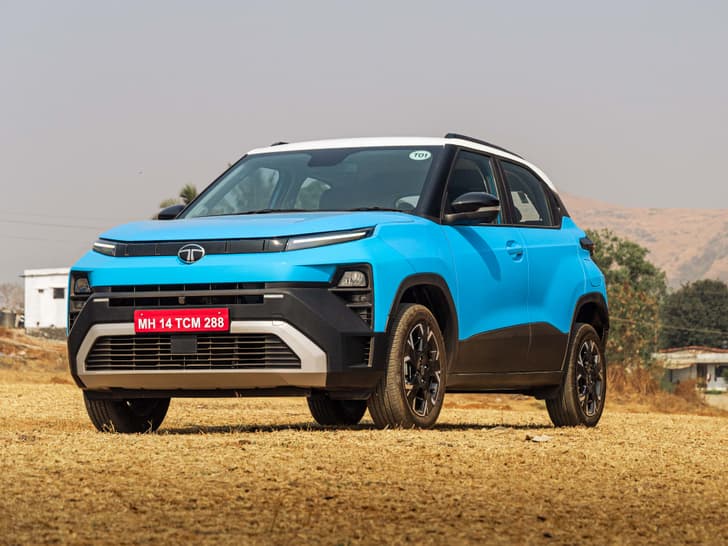
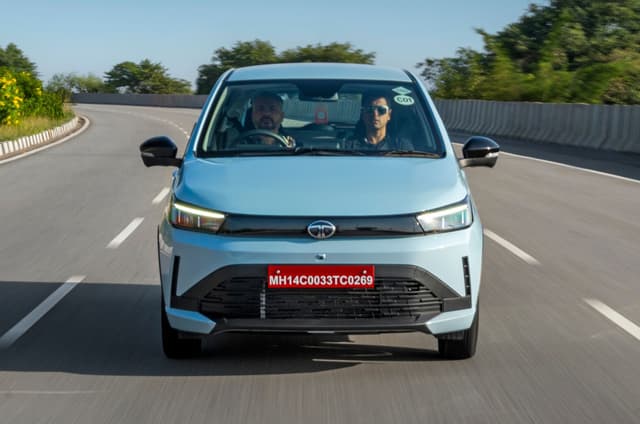
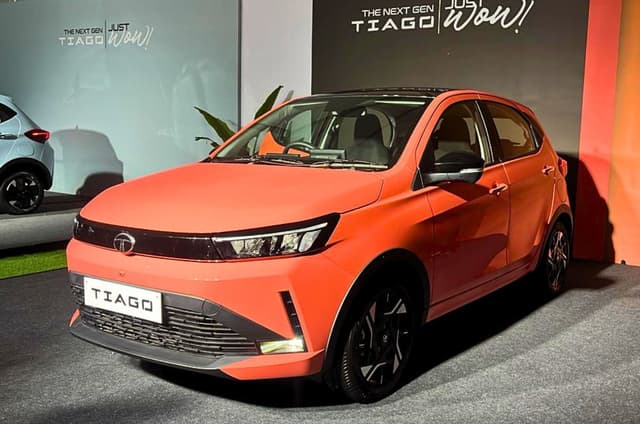
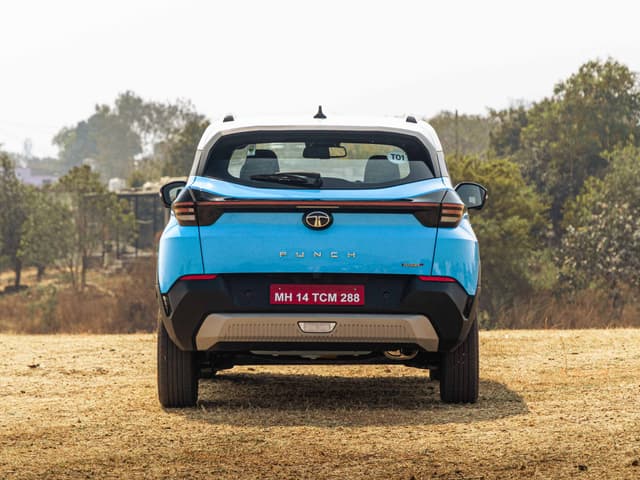
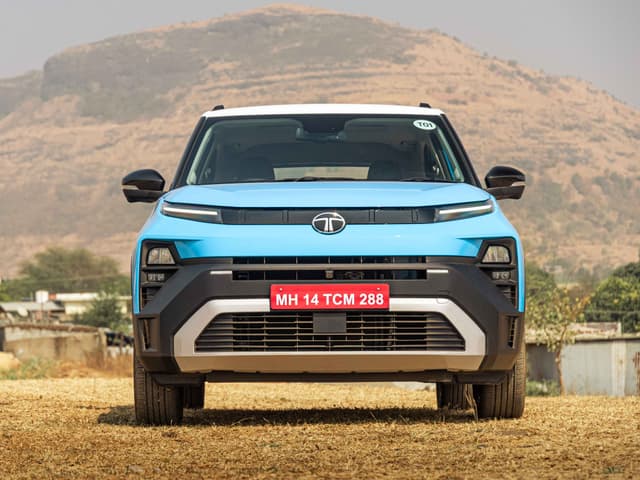
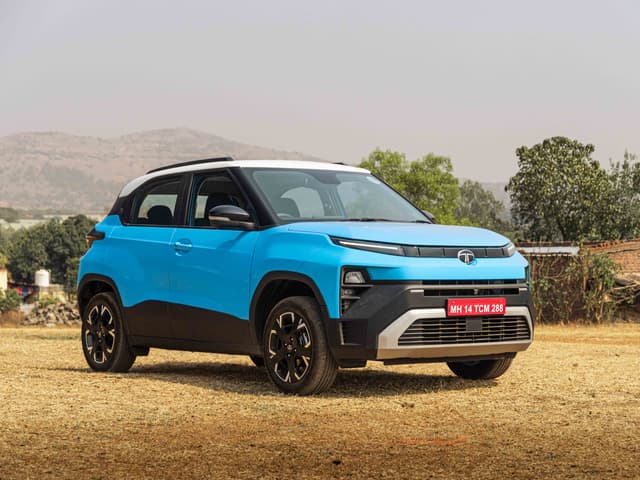
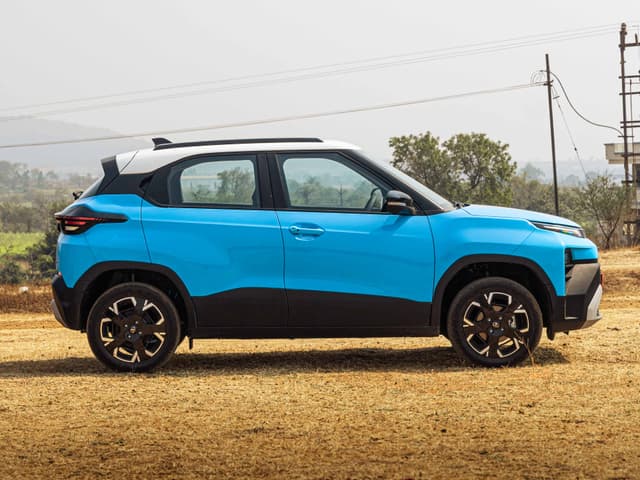
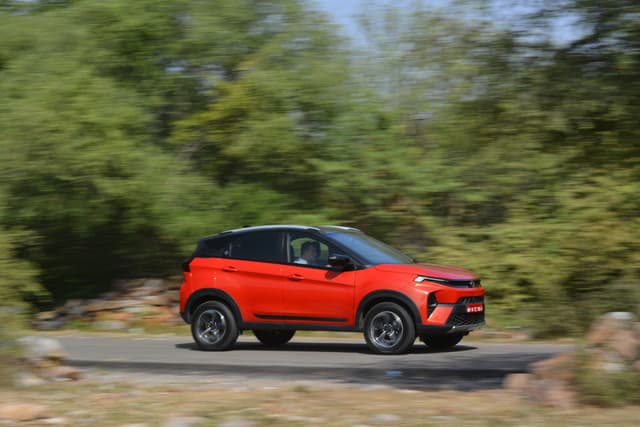
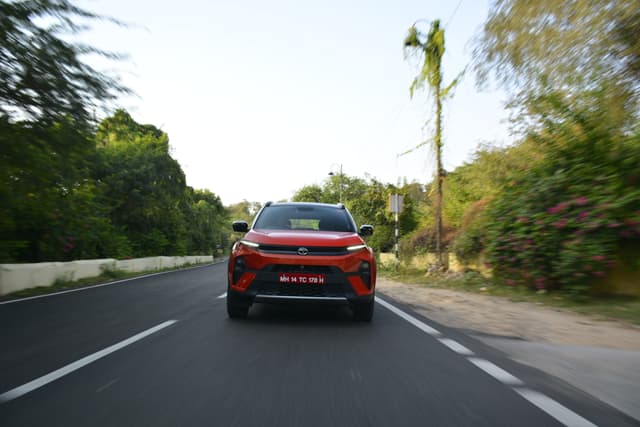
As of February 2026, there are 18 Tata cars available in India: 15 on sale and 3 upcoming. The current Tata lineup includes 3 hatchbacks, 2 sedans, and 10 SUVs. The Tata car price starts at ₹4.57 lakh and goes up to ₹28.99 lakh in India (ex-showroom). The cheapest Tata car is the Tiago, whereas the most expensive is the Tata Harrier EVThe popular Tata cars in India consist of names like the Tata Punch (facelift), Tata NexonTata HarrierTata Safari, Tata Altroz, and new Tata Sierra.


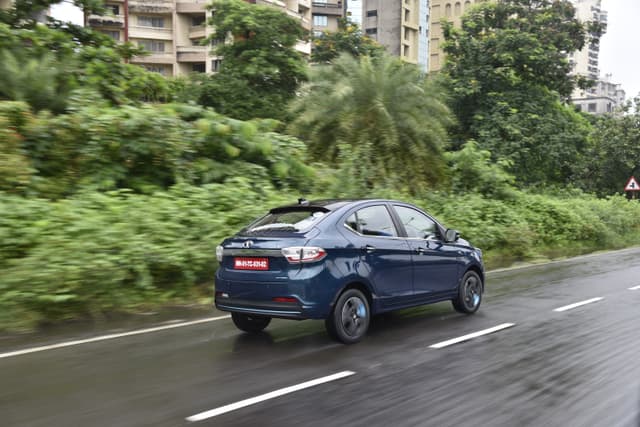
Headquartered in Mumbai, Tata Motors was established in 1945 and entered the passenger vehicle market in 1991 with the Sierra. It later introduced the Indica in 1998 and the Nano in 2008, the world’s most affordable car. Today, Tata offers models like the Altroz, Punch, Nexon, Harrier, and Safari with 5-star Global NCAP ratings, and also leads India’s EV segment with the Tiago EV, Tigor EV, Nexon EV, and Punch EV.

Tata Cars Price List in India (February 2026)

Tata car price in India starts at ₹4.57 lakh for the Tata Tiago and goes up to ₹28.99 lakh for the Tata Harrier EV (ex-showroom). View the latest Tata car prices in the table below:

Tata Car

Price (Ex-showroom)

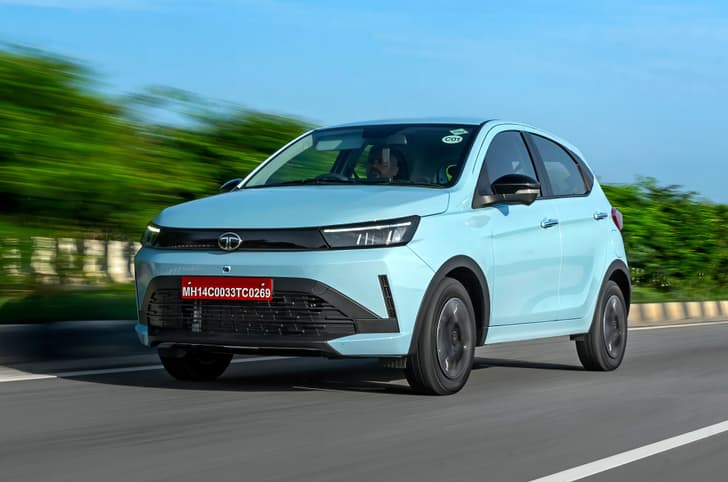
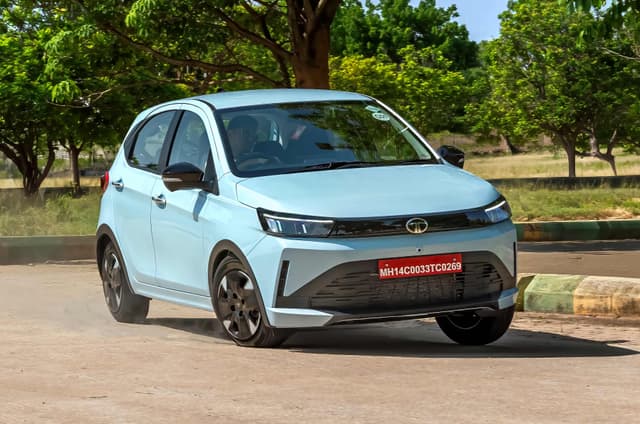
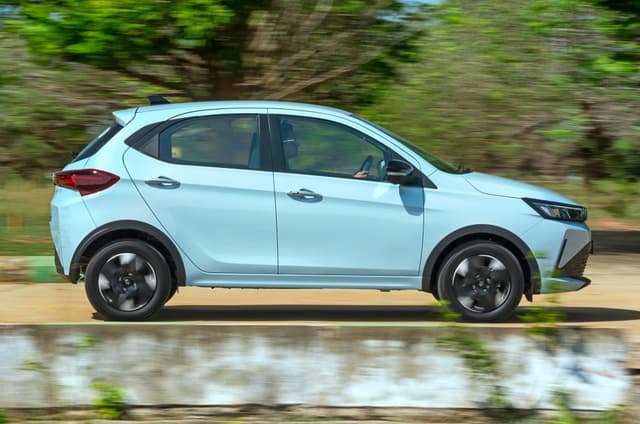
Tata Tiago

₹4.57 lakh - ₹8.10 lakh

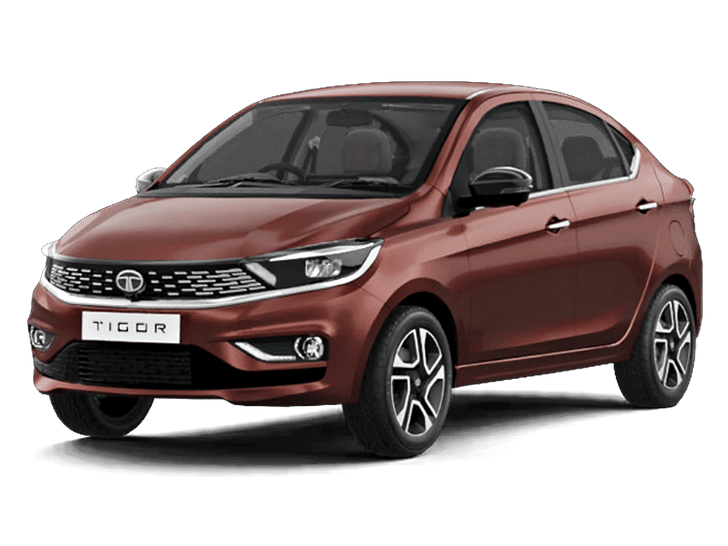
Tata Tigor

₹5.49 lakh - ₹8.74 lakh

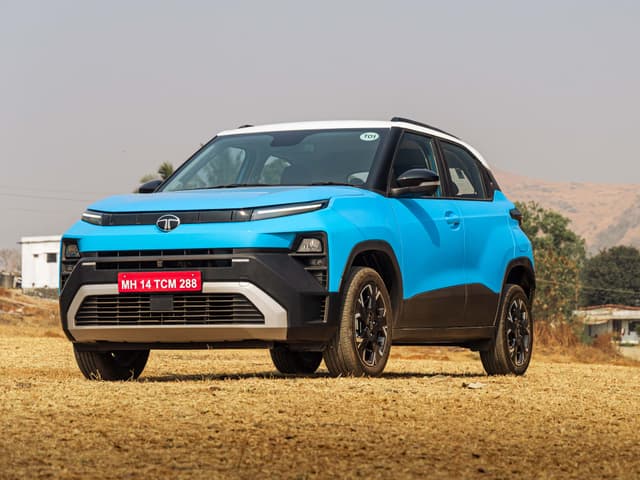
Tata Punch

₹5.59 lakh - ₹10.54 lakh

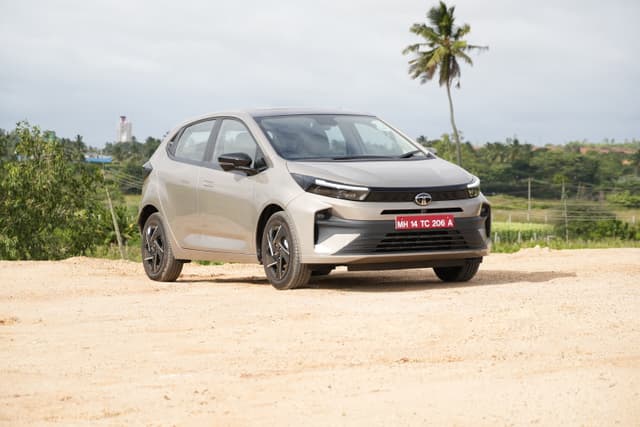
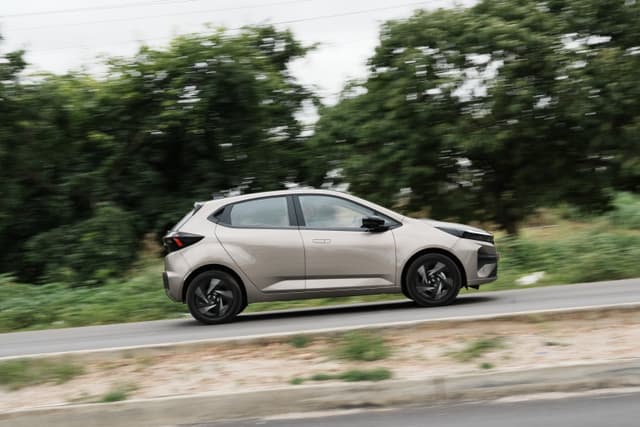
Tata Altroz

₹6.30 lakh - ₹10.51 lakh

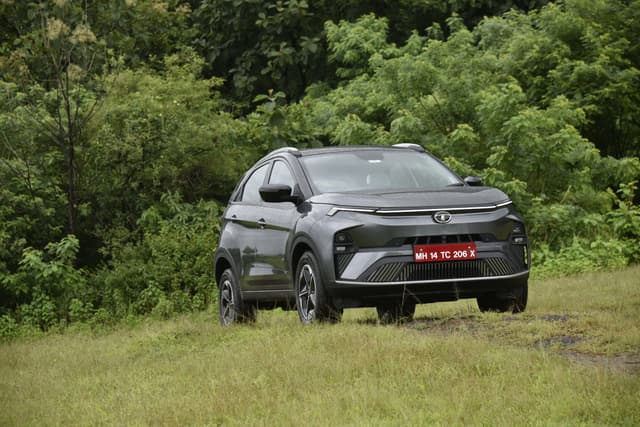
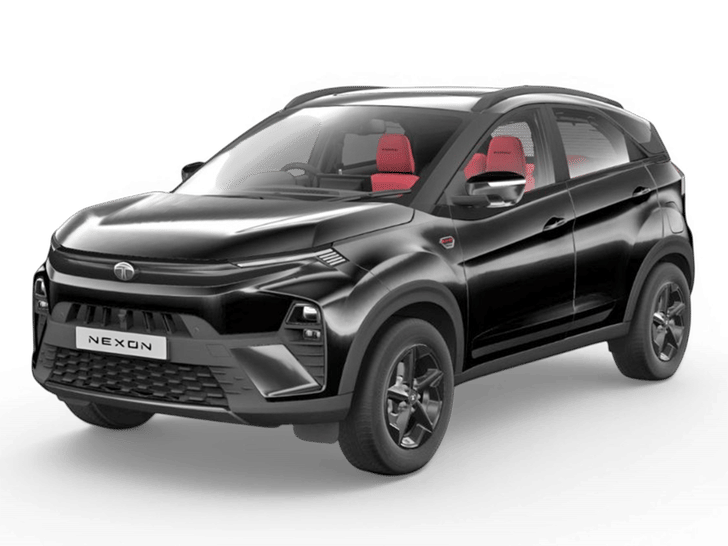
Tata Nexon

₹7.32 lakh - ₹14.15 lakh

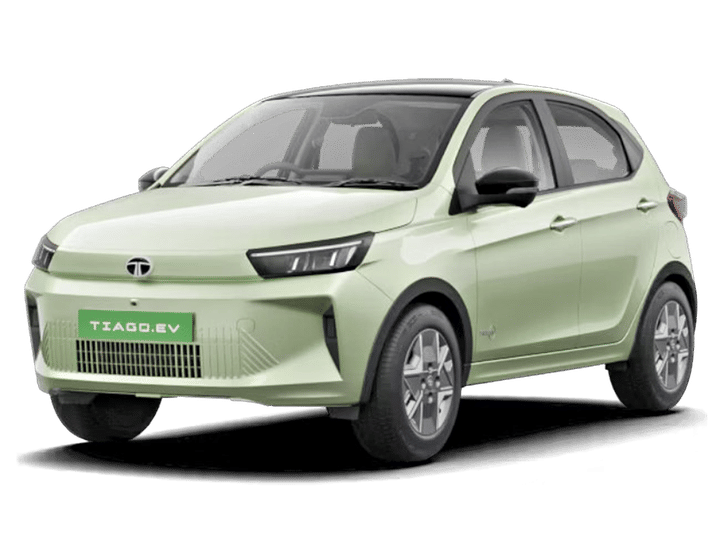
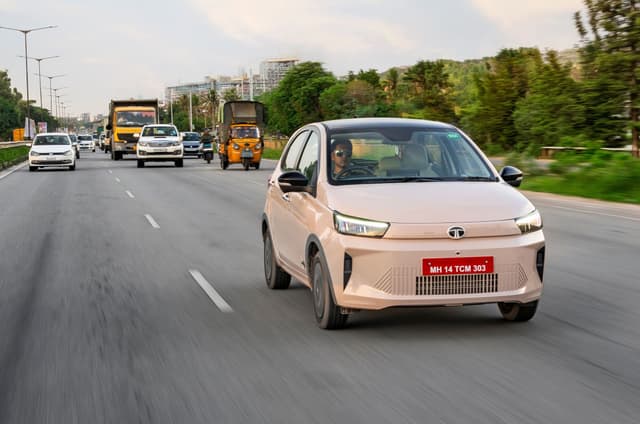
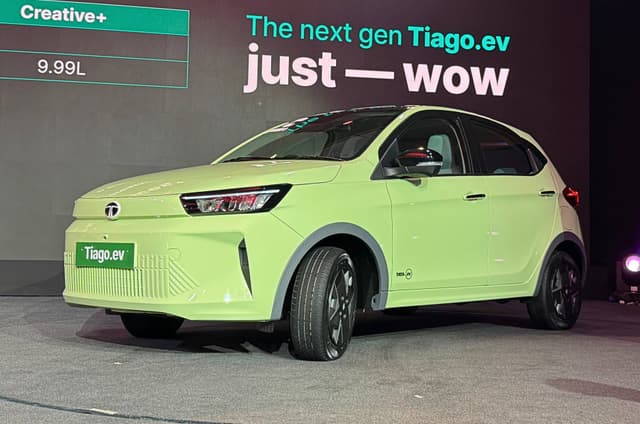
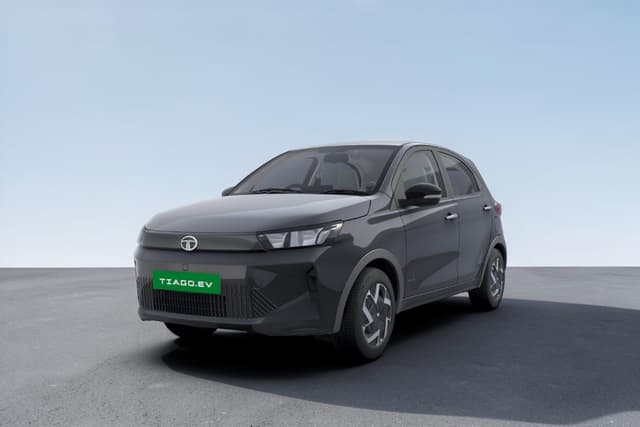
Tata Tiago EV

₹7.99 lakh - ₹11.14 lakh

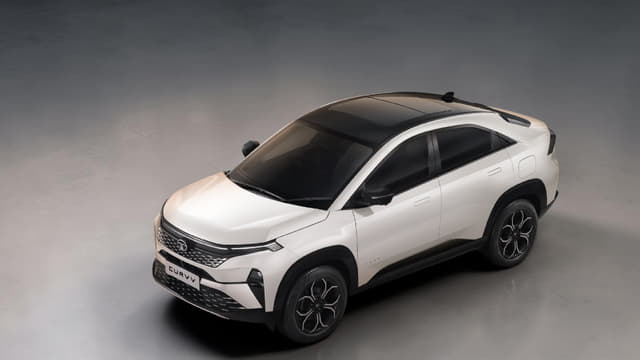
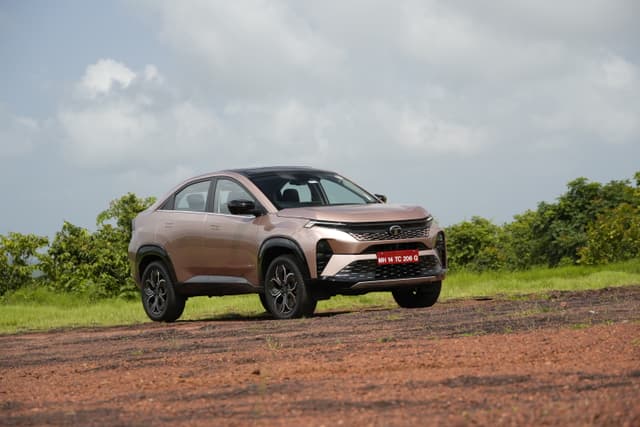
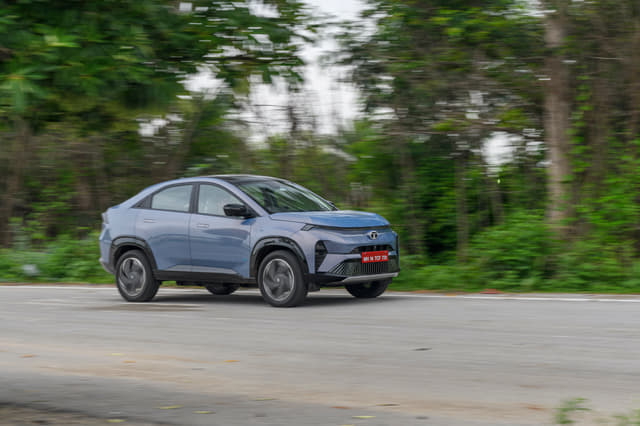
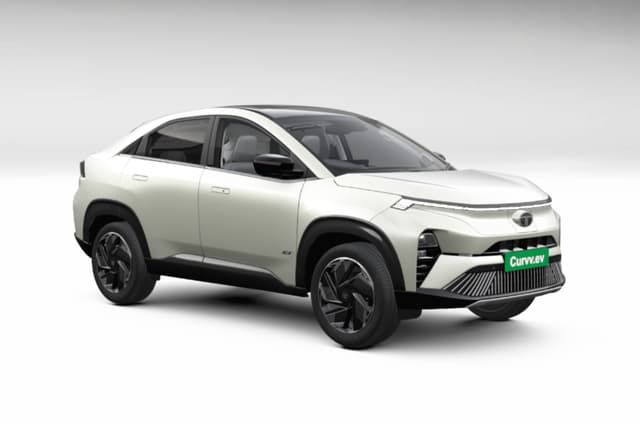
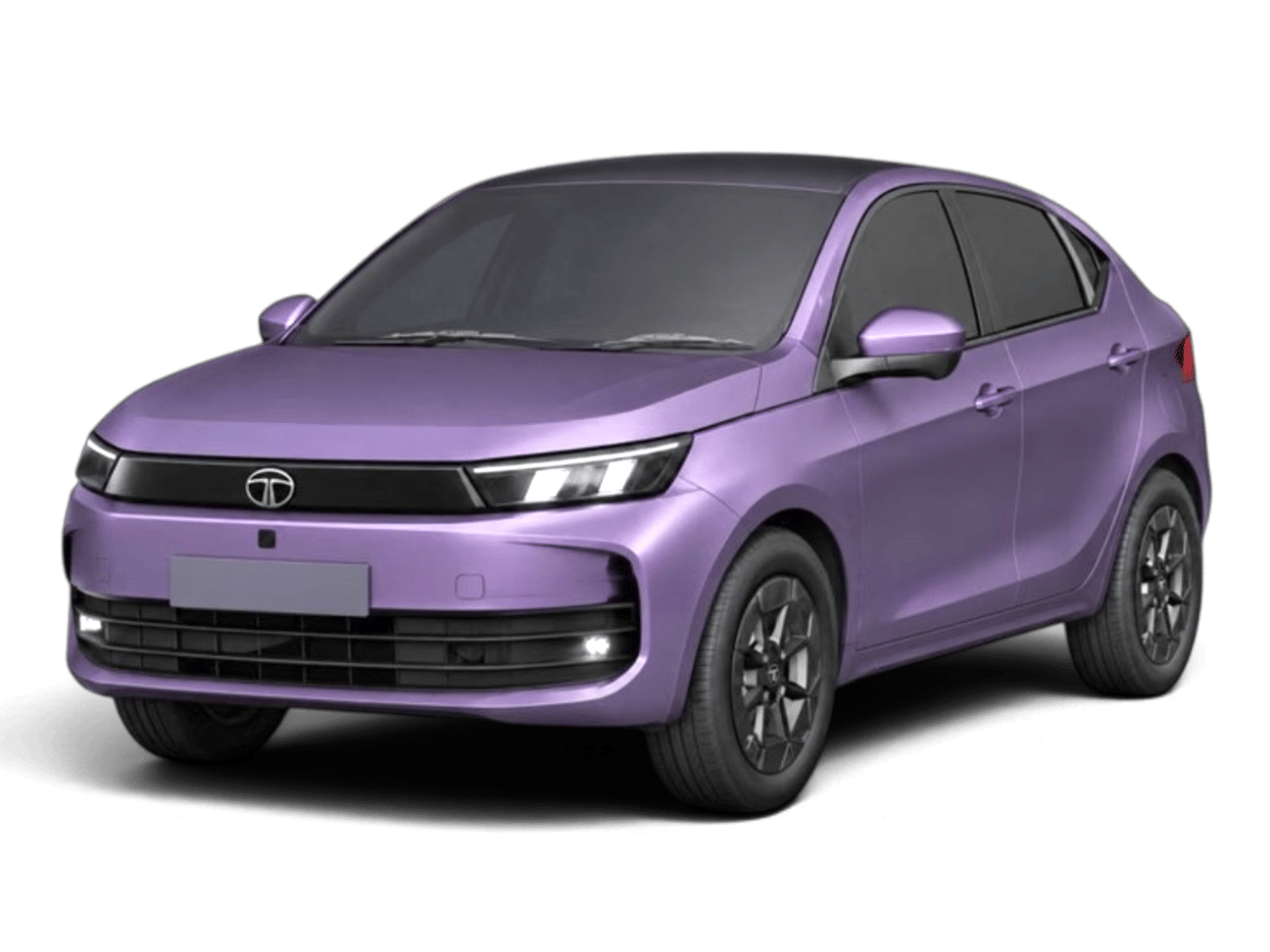
Tata Curvv

₹9.66 lakh - ₹18.73 lakh

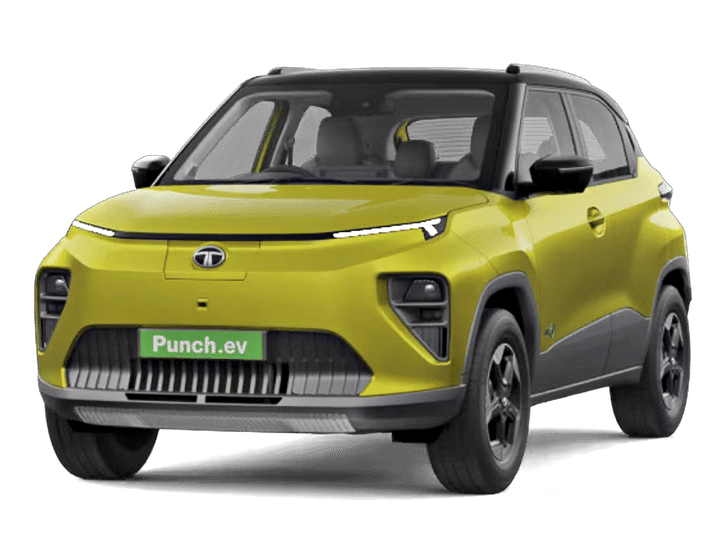
Tata Punch EV

₹9.99 lakh - ₹14.44 lakh

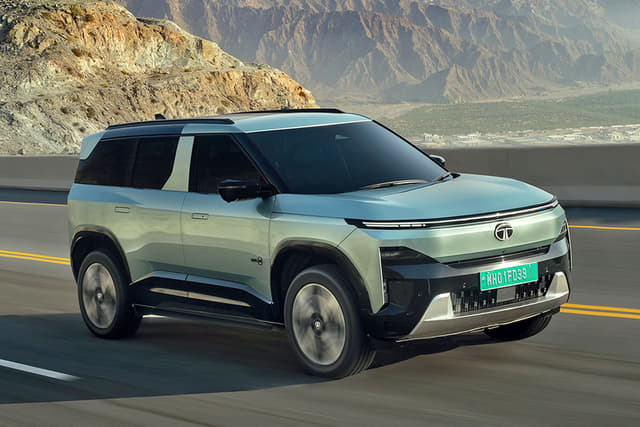
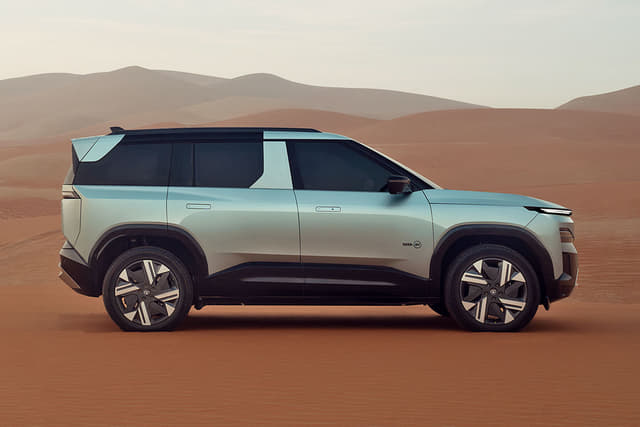
Tata Sierra

₹11.49 lakh - ₹21.29 lakh

Tata Tigor EV

₹12.49 lakh - ₹13.75 lakh

Tata Nexon EV

₹12.49 lakh - ₹17.49 lakh

Tata Harrier

₹12.89 lakh - ₹25.25 lakh

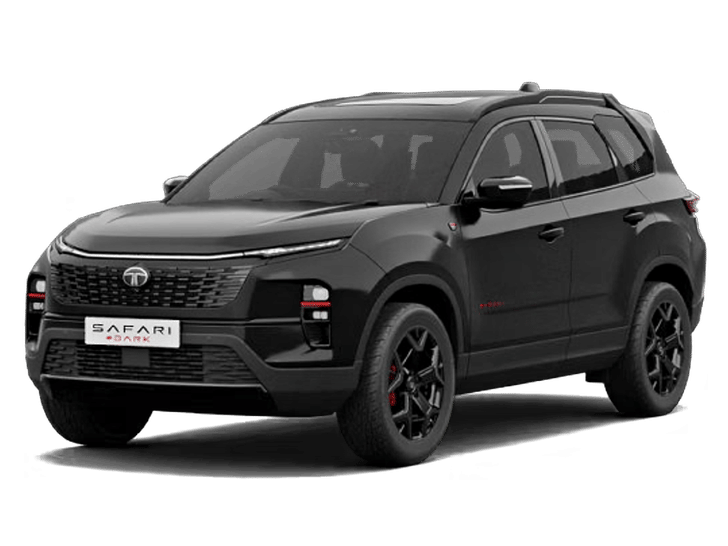
Tata Safari

₹13.29 lakh - ₹25.96 lakh

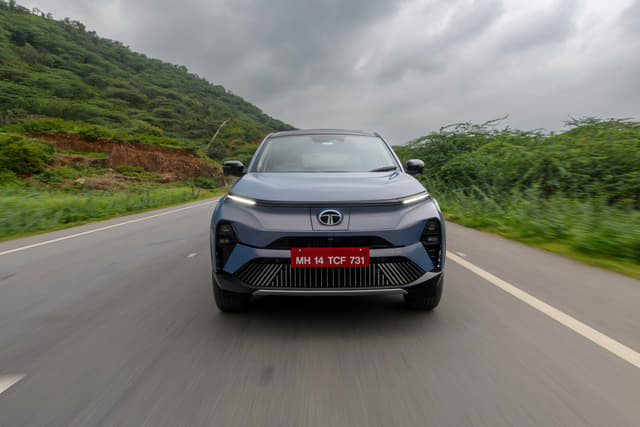
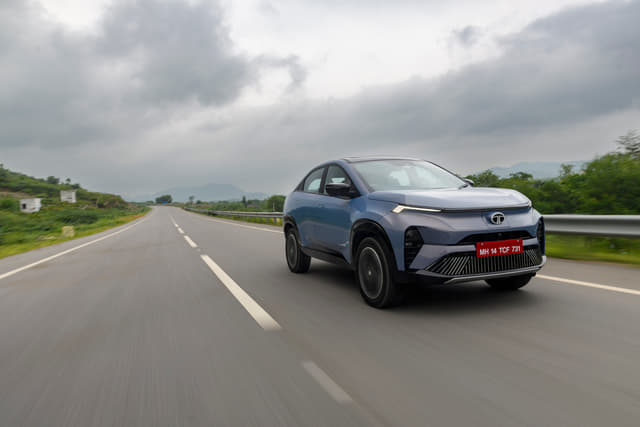
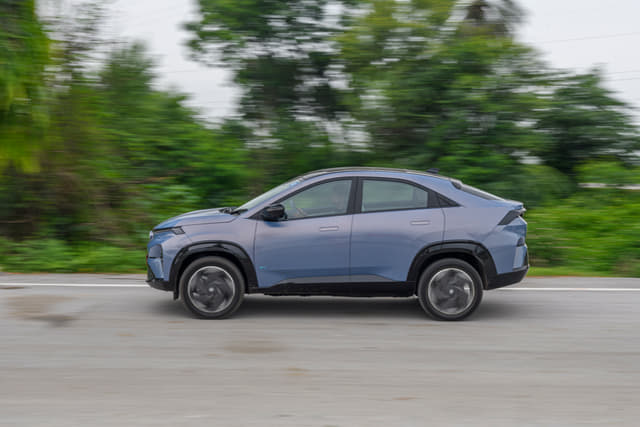
Tata Curvv EV

₹17.49 lakh - ₹22.24 lakh

Tata Harrier EV

₹21.49 lakh - ₹28.99 lakh

Upcoming Tata Cars in India

Explore the list of new Tata cars set to launch in India in 2026:


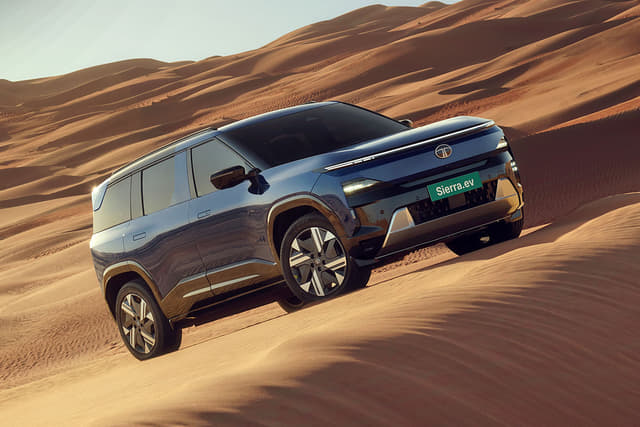
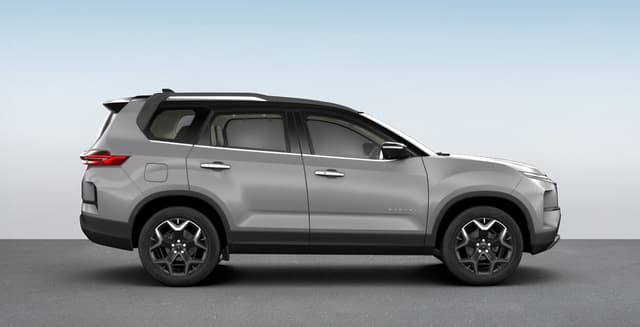
  • Tata Sierra EV
    • Expected price: ₹20.00 lakh - ₹25.00 lakh
    • Expected launch: Mid 2026
    • Fuel Type: Electric
    • Body Type: SUV


  • Tata New Nexon
    • Expected price: ₹8.00 lakh - ₹17.00 lakh
    • Expected launch: 2017
    • Fuel Type: Petrol
    • Body Type: SUV


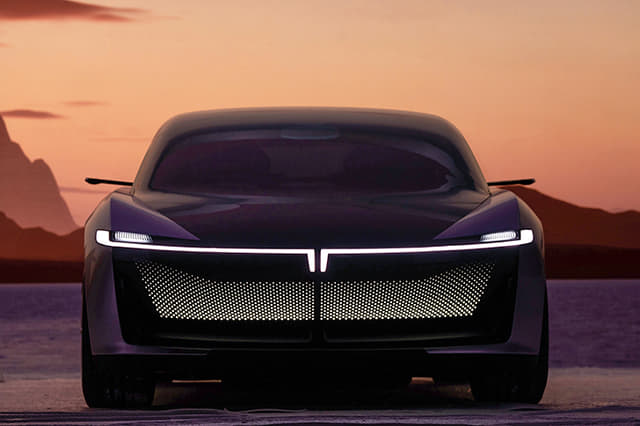
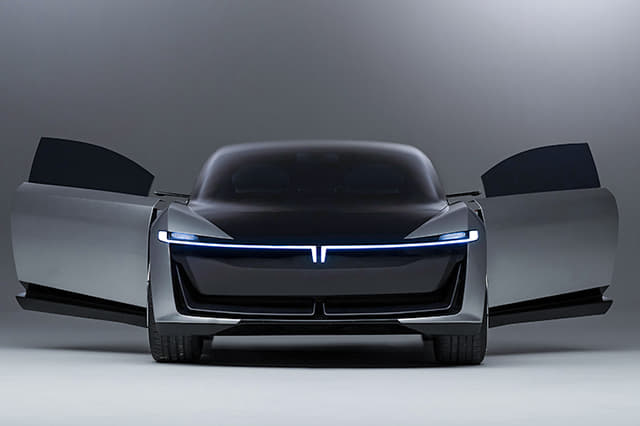
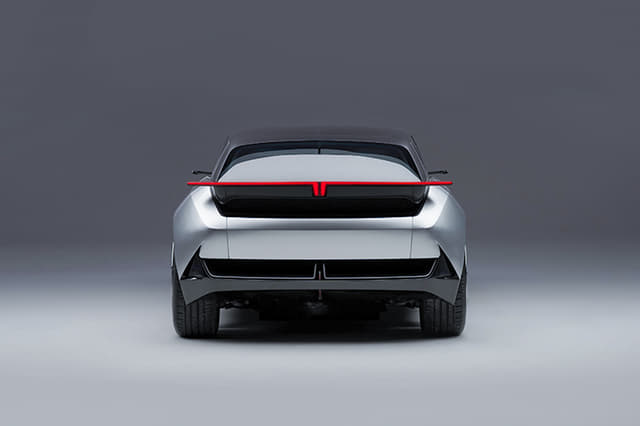
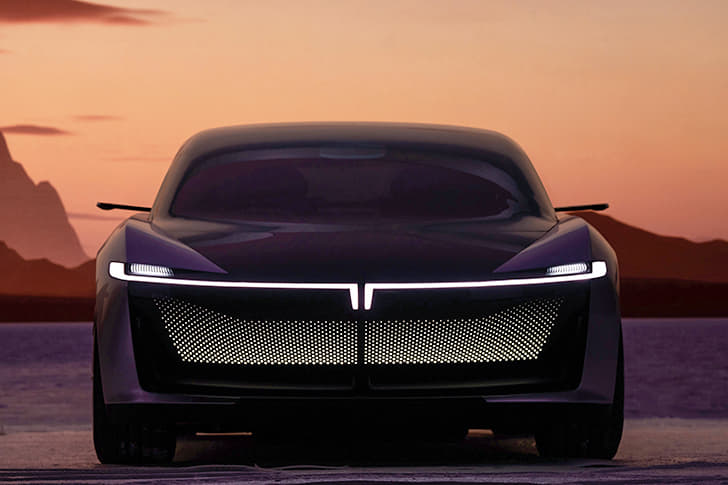
  • Tata Avinya
    • Expected price: ₹35.00 lakh - ₹40.00 lakh
    • Expected launch: 2027
    • Fuel Type: Electric
    • Body Type: SUV

Tata Cars Latest Updates (February 2026)


  • January 13, 2026: Tata has launched Punch facelift at 5.59 lakh.

  • January 5, 2026: Tata has revealed the 2026 Punch ahead of its January 13 launch, and it will feature a turbo-petrol engine for the first time. 
  • January 3, 2026: In CY2025, Tata Motors sold 578,771 cars and SUVs, while EV sales increased 18% to 81,125 units.
  • December 4, 2025: Tata Harrier EV lower variants to get AWD technology.
  • November 26, 2025: Tata plans to introduce the Sierra AWD variant in 2027.
  • November 25, 2025: Tata Motors Launches the New Sierra in India at Rs 11.49 Lakh.
  • November 12, 2025: The Tata Harrier and Safari petrol are set to launch in India on December 9, 2025. 
  • September 10, 2025: TATA.ev adds ADAS to Nexon.ev 45 starting at ₹17.29 lakh; unveils #DARK editions.


Tata Hatchback Cars


Tata Motors hatchback range is designed for efficiency, practicality, and affordability. Currently, Tata offers 3 hatchback models in India: 


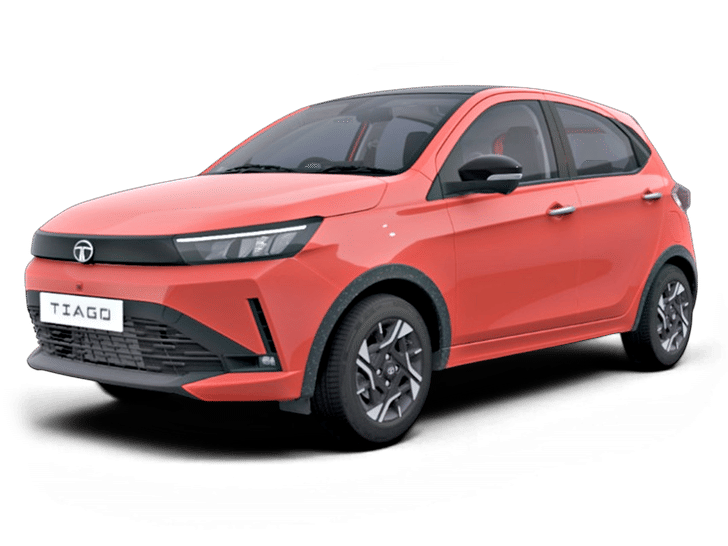
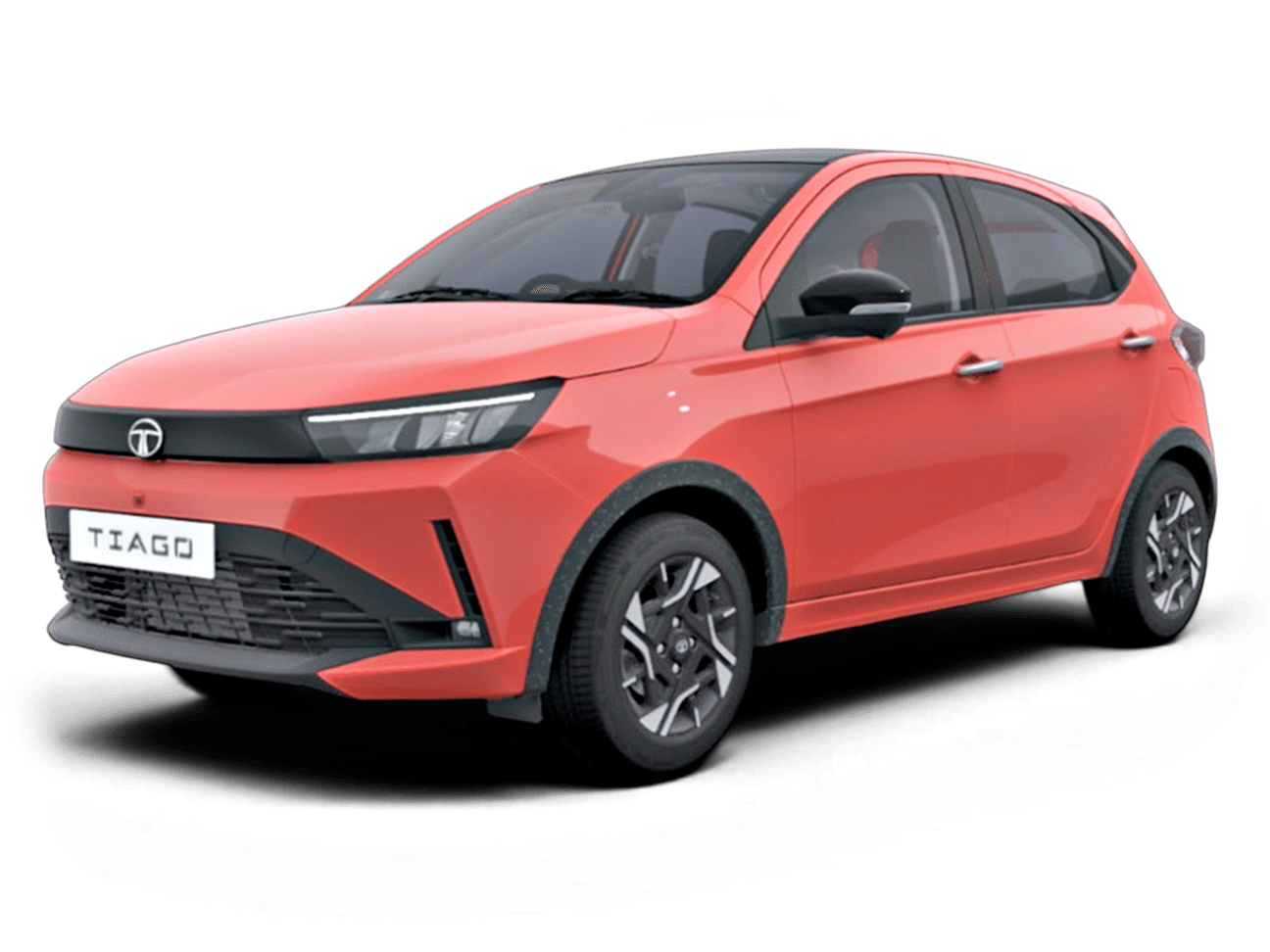
  • Tata Tiago: Entry-level hatchback with petrol and CNG options.
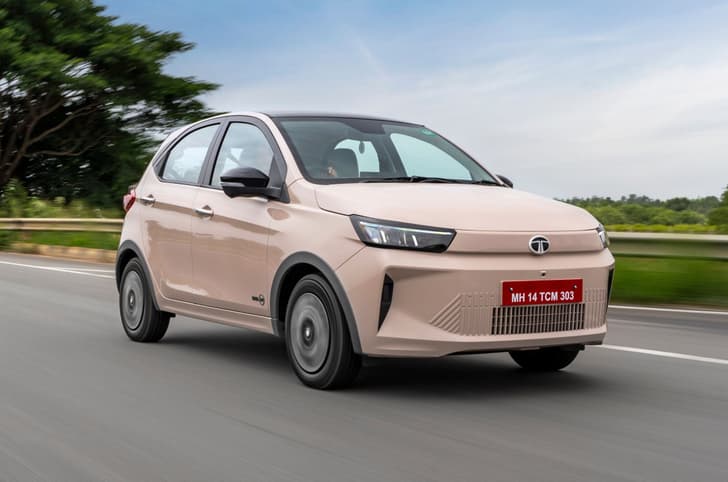
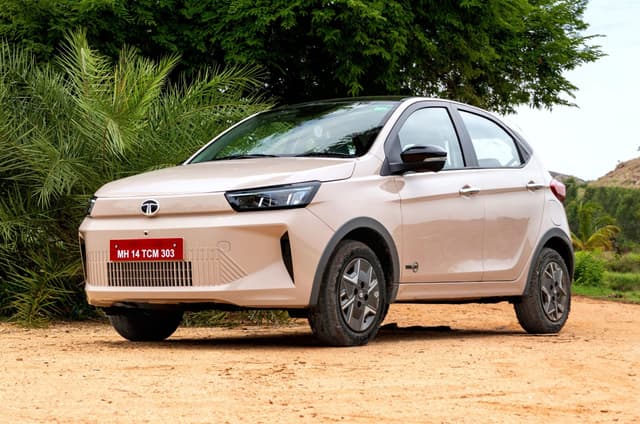
  • Tata Tiago EV: India’s cheapest long-range electric hatchback.
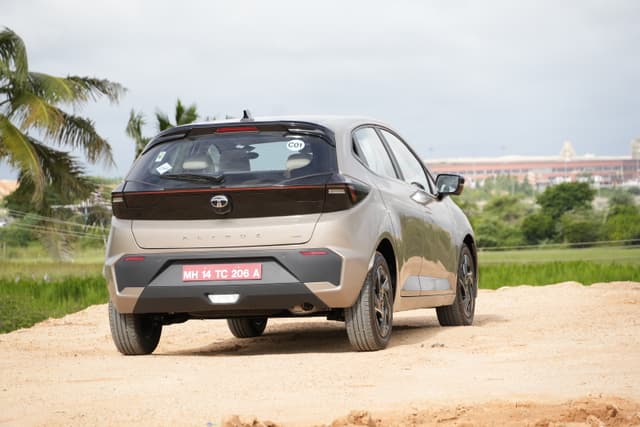
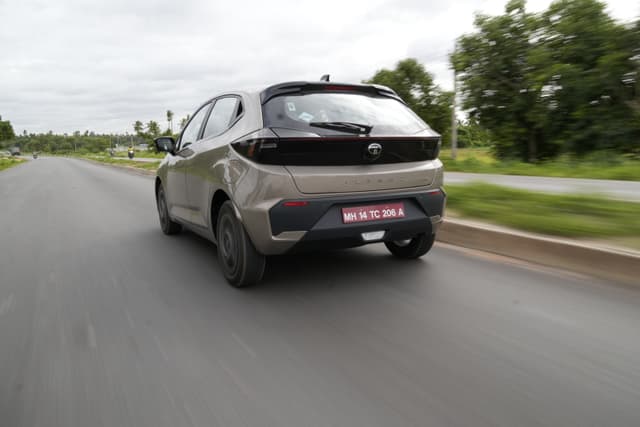
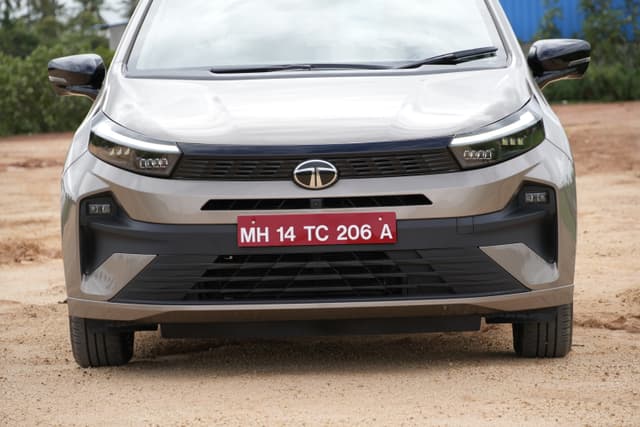
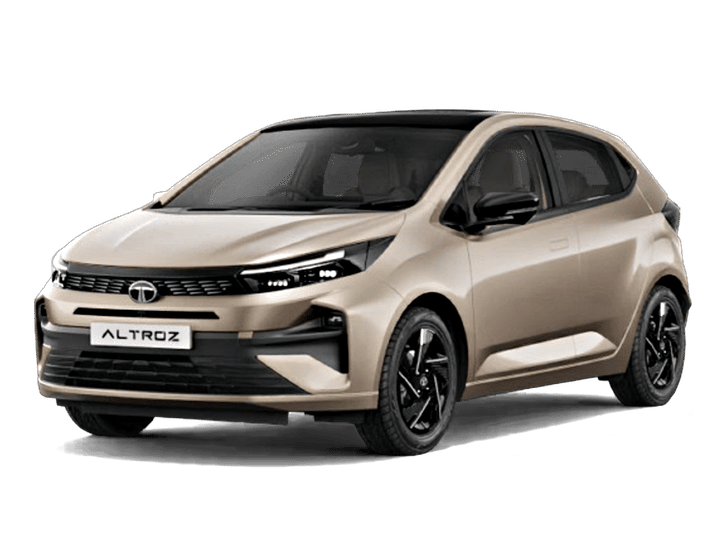
  • Tata Altroz: Premium hatchback with petrol, diesel, and CNG options.


Tata hatchback car prices start from ₹4.57 lakh (ex-showroom).


Tata Sedan Cars


The sedan lineup is designed for comfort, efficiency, and safety. Presently, there are 2 Tata sedan cars in India:


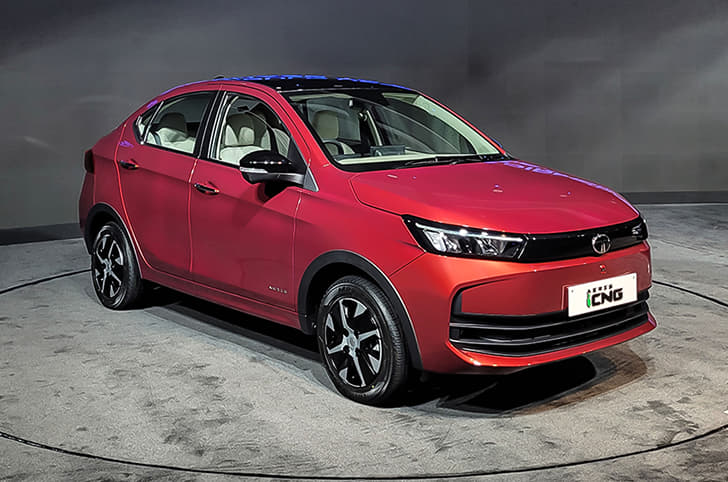
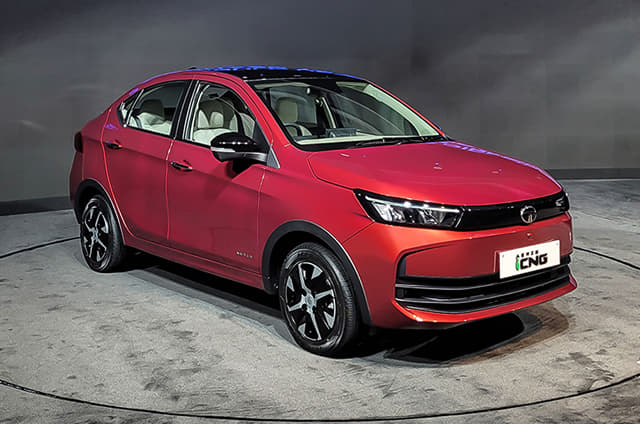
  • Tata Tigor: Compact sedan available with petrol and CNG powertrains and offered with manual and AMT transmissions.
  • Tata Tigor EV: Easy-to-drive city commuter with a 4-star Global NCAP crash rating.


Tata sedan car prices start from ₹5.48 lakh (ex-showroom).


Tata SUV Cars


The Tata SUVs cater from sub-compact all the way to the flagship segment. Currently, there are 9 models to pick from:


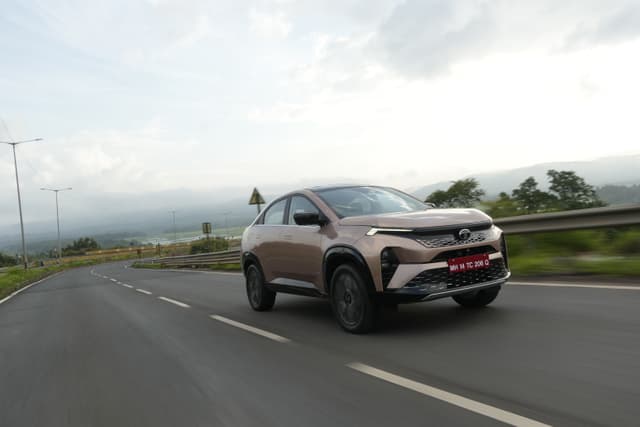
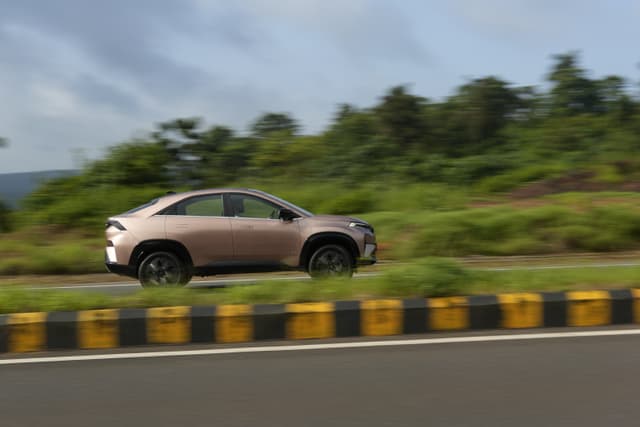
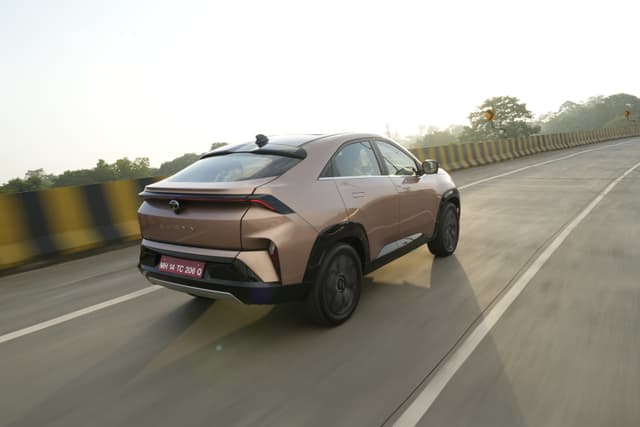
  • Curvv: A midsize SUV with a new direct-injection turbo petrol and first-in-the-segment diesel-DCT powertrain.
  • Curvv EV: Best EV yet from Tata, combining a stunning design with a feature-rich cabin and a claimed range of 585 km.
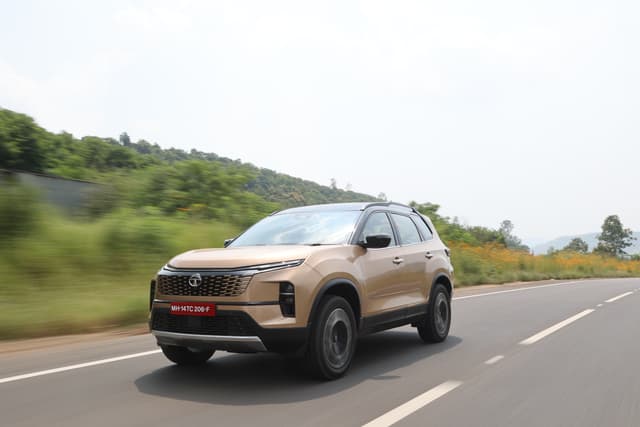
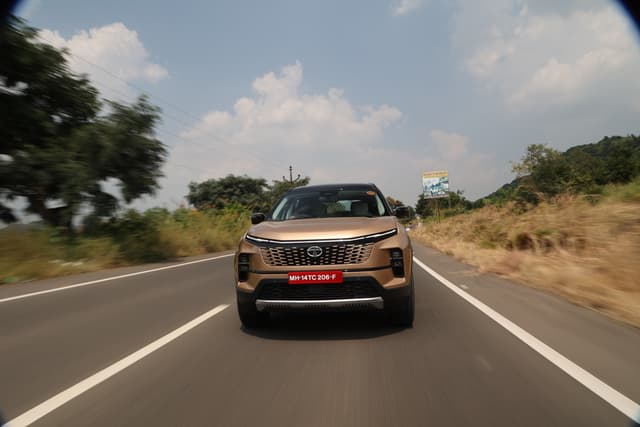
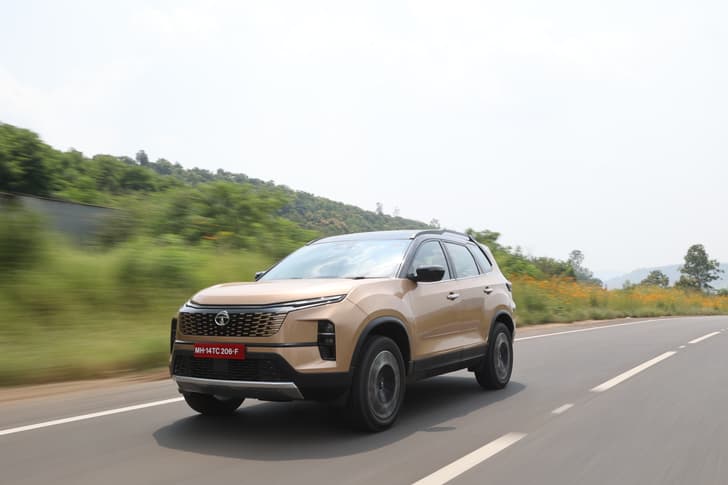
  • Harrier: Bold-styled SUV, spacious cabin, and a powerful 170hp, 350Nm, 2-litre diesel engine. No CNG or petrol.
  • Harrier EV: An electric SUV that offers superb ride comfort and balanced handling, paired with a real-world range of 627 km.
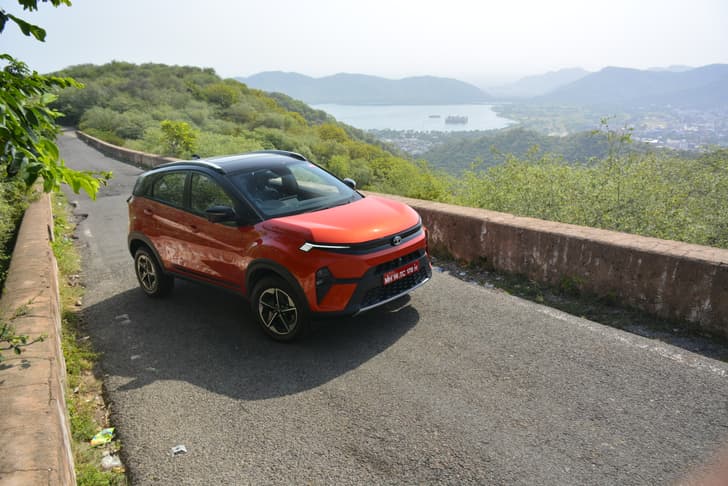
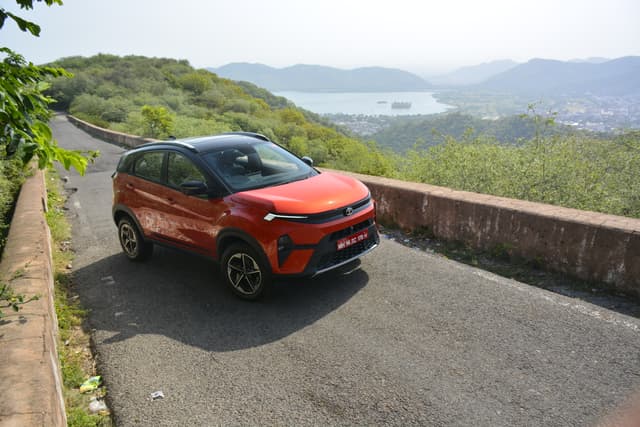
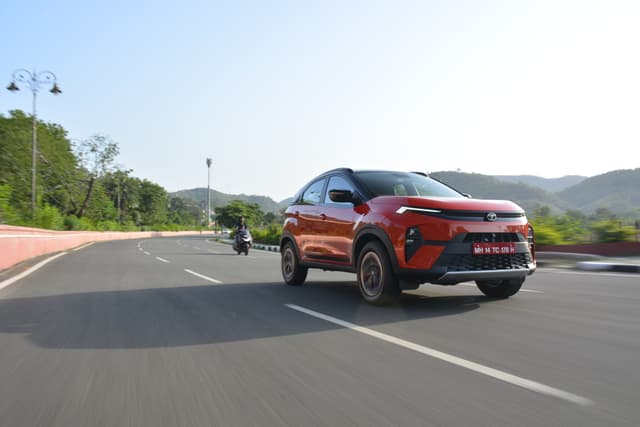
  • Nexon: Most comfortable in its segment, with twin high-res 10.25-inch screens and an illuminated logo on the steering wheel.
  • Nexon EV: An electric SUV with a refined electric motor that offers up to 465 km of claimed range.
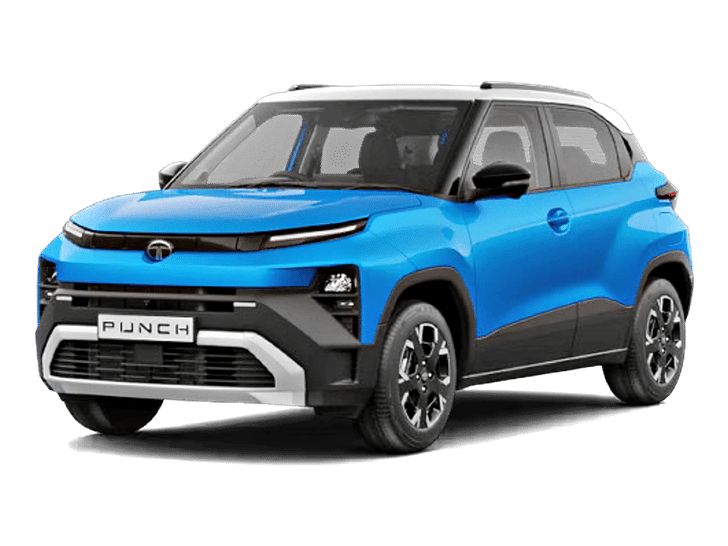
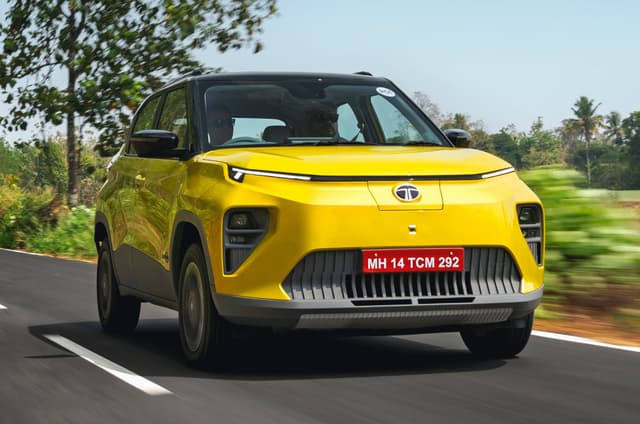
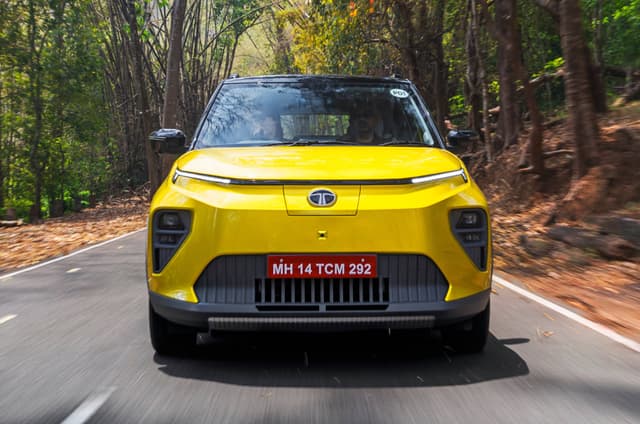
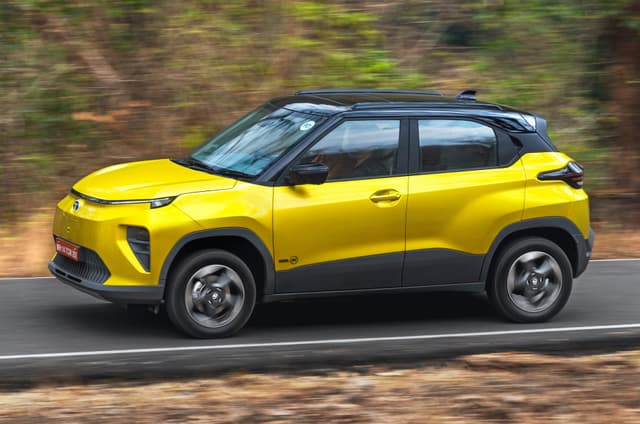
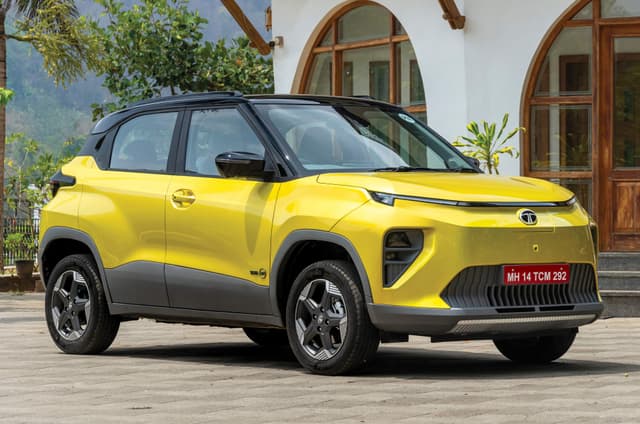
  • Punch: A sub-compact SUV based on the new ALFA architecture by Tata, boasting aggressive exterior styling with a utility-forward interior.
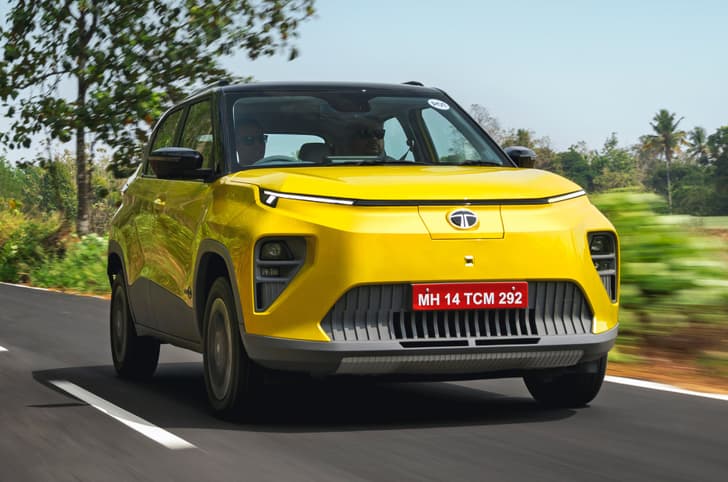
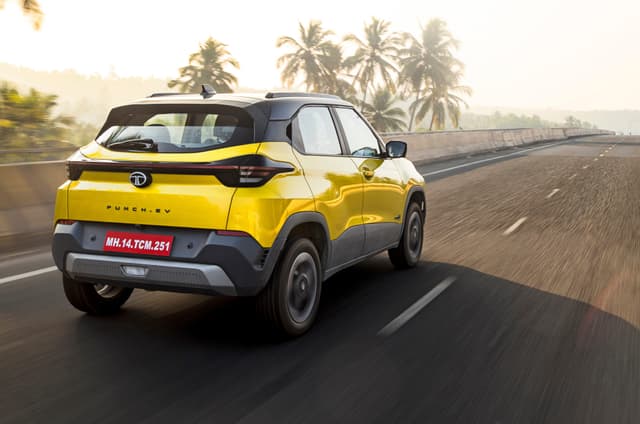
  • Punch EV: A compact and nimble electric SUV with a premium, light-colored interior, impressive ride comfort, and good efficiency.
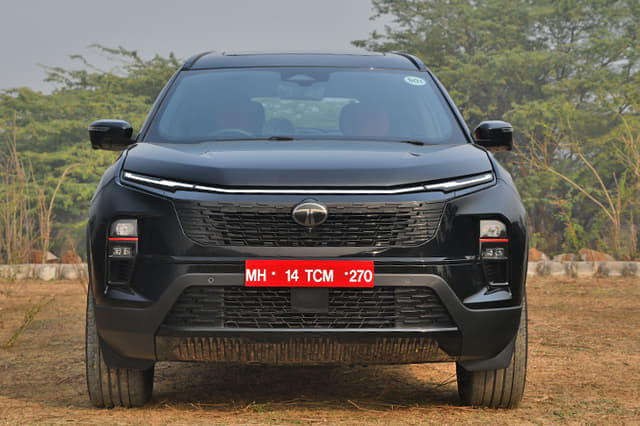
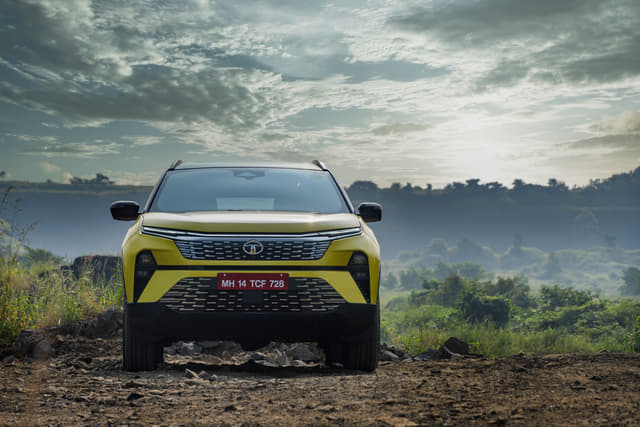
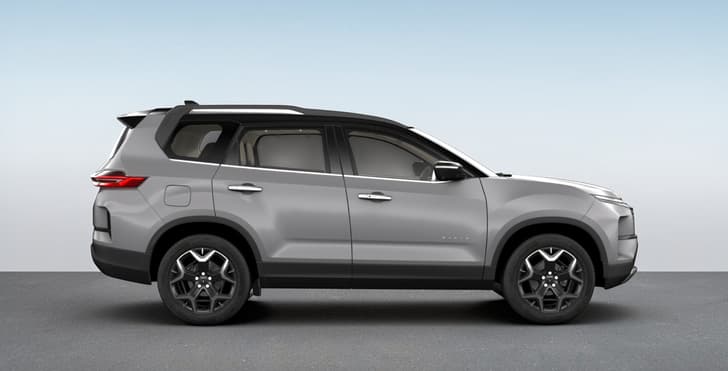
  • Safari: Flagship SUV with aggressive new styling, updated tech, and the mighty 170hp, 350Nm 2.0-litre diesel engine.
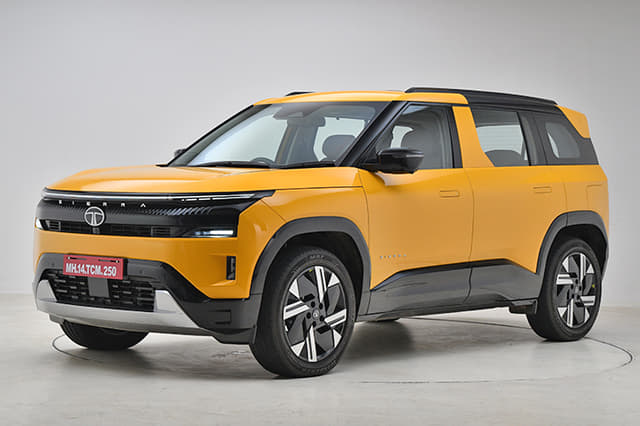
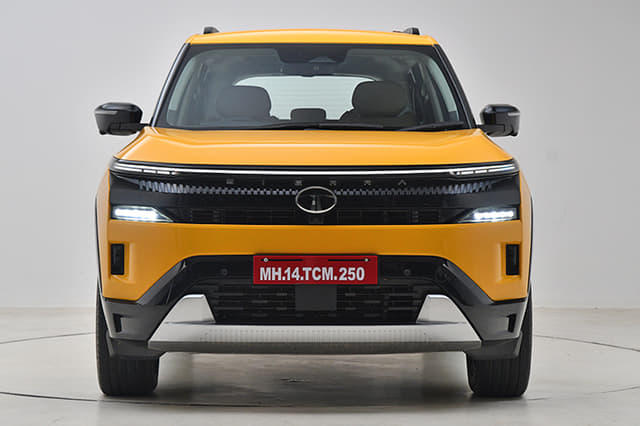
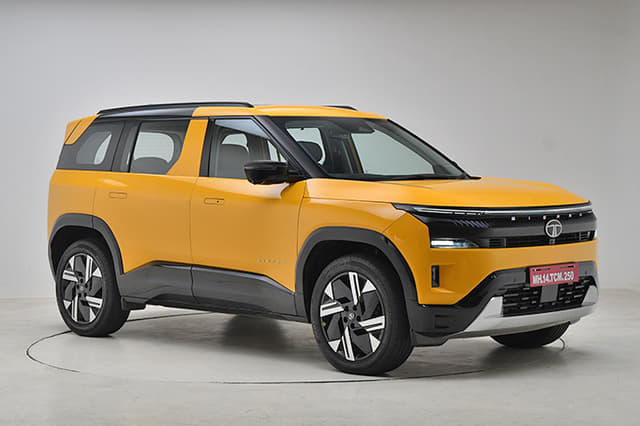
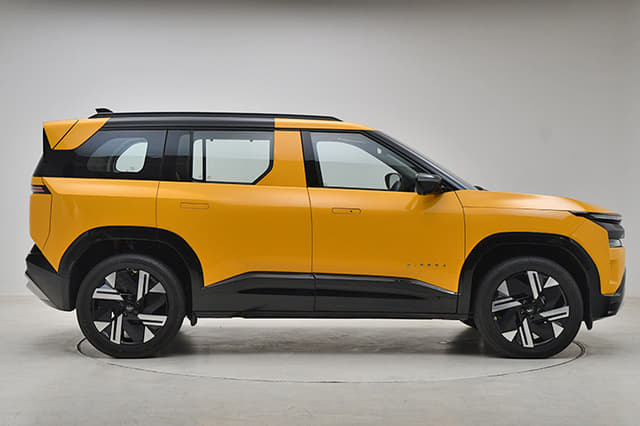
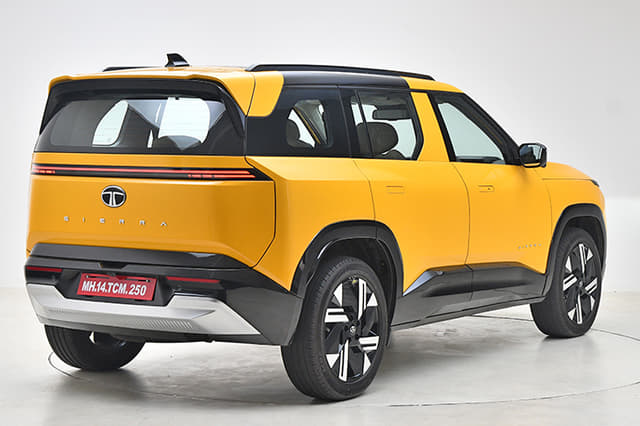
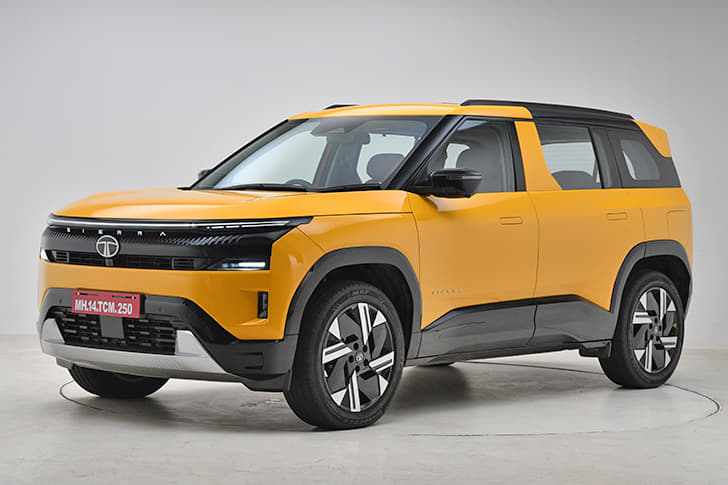
  • Sierra: A recently launched SUV that ticks almost every box. It is well-priced, has the right feature set, is spacious, and offers multiple engine and gearbox options for different needs.


The Tata SUV price in India starts from ₹5.59 lakh for the Punch and goes up to ₹28.99 lakh for the Harrier EV (ex-showroom).

Show more
Can't decide which car to buy?
Ask our experts and get answers to all your cars related queries.

FAQs

The Tata car price in India starts at ₹4.57 lakh (ex-showroom) for the Tata Tiago.

In 2026, Tata Motors has 15 cars on sale in India, with three more set to join the line-up. The current range includes 10 SUVs, two sedans and three hatchbacks. All three upcoming models are SUVs, which will take the total SUV count to 13 once they are launched.

The most popular Tata cars in India are the Punch, Nexon, Harrier, Tiago, and Altroz.

Tata sedan cars include the Tigor and Tigor EV. Both cars offer value, comfort, and safety. The price of Tigor starts at ₹5.48 lakh, and Tigor EV is priced at 12.49 lakh (ex-showroom).

Tata hatchback cars include the Tiago, Tiago EV, and Altroz.

The Tata SUV line-up includes Punch, Punch EV, Nexon, Nexon EV, Curvv, Curvv EV, Harrier, Harrier EV, Safari, and Sierra. The Tata SUV price starts at ₹5.67 lakh and goes up to ₹28.99 lakh (ex-showroom).  Also, there are 3 upcoming Tata models, and all of them are SUVs.


The Tata electric car price in India starts at ₹7.99 lakh for the Tiago EV and goes up to ₹28.99 lakh for the Harrier EV.

The upcoming Tata new cars include the Sierra EV, expected by late 2026.

The Tata Safari is the flagship 7-seater SUV. Meanwhile the Nexon, Harrier, and Sierra are popular family choices for comfort and safety.

The top 3 Tata cars in India are the Punch, Nexon, and Harrier.

Tata currently offers 15 models in India, including 3 hatchbacks, 2 sedans, 10 SUVs .  There are three new Tata models planned, and each one will be an SUV.

The Tiago is the cheapest Tata car, priced from ₹4.57 lakh (ex-showroom).

The Tata Punch is among the best-selling Tata cars in India.

Tata cars like the Nexon, Altroz, Punch, Harrier, Safari, Punch EV, Nexon EV, Harrier EV, Curvv EV, and Curvv come with a sunroof.

The Tata Tiago, Tigor, and Nexon are popular choices for middle-class families. These Tata cars offer safety, comfort, and value.

The latest car launched by Tata is new Sierra at Rs11.49 lakh on 25 November, 2025.

Tata's top 3 popular models, based on sales and strong market presence, are the Tata Nexon (₹7.32 lakh - ₹14.15 lakh), Tata Punch (₹5.50 lakh - ₹9.30 lakh), Tata Harrier (₹14.00 lakh - ₹25.25 lakh), and Tata Safari (₹14.66 lakh - ₹25.96 lakh).

Tata offers 15 cars in India as of now. The current lineup includes 3 hatchbacks, 2 sedans, and 10 SUVs. Also, three new Tata models are planned, and all of them will be SUVs.

The only 7 seater Tata car in the Indian market is the Tata Safari. It is priced between ₹14.66 lakh and ₹25.96 lakh.

Yes. Tata has three new cars lined up. The most immediate is the Sierra EV, while the Avinya and new Nexon are expected to launch in 2027.
Need an expert opinion on your car related queries?

Trending Questions on Tata Cars - Answered by Autocar Experts

V
Asked by: Vikason Feb 26, 2026

I have booked the Tata Sierra Accomplished 1.5 L TGDi petrol automatic, and my maximum budget is 24 lakhs. I need a 5-seater car with a monthly running of 1800–2000 km, mainly in the city. I recently drove the Tata Harrier Petrol Adventure X-Plus with the same engine specifications as the Sierra. I am confused between the two because the Sierra has a waiting period of about two months, while the Harrier is available within 15 days. The Sierra’s exterior looks great, but I have heard about various fit and finish issues and poor quality of interior materials, whereas the Harrier does not have these issues. The Harrier seems bulkier compared to the Sierra. Can you advise which car is the right choice for long-term ownership considering fit and finish, material quality, performance, and overall value for money?

You’ve already booked the Tata Sierra Accomplished 1.5 TGDi automatic. On paper, it fits your requirements quite well: five seats, predominantly city use, and a budget capped at Rs 24 lakh.

The Sierra is a more modern product compared to the Tata Harrier, and as you rightly pointed out, it has strong road presence and very distinctive styling. In the flesh, the fit and finish on the Sierra is actually quite good. Panel gaps and shut lines are tight, and overall build consistency feels improved. It’s also worth noting that the Sierra is produced at Tata’s ex-Ford plant in Sanand. It operates to higher production standards than some of Tata Motors’ older facilities. That does give some confidence that quality levels are among the best Tata has achieved so far.

Both cars use the same 1.5-litre TGDi petrol engine, but in the Harrier it is tuned to produce around 10hp more. In our experience, the Harrier does feel slightly smoother and a bit stronger in outright performance. However, for predominantly city driving of 1,800-2,000km a month, you’re unlikely to really exploit that extra power. What matters more is drivability, ease of manoeuvring and day-to-day comfort.

This is where the Sierra makes a strong case. The Harrier, as you’ve noticed, feels bulkier and larger. In tight urban conditions, that extra size can become a bit of a handful. The Sierra’s slightly more compact dimensions and good visibility from the driver’s seat make it easier to live with in daily city traffic. The cabin design in the Sierra also feels fresher and more contemporary, whereas the Harrier’s interior, while solid, doesn’t feel as special.

In terms of long-term ownership, Tata cars aren’t as reliable as global brands, but the quality has improved, and we don’t think this is a deal breaker. 

Given your budget, usage pattern and preference for a 5-seater that feels modern and manageable in the city, the Sierra is the better overall fit. If you can accommodate the two-month waiting period, it is worth waiting for rather than choosing the Harrier simply because it is immediately available.


V
Asked by: Vikason Feb 26, 2026

I have already booked the Tata Sierra Accomplished 1.5-litre TGDi petrol automatic. My budget is a maximum of ₹24 lakh. I need a 5-seater car only, with a monthly running of 1,800 to 2,000 km, mainly in the city. Recently, I drove the Tata Harrier petrol Adventure X Plus variant with the same engine specifications as the Sierra. I am confused between the two, as the Sierra has a waiting period of about two months, while the Harrier is readily available within 15 days. Secondly, the Sierra’s exterior looks great, but I have heard about various fit-and-finish issues and concerns about interior material quality, whereas there seem to be no such problems in the Harrier. Also, the Harrier looks somewhat bulky compared to the Sierra. Can you advise which is the right car within my budget for the long term, considering fit and finish, material quality, performance, and overall value for money?

Expectedly, being the newer car, the Tata Sierra's demand is higher. Besides its standout design, the Sierra's front seats are comfier than the Harrier's, and being the pricier Accomplished variant, it has a few more features than the Harrier's Adventure X Plus variant.
The Tata Harrier, on the other hand, has been around in its current form since 2023, with the turbo-petrol variant making its debut only in 2026. Over the years, the company has been constantly ironing out minor issues and updating the car with the latest features, thus bringing it up-to-speed with rivals. The Harrier turbo-petrol is a well-rounded offering, and if you liked the drive experience, go for it.
K
Asked by: Krishnanon Feb 25, 2026

I am planning to buy a Punch.ev but I’m confused with other EVs like the MG Windsor EV, Tata Nexon EV, and Hyundai e-Vitara. I have to travel about 75 km daily, and I also go out occasionally with my family. Which one is the better choice?

The new Tata Punch EV facelift, which has been recently launched, is hard to fault. It now offers improved range, strong performance and an excellent ride. What makes it even more attractive is the pricing. Tata Motors has launched it at a starting price of Rs 10.3 lakh (on-road), which makes it an exceptional value and even more competitive than before.

The only real weakness of the Punch EV is the cramped back seat, which may not be ideal for regular family outings. If your daily 75km commute is the priority and your family can tolerate the tighter rear space occasionally, then you can go for the Punch EV without a second thought.

However, if cabin space is critical for you, then the MG Windsor EV is the better option. It has a far more spacious and comfortable cabin, making it better suited for family use, though it is not as nice to drive as the Punch EV.

P
Asked by: Punit Khatrion Feb 25, 2026

Hi, I booked the 2026 Tata Punch Pure Plus manual on 11th February, and the dealer committed to deliver it on 27th February, but now they are denying delivery. I want to cancel the booking and am planning to buy the Maruti Ignis Zeta AGS. My driving will mostly be in the city, with highway running of about 1,000 km once every three months. Will it be a good decision to buy the Ignis Zeta AGS, or should I wait for the Tata Punch Pure Plus manual? Or is there any other AMT/AGS car that I can consider within a ₹7-8 lakh budget? Kindly suggest.

If you do not want to wait any longer, going ahead with the Maruti Suzuki Ignis Zeta AGS is a perfectly sensible decision for your usage. For mostly city driving with an occasional highway run once every few months, the Ignis fits the bill well. Its 1.2 litre four cylinder petrol engine is smoother and more responsive than the Punch’s motor, and the AMT calibration feels easy to live with in traffic. 

It has good space on the inside, has a comfortable ride quality and, being a Maruti Suzuki, offers a hassle-free ownership experience with low maintenance costs and wide service support.

One important point to keep in mind with the Ignis is safety. When tested by Global NCAP in 2022, it scored a one-star rating, so this is something you should be fully aware of before making a final decision.

If timely delivery, the Ignis Zeta AGS is a good buy. If safety rating and a more rugged feel are higher priorities and you are willing to wait, then sticking with the Tata Punch makes sense.

K
Asked by: Krish Mehtaon Feb 25, 2026

Want to buy a 5-seater car between 25-30 lakh. My daily driving is around 40 km. My priorities are having a fun-to-drive and comfortable car. I am open to electric options as well.

If you are considering an electric car, the VinFast VF7 stands out as an excellent choice. In its higher variants, which fall within your budget, it gets a dual motor setup producing around 350 hp and can do 0 to 100 kph in just over 6 seconds.
At this price point, you will not find a quicker accelerating five seater. More importantly, it is not just fast in a straight line. The ride is comfortable, the cabin is spacious, and it feels well-suited for daily driving as well as longer journeys.
Other EVs you could also look at include the Mahindra BE 6 and the Tata Harrier EV AWD, both of which have strong performance and a fun-to-drive nature. But the VinFast remains the quickest and most exciting option on pure performance.
If you prefer an internal combustion engine, the Mahindra XUV 7XO turbo petrol automatic is a very good option. The petrol engine is powerful, smooth and refined, and with the recent facelift, Mahindra has improved the suspension setup as well. As a result, it now offers a more comfortable ride without losing its engaging driving character, making it a good balance between fun and comfort for daily use.
V
Asked by: Vrushankon Feb 24, 2026

Hello, currently I am using a Nexon and wish to upgrade my car within a price range of up to ₹35 lakh. Driving comfort is my top priority, and my usage will be around 70% city and 30% highway, with an average of 30km per day. My personal choices are, looks-wise, the Harrier (new petrol), and engine-wise, the XUV 7XO. Are there any other options in this price range, or should I wait for any new releases like JSW’s rumoured cars?

The Tata Harrier's road presence is impressive, and its 1.5-turbo-petrol engine is surprisingly powerful too. If you're in the market for one, it is a capable, well-rounded car. However, as you rightly mentioned, the Mahindra XUV 7XO's larger 2.0-litre turbo-petrol has an edge in terms of performance, smoothness and refinement. It also has an edge in terms of ride comfort, and its lighter steering makes it easier to drive in the city, too.
JSW is likely to introduce its version of the Jetour T2 i-DM (plug-in hybrid) in the latter half of 2026, so you could wait for that if you'd like. That aside, there aren't any more new options expected in that price range.
R
Asked by: R Kumaron Feb 24, 2026

I am planning to buy my first EV. I have had a good experience with ICE cars, especially my Hyundai Grand i10, which has had no major issues over a decade. I want a suggestion regarding the Nexon EV. Which of its variants is the best in terms of value for money within a budget of ₹16 lakh on-road?

Since you've decided on the Tata Nexon EV, and your budget is firm at Rs 16 lakhs, we would recommend you pick the Fearless 45 variant. With this version, you get a large 45kWh battery that's capable of delivering a real-world range of 345-355km on a single charge.
Fearless is a mid-spec variant that covers the basics, such as touchscreen, climate control, rear camera, rear wiper/washer, etc., although it misses some premium features, like a sunroof, ventilated seats, and a 360-degree camera. If you prefer to have these features, you will need to stretch your budget slightly and opt for the Empowered 45 variant.
R
Asked by: Rushabhon Feb 23, 2026

I am a first-time car buyer. My wife and I will be driving it. It will be used mostly for city driving and sometimes for outstation outings, with a weekly run of about 100 km. My budget is around ₹10-12 lakh, and safety is a priority. Which cars should we be looking at? Is the BAAS a good option?

Given your query regarding BaaS (battery as a Service), we assume it's an EV that you are looking at. The best option within your budget is the Tata Punch EV, which is incidentally fresh from an update. Tata Motors has enhanced the powertrain for more range and faster charging. The Punch EV Adventure with the larger 40kWh is the pick for you. 

It's very smooth to drive in the city and has also got enough punch (pun intended) for highway drives. Also, the Punch EV is a tough car and boasts good safety (though a Bharat NCAP score for the latest one is awaited).  

Battery as a Service (BaaS) is a unique approach to ownership in which you pay for the car and 'rent' the battery. The option reduces the car's upfront cost greatly. But if you look at the fine print, you will find fees and fixed minimum payments for the battery that need to be made irrespective of your usage. For your limited running, BaaS might not be the best option.   

P
Asked by: Prasoon manglaon Feb 23, 2026

Hi, my daily running is about 20 km, and I am confused between petrol and EV options. I don’t want to buy a Maruti, Hyundai, or Mahindra. I want a fuel-efficient and easy-to-maintain car. Please suggest.

Since your running is about 20kms daily, we assume this is basically urban driving. Thus, you can consider an EV. However, make sure you have a provision to charge at home or your place of work, as relying completely on public charging is not convenient at all. 

Look at the Tata Punch EV, the car is compact and easy to manage in tight spaces, but is fairly spacious enough for a family of four. 

The new Punch is also now cheaper than the previous car and offers a larger range and more slightly more power from the motor. Since your driving is quite low, and if you do not plan on longer weekend or highway trips, opt for the smaller 30kWh battery unit.  

P
Asked by: prudhvi chilukurion Feb 23, 2026

Hi Autocar team! My driving is almost 80% in the city (about 30-40 km/day) with a 1,000 km highway run once every 3 months. I’m confused between the Maruti Baleno AMT and the Tata Punch EV. Please suggest which one I should pick between these two.

If you have the option to install an EV charger at your home or office or have easy access to EV charging, we'd suggest you go for the Tata Punch EV. It makes for a very good city car, with highlights being smoothness and refinement made possible by the EV powertrain. 

The Punch's relatively small size also makes it easier to drive and park, in case that's a consideration. The Punch EV 40kWh also has the power for your highway journeys. Also, you would need to work your route around the availability of chargers. 

The Maruti Suzuki Baleno is a larger car and makes more sense if rear seat space is a priority. It's a good city car with impressive ride comfort. However, the AMT gearbox will not deliver Punch EV-rivalling smoothness.  

Last Updated on: 4 Feb 2026