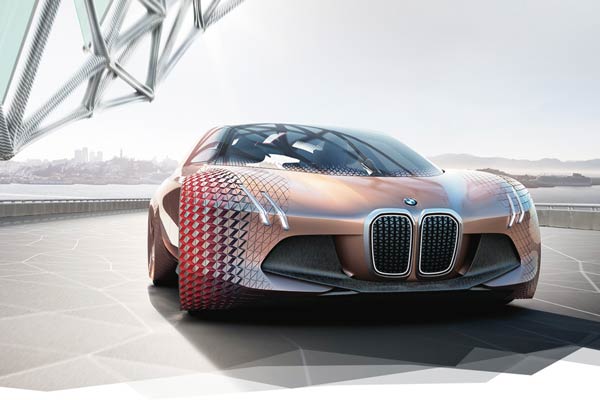

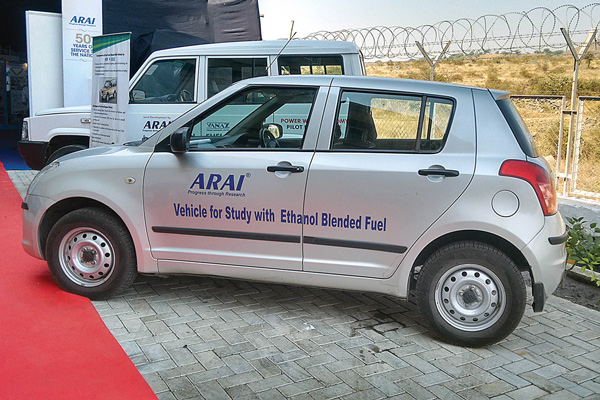
At the Geneva motor show in March 2015, Suzuki Motor Corp, Maruti Suzuki India’s parent company, had exhibited three futuristic technologies – a new-generation lightweight platform, a new downsized direct-injection turbo petrol engine called Boosterjet and the SHVS mild hybrid system. These future-ready technologies are part of the Japanese carmaker’s plan to cut down on emissions with an overall target of being non-polluting while stepping up vehicle performance.
Maruti Suzuki India has said it has been successful in scaling down the weighted average of CO2 emissions by over 11.6 percent across its product portfolio over the last five years. This has been enabled by a concerted effort at upping fuel efficiency, reduction of exhaust emissions and development of alternate fuel products.
The growing level of emissions and, as a result, air pollution, has taken a toll on Indian cities. Last December, the central government finally took a step forward to rein in the growing pollution in cities like Delhi-NCR where the transport sector has received flak for being a contributor, albeit a small one. The Faster Adoption and Manufacturing of (Hybrid &) Electric Vehicles (FAME) initiative, announced on April 1, 2015 is also another government-led effort at cleaning up the air.
THE FIRST MOVER
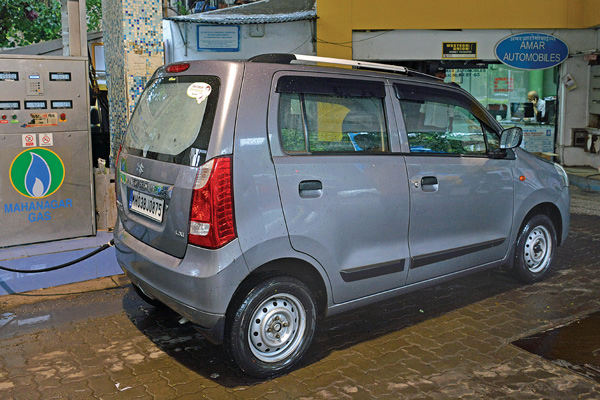
In 2006, Maruti Suzuki, the country’s largest carmaker, became the first in India to manufacture factory-fitted CNG cars. At present, this stable of cars comprises six dual-fuel (CNG and petrol) models like the Alto, Alto K10, Celerio, Wagon R, Eeco and Ertiga. The CNG variants of the Alto K10 and Celerio were launched in 2014-15. They are powered by the company’s intelligent gas port injection (i-GPi) technology which is claimed to deliver best-in-class fuel efficiency, besides safety and performance.
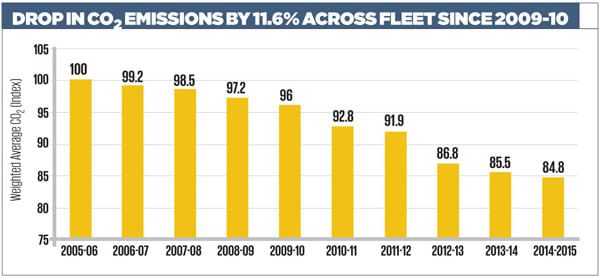
According to Maruti’s sustainability report of 2014-15, these eco-friendly models
have been complemented on the manufacturing front by process enhancements for emission reduction, use of solar energy at its manufacturing facilities as well as cleaner fuel for electricity production.