

Ishaan Bhartiya
•5dI am looking for a compact SUV in the ₹10-12 lakh range and can stretch the budget slightly if required. I prefer a petrol automatic. I live in Noida, and we are a family of four. The car will be used as the primary family vehicle with a daily running of around 50-60 km, including both expressway and city driving. My priorities are reliability, comfort, safety, and ease of ownership. My current shortlist includes: Maruti Suzuki Brezza (Should I wait for the facelift?) Hyundai Venue Hyundai Exter Skoda Kylaq Mahindra XUV 3XO I am also open to considering other suitable options. Please suggest which would be the best choice for my requirements.
Autocar India

 Maruti Suzuki Brezza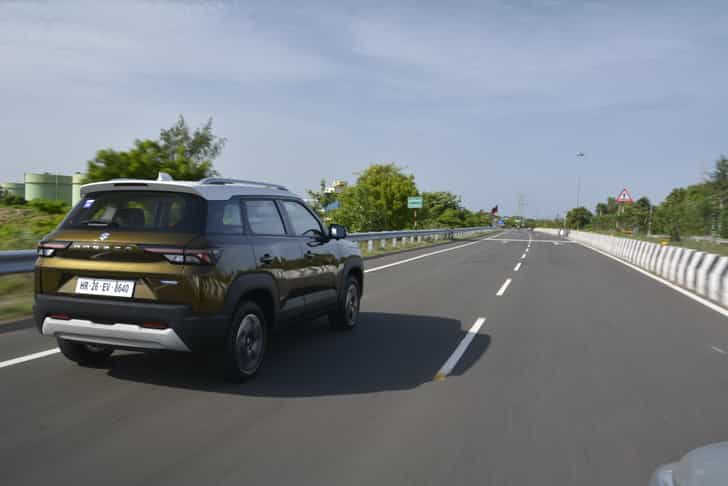
Akash
•2dHi, I am looking to buy either the Maruti Suzuki Alto K10 or the Renault Kwid AMT. My budget is around ₹6 lakh, and my daily usage will be approximately 25–30 km in Bengaluru traffic. Could you please suggest which would be the better option for city driving, comfort, fuel efficiency, reliability, and ease of use in traffic? Also, which of these cars comes with hill hold assist? Thank you.
Autocar India
Maruti Suzuki Alto K10JK
•1dLooking for a comfortable SUV mainly for city driving in Chennai. I drive around 35 km per day and do not face too much bumper-to-bumper traffic. I am looking for a spacious 5-seater car with an automatic transmission and preferably a petrol engine, within a budget of ₹20 lakh. I currently own a 2013 Chevrolet Beat petrol manual. I do very minimal highway driving, with yearly highway usage of around 1,000-2,000 km.
Autocar India
Kia SonetHonda Elevate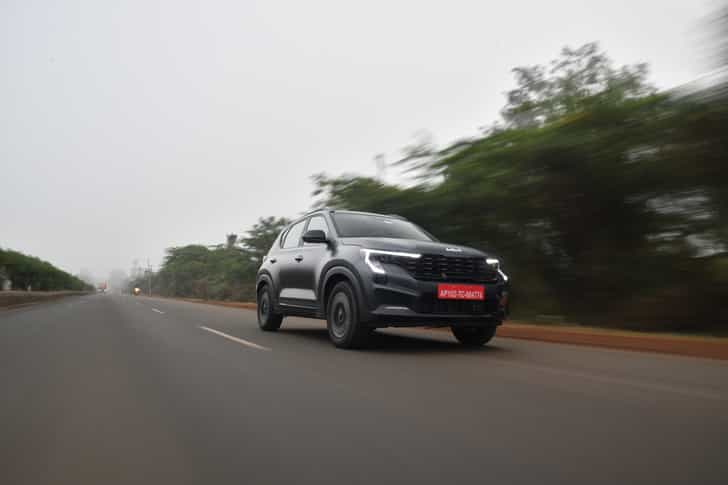
Arun Sharma
•1dI am looking to buy a new car, preferably an EV or a strong hybrid, mainly for my daily office commute. My monthly running is around 600–700 km, and I rarely take my own car on outstation trips, as I usually prefer to hire a cab or a chauffeur-driven vehicle for long journeys. I currently drive a Maruti Wagon R CNG and want to upgrade to an automatic car for a more premium, comfortable experience. My budget can stretch up to around ₹22-25 lakh, and my main priorities are: Hassle-free long-term ownership for the next 8–10 years Reliability and low maintenance Comfortable automatic driving experience Practical and sensible design without unnecessary gimmicks or flashy features Good efficiency and peace of mind
Autocar India
Maruti Suzuki Grand VitaraMaruti Suzuki VictorisToyota Urban Cruiser HyryderHyundai Creta ElectricMohit Kakde
•8hI currently own a first-generation Toyota Innova that has been with me since 2008 and has clocked around 2.75 lakh kilometres. Since it has served my family extremely well, I am now looking for an upgrade. Naturally, I am inclined towards the Toyota Innova Hycross because my priorities continue to be: Excellent space and family comfort Good ride quality and highway stability Reliability and long-term peace of mind A vehicle that is also enjoyable to drive personally My monthly running is quite high at around 9,000 km, with nearly 70% usage in Mumbai city traffic and 30% highway driving, mainly on the Mumbai–Satara route. My budget is around ₹26 lakh, which unfortunately does not comfortably accommodate the Hycross Hybrid variants. I have therefore also considered the non-hybrid Innova Hycross GX(O), but I am concerned about its fuel efficiency given my predominantly city usage. Would the non-hybrid Hycross still make sense for my usage pattern, or should I consider other SUVs or MPVs instead? I am open to both body styles, but I am not particularly inclined towards the Maruti Ertiga or Kia Carens since I want this purchase to feel like a genuine upgrade from my current Innova. Could you please suggest the best options considering comfort, fuel efficiency, reliability, driving experience, long-term ownership, and overall value?
Autocar India
Maruti Suzuki InvictoTata Safari