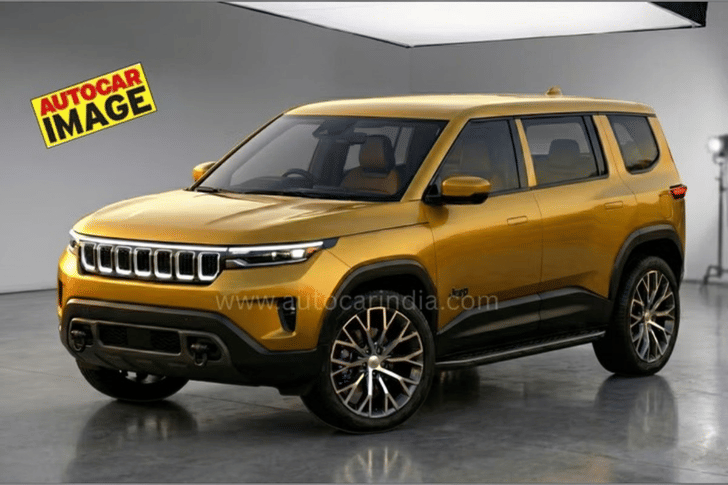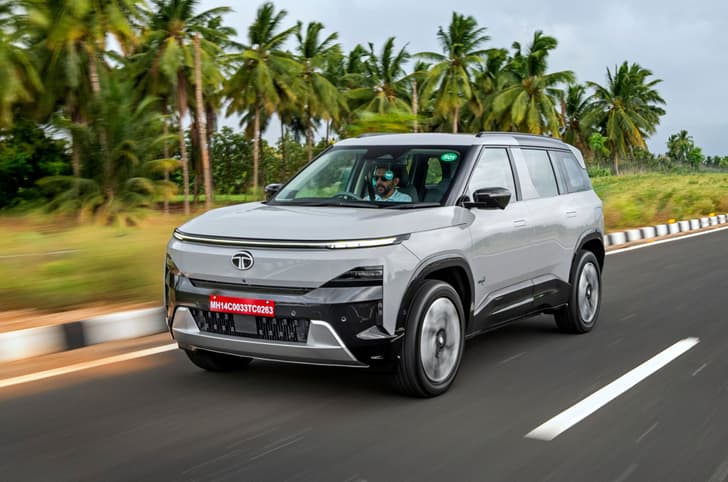


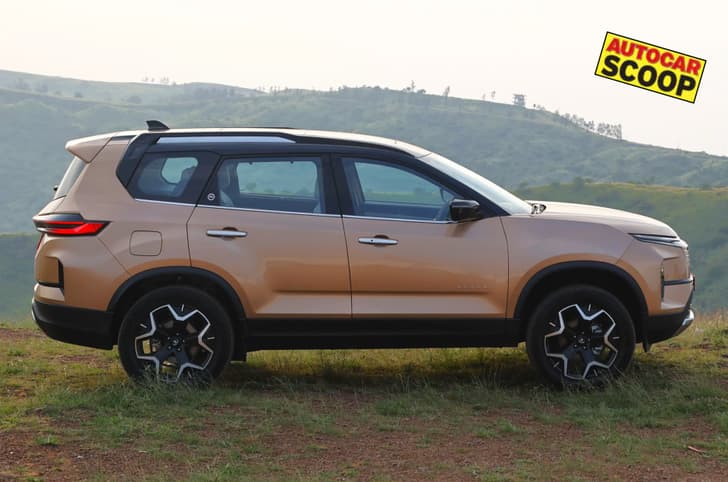
An electric derivative of the Tata Safari is set to go on sale in India by the festive season this year. The Safari EV will take the mantle of Tata’s flagship electric car, which is currently held by the Harrier EV, and will also be the Indian carmaker’s first three-row EV.
- Safari EV will share underpinnings and powertrains with Harrier EV
- Minor visual changes expected; new TiDAL architecture to enable more features
- Will rival Mahindra XEV 9S; production slated to commence in August
- Tata’s current electric SUV line-up will be completed with Safari EV launch
Tata Safari EV platform and powertrains
Leverages Harrier EV's acti.ev+ architecture
Codenamed ‘Tayrona’ (not to be confused with the Volkswagen Tayron), the Safari EV will be underpinned by the same acti.ev+ platform as the Harrier EV – it’s worth noting that this is an ICE-to-EV conversion, not a born-EV.
AWD option expected
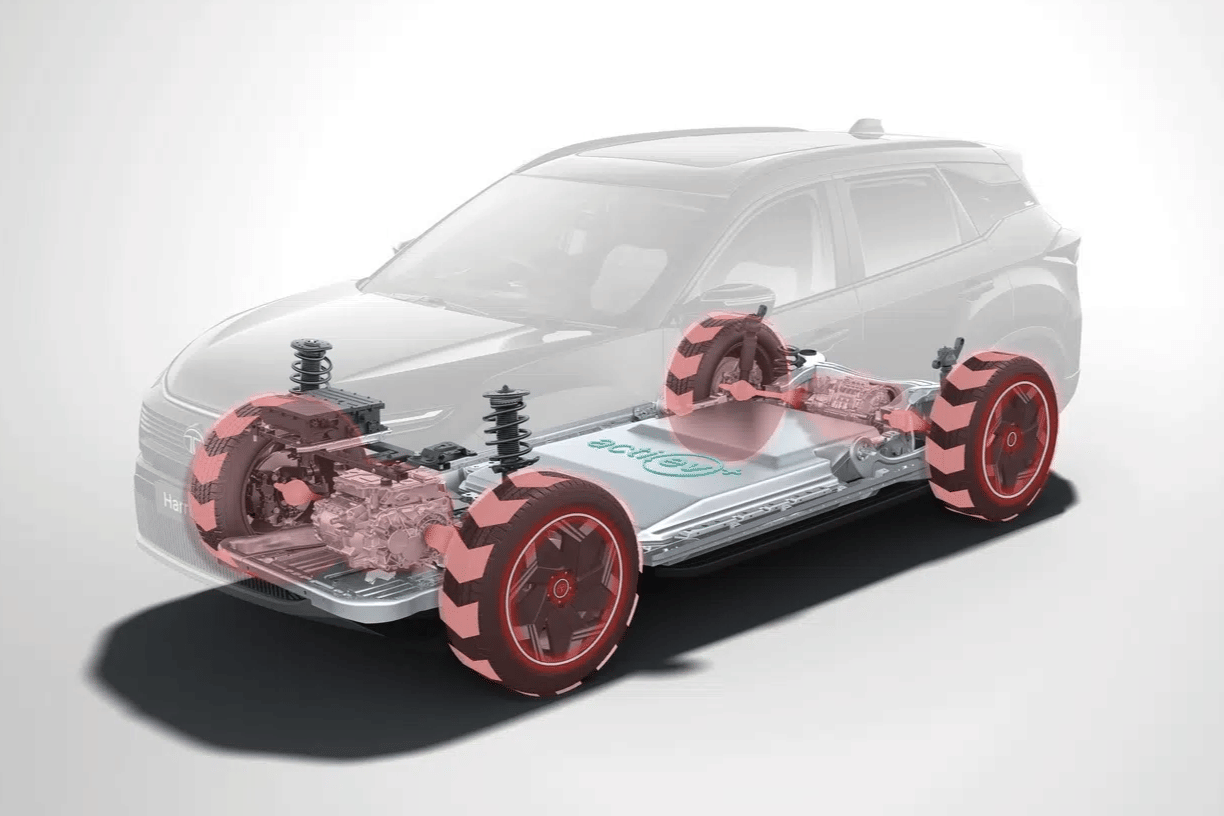
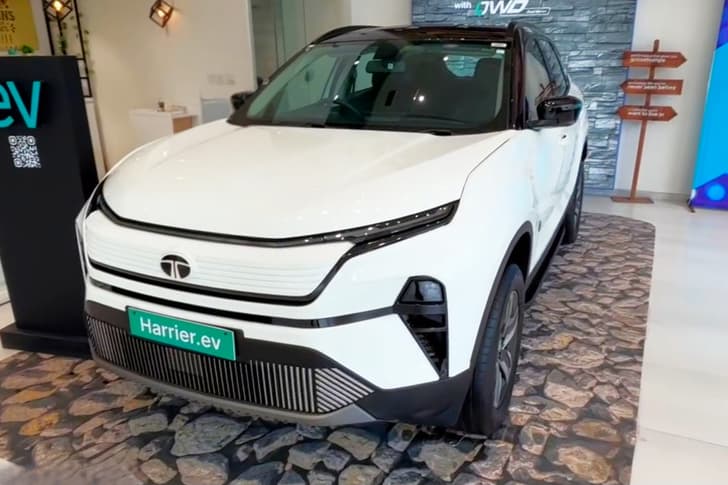
The Safari EV is expected to retain the Harrier EV’s battery and motor configurations, specifically 65kWh and 75kWh units with a single rear motor (RWD) as standard. To that end, a dual-motor AWD layout is anticipated to be offered for the Safari EV, too, since it’s available with the Harrier EV’s 75kWh battery option.
As for range, the Harrier EV delivers an ARAI-claimed 627km for its 75kWh RWD powertrain, 622km for the 75kWh AWD and 538km for the 65kWh RWD. Since the Safari is larger and heavier, expect its EV derivative to have slightly lower claimed range figures. Support for up to 100kW DC fast charging is also likely for the Safari EV.
Other enhancements the Safari EV is expected to carry over from the Harrier EV include an expanded set of terrain modes – Normal, Snow/Grass, Mud-Ruts, Sand, Rock Crawl and Custom – and a multi-link rear suspension with frequency-dependent dampers for improved ride comfort.
Which features do you want in Safari EV?
Tata Safari EV exterior and interior
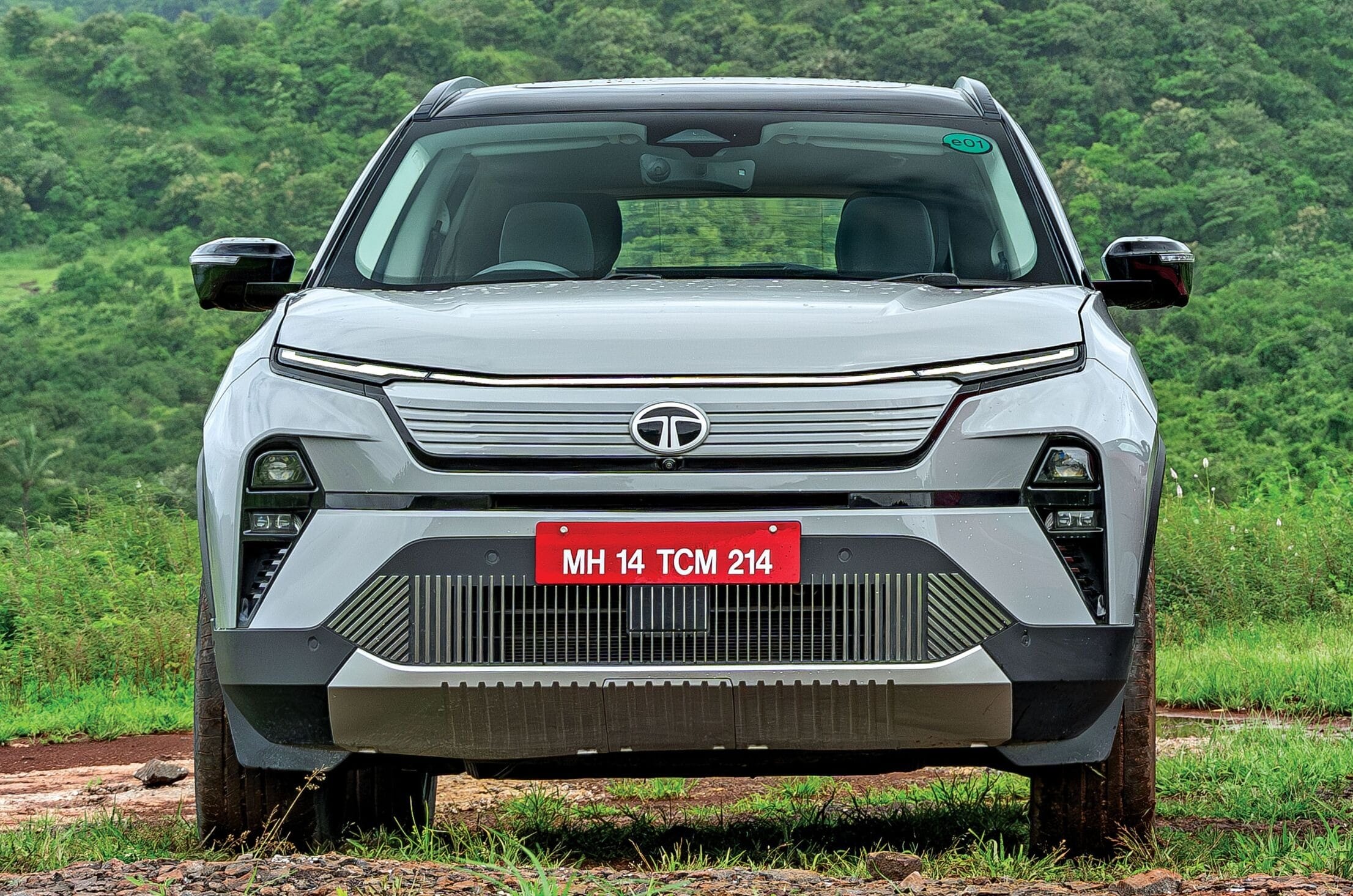
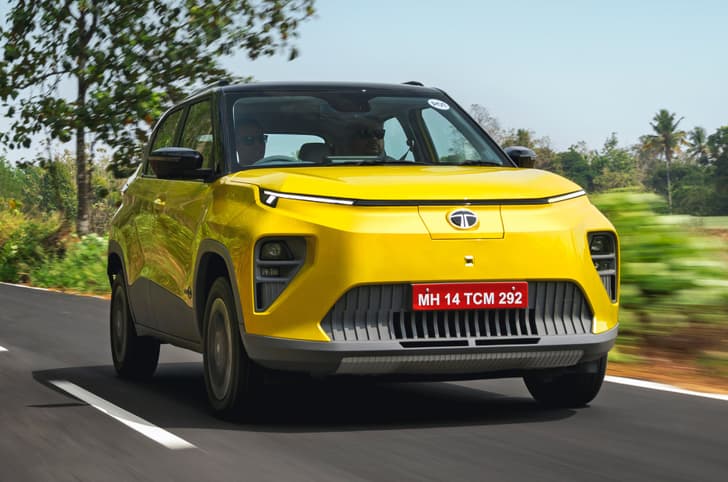
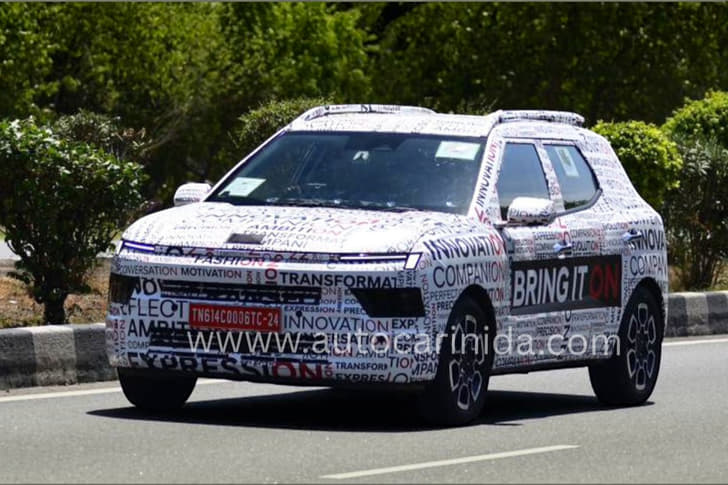
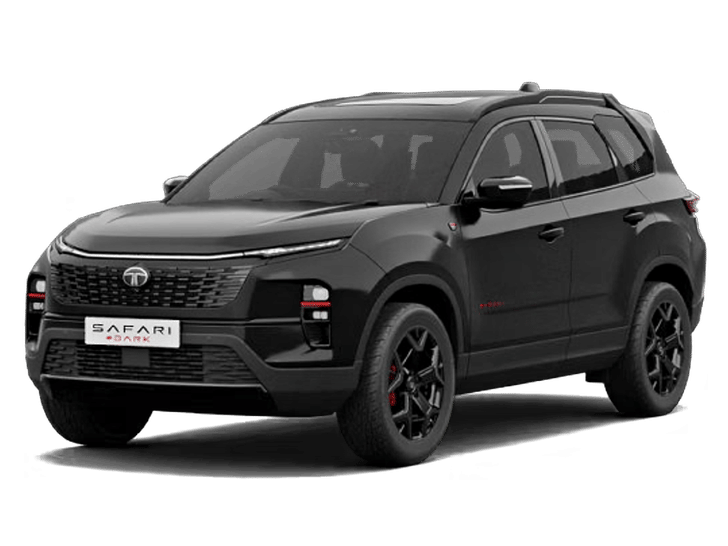
In line with other Tata EVs, the Safari EV is anticipated to sport minor styling changes, such as a closed-off grille section, slightly revised bumpers, EV-specific badging and aero-optimised alloy-wheel designs. Dimensionally, the Safari EV will most likely be identical to its ICE counterpart.
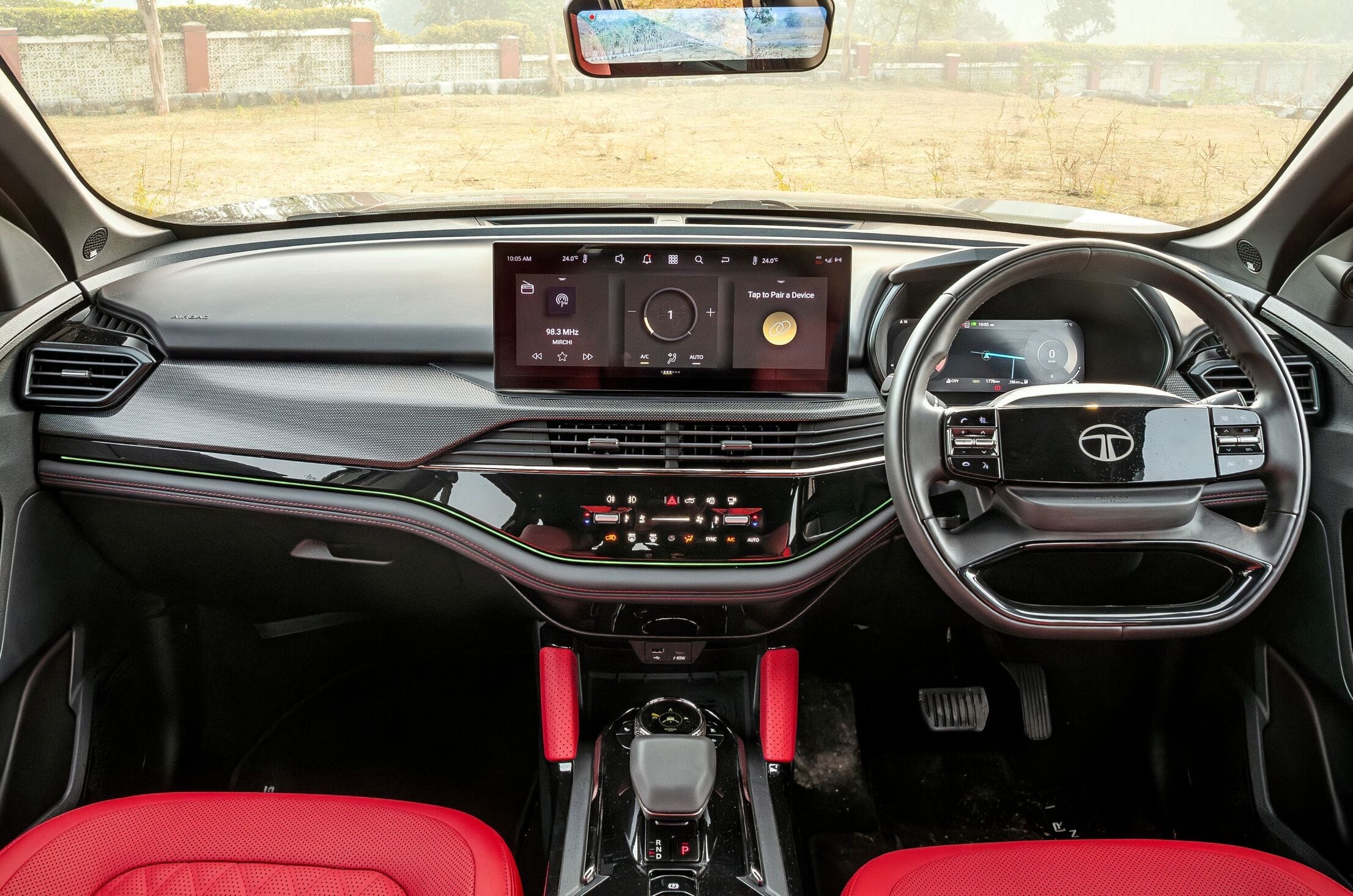
Similarly, the interior layout of the Safari EV is expected to remain unchanged from the ICE version. However, the Safari EV will reap the benefits of the TiDAL (Tata Intelligent Digital Architecture Layer) E&E architecture that was introduced with the Harrier EV.
What community is saying on the Safari EV?
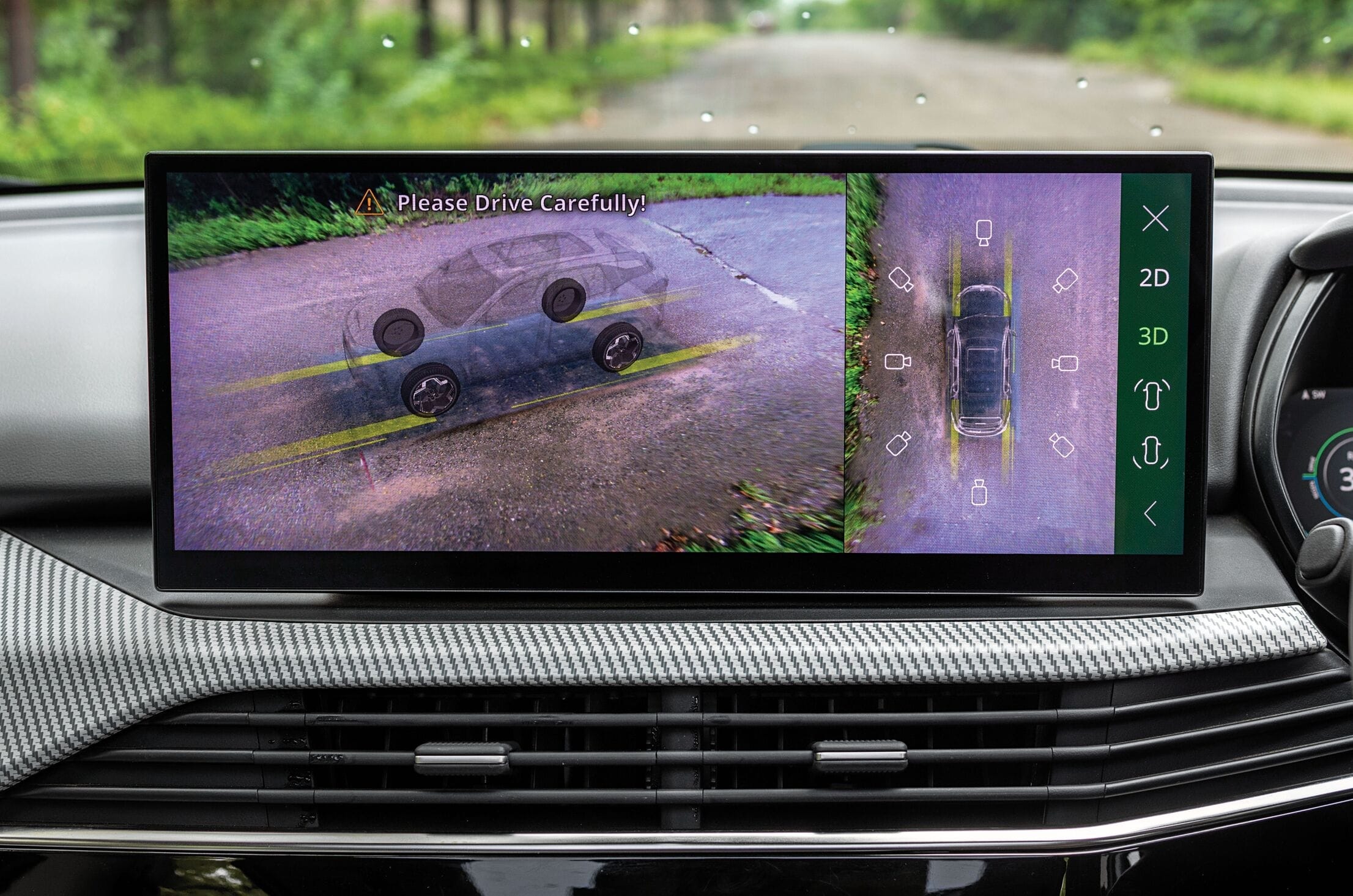
In the Harrier EV, TiDAL enables features like over-the-air (OTA) updates, a 540-degree surround-view function, better-calibrated Level 2 ADAS, auto-park assist, low-speed cruise control (Off-road Assist), a UPI-based in-car payment system (DrivePay), a summon mode to remotely extricate the car from a tight space and more.
Tata Safari EV launch details and price estimate
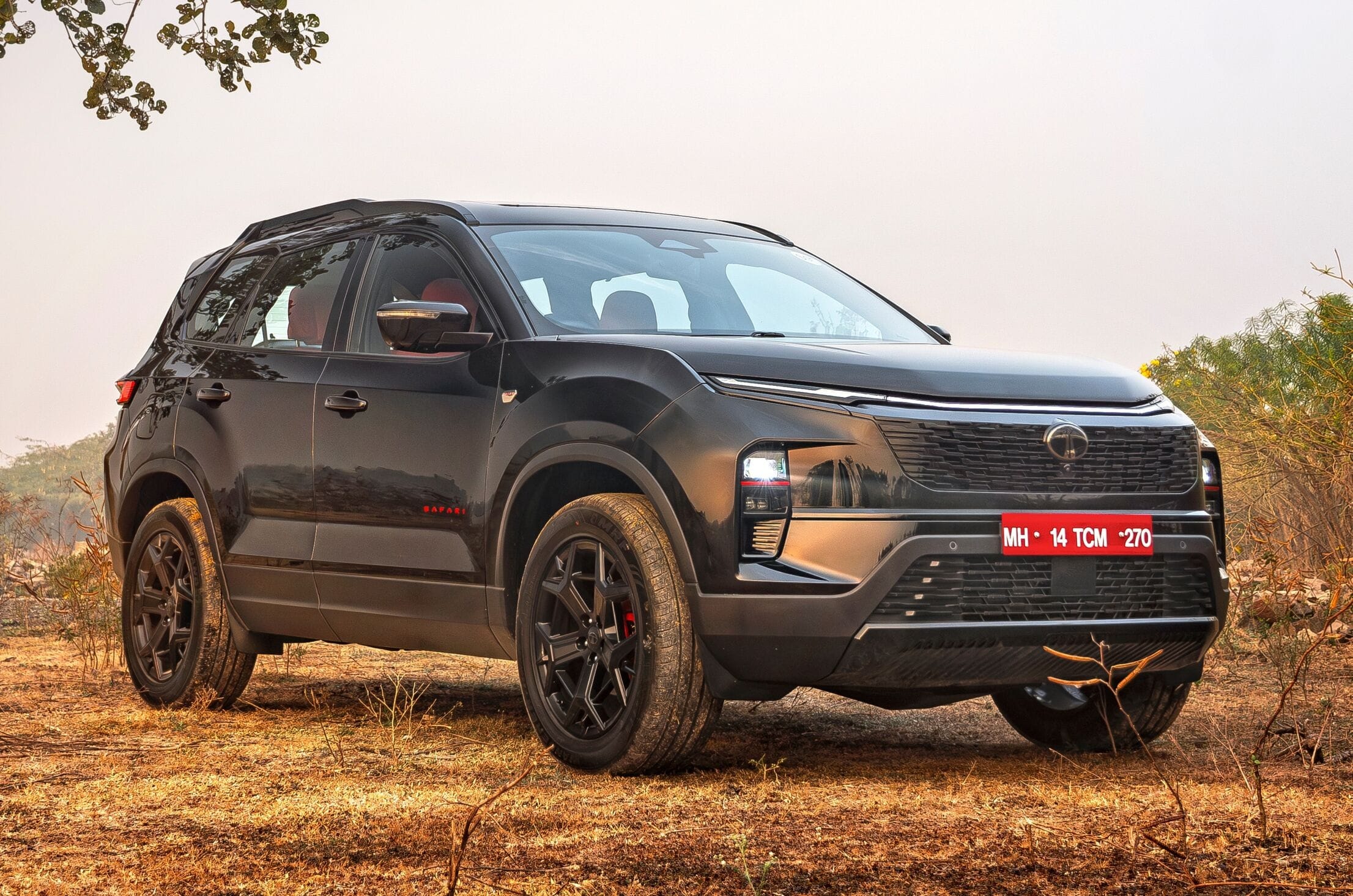
Tata is expected to commence production of the Safari EV by August 2026, ahead of the electric SUV’s planned festive season launch. Sharing its internals with the Harrier EV has allowed a quicker turnaround for the Safari EV. Notably, this will be the second powertrain addition to the SUV’s line-up in 2026, with the Safari petrol having launched earlier this year.
Incremental sales of 1,000-1,500 units expected
The Safari EV will also round out Tata’s electric SUV portfolio. Once it launches, every current Tata SUV will be available with both ICE and EV powertrains. The Safari EV is also likely to bring in 1,000-1,500 units of incremental sales for Tata.
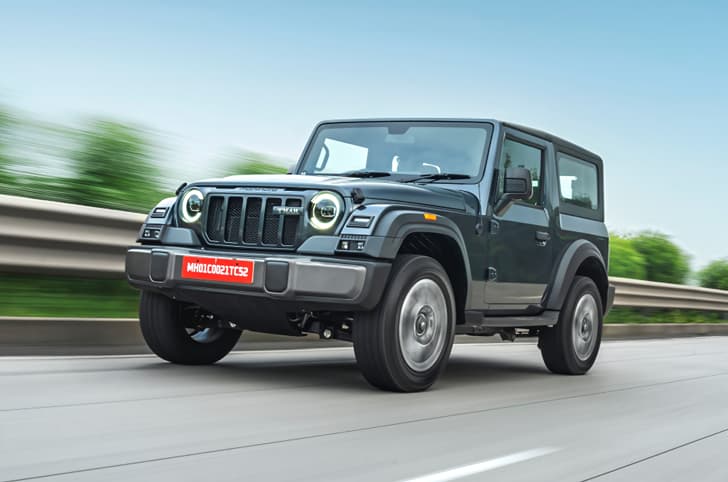
As for rivals, the Safari EV will primarily lock horns with the Mahindra XEV 9S, and could therefore be priced in the Rs 22.5 lakh-30 lakh ballpark. For reference, the Harrier EV price range is Rs 21.49 lakh-28.99 lakh (excluding charger costs and Stealth Edition cosmetic packages).
With inputs from Ketan Thakkar
All prices are ex-showroom, India.



 Dipan Sur
 Dhruv Dhaka