Autocar India
Introducing Badges

Every helpful action can earn a badge.

•3w

I am planning to buy a car but need an opinion between the Bayon and the Elevate.

Verified
•3w

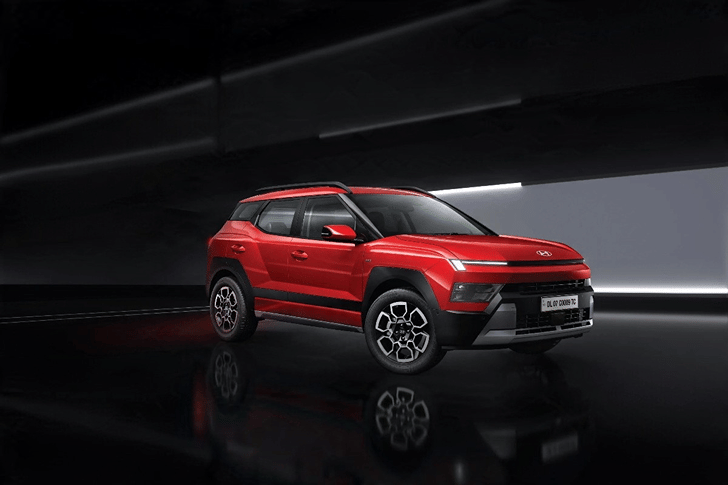
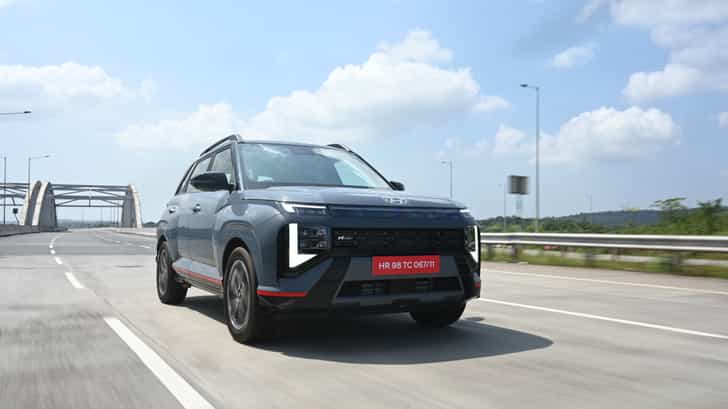
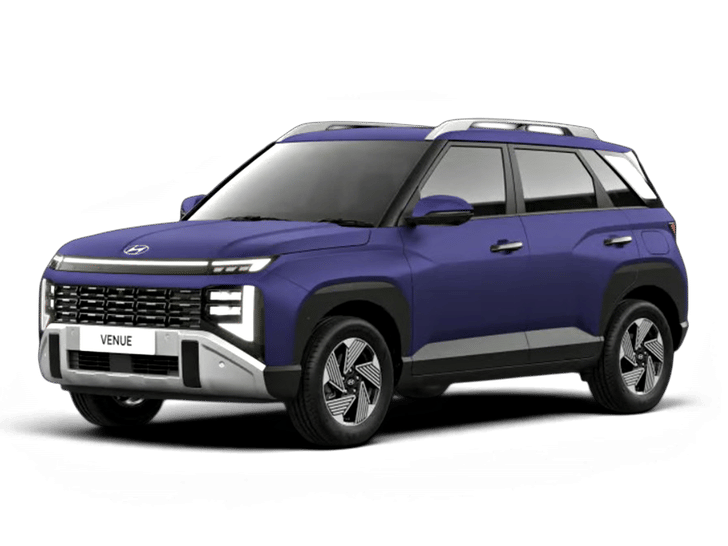
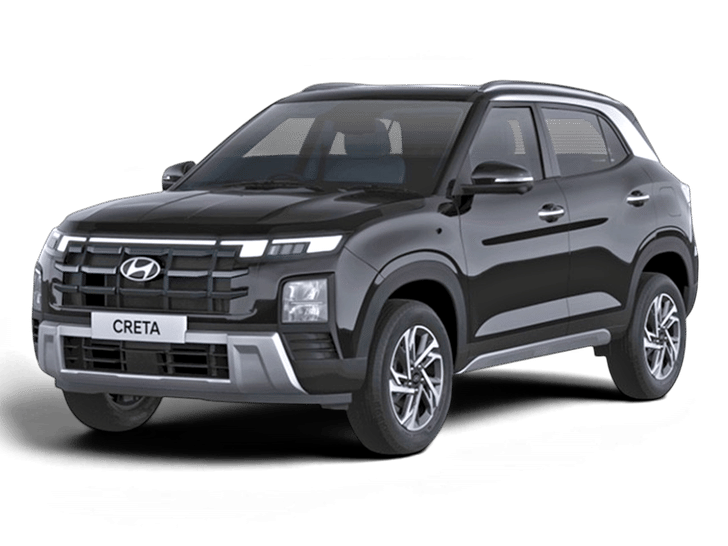
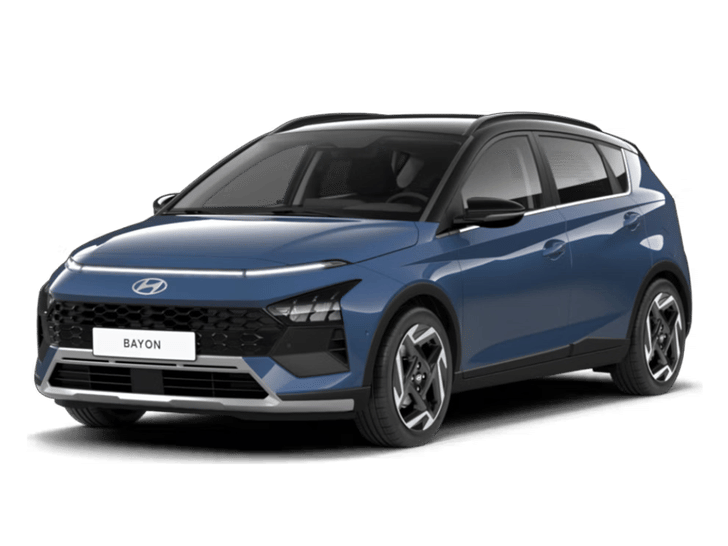
It is difficult to give a meaningful opinion on the Bayon against the Elevate without actually seeing and driving the India-spec Bayon. The India model is quite different from the European Bayon, and while we now know it will sit between the Venue and Creta, its exact positioning, ride quality, performance and real-world usability can only really be judged once the production car is driven. It is expected to use Hyundai's 1.5-litre naturally aspirated petrol engine, with CNG also likely to be offered.

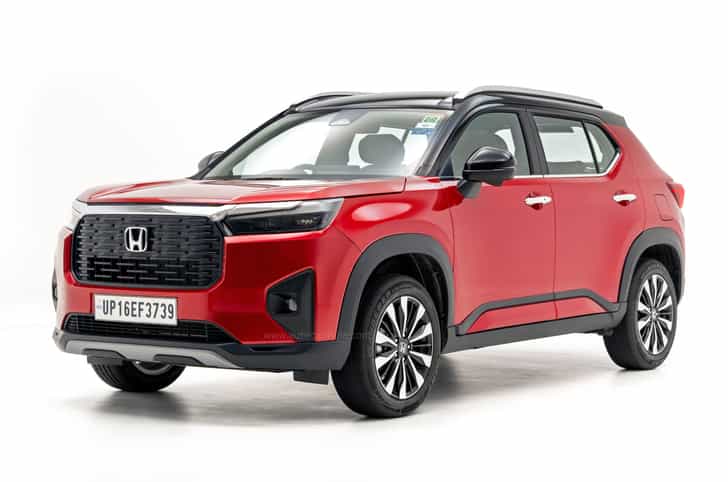
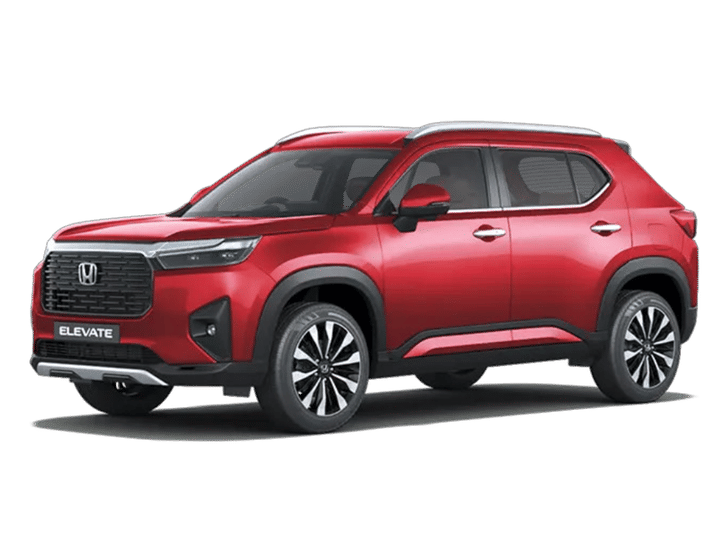
There is another reason not to rush into the Elevate right now. The Elevate facelift is just around the corner, with the India debut expected in early October. It is expected to get styling and equipment updates, while retaining the existing 1.5-litre petrol engine and CVT. Potential additions include ventilated front seats, a 360-degree camera and an updated touchscreen.

So this is one of those situations where waiting a little gives you a much clearer picture.

Hyundai Bayon

Hyundai Bayon

•3w•

@autocar.india ty so much and I agree. I meant elevate fave lift only. I paid 11k for advance bayon booking.. since both the vehicles not truly available for test drive. Thought u guys may have a advance sneek peak

•3w•

@anand.28 Go with Hyundai Bayon 👍

More posts on similar cars

•5d

Hi Autocar Team, I am currently driving a Hyundai Elite i20 Asta petrol manual. So far, I feel it is the best-designed car in its segment, offering great comfort and mileage that varies depending on traffic conditions. I was wondering if I could give it a facelift by replacing the front section with that of the new-generation i20. My second thought is whether I should wait for the new Hyundai Bayon or if a facelifted Hyundai i20 or Hyundai Verna is expected. I find the rear design of the new-generation i20 disappointing, and I still feel that the Elite i20 I currently own is the best-looking version. What are your thoughts?

Verified
•5d

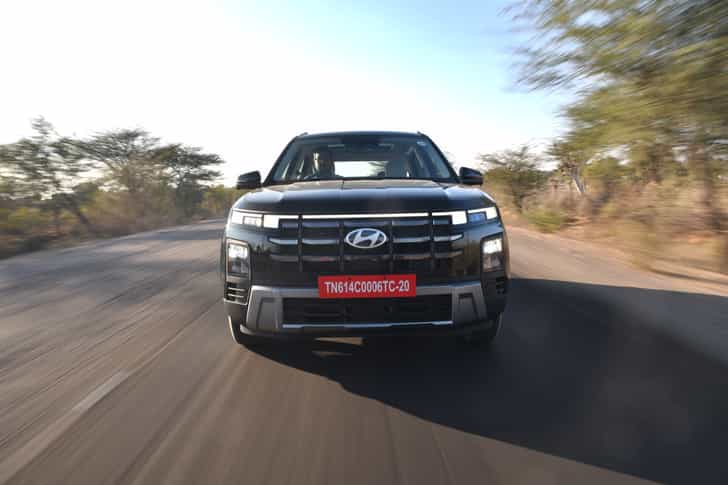
The best option is to hold on to your Elite i20 for now rather than modify its front end or replace it purely in anticipation of a new model. Since you value its design, comfort and fuel efficiency, a newer car needs to offer a meaningful improvement in those areas to justify the expense. A facelift using the next-generation i20's front end would also be a custom modification rather than a straightforward factory upgrade, with potential issues around body panels, lighting, fitment and insurance.The Hyundai Bayon is worth waiting for, particularly if you want something newer without giving up Hyundai's everyday usability. Its India launch is confirmed for 26 October 2026, with a 1.5-litre petrol engine and manual or IVT automatic options. However, Autocar India has not tested it yet, so its ride comfort, real-world mileage and driving experience remain to be assessed.There is no confirmed India launch date for the next-generation i20, while the Verna has already received a facelift in 2026. Since the Elite i20's design matters so much to you, replacing its front end with newer i20 components is unlikely to be a straightforward or cost effective modification.

VehicleHyundai i20
VehicleHyundai Bayon
VehicleHyundai Venue
•6d

Namaste Autocar Team, I am from Kolkata and am considering two cars within a budget of Rs. 15 lakh on-road: the Hyundai Venue HX7 diesel manual and the Kia Syros HTK+ (O) diesel manual. My monthly running is around 1,500-1,750 km, with a 90:10 split between city and highway driving. I mostly drive in the city, and my 2017 petrol Hyundai i20 is becoming expensive to run. Hence, I am considering a diesel car, although I am not interested in an EV at the moment. Which of these two cars would be a more practical and reliable choice for long-term ownership, considering a 10-year ownership period, service costs, comfort and mileage? I am tempted by the new Venue, but the Syros offers slightly more rear-seat and boot space, which is important for my family of four. I would appreciate your honest opinion and observations.

Verified
•5d

The Kia Syros HTK+O diesel manual is an excellent option. For your usage, a diesel car makes sense, and the Syros is the more practical long-term choice. Thanks to its boxy cabin and adjustable rear seats, it gives you the flexibility to free up more rear seat space for passengers or increase boot space. Its cabin experience also feels more premium than the Venue. The Syros and Venue share their 1.5 diesel powertrain, but do keep in mind that since your usage is mainly in the city, you will have to periodically drive the car at high engine speeds for 20-30 minutes to ensure the diesel particulate filter doesn't clog up.Hyundai has a wider service network than Kia, and its ownership costs are likely to be a bit lower, if not similar, to the Kia's. However, the cost difference is only going to be marginal. Overall, the Syros is a good family car, and if you like its design, it is a sensible choice.

VehicleKia Syros
VehicleHyundai Venue
•1w

Hello Autocar Team, I’m planning to buy a Tata Sierra diesel and would really value your advice. I’ll be driving mostly in Hyderabad, with city traffic accounting for the majority of my usage and occasional highway trips. Could you please help me with a few questions? 1. Is the Tata Sierra a good buy right now? How is it performing in the market, and has it been a sales success or a flop? 2. What is its real-world diesel mileage in city traffic and on highways, based on your tests? 3. How are its build quality, reliability, and long-term ownership prospects? 4. How good are Tata’s service network, spare parts availability, and running costs, especially in Hyderabad? 5. Given my annual running of around 12,000-15,000km, is the diesel worth the premium, or would the petrol version make more sense? 6. How does it compare with rivals such as the Hyundai Creta, Kia Seltos, and Mahindra XUV700 for my usage? Thank you for your time. I look forward to your guidance.

Verified
•5d

Given your usage of 12,000-15,000 km a year, the Tata Sierra diesel makes sense. It is certainly worth the premium over the turbo-petrol version due to its real-world fuel efficiency advantage. In our tests, the diesel-automatic version returned 11.5kpl in the city and 14.5kpl on the highway, but with smoother-flowing traffic, you could extract even better efficiency; the diesel-manual is likely to deliver even better numbers.To answer the second part of your question, this Tata car is well accepted by the market, and it is Tata's third-best-seller (after Nexon and Punch), even outselling the Tata Tiago hatchback in some months.The Sierra is a solidly built SUV, and Tata has made improvements in reliability over the past few years. That said, owners have report some niggling issues, and Tata's service experience isn't consistent and it can be a hit-or-miss. The engine however seems largely reliable, and mechanically, it seems sound.The Sierra stands out for its impressive road presence, excellent ride comfort, and spacious cabin and large boot, making it a better family car than the Hyundai Creta or Kia Seltos. Its engine refinement isn't as good as its Korean rival, and it still lacks their finesse. The Mahindra XUV 7XO belongs to a segment above - it is larger in size, pricier, and its diesel engine is far more refined, punchier and overall it feels like a more sophisticated SUV. If the Sierra diesel has bowled you over, go for it - it is a good car. But if you can stretch your budget, the Mahindra XUV 7XO is the better buy.

VehicleTata Sierra
VehicleTata Tiago
VehicleHyundai Creta
VehicleKia Seltos
VehicleMahindra XUV 7XO

Has E20 fuel affected your mileage?

Is ADAS worth paying extra for in a car?

Popular discussions right now

•1w

Hi Autocar Team, I am planning to buy a seven-seater car. I have test-driven the Renault Triber Turbo and Citroen Aircross X and was impressed by what both offer at their price points. However, the Aircross put a wide smile on my face. As a current Maruti Suzuki user, I did not consider the Ertiga because it feels similar to our Swift. I liked the Aircross X but am sceptical about Citroen's service network and spare parts availability. However, there are three Citroen showrooms within 45 km of my place. Please suggest which car I should choose. My budget: Rs. 15 lakh Current vehicle: Second-generation Maruti Suzuki Swift petrol (2017) Annual usage: Around 10,000 km, with a 50:30:20 split between town, highway and city driving Requirement: A seven-seater car

Verified
•6d

The Citroen's interiors feel more special, its engine is more powerful, and its ride-handling balance is outstanding; however, for seven adults, it won't be as comfortable as the Triber.In fact, the Triber's superb packaging makes it genuinely comfortable for passengers in all three rows, despite its compact sub-4-meter dimensions. The new turbo-petrol engine makes it an effortless performer, and its ride quality feels very mature too. Moreover, the Triber Turbo is also much more affordable in comparison, making it outstanding value for money. Yes, the Aircross X will appeal to your heart, but given Citroen's limited service network and cramped third row, the Triber Turbo is the more sensible choice.

VehicleRenault Triber
VehicleCitroen Aircross

Upcoming launch buzz

Community discussions on upcoming launches
Add a photo of your Bayon

First sightings, real road conditions, delivery buzz

Posted on: 26 Sept 2026