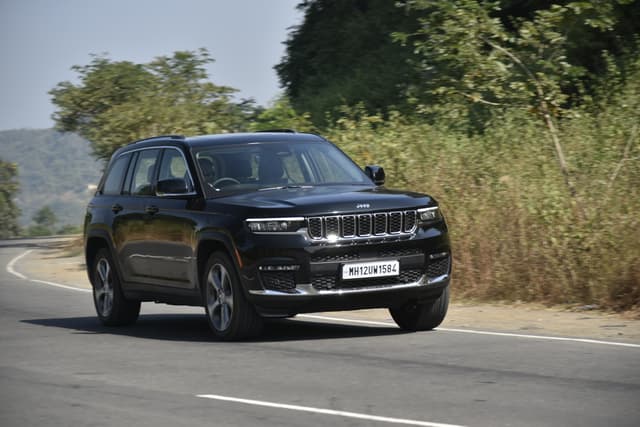
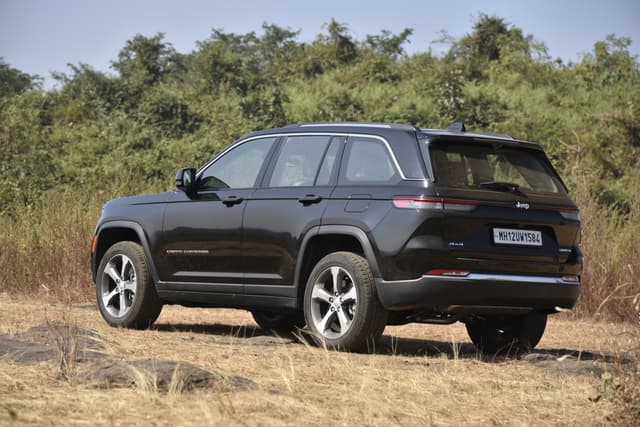
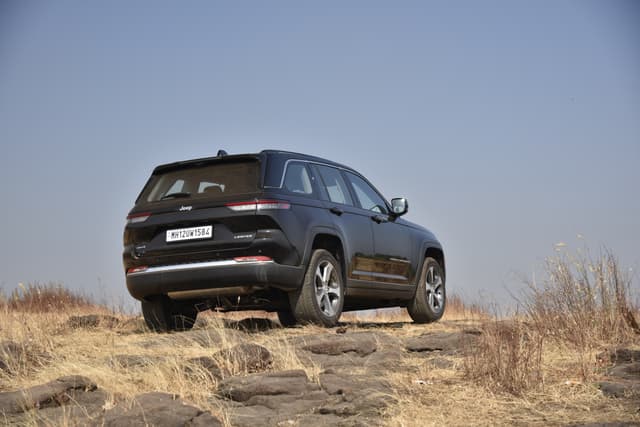
Jeep cars in India (5)
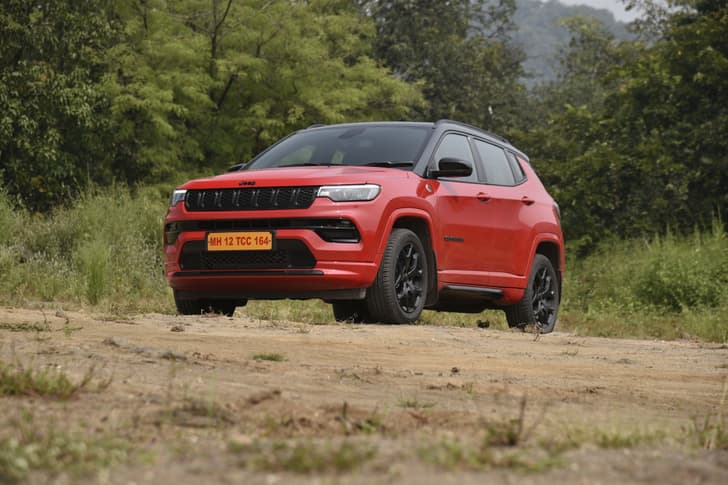
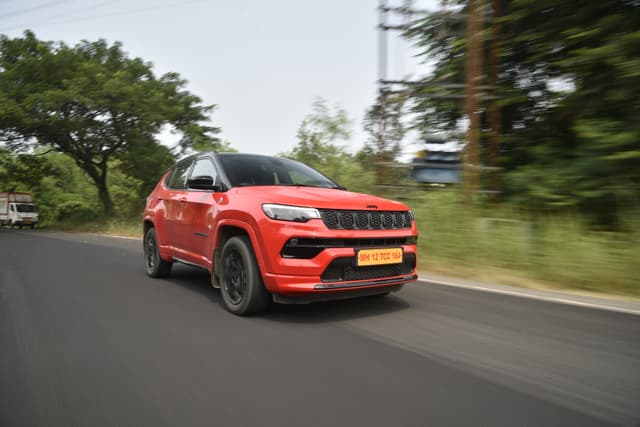
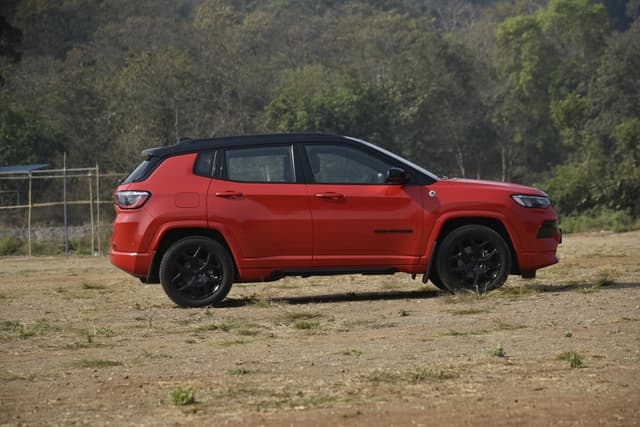
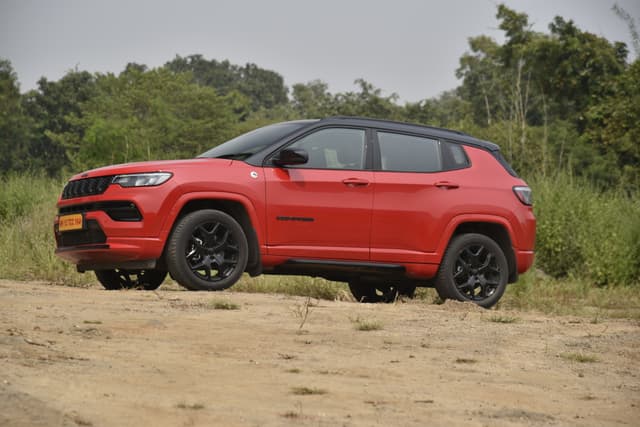
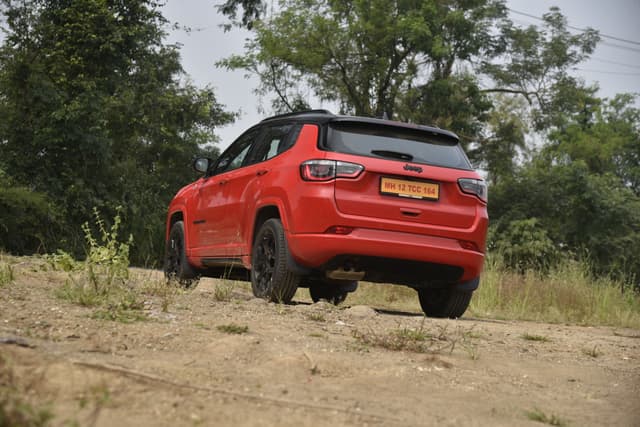
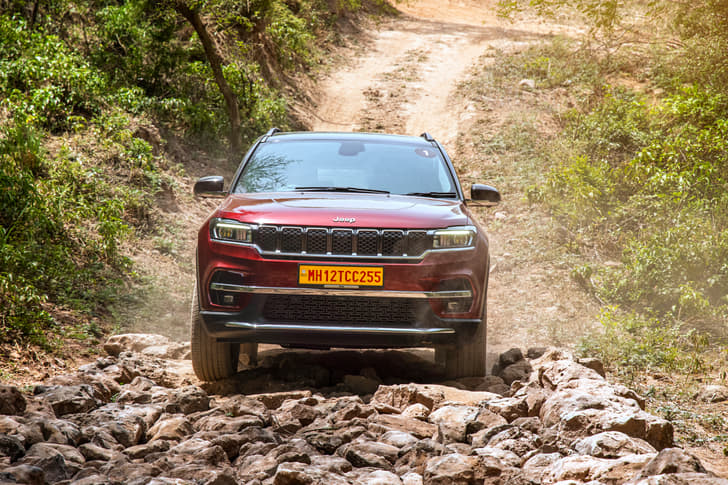
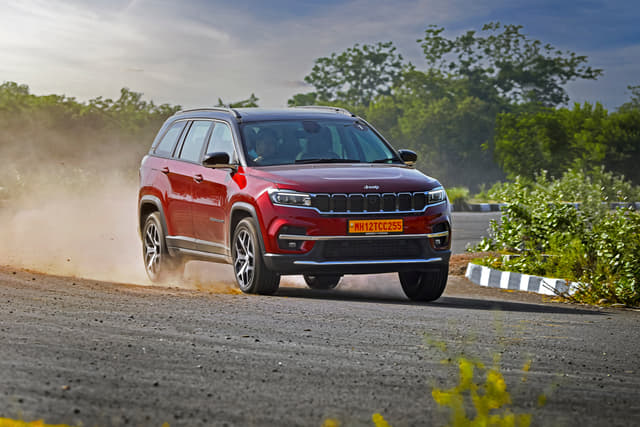
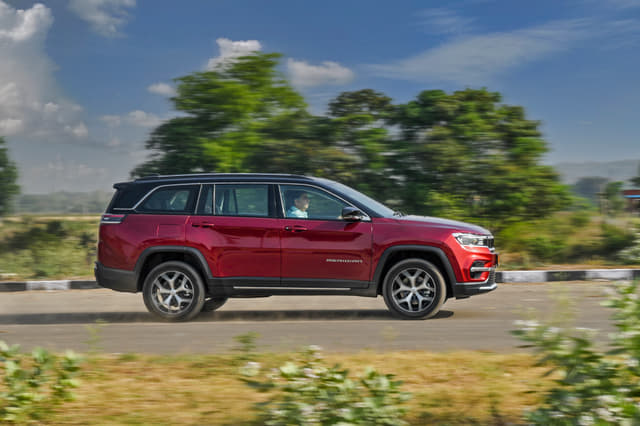
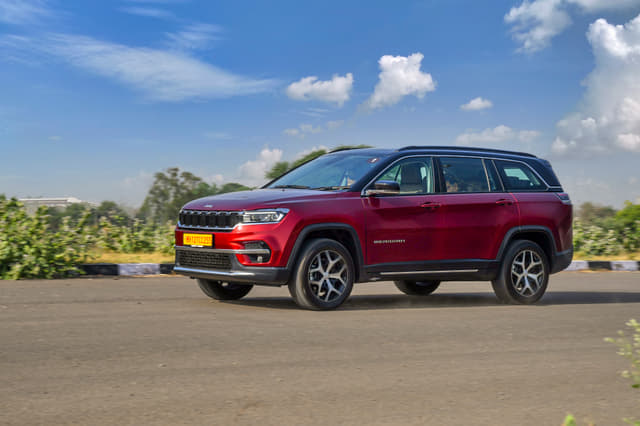
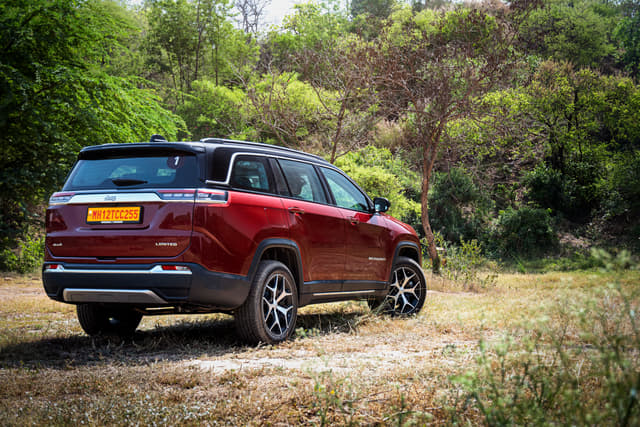
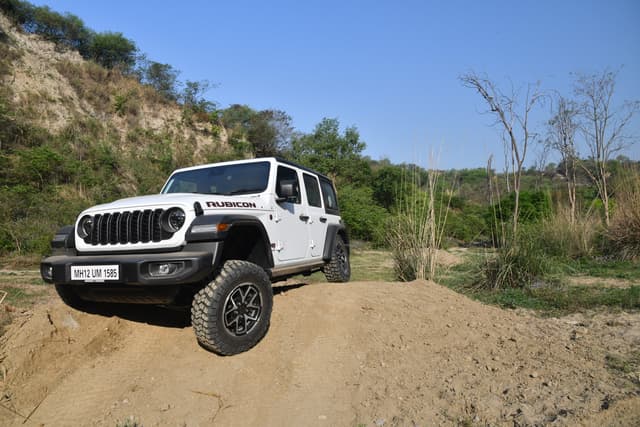
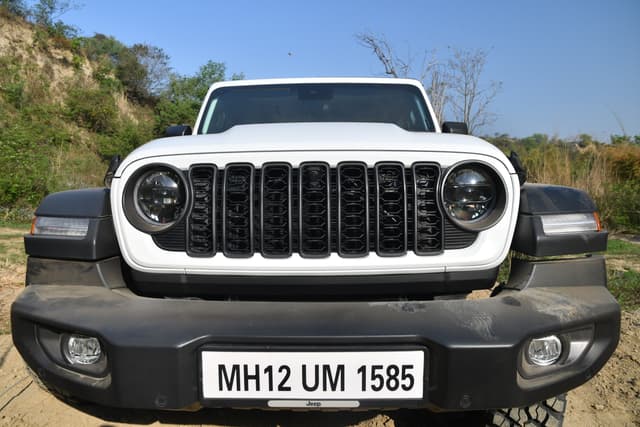
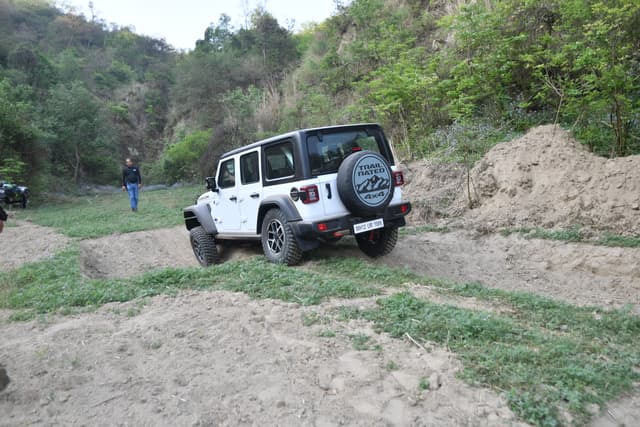
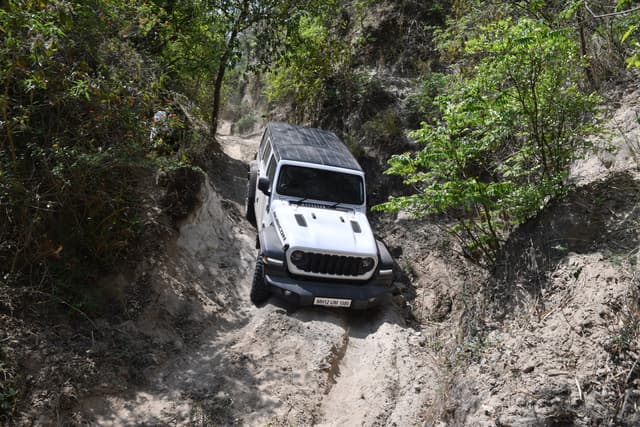
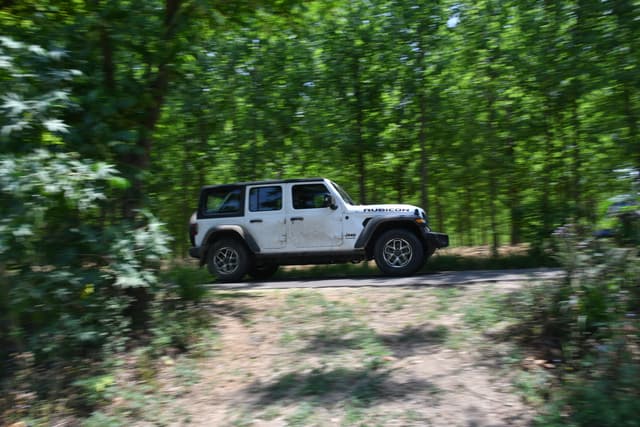
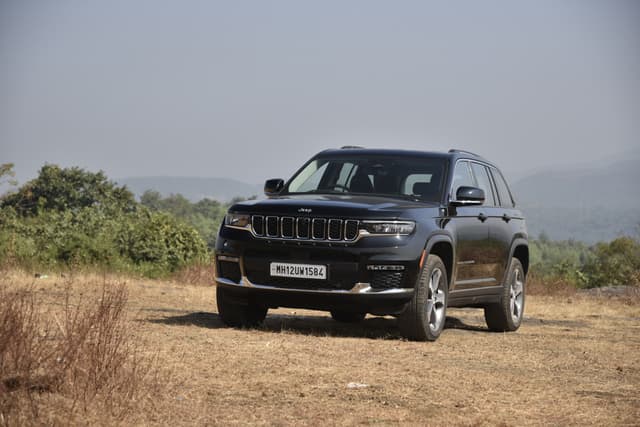
Jeep was officially introduced to the Indian market in 2016 by the erstwhile Fiat Chrysler Automobiles (FCA), which was absorbed by Stellantis in 2021. Known for an all-SUV line-up, some of the most popular Jeep models in India include the Compass and Meridian. The upper end of the Jeep portfolio is occupied by the iconic Wrangler and Grand Cherokee nameplates. Both the Grand Cherokee and Wrangler are assembled in India.


FAQs
As of July 2026, Jeep sells 4 models in India: Compass, Meridian, Wrangler, and Grand Cherokee.
Each and every Jeep model sold in India gets a four-wheel drive (4WD) variant, a technical feature that the American brand is based on. While there are a few other automakers that offer models with 4WD, it's primarily Jeep that makes nothing but SUVs or 4x4s.
Compared to brands that sell models in the Rs 20-70 lakh price range, Jeep's sales numbers are much lower in India. While most established premium brands manage to sell more units annually, parent company Stellantis hasn't given up on Jeep in India.
Officially known as the Stellantis India Asia Pacific Strategic Plan Jeep 2.0, this will see the American brand strengthening its activities in India. Jeep will not only use the Ranjangaon facility to produce models for the domestic market, but it will also export models for overseas markets. The strategy also targets 90 percent localisation.
Trending Questions on Jeep Cars - Answered by Autocar Experts
Hi team, I already own a 2022 Tata Safari and want to replace it with a more powerful, comfortable, and feature-rich SUV. My budget is Rs. 35 lakh (on-road). I checked out the MG Majestor, but it is out of my budget, as the on-road price is around Rs. 48 lakh. I also looked at the Toyota Hycross, but I didn't like its interior. Kindly suggest the best 7-seater SUV within my budget. I usually drive in the city, covering around 30-40 km daily, and take one or two trips to hill stations every year.
At this price point and with your requirements, there isn't much choice available so the Mahindra XUV 7XO diesel would be the most sensible option. It offers a more powerful diesel engine, a more refined driving experience and a premium cabin with a strong feature set. The diesel engine is punchy and well suited to both city driving and occasional hill station runs. The third row is not as spacious or comfy as your Tata Safari but it is usable. If the Mahindra car does not feel like an upgrade, you could consider the Jeep Meridian. It would feel larger and has a premium and classy cabin. The diesel engine of this Jeep car is the proven and familiar 2.0 litre multijet unit - the same engine that powers the diesel Safari. The Meridian will also do well for your long drives to hill stations as the ride and handling balance is outstanding with a secure handling for the ghats, good highway stability at higher speeds and a well judged ride quality over broken roads.
We currently own a 2018 Hyundai Creta, but my mother is retiring next year and loves big cars. I'm looking for a 7-seater, preferably with a manual transmission, and my budget is around 45 lakh. The car will be used 90% on highways and 10% on rough roads. She likes the Mahindra Scorpio, but I'm not keen on it because of concerns about Mahindra's service centers. What would you recommend?
Pick the Toyota Innova Crysta diesel manual. For 90% highway use, it just eats distance, the seats are genuinely comfortable for seven, and the diesel’s easy torque makes overtakes calm even with luggage. It is a proper big, tough, ladder-frame car, so your 10% on rough roads is no worry, and Toyota’s service reach and consistency are a clear step up from what you’ve seen with Scorpio.The catch is that it is not a true 4x4, so deep slush or serious trails are off the menu, and it will not wow anyone with gadgets. If you want a more SUV-looking option and still a manual, the Jeep Meridian diesel manual is worth a look for its sharper cabin and nicer highway manners, but for space, toughness and hassle-free ownership, the Toyota car fits your brief best.
I am having a Volkswagen Vento diesel automatic 1.5 TDI high line plus from 2016, and now I am planning to change the car, mostly driving in the city with 2-3 long highway trips in the desert and hills with some adventure. And my annual running is approx 10000 km. And my budget is approx 35 lakhs. Pls suggest a suitable car.
Get the Jeep Compass diesel automatic, ideally the 4x4, because it stays easy in the city yet feels rock solid on highways and can handle desert sand, and hill climbs without stress. You are coming from a Vento, so you will like the Compass’s tight body control, strong mid-range pull, and the calm way it cruises. The 4x4 brings real traction for soft sand and steep trails, plus good ground clearance, but it still parks like a midsize SUV, not a barge.With 10,000 km a year, diesel is fine if you do a decent weekly run to keep the system happy. If your budget is strict at Rs. 35 lakh on-road, the 4x2 automatic will fit and is still great for bad roads and long trips, just not deep sand.As an alternative, you can also look at the AWD Mahindra XUV 7XO, off-road it will not be as accomplished as the Compass, but it will be more than enough for basic trails and light off-roading.
Hello Autocar team, This question is in two parts. I am tearfully moving on from my beautiful Ford Endeavour 3.2 Titanium AT and am in the market for a new vehicle. Priorities are good ground clearance (laden), a powerful and responsive engine, and preferably a 4-by-4 or AWD. The second part is the tough one. Situated in Delhi NCR, do you think it makes sense to go for diesel again? Because my boxes are mostly ticked only by diesel powertrains, and the petrol ones are either too expensive (Kodiaq), or too small (e.g., the Jimny). Can you please help?
4WD SUVs are getting rarer by the day, but given what you're looking for, the best fit is the Mahindra Thar Roxx. For the price, it feels the closest to your Endeavour in the stuff that matters - proper 4x4 with low range, generous ground clearance even when loaded, and a strong 2.2-litre diesel that responds eagerly. The Roxx's new-gen chassis is Mahindra's best ladder frame yet, soaking up rough roads without breaking a sweat and handling highway duties reasonably well too. It's also gotten a lot more liveable than previous Thars, with genuine space, premium feel and creature comforts.There's the Jeep Compass and Meridian too, but their interiors won't feel spacious enough after your Endeavour, and on the other end are the MG Majestor and Toyota Fortuner, though those are likely to be out of budget. Of the petrols, the Kodiaq is probably the best AWD bet, but as you said, it is too expensive. A few-year-old example of any of these, however, might be a good option.On diesel in NCR, it might still make sense, if you can make your peace with the 10-year cap - and the associated resale value hit. You may see the odd winter restriction put into place, but new BS6 diesels have generally been clear of those. It's not an easy decision, but if it's for a car you'll enjoy, and you can work out a shorter ownership cycle that suits your needs, it can still work.
Want to replace my S-Cross. Please suggest a car around Rs 30-35 lakh.
Without knowing more about your requirements and usage pattern, it is hard to pinpoint the ideal car for your needs. However, for someone upgrading from a Maruti Suzuki S-Cross, the Mahindra XUV 7XO is a great option.You'll appreciate the 7XO's suspension comfort and high-speed manners, and will be pleasantly surprised by performance, especially if you are upgrading from the 1.6-litre diesel S-Cross. The Mahindra's 2-litre petrol engine and 2.2-litre diesel unit score very high on power and refinement. Space is also aplenty, making the XUV 7XO feel like a proper jump up from the S-Cross. The XUV 7XO also packs in a whole lot of new-age features, giving you a strong sense of value for money.Alternatively, you could look at the Jeep Compass, which has the same global product vibe as the S-Cross had. However, service and reliability are a notch down on Mahindra.
Last Updated on: 20 Jul 2026