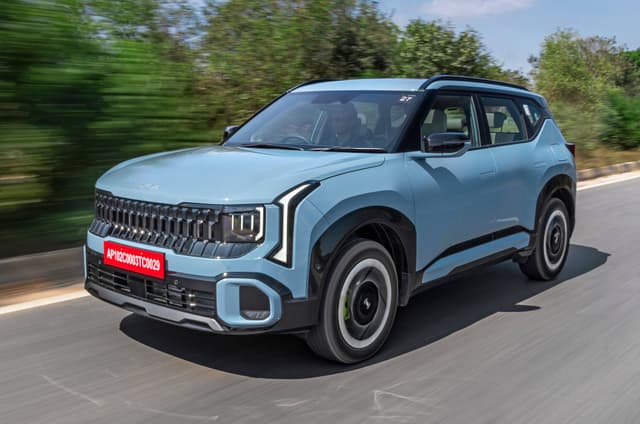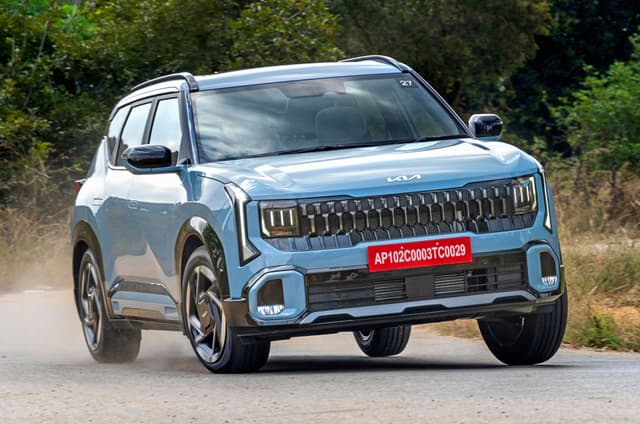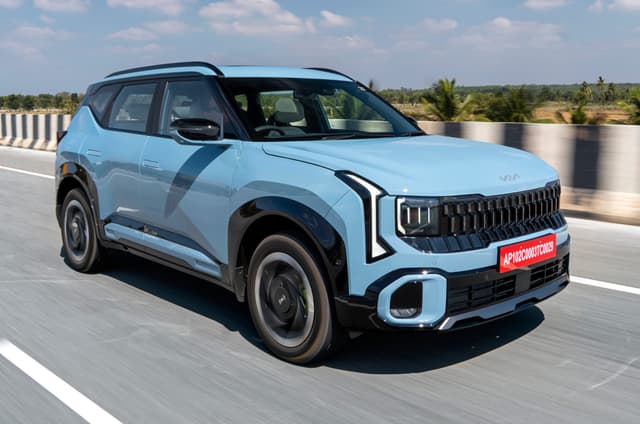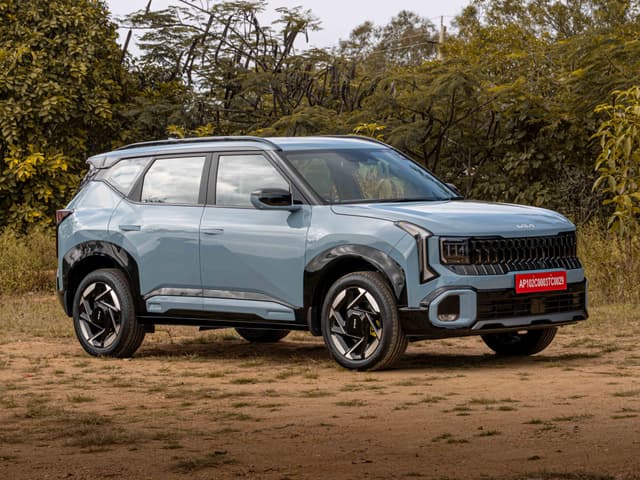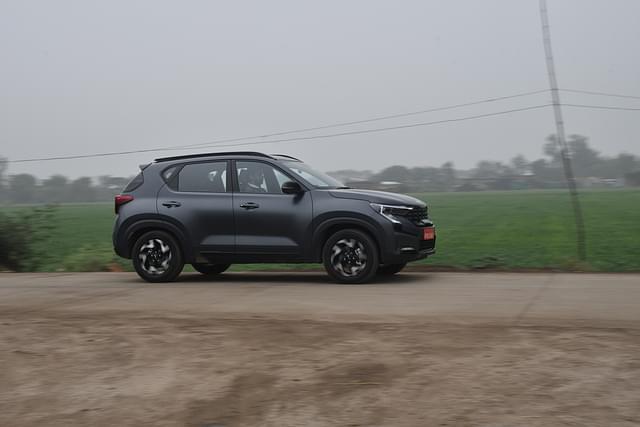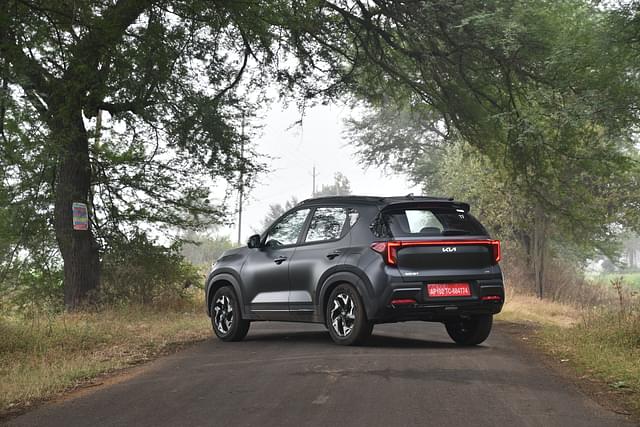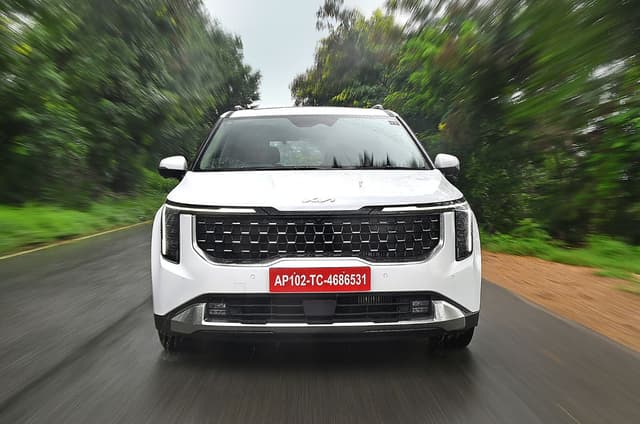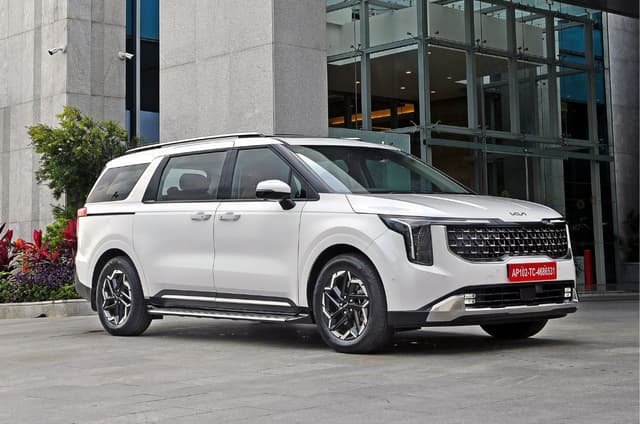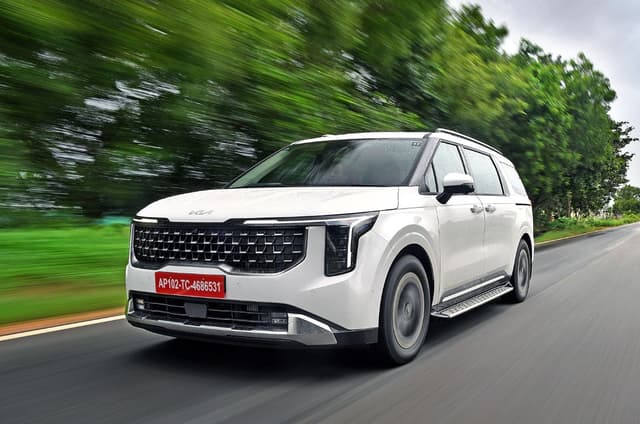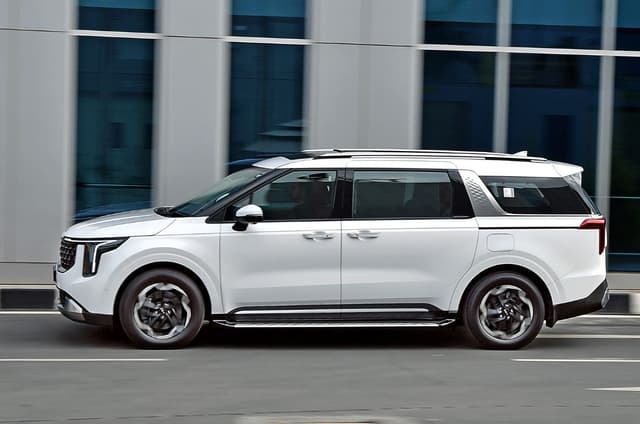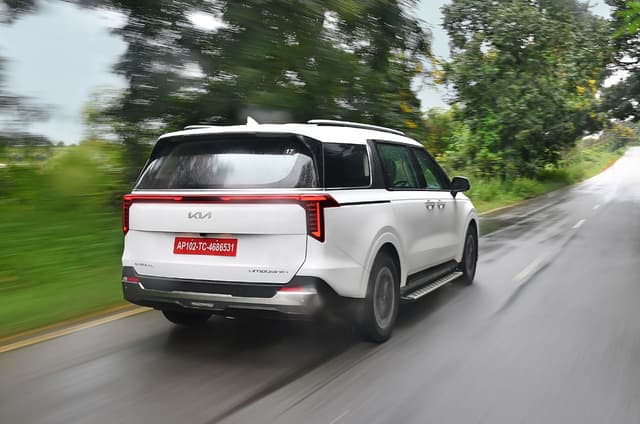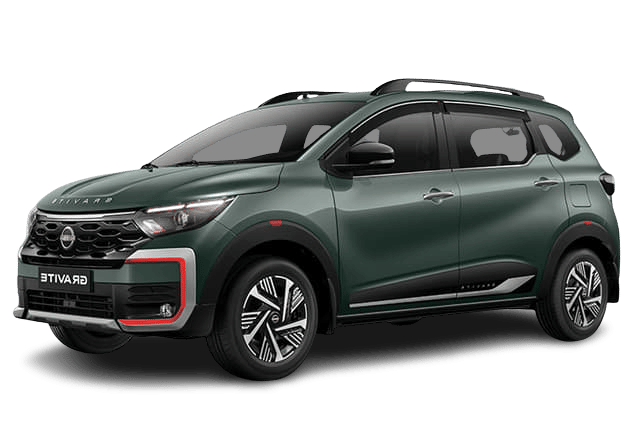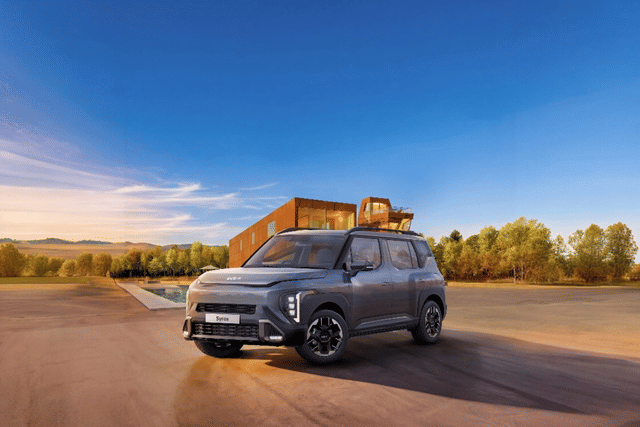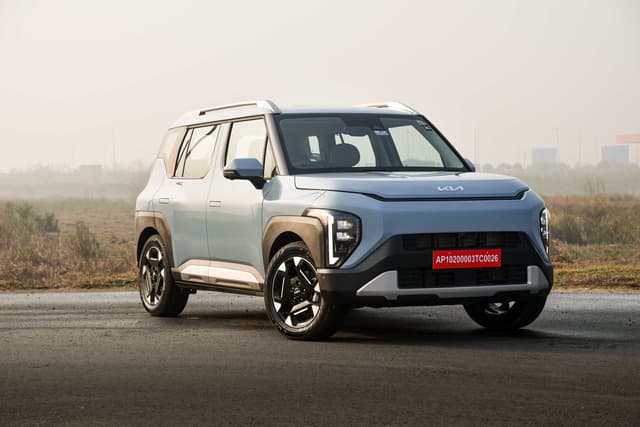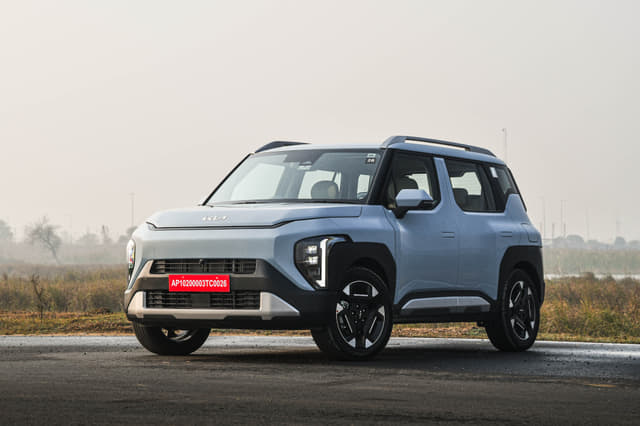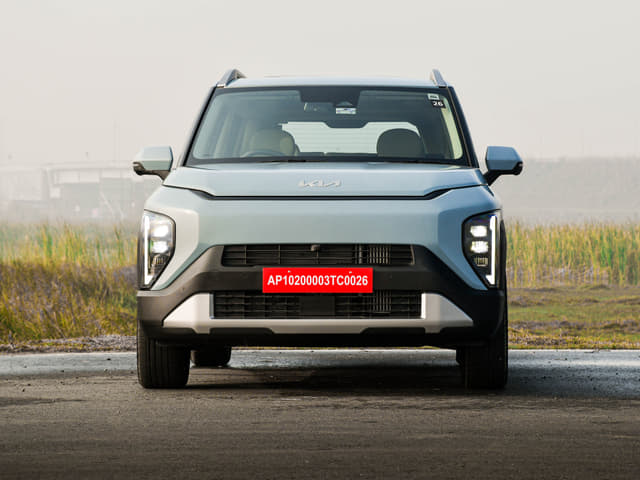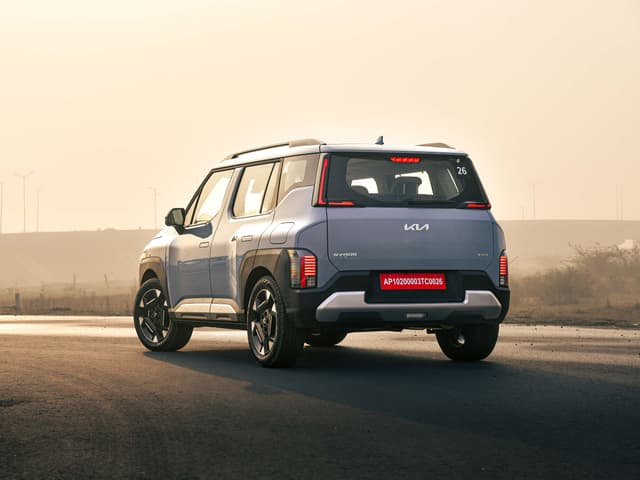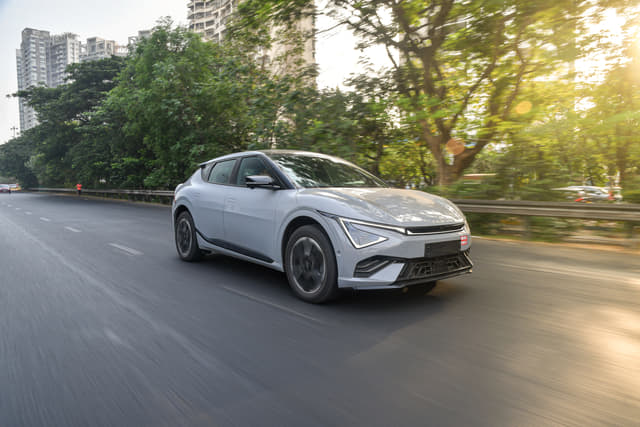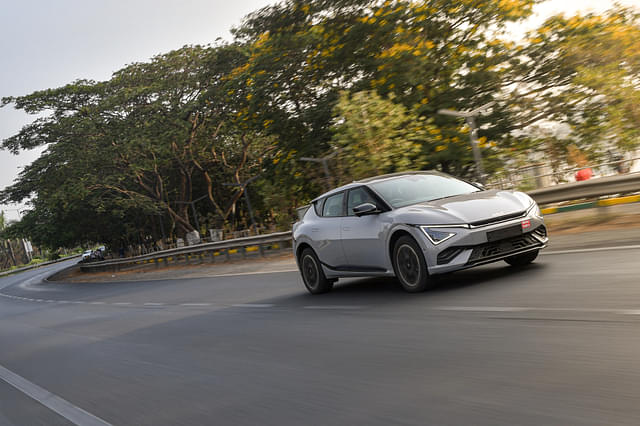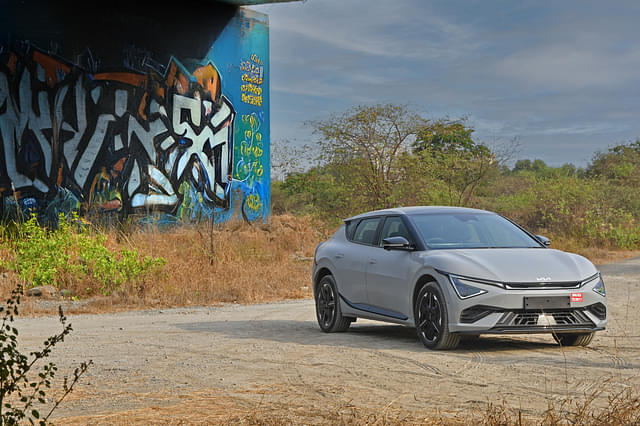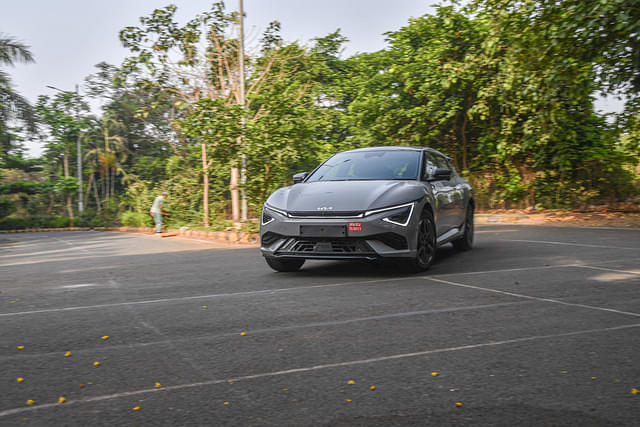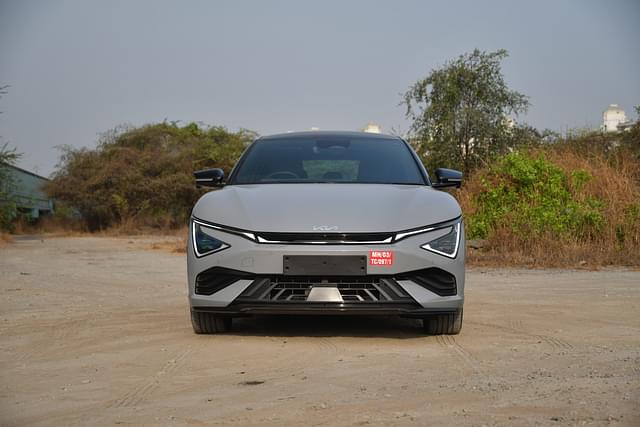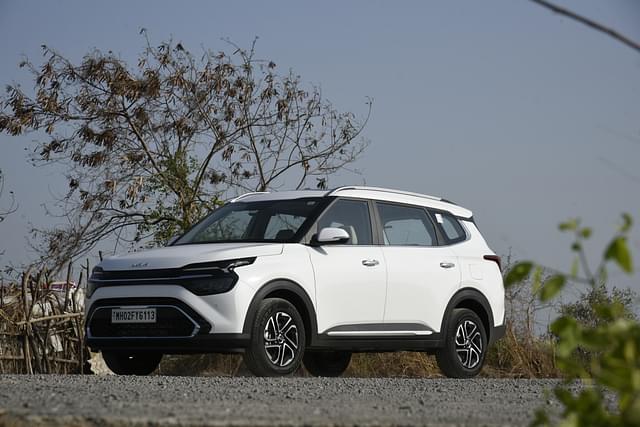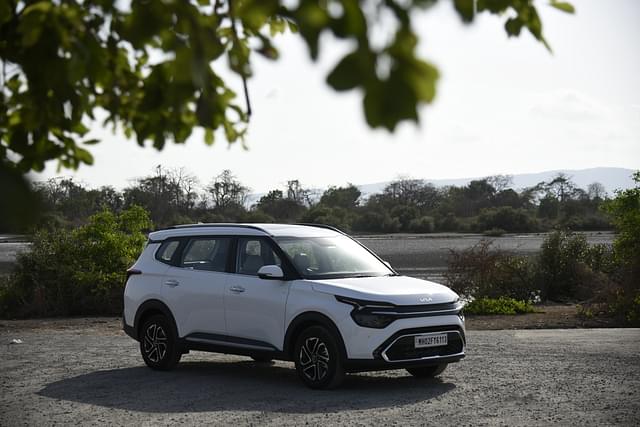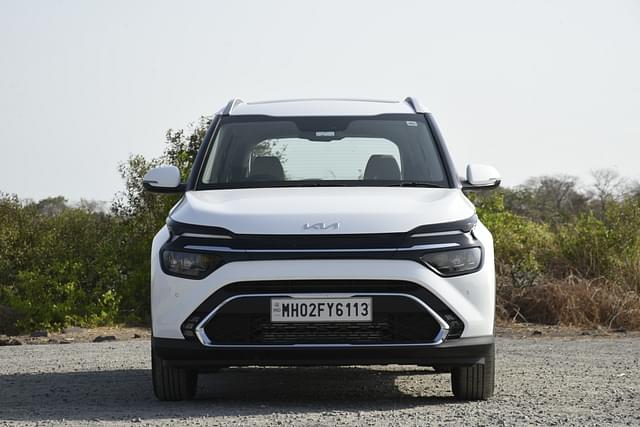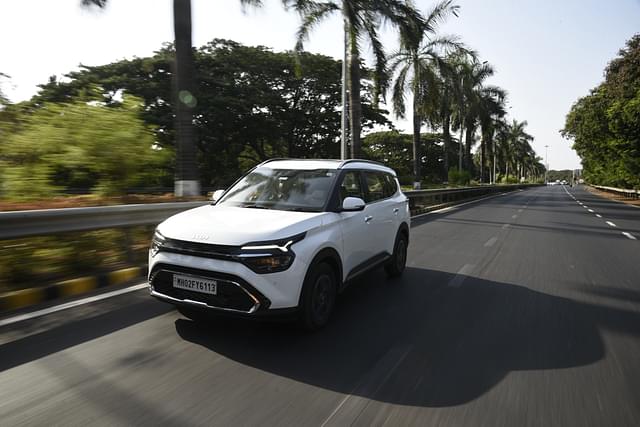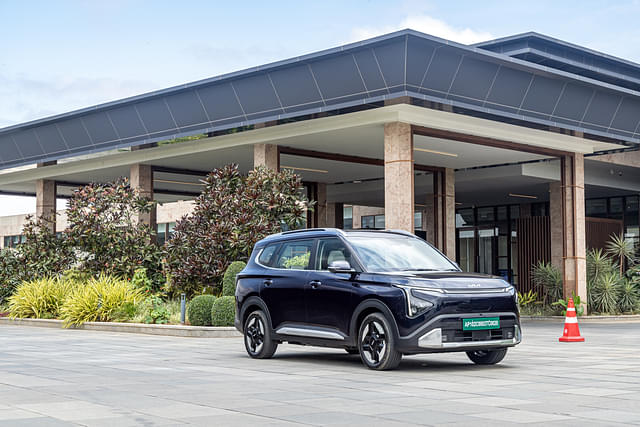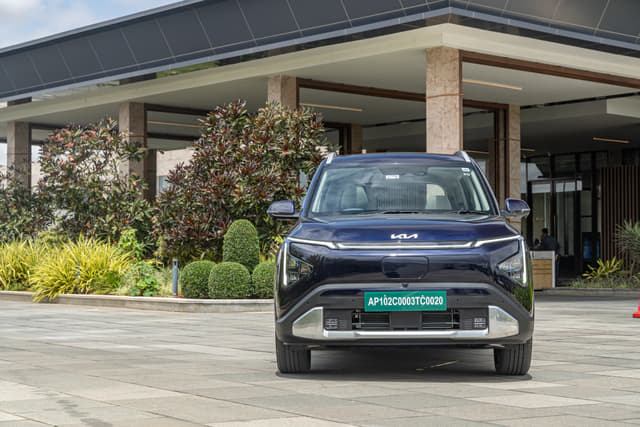

Kia cars in India (12)
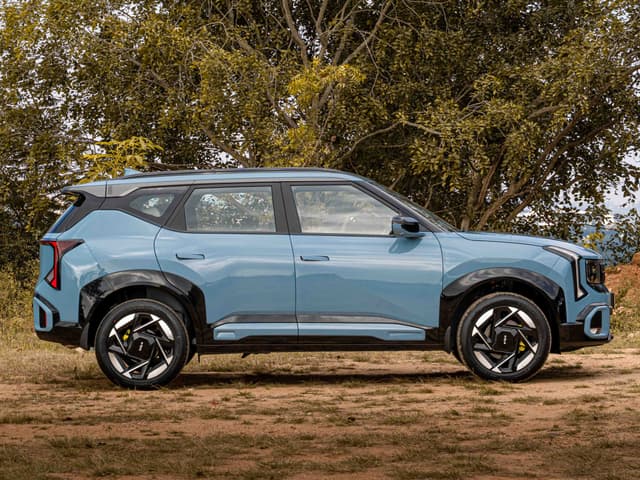
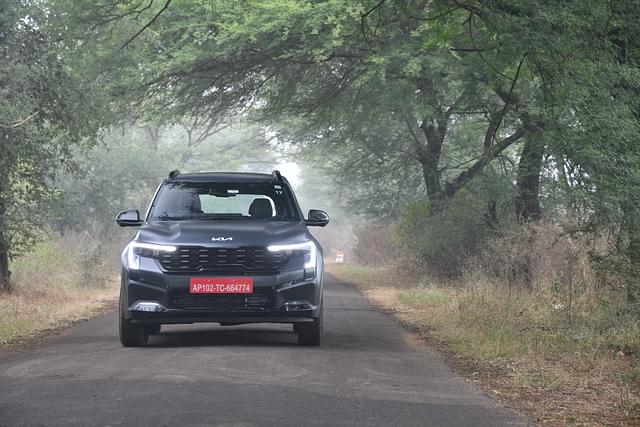
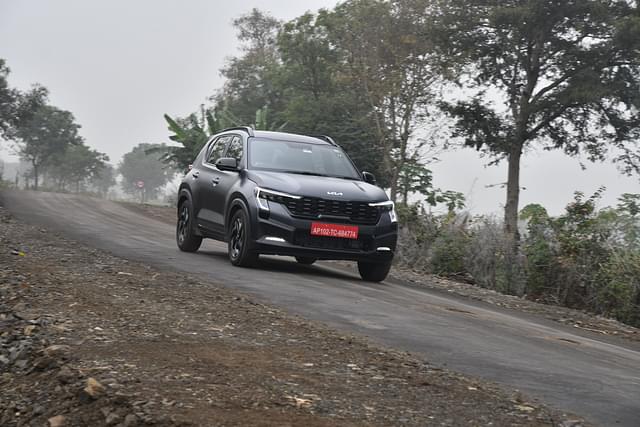
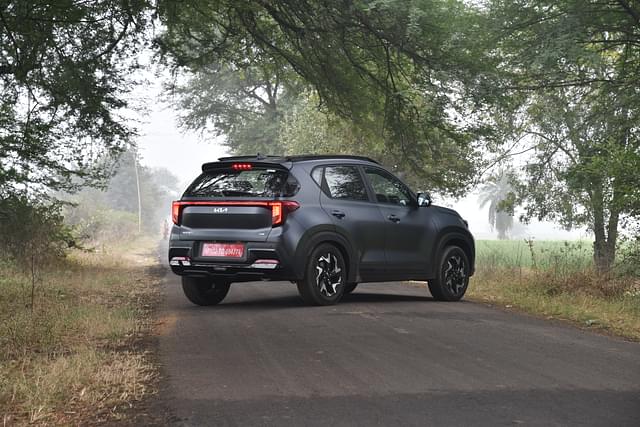
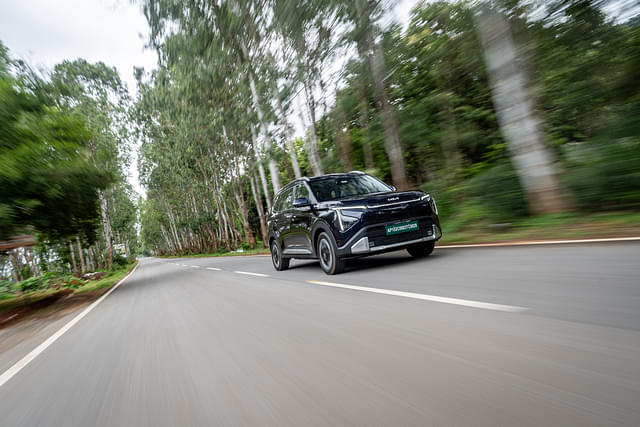
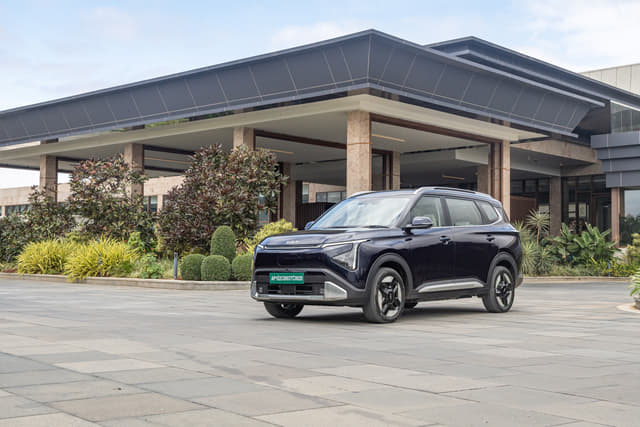
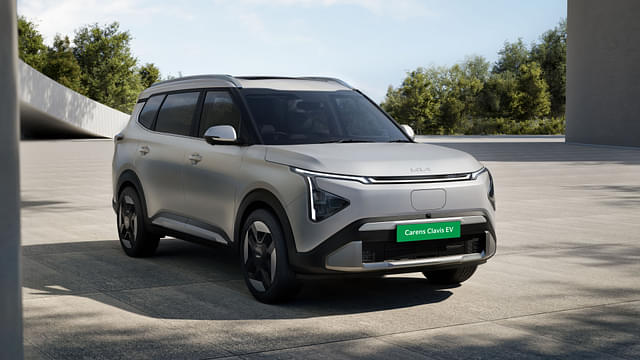
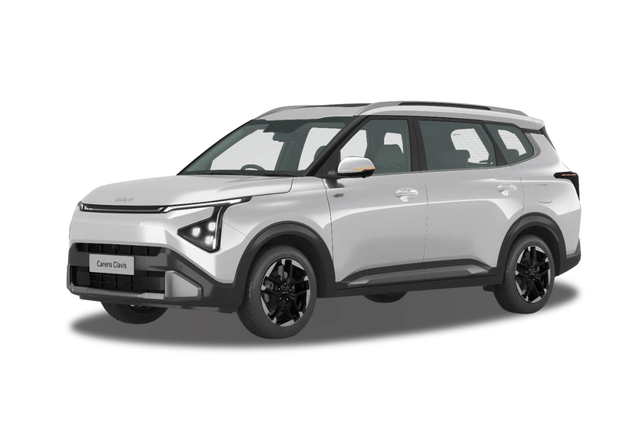
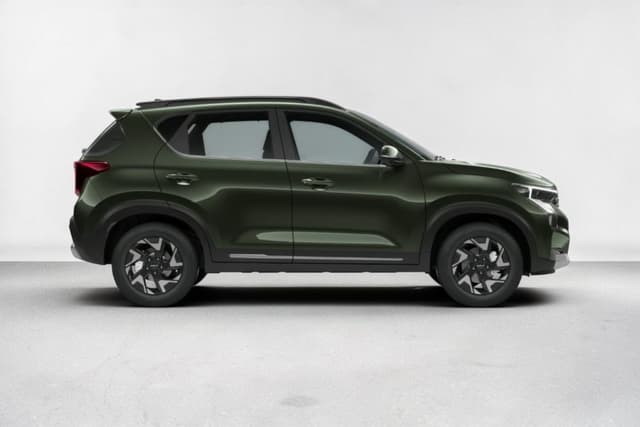
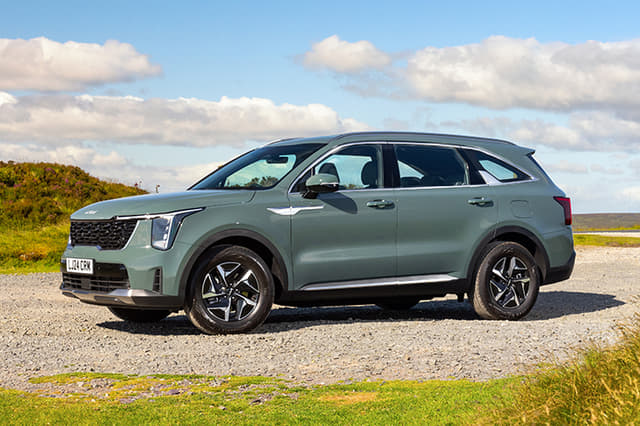
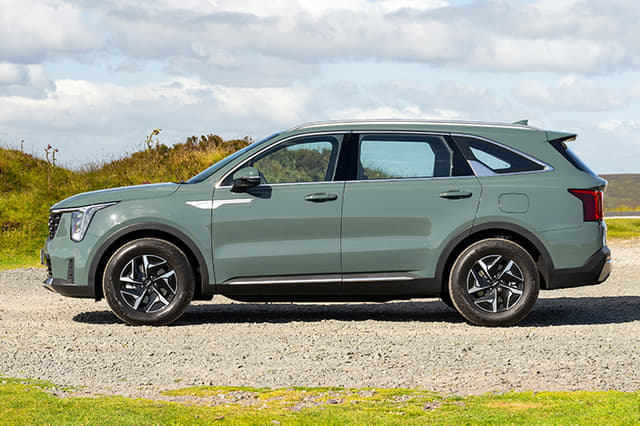
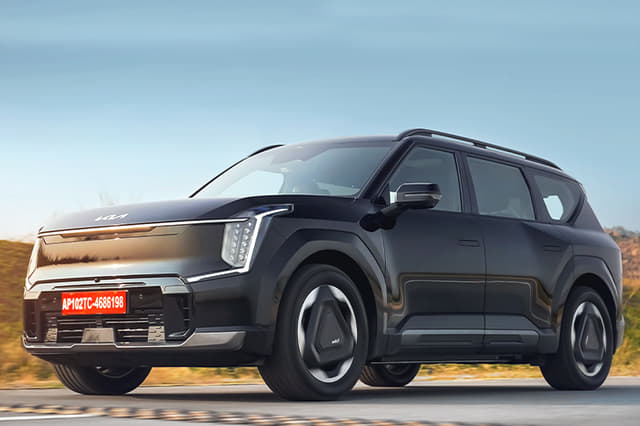
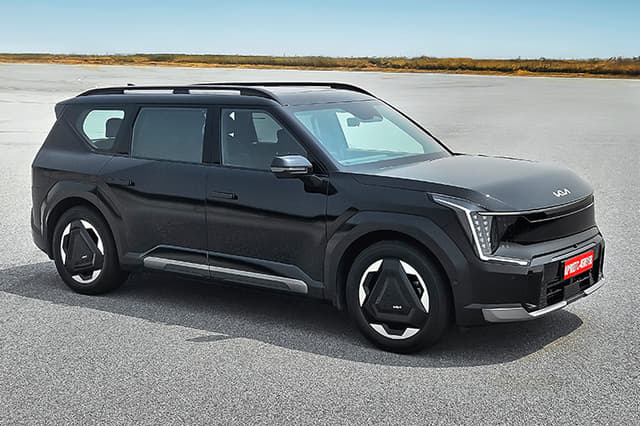
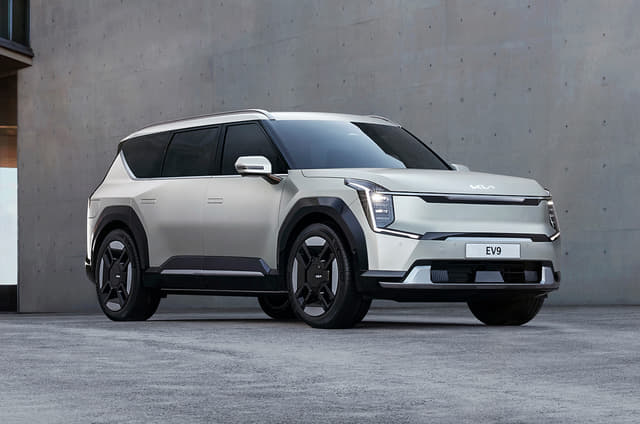
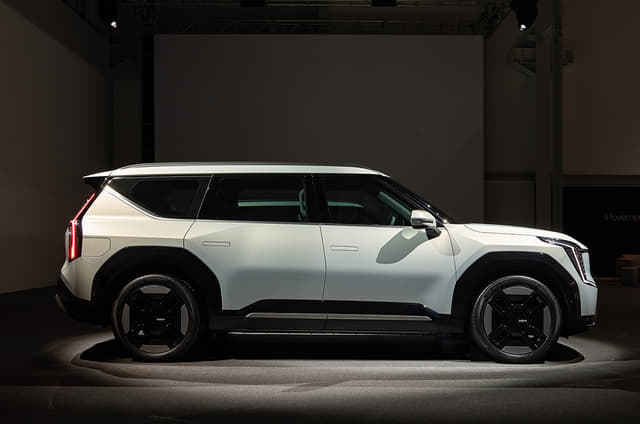
As of now, there are 12 Kia cars in India, out of which 9 are available for sale, and 3 are upcoming. The Kia car price starts at ₹7.30 lakh and goes up to ₹1.30 crore. The cheapest Kia car in India is the Sonet, whereas the most expensive model in the lineup is the EV9. The Kia cars available for sale in India are: Seltos, Carnival, Sonet, Syros, EV6, Carens Clavis, Carens Clavis EV, Carens, and EV9.
Kia entered the Indian market in 2019 with the launch of the Kia Seltos SUV. The company manufactures cars at its Penukonda plant in Andhra Pradesh. This South Korean brand offers a total of 11 models in India: 4 MPVs and 8 SUVs. The Kia India line-up includes petrol, diesel, and electric car options.
Kia Cars - Latest Updates (July 2026)
- 28 April 2026: Kia India partners with HYBE India as automotive partner for nationwide music auditions
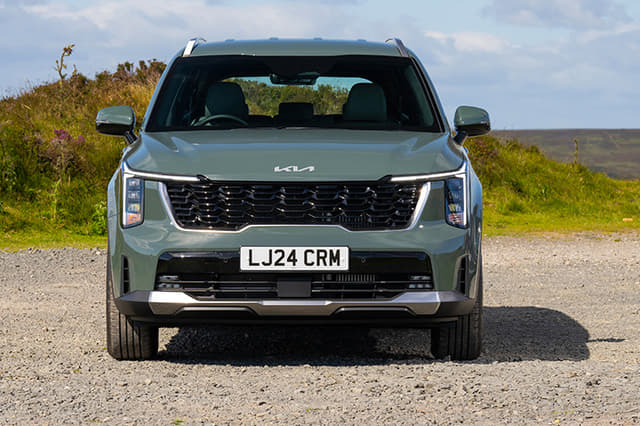
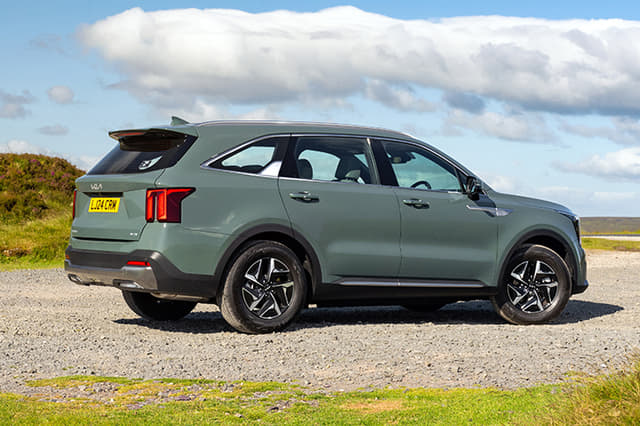
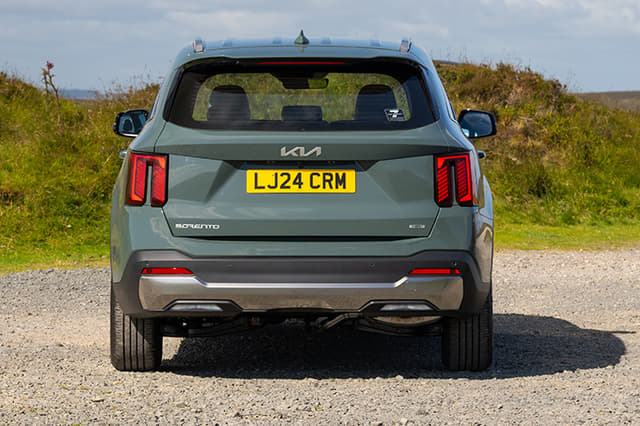
- 20 April 2026: The three-row SUV, Kia Sorento spotted testing in India again.
- 20 April 2026: Kia Syros now starts at ₹8.40 lakh.
- 30 March 2026: The Kia Seltos scores a 5-star safety rating in Bharat NCAP.
- 18 March 2026: Kia India introduces GT-Line and X-Line trims along with a 6-seater option for the Carens Clavis EV lineup.
- 02 January, 2026: Kia has introduced the new Seltos in India, priced from ₹10.99 lakh onwards.


Filter your search


Filter your search


Find cars by fuel type
FAQs
As of {{current_month}} {{current_year}}, there are 12 Kia cars in India. Out of these, 9 models are currently available for sale, and 3 are upcoming.
Kia car price in India start at ₹7.30 lakh and go up to ₹1.30 crore (ex-showroom).
The Sonet is the cheapest among all Kia cars in India. Its price starts from ₹7.30 lakh (ex-showroom).
The EV9 is the most expensive model in the current Kia India lineup. It is priced at ₹1.30 crore (ex-showroom).
The Kia cars in India that are currently on sale are: Seltos, Carnival, Sonet, Syros, EV6, Carens Clavis, Carens Clavis EV, Carens, and EV9.
Yes. The upcoming Kia cars in India include 3 models: the New Sonet, the Syros EV, and the Sorento. Sonet is expected to launch in 2026, whereas the Syros EV and Sorento are expected to launch in 2027.
The Kia Sorento is expected to be priced between ₹30.00 lakh and ₹35.00 lakh (ex-showroom).
The Kia Syros EV is expected to be priced between ₹15.00 lakh and ₹18.00 lakh (ex-showroom).
Kia manufactures its cars at the Penukonda plant in Andhra Pradesh.
Kia cars in India include 4 MPVs and 8 SUVs. The brand currently offers petrol, diesel, and electric car options.
The Kia electric car price in India starts at ₹17.99 lakh and goes up to ₹1.30 crore (ex-showroom). The Carens Clavis EV is the most affordable electric model, while the EV9 is the most expensive.
Among the Kia electric cars in India, the EV6 offers a claimed range of 663 km, which is the highest in the current lineup.
There are four Kia 7 seater cars in India: Carnival, Carens Clavis, Carens Clavis EV, and Carens.
Kia sedan cars are not currently available in India. The Indian lineup mainly consists of SUVs, MPVs, and electric models.
The Kia top model is the EV9.
There are four 7-seater cars available in the Kia India lineup. The Kia 7 seater car price starts at ₹10.99 lakh for the Carens, and goes up to ₹59.42 lakh for the Carnival.
Trending Questions on Kia Cars - Answered by Autocar Experts
I have to buy a car. So, I have shortlisted a few options: Sonet vs Syros vs Kylaq vs Xuv 3xo vs Tekton vs Seltos vs Clavis. My budget is under 13 lakh.
The on-road price of the base Clavis HTE petrol might be a bit more than Rs 13 lakhs. However, as a family car, it beats all the other options. It is more spacious and gives you the flexibility of a third row of seats, which you can also fold down and make use of a huge boot space. Purely as a sensible, practical option, it is hard to beat the Clavis' proposition.Alternatively, Syros is an excellent, well-packaged car that's surprisingly spacious despite its sub-4-metre footprint. While its design isn't universally appealing, if you don't mind its styling, this is an excellent choice. You will get a well-equipped HTK+ turbo-petrol manual version.The Seltos and Tekton belong to a segment above and are larger cars. Only their entry-level variants will fall within your Rs 13 lakh budget. So you need to decide whether you need a seven-seater, a well-equipped sub-4-meter car, or an entry-level five-seater mid-size SUV from a segment above.
Please suggest a car between the Hyundai Creta and Kia Seltos in a budget of 16-18 L?
Go for the Kia Seltos. While they are both similar SUVs that use the same engines, the Seltos is a larger vehicle built on a newer platform. It thus offers better space and comfort, as well as new-generation tech, which the Creta will only get when its next-gen model is launched in 2027. It also has a higher-quality interior with better fit and finish. Depending on the engine, gearbox and variant you choose, you may find a few more features in the equivalent Creta compared to the Seltos, but overall value for money, the Seltos should still come out on top, considering its inherent benefits. That said, some reasons you might want to opt for the Creta is because you already own a Hyundai and are already in their system, and have an established relationship with the service centre. Also, if you are planning to exchange your i20, ask the dealer for a loyalty bonus or any other deal they might have; this could swing the purchase in favour of the Creta.
I use my car for a daily commute of 20-30 km, and we rarely travel outside the city, only once every few months. Should I buy an EV, a hybrid, or a petrol car? My budget is Rs. 15-18 lakh.
Buy an EV if you have a parking spot with a plug, because your 20-30 km daily run is exactly what EVs are best at. You will top up at home once or twice a week, spend far less than petrol, and enjoy a quiet, easy drive in traffic. Since you rarely go out of town, the odd highway trip can be planned around chargers, or you can just borrow or rent a petrol car when needed. In your budget, Tata Punch EV and Tata Nexon EV fit well.If home charging is not possible, buy a simple petrol automatic and skip hybrids. With your low running, the hybrid premium takes ages to recover, and most strong-hybrid trims that make sense cross Rs. 20 lakh on-road. Good petrol picks around Rs. 15-18 lakh are Honda Elevate, Hyundai Creta, Kia Seltos, Skoda Kushaq or VW Taigun. They will be easy in the city and stress-free for the rare road trip.
I'm interested in buying the Hyundai Creta base model. My monthly usage is around 2,500 km. What is your advice?
Since you're on a tight budget, the Hyundai Creta base E variant is quite good. It packs in all the safety features, and all the bare essentials, making it good value for money. Its petrol engine is smooth and refined, and its light clutch, steering and gearbox make it very easy-to-drive. Overall, the Creta is a car you can't go wrong with.Do keep in mind that the Creta is due for a generation change, and the new version will be launched early 2027. The new car will be a bit larger in size, will look completely different, and is likely to have more equipement too. So that could be worth waiting for.Alternatively, you could consider the Kia Seltos HTE, which is priced similar to the base Creta, it shares its powertrain with the Hyundai, but feels a lot more modern and more spacious in comparison.
I am planning to buy a new car under 20 lakh. My daily drive is 50 kms on highways and a 700 km highway monthly trip to my hometown but city usage would be negligible. I have finalized the Kia Seltos HTX varient. I am confused between buying a petrol or diesel varient. While petrol version has low initial and maintenance cost, daily fuel cost is more. On the other hand, diesel would give me better mileage with less fuel cost but it will have expensive maintenance and initial cost. Or should I consider some other car. I am not interested to buy an EV. Please suggest.
We'd recommend the Kia Seltos Diesel Automatic. Your usage is almost ideal for a diesel. A 50km daily highway commute combined with a 700km highway trip every month means the engine will spend most of its time at operating temperature, making it well suited to a modern diesel. You also shouldn't have to worry about DPF-related issues, as regular long-distance driving allows the system to regenerate properly.While the diesel does have a higher purchase price and slightly higher maintenance costs, you'll benefit from significantly better fuel efficiency, and with your usage, the savings at the fuel pump should more than offset the initial premium over time. The Seltos' 1.5-litre diesel paired with the torque-converter automatic is also one of the smoothest and most refined diesel-automatic combinations in this segment, making it an excellent highway cruiser.
Hi, I'm planning to buy the 2026 Kia Seltos. My usage will be around 80% city driving in Pune, with only 3-4 long trips a year and occasional weekend drives. Which variant would you recommend for my usage? Which engine and transmission are best for low annual running? Which variant offers the best value for money and has all the important ADAS as well as safety features? What future-proof features does the 2026 model offer and what real-world mileage can I expect during city and highway driving? What are the annual maintenance costs and warranty options? Are there any common issues or concerns I should know about?
We'd recommend the Kia Seltos HTX Petrol IVT. With 80 percent city driving in Pune, low annual running and only a handful of highway trips each year, the naturally aspirated petrol engine paired with the IVT automatic is the best fit. It is smooth in stop-start traffic, refined on the highway and there's little financial benefit in opting for the diesel at your usage. We'd also avoid the turbo-petrol DCT unless performance is a priority, as the IVT is the more relaxed transmission for everyday city driving.The HTX is the sweet spot in the range and offers the best value for money. It gets the features most buyers want without stretching into the considerably more expensive top variants. If ADAS is a priority, however, we'd recommend stretching to the HTX+, as it brings the full suite of active safety features including adaptive cruise control and lane keeping assist. The GTX+ adds more luxury features but doesn't significantly improve the ownership experience for your usage.In real-world conditions, expect around 10-12kpl in the city and 15-17kpl on the highway, depending on traffic and driving style. Kia's maintenance costs are competitive for the segment, and we'd recommend opting for the extended warranty if you plan to keep the car beyond the standard warranty period for added peace of mind.We wouldn't worry too much about future-proofing. The current Seltos already offers the connectivity, safety and driver assistance features most buyers will realistically use over the next several years. More importantly, it has a proven petrol engine, a reliable IVT gearbox and one of the strongest ownership experiences in the segment, which is why it continues to be one of our default recommendations for buyers with usage similar to yours.
Hi all, I’m planning to upgrade my 2013 Hyundai i10 to a stronger and safer vehicle. I live in Pune and plan to take monthly long-distance trips. My initial choices were the Kia Seltos and Renault Duster, but concerns about E20 or higher petrol blends have made me reconsider buying a pure petrol car. As a result, I’m now considering EVs. The Tata Punch.ev top model seems like an excellent value proposition, but is it a sensible choice for long-distance highway trips, such as Pune to Hyderabad or Goa? I would appreciate your insights and recommendations. I usually travel with my wife and occasionally with a full load.
For long drives from Pune to Goa or Hyderabad in any EV, you will be required to quickly charge once along the way, to reach your destination comfortably, without any range anxiety. The Punch EV is an excellent choice - it is compact, value-for-money, and its real-world range of over 300km is rather good. Kia will be launching the Syros EV in the coming weeks. The Syros is surprisingly spacious, interior quality is top-notch, and going by the Clavis EV's efficient and smooth powertrain, the EV version of the Syros will certainly be worth considering. Go for the EVs only if you can arrange for home charging. If not, then the Kia Seltos will be our pick. It is comfortable, spacious, feature-rich, and the petrol is smooth, refined and more efficient than the Renault Duster. The Duster's ride-handling balance is outstanding and its boot is larger than the Seltos too, however the Kia comes across as the more rounded option.
Hi, I have shortlisted the Kia Seltos. My usage is primarily in the city, with perhaps one highway trip a year. Does it make sense to spend extra on ADAS for Delhi roads, or will I end up switching it off as I do in my other car? I also like that the Seltos offers most variants without ADAS. My second point is more of an observation. Kia should have offered the GTX with the HTX's beige interior, or at least the GTX headlamps on the HTX. I feel I have to choose between a less appealing interior and an average-looking exterior. I prefer the cabin feel and the lower price, so I'm leaning towards the HTX IVT. Should I spend the extra money on the HTX A IVT, or will I end up keeping the ADAS switched off in the city?
Stick with the Kia Seltos HTX IVT and skip the HTX A. With mostly Delhi city use, the lane-keep and distance warnings will be firing overtime in traffic and on flyovers, so you’ll end up switching them off and paying extra for little day-to-day benefit. You already prefer the HTX’s beige cabin, and you aren’t chasing the sportier look, so the version you’ve picked matches your taste and saves money. The headlamp throw and spread aren't too different between the HTX and GTX headlamps, so it's more of an aesthetic difference.Where ADAS helps in the city is with blind-spot and rear cross-traffic alerts while backing out of basements or squeezing out of lanes. If that exact use case has been common in your other car equipped with ADAS, then the HTX A might be worthwhile. For your one highway trip a year, adaptive cruise and lane centring are nice to have at night on wide expressways, but not must-haves. Overall, we don't think it's worth spending extra on the ADAS pack for your use case.
I am planning to purchase a new SUV. I have shortlisted two vehicles. Toyota Hyryder non-hybrid top model (manual) and Kia Seltos manual top model. Which one should I prefer? My daily running is very less around 10-15 kms.
With a daily running of just 10-15km, there's little benefit in stretching to a strong hybrid, and since you've shortlisted the non-hybrid Hyryder, the Seltos is the more complete package. It offers a more premium cabin, better performance from its naturally aspirated petrol engine, a stronger feature list and an overall more polished driving experience.The Toyota Hyryder still has its strengths. Toyota's reputation for reliability and aftersales support is second to none, and if long-term peace of mind is your top priority, it remains a very sensible choice. However, the non-hybrid petrol doesn't offer a significant efficiency advantage over the Seltos, so you miss out on the biggest reason to buy a Hyryder in the first place.Given your low running, we'd simply choose the SUV that you enjoy driving and living with every day. The Seltos also feels a little more modern inside and delivers a better overall ownership experience without asking you to compromise on reliability.
My daily running is 150 km, with a monthly running of 3,500-4,000 km. Around 75% of my driving is on highways and 25% is in rural areas. Every year, I take 2-3 family trips of 3,000-4,000 km. We are usually three to four members travelling daily. Please suggest the best car for me.
Go for the Kia Seltos diesel. Your daily 150 km and 75% highway use suit a diesel perfectly, and the Seltos' motor is efficient on long runs - expect an efficiency on highways in the high teens so your 3,500-4,000 km months won’t bleed your wallet. The Seltos also rides comfortably over broken rural stretches, has enough space for 3-4 people every day, and a boot sufficient for those 3,000-4,000 km family tours. Pick the automatic if you’re often stuck in traffic or drive long hours; the manual will squeeze out a bit more mileage. Safety kit and highway stability are solid, and the cabin keeps fatigue low on all-day drives.One caution: it’s not a hardcore rough-road SUV. If your “rural” is truly bad roads or light off-road trails every day, you’ll need to slow down, and tyre upgrades may help, or consider something like the diesel Mahindra XUV 7XO with AWD, though this would be a pricier option.
Last Updated on: 10 Jul 2026