
Maruti Suzuki cars in India (19)
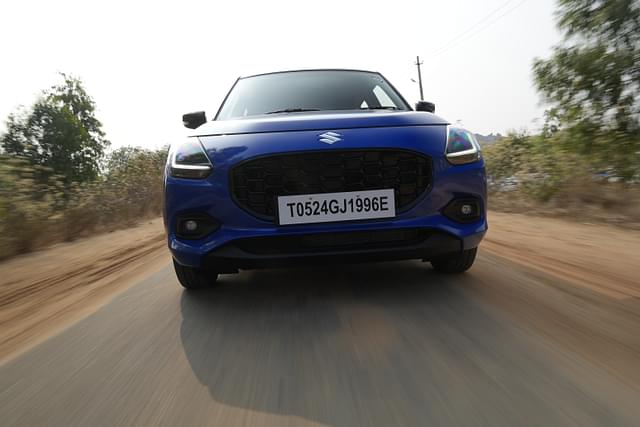
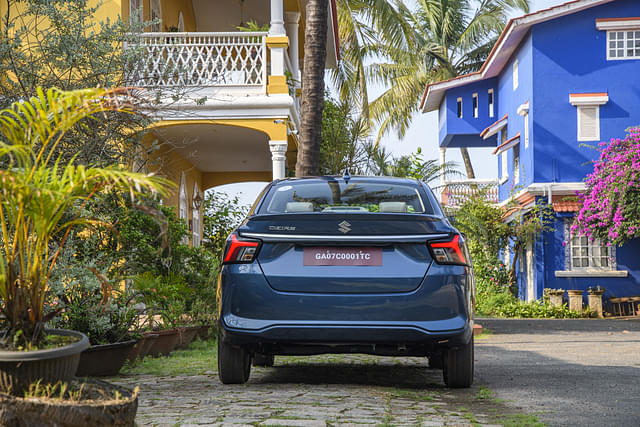
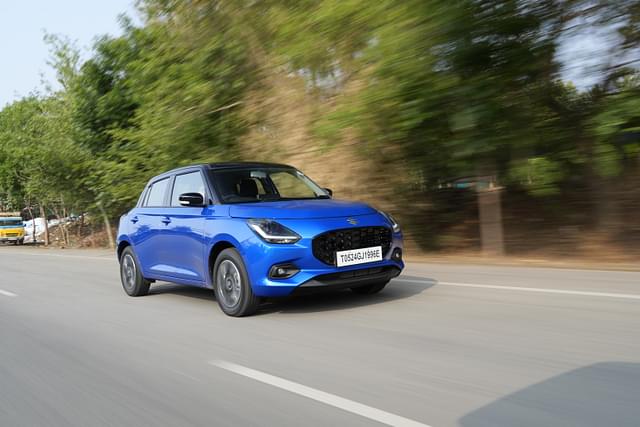
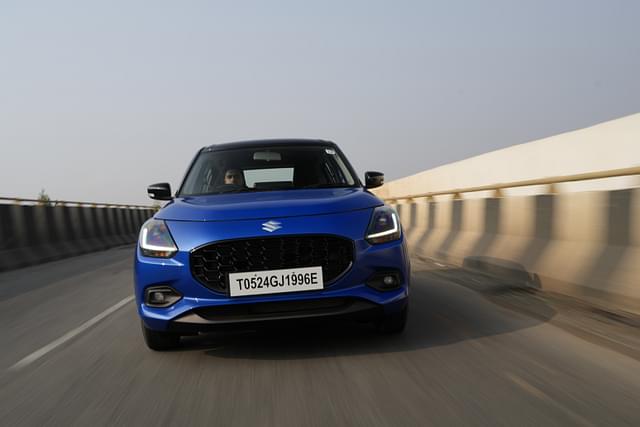
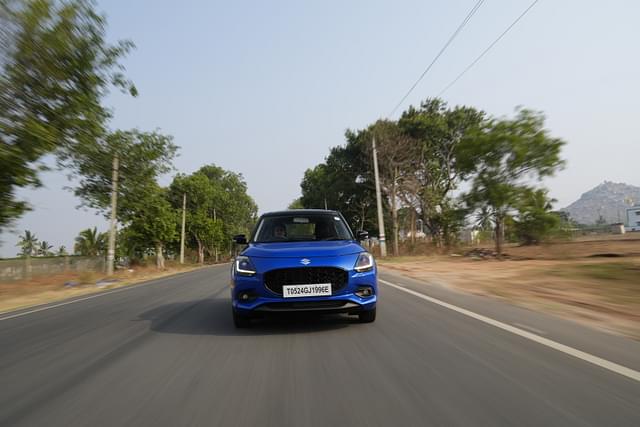
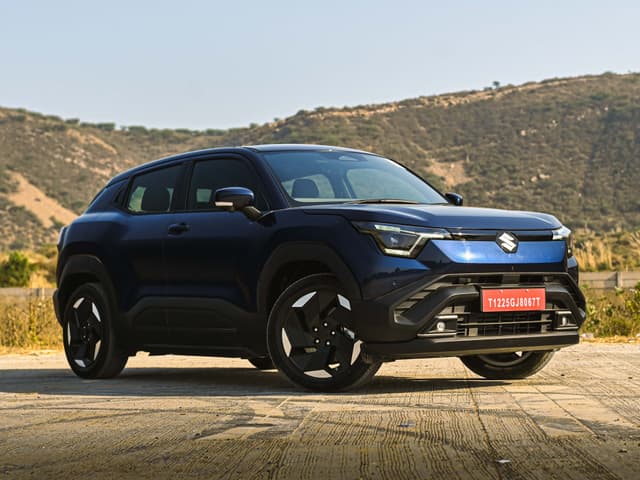
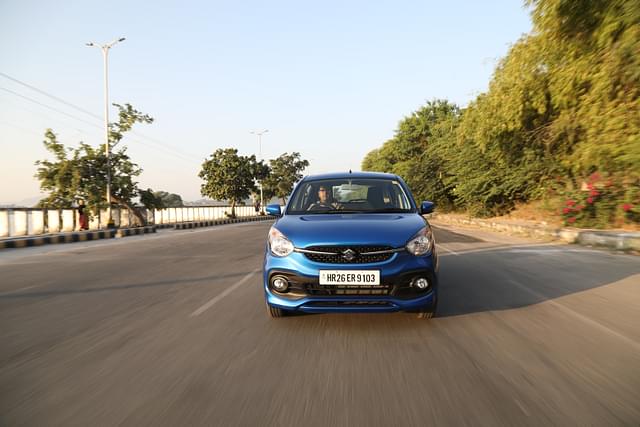
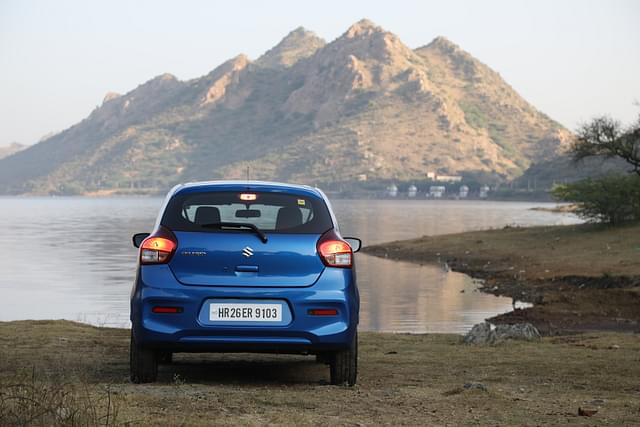
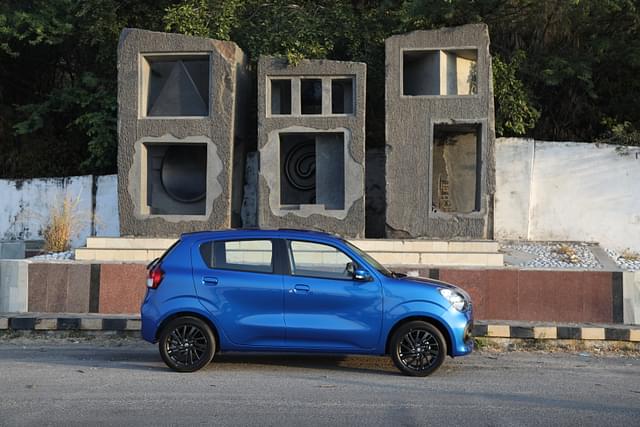
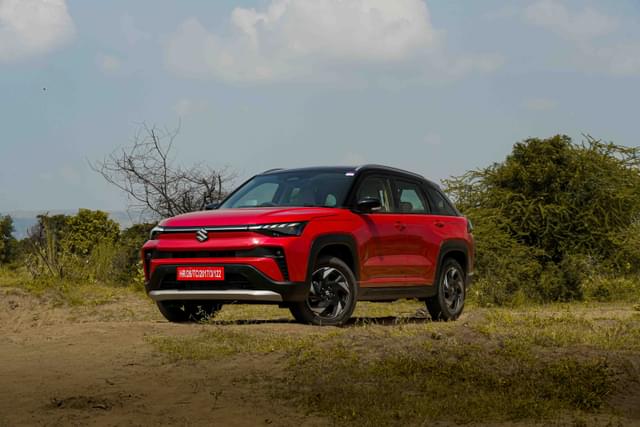
The brand Maruti Suzuki needs no introduction in India, thanks to its budget-friendly, dependable, and reliable cars. The brand offers something for every budget. The Maruti Suzuki cars in India in 2026 include sedans, hatchbacks, SUVs, and MPVs, powered by petrol, petrol-hybrid, and petrol-CNG engines across various price points. There are no diesel options available. The Maruti car price starts at Rs 3.50 lakh and goes up to Rs 28.61 lakh in India (Delhi, ex-showroom).
Maruti Suzuki currently offers 17 models in India across its two retail networks:
- Maruti Suzuki Arena (caters to the budget end of the market)
- Maruti Suzuki Nexa (caters to the premium end of the market)
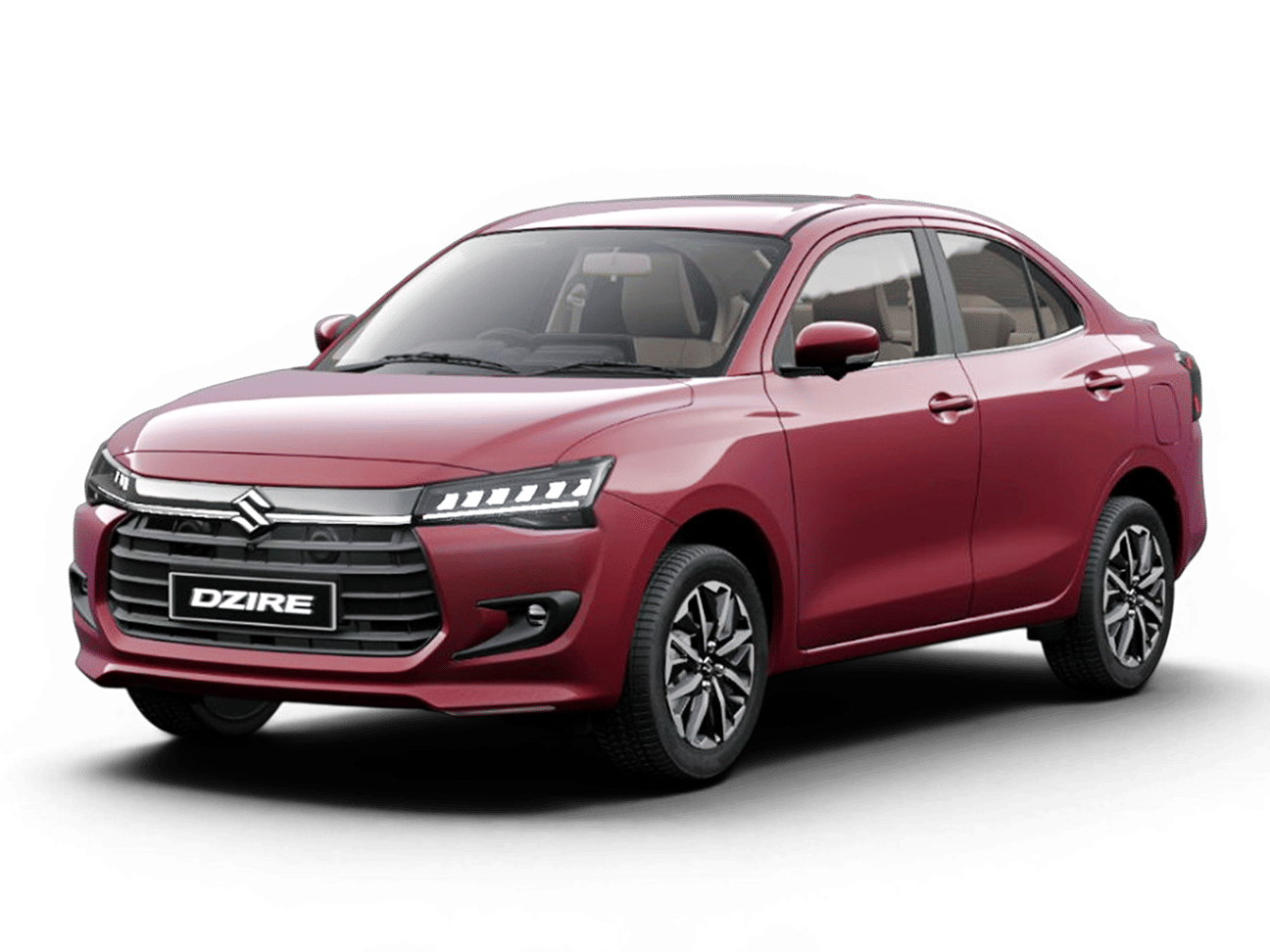
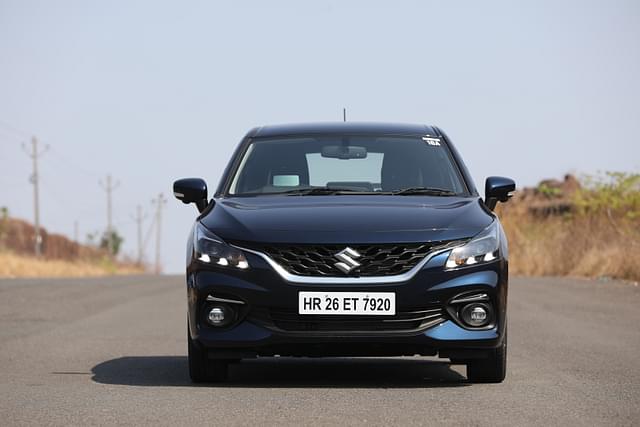
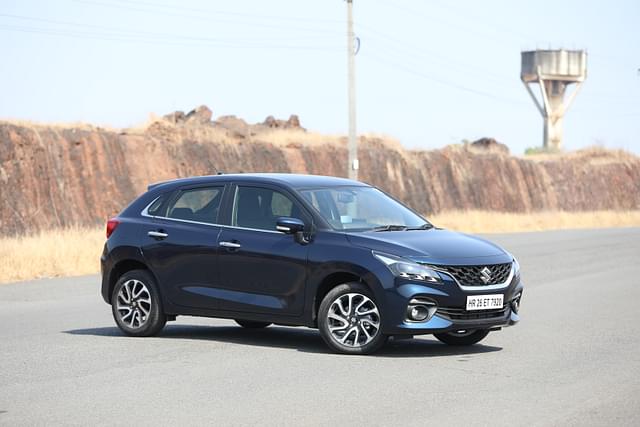
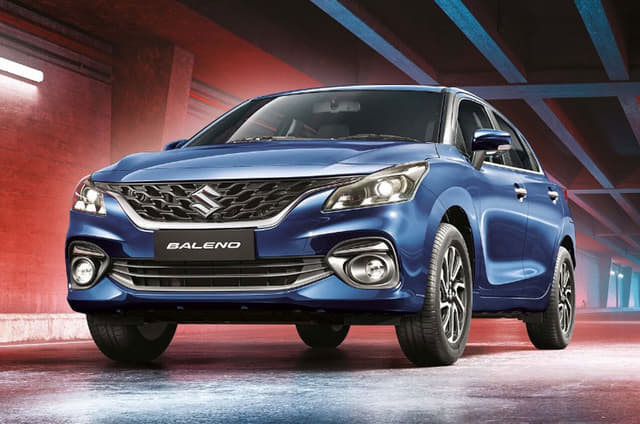
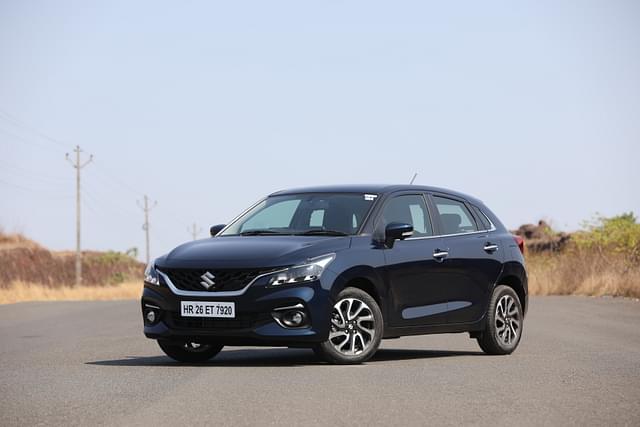
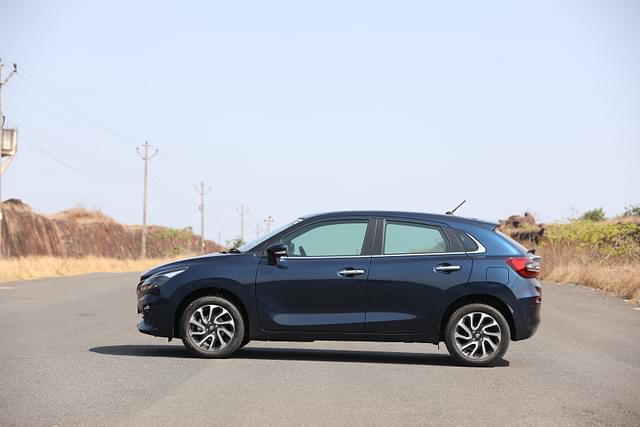
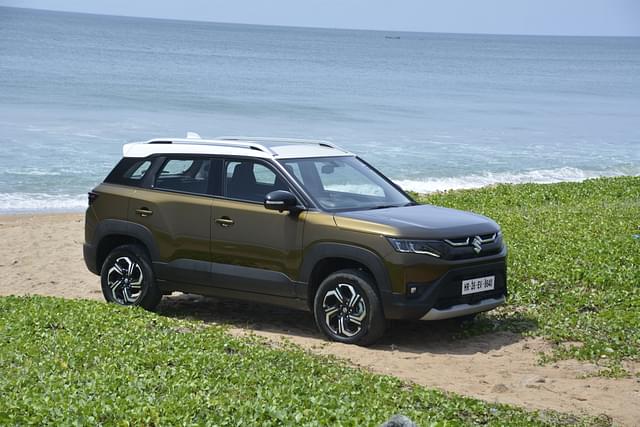
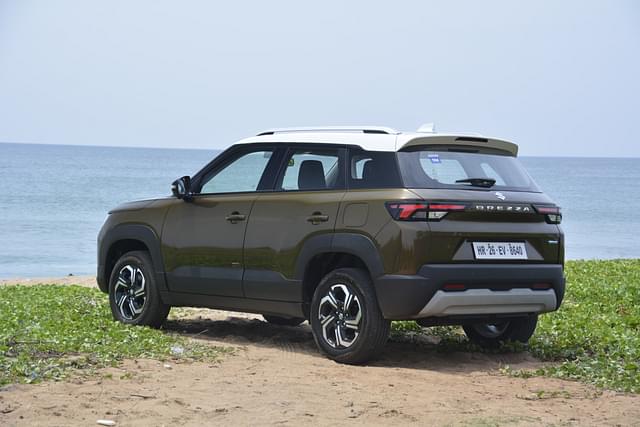
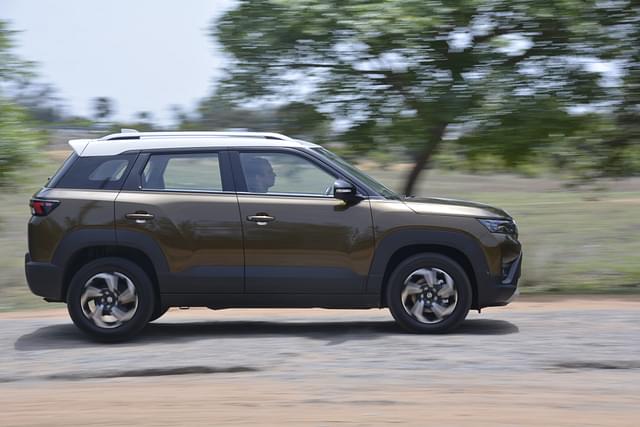
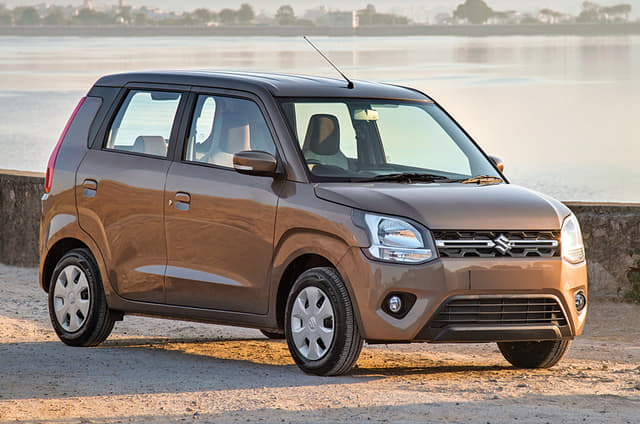
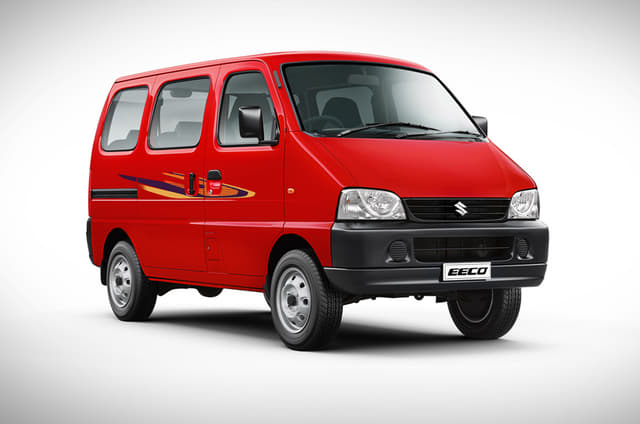
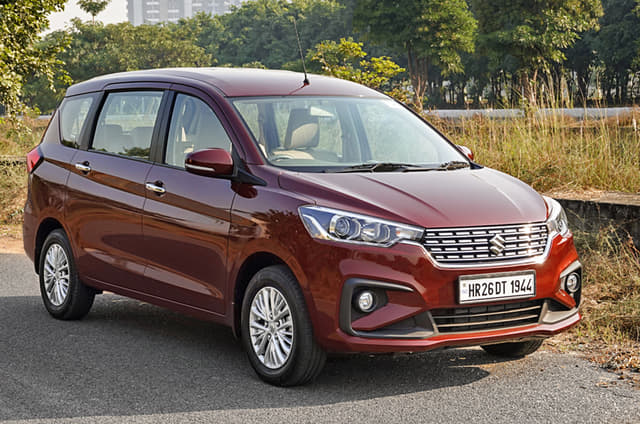
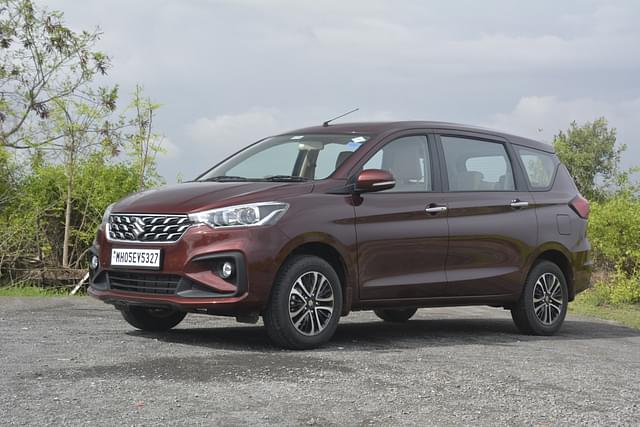
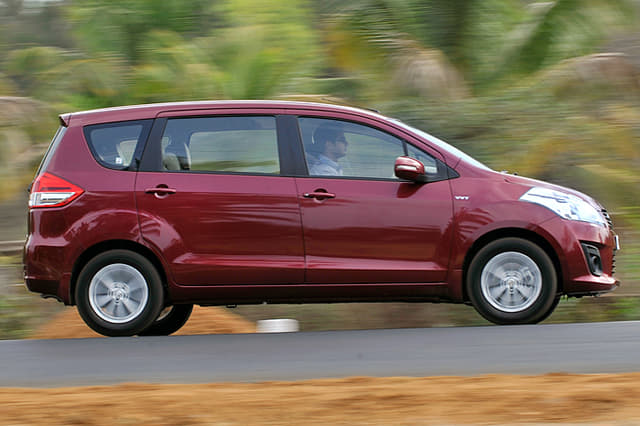
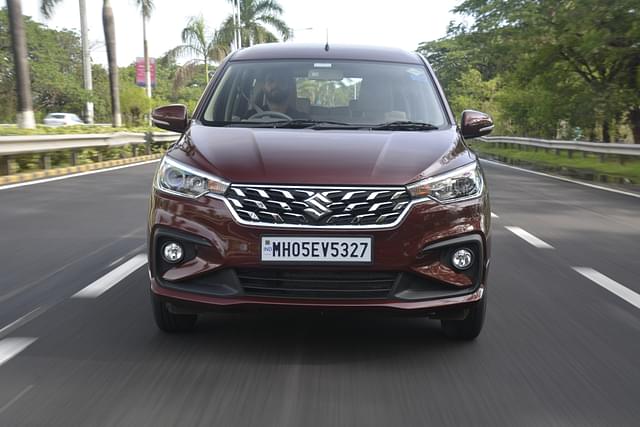
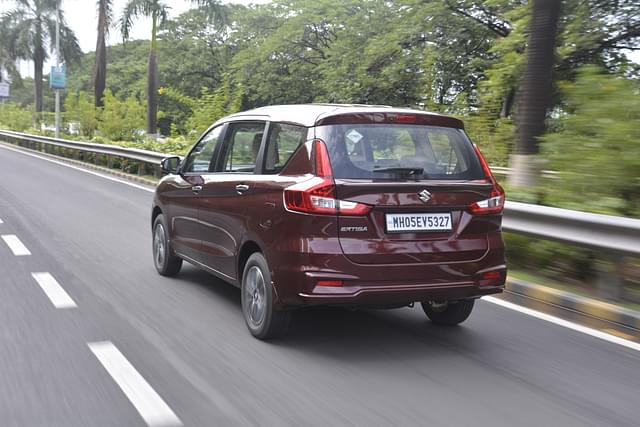
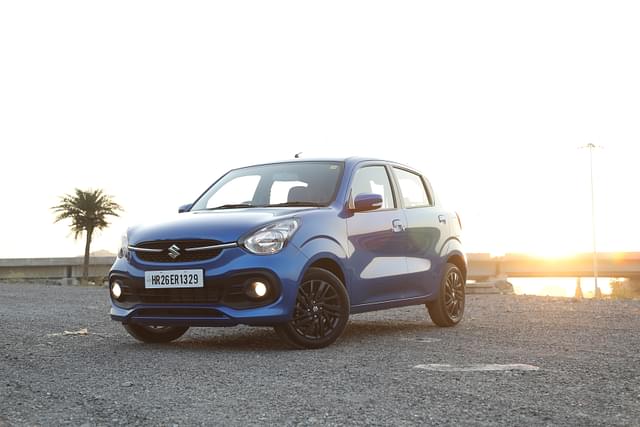
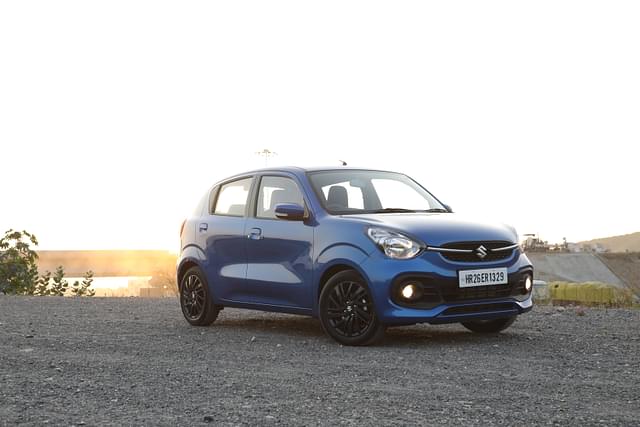
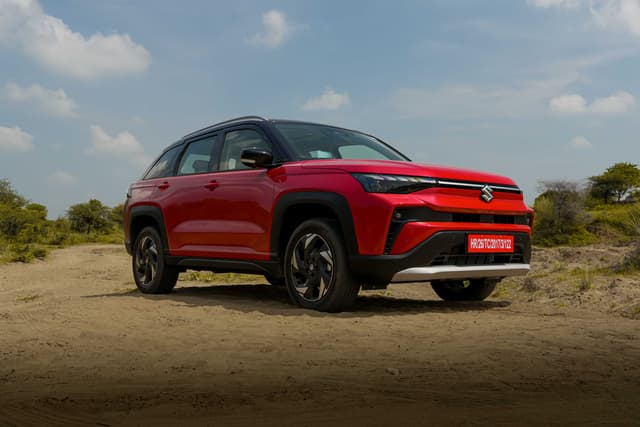
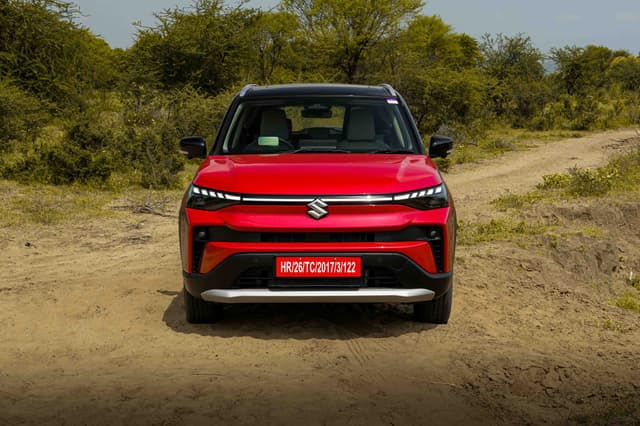
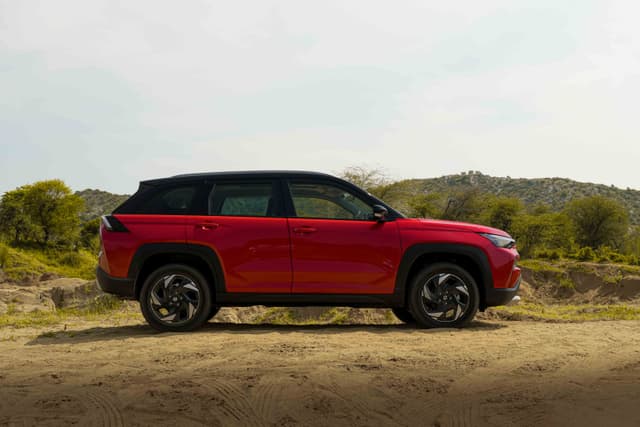
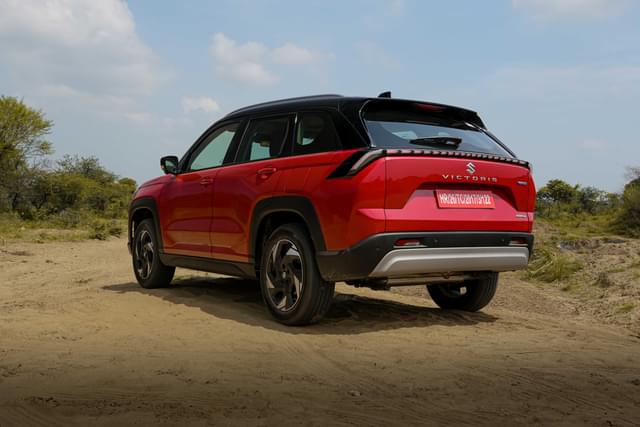
The Maruti cars sold through the Arena showrooms are: Alto K10, S-Presso, Wagon R, Celerio, Swift, Dzire, Breeza, Eeco, Ertiga, and Victoris. Meanwhile, Baleno, Fronx, XL6, Jimny, Grand Vitara, and Invicto are sold through the Nexa showrooms.
Maruti Cars in India - Latest Updates (July 2026)
Here are the latest updates related to the Maruti cars as of 2026:
- 25 June 2026: Maruti sold more than 7,000 e-Vitaras in India.
- 8 June 2026: As per sources, Maruti Suzuki is targeting to cut vehicle development timelines by 25% as it prepares to launch nine new models over the next three years.
- 29 April 2026: RC Bhargava says a revival of India’s small-car segment is “inevitable” in the coming years, even as buyers continue to shift towards SUVs.
- 28 April 2026: Maruti Suzuki achieves its highest-ever exports, shipping 4.48 lakh units in FY2026.
- 17 February 2026: The e Vitara, the first Maruti electric car launched at Rs 10.99 lakh. The battery cost is extra.


Filter your search
Filter your search


Find cars by fuel type
FAQs
The most expensive Maruti car is the Invicto. It is a premium MUV and is priced between Rs 24.97 lakh and Rs 28.61 lakh (ex-showroom, Delhi).
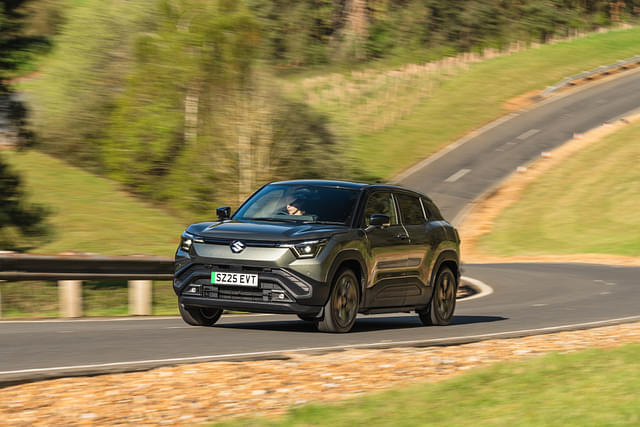
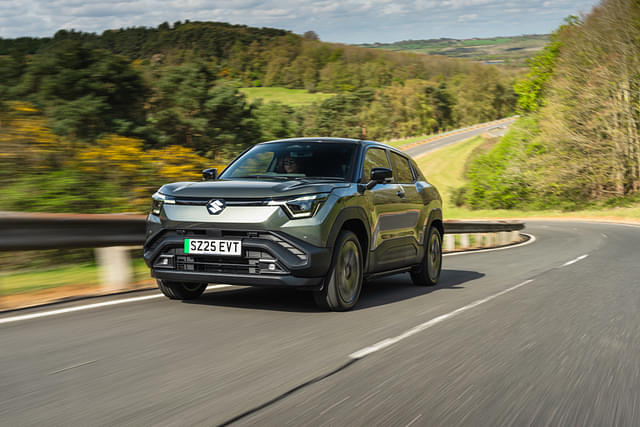
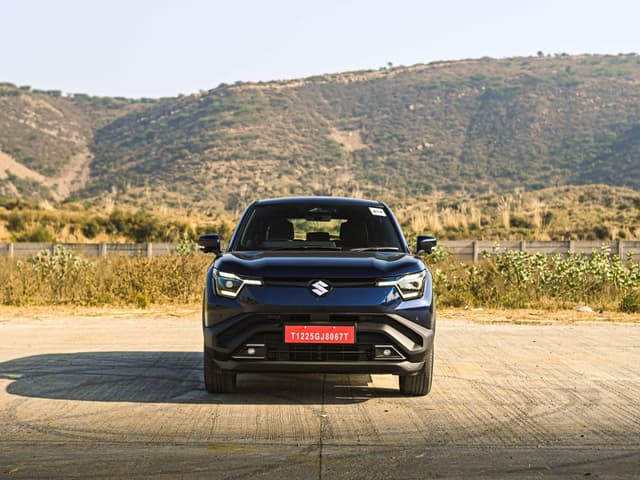
The Maruti Suzuki e Vitara, an all-electric SUV, is currently the only electric car from the brand. The e Vitara price starts at Rs 15.99 lakh and was launched on 17 Feb, 2026.
The safest Maruti Suzuki car based on Global NCAP crash tests are the latest-gen Dzire and Victoris. Both achieved a 5-star safety rating.
The cheapest Maruti Suzuki car in India is the Maruti S-Presso, priced from ₹3.50 lakh after the GST reduction.
Maruti is expected to launch the facelifts of Brezza and Baleno in 2026.
Currently, the newest Maruti Suzuki car in India is the e Vitara, which debuted in February 2026.
Trending Questions on Maruti Suzuki Cars - Answered by Autocar Experts
I'm looking to buy a car primarily for city driving with a budget of 10 lakh or less. I'm considering the Honda Amaze, Maruti Suzuki Dzire, Mahindra XUV 3XO, and Skoda Kylaq. Would you recommend any of these, or is there another option I should consider?
If your driving is almost entirely in the city and you don't specifically need the higher seating position of an SUV, the Honda Amaze would be our recommendation. It is refined, comfortable, easy to drive and backed by Honda's excellent reputation for reliability and low maintenance. The Maruti Suzuki Dzire is another excellent choice if fuel efficiency and widespread service support are your top priorities.If you prefer an SUV, we'd narrow it down to the Skoda Kylaq and the Mahindra XUV 3XO. The Kylaq is the more enjoyable car to drive, with excellent ride and handling, while the 3XO offers more features, a roomier cabin and strong safety credentials. Both are among the best compact SUVs in the segment.For a Rs 10 lakh budget, however, we'd lean towards the Honda Amaze or Maruti Suzuki Dzire, as you'll be able to buy a higher variant with more equipment rather than stretching for an entry-level SUV.
I am planning to buy an automatic car under Rs. 15 lakh as I am a first-time buyer. My usage will mostly be city driving, with occasional highway trips, and I expect to drive around 750 km per month on average. My shortlist includes the Skoda Kushaq Classic, Skoda Kylaq Signature, Mahindra XUV 3XO AX5, Hyundai Venue HX6 DCT, and Maruti Brezza ZXi AT.
Pick the Skoda Kylaq. For mostly city runs, it is the easiest to live with, thanks to its compact dimensions and smooth auto gearbox and for the few highway runs you will find it also cruises calmly and feels secure at typical highway speeds. Fuel efficiency is not class leading, expect 8-9kpl in the city and about 14kpl on highway runs but with your 750 km a month running this will not pinch you. As an option you can also consider the Maruti Suzuki Brezza, it too has a smooth gearbox and its city ride is nice and plush, but wait for just a month as an update is right around the corner.
I am planning to buy a petrol car under a Rs 10 lakh budget. Since a 20% blend is being introduced, I would like to know if this will cause any damage in the long run, and whether I should opt for a diesel, CNG, or EV? Please guide me. Thank you.
If you don't mind the long queues at the CNG filling station, opting for a CNG car will be a very economical option. Within your Rs 10 lakh budget, you could consider a Hyundai Exter CNG. Its engine is smooth, refined and very efficient. The clutch and gearbox are light, and overall the car is very user-friendly. Furthermore, with its twin-tank setup (placed beneath the floor), boot space is quite respectable.Alternatively, you could consider a Maruti Suzuki Dzire CNG, a spacious and comfortable family car.
Is it worth waiting for the new BREZZA, or are there better alternatives for Mumbai city use and a few random trips outside, say 2 to 3 in a year, up to Pune, Panchgani, etc
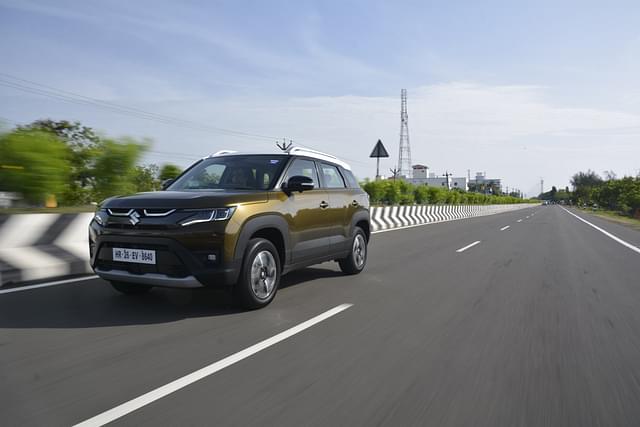
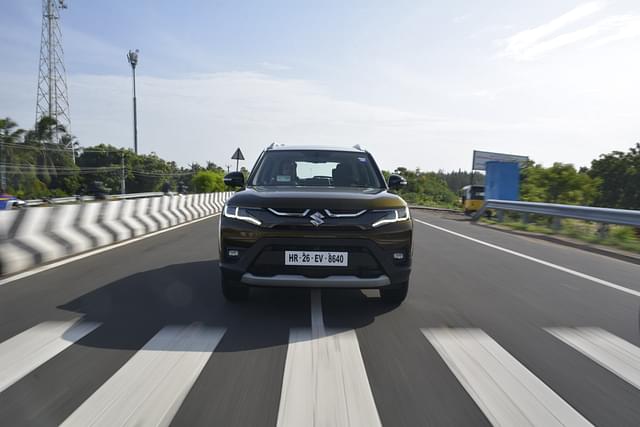
Go for the Brezza, but wait for the new model as it's just a few weeks away. The Brezza is easy to drive in traffic, rides well over broken roads and speed breakers, and the automatic is smooth and stress-free. The cabin is airy, the visibility is good, and Maruti service reach in the city makes ownership simple. For the odd Pune or Panchgani run, it feels stable enough if driven in a relaxed manner. A point to consider if you often go up the ghats with four people and luggage: the 1.5 petrol is smooth but not very strong, so overtakes need a little planning.If that bothers you, the Skoda Kylaq with the automatic is the better alternative. It feels quicker in the hills and in gaps, and the gearbox responds a bit faster, which helps both on the ghats and in stop-go Mumbai traffic. You will trade a slightly firmer ride and a lower city mileage for that extra shove.For mostly city use, though, buying the Brezza is the sensible call.
We are planning to buy a CNG vehicle for our family. Our monthly driving is usually around 200–300 km, although in some months it may increase to 500–600 km. We currently own a Maruti Suzuki Wagon R CNG and are now looking to upgrade to a compact SUV or SUV that offers better comfort, safety, and features for family use. Which model would be the best choice?
If your budget permits, the Maruti Suzuki Victoris S-CNG is a sensible choice. It is a practical mid-size SUV that offers better comfort and features for family use. Its CNG tank is positioned beneath the boot floor, so luggage space is not significantly compromised. Additionally, being a Maruti Suzuki car, it offers a hassle-free ownership experience with an extensive service network, making the transition from the Maruti Suzuki Wagon R CNG seamless. If the budget is tighter, the Tata Punch iCNG is a strong option. Its tall stance makes ingress-egress easy, while the overall driving experience feels like a significant step up from the Wagon R CNG in terms of safety and everyday comfort. Tata's twin-cylinder CNG layout keeps most of the boot usable, making it practical for family use. It also feels tough over broken roads, which adds to its everyday usability.
Hi Autocar I am planning to buy a car around December 2026, so this is not an urgent request. My usage includes monthly travel from Chennai to Coimbatore by highway and another 200 km of combined highway and city driving. So, the maximum monthly usage will be around 1,200 km. Usually, 2 adults and one kid will travel, and sometimes my parents will also accompany us. I am planning to keep the car for 10+ years and need a car that offers good mileage. My maximum on-road budget is around Rs.13 lakh. Thanks in advance
Since you will be driving between Chennai and Coimbatore often, we recommend that you consider the upcoming 2026 Maruti Suzuki Brezza 1.0 Turbo. While its launch is scheduled in the coming weeks, the turbo-petrol engine is likely to address one of the Brezza's biggest shortcomings - lack of outright punch, and bring its performance at par with rivals. The turbo will add some much-needed oomph to the Brezza, which is otherwise a spacious, practical, and comfortable family car. It will feel tough, secure and long-distance drives will be a breeze.Alternatively, you can shortlist the Skoda Kylaq and Mahindra XUV 3XO. Between the two, the former will feel a bit nicer to drive, while the latter is more spacious.
I want to buy a 1.5-litre petrol automatic SUV with a torque-converter transmission within a budget of Rs. 15 lakh. I currently own a Maruti Suzuki Dzire and want to upgrade to an SUV that will be used mainly for occasional hill driving. Which one should I choose?
Pick the Maruti Suzuki Brezza 1.5 petrol automatic with the 6‑speed torque converter. For occasional hill driving, it is the easiest to live with at this price, because the gearbox gives smooth crawl and strong low‑speed control for steep starts, and the manual mode lets you hold a lower gear on descents. Coming from a Dzire, the familiar 1.5 engine and Maruti’s light controls make the upgrade stress‑free, while the higher seating and ground clearance help on broken hill roads and village tracks.Aim for the VXi or ZXi automatic, depending on what fits your Rs. 15 lakh envelope in your city. You get hill‑hold, ESP and decent visibility, which matter more in the hills than gimmicks. Be honest with expectations, though: with five people and luggage on a sharp climb, it will feel strained, and you will hear the engine work; use manual mode, and it will still get the job done, just not fast. Fuel economy will drop in the hills into the low teens. Consider waiting for a month or two as a new Brezza is due.
I have a Hyundai Xcent 2016 Petrol Model. I have driven it 70K kms so far in almost 10 years. Suggest me a mid-sized SUV keeping the mileage in view, also my budget is not more than 12 Lakh.
Go for the Maruti Suzuki Brezza manual, because it fits your Rs. 12 lakh cap and will give you the best mix of city mileage and space in this price. Your running is low, so a simple petrol works well here, and the Brezza’s smooth, unstressed engine is easy in traffic yet does fine for occasional highway trips. Coming from an Xcent, you will like the higher seat, better road view and the comfy ride on broken roads, without feeling too big to park.It is also one of the roomier compact SUVs, with a useful boot, and cheap-to-run service across the country. The lower manual trims should fit under Rs. 12 lakh on-road in many cities; the automatic will likely overshoot your budget.Consider waiting for a month or two, as a new Brezza is due. If by “mid-sized” you meant Creta-class, be ready to stretch well past Rs. 12 lakh; at this budget, the Brezza is the sweet spot.
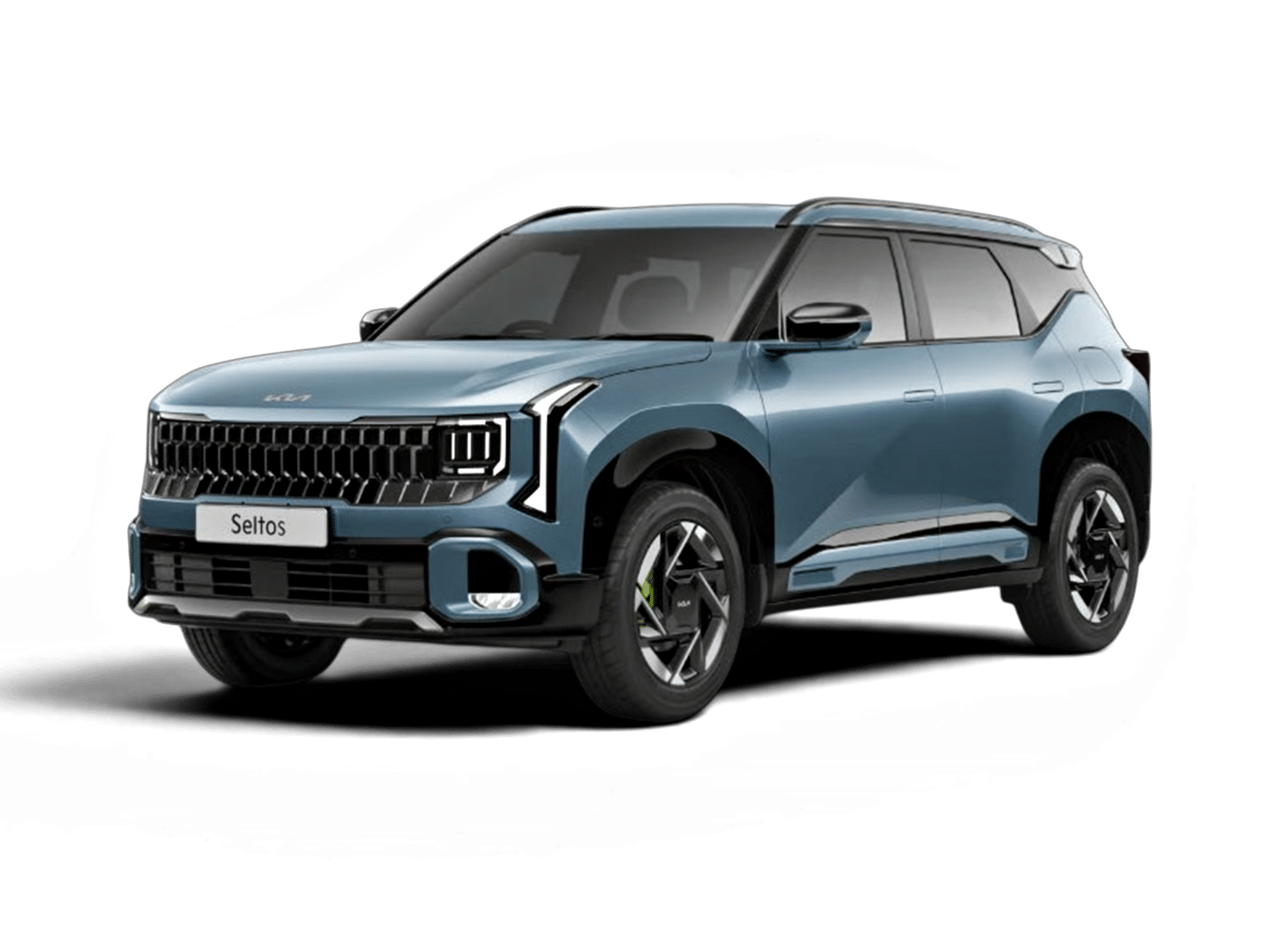
I am confused between the Kia Seltos and the Maruti Suzuki Victoris. I am also unsure whether I should buy the base variant and customise it or choose a mid variant with the necessary features. I live in Chennai and drive around 1,000 km a month, with a 50:50 split between highway and city use. I like the Seltos for its design, interior and premium feel, but the Victoris seems to offer better fuel efficiency. Please suggest.
Pick the Kia Seltos mid variant. With half your running on highways, the Seltos feels calmer at speed, gives you more confidence, packs in more performance, and, as you mentioned, the cabin is more premium. At 1,000 km a month, the Victoris' better mileage likely saves only around Rs. 1,000-2,000 monthly, so the nicer drive and cabin may be worth more.Go mid variant rather than base-plus-accessories. Safety and basic features like a proper touchscreen with Android Auto, rear camera, cruise control and more come integrated, work reliably, and stay within the standard warranty. Aftermarket bits rarely work as well, and you cannot add some safety features later.If your main priority is fuel efficiency, the Maruti Suzuki Victoris will help keep costs low. Just know it is not as quick for highway overtakes and does not feel as rich inside. For your city-highway split, the Seltos mid variant is the sweeter long-term pick.
I'm currently driving a Maruti Suzuki Ciaz and have been absolutely delighted with the ownership experience. However, for my next upgrade, I'd like to explore one of the entry-level SUVs. I typically buy a new car, keep it for 7-8 years, and then upgrade. Given the current transition in the automotive industry, is this the right time to buy a new car, or would it be wiser to wait until the powertrain landscape becomes clearer and the supporting infrastructure matures? I'd like to make an informed decision between ICE, Hybrid, and EV options before committing to a vehicle that I'll likely own for the next 7-8 years.
If your Ciaz is running well and you’re not in a tearing hurry to upgrade, it would be wise to wait another year or so. The market is on the verge of a significant transition, especially in the compact SUV segment you’re looking at.2027 is shaping up to be a particularly important year. Carmakers like Hyundai, Mahindra, Renault, Kia, MG and JSW Auto all have new or heavily updated compact SUVs in the pipeline. Maruti Suzuki too is expected to expand its range with a Punch rival and introduce its first strong hybrid system, likely in the Fronx.More importantly, hybrids are set to become far more mainstream. With tightening CAFÉ norms and rising fuel costs, manufacturers are increasingly positioning strong hybrids as a practical middle ground between conventional ICE and full EVs, especially in India, where charging infrastructure is still developing.There is also a steady wave of new EVs due over the next 12 to 18 months. These should bring improvements in range, charging ease and pricing, giving you a much clearer picture of how viable an EV is for your usage.Given your 7 to 8 year ownership cycle, waiting allows you to choose from a more mature and diverse set of powertrain options. It also reduces the risk of buying just before a new generation of more future-ready products arrives.
Last Updated on: 11 Jul 2026