

In its 17-year long career, the Bajaj Pulsar has undergone several updates but so has the 150cc segment. As a result, Bajaj has decided to inject some life into the 150 as a temporary measure, until it readies a newer, more substantially updated Pulsar.
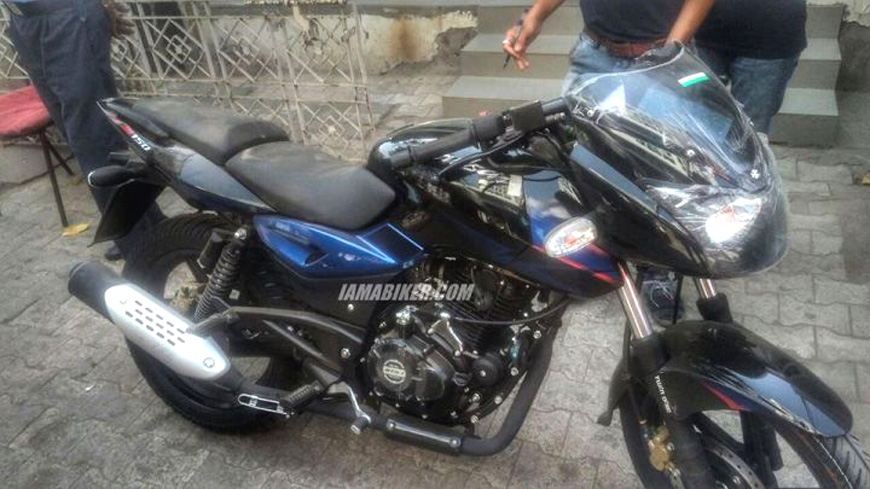
As the spy image gives away, the 2018 Pulsar 150 inherits components from its bigger sibling – the Pulsar 180. Notable additions include a fatter, 37mm front fork and a split seat along with a split grab rail – all of which are already present on the 180. Interestingly, it also gets the newer generation's foot peg assembly and pedals which look better finished and more premium (goodbye chrome!). The exhaust unit has also been revised and now looks similar to the 180’s, while also sporting a satin-finish heat shield. Unlike the 180, however, it features 17-inch alloys in a matte-black finish, rather than silver. The gas-charged shock absorbers with a piggyback reservoir will be carried forward; although the 2018 model is expected to run a wider rear tyre (120/80-17, tubeless; same as the ones on the 180) than the Pulsar 150 currently offers (100/90-17, tubeless). Another value addition is that of a 230mm disc brake at the rear, while the front also now gets a 260mm disc from the 180.
The Pulsar 150 is currently powered by a 149cc, single-cylinder, 2-valve, twin-spark motor which produces 14hp at 8,000rpm and 13.4Nm of torque at 6,000rpm. As part of its 2018 update, we expect a nominal hike in its output figures and performance but, importantly, a noticeable difference in its refinement levels – something that has been Bajaj’s area of interest, even in its last few roll-outs such as the Discover 110 and the new Avenger Street 180.
The existing Pulsar 150 is priced at Rs 73,626 (ex-showroom, Delhi) and a price hike of roughly Rs 2,000- 3,000 is expected on the 2018 model. At this point, it will be priced at level with the Honda CB Unicorn 160 (Rs 76,116 for the CBS version; Rs 73,682 for non-CBS) and will undercut the TVS Apache RTR 160 (Rs 77,518 to Rs 81,544). Note that the Honda CB Unicorn 160 doesn’t offer a rear disc brake, even in the top-end CBS variant.
The current Pulsar engine displaces 149cc and will eventually have to come with ABS as per the upcoming regulations. This is why, Bajaj is expected to launch the motorcycle this week, which is just shy of the April 1 deadline. While this model will not get ABS, it will debut in an all-new, next-generation model that is currently under development.
 Rishaad Mody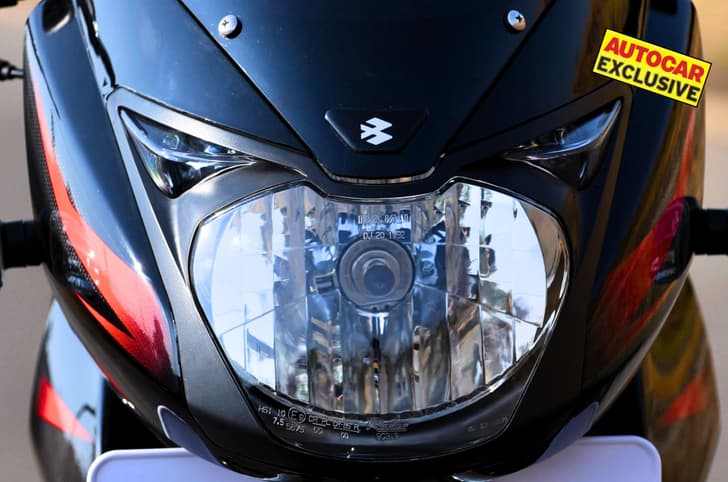
 Ved Janve
 Azaman Chothia
 Vishal Venugopal