




Last Updated on: 28 May 2026
Tata Punch
The Punch price starts at ₹5.65 lakh and goes up to ₹10.60 lakh, ex-showroom, making it the most affordable SUV from the Indian carmaker. The Punch, which has been on sale since 2021, received its first mid-life update in January 2026, adding several new features as well as a turbo-petrol engine option.
The Punch engine options include an 88hp, 1.2-litre, 3-cylinder, naturally aspirated petrol and 120hp 1.2-litre, 3-cylinder, turbo-petrol; the former unit can also be had with a CNG kit, but power drops to 73hp with this fuel type. While the Tata Punch turbo petrol engine can only be paired with a 6-speed manual gearbox, the NA and CNG versions offer both 5-speed manual and AMT choices.
Currently, 26 Punch variants are on sale. Some of the Punch top model features are a 360-degree camera, a 10.25-inch touchscreen, a 7-inch digital driver’s display, a single-pane sunroof, a wireless phone charger, automatic climate control with rear vents, and cruise control.
Key Highlights of Tata Punch:
The Tata Punch is the most affordable Tata SUV in India, with ex-showroom prices ranging between ₹5.65 lakh and ₹10.60 lakh.
- The Tata Punch mileage is competitive for its segment, with the 1.2-litre petrol engine delivering between 18.8 and 20.09 kmpl (ARAI), while the Tata Punch CNG offers a fuel efficiency of up to 26.99 km/kg.
- Punch engine options include 88hp, 1.2LNA petrol and 120hp turbo-petrol.
- Punch CNG generates 73hp and comes with Tata’s dual-cylinder setup.
- Both manual and automatic transmission options are available in Tata Punch with NA petrol and CNG models.
- Punch dimensions are 3876mm (length), 1742mm (width) and 1615mm (height); wheelbase measures 2445mm.
- Features like a semi-digital instrument cluster, a 10.25-inch infotainment system, automatic climate control and a sunroof are on offer.
- The new Punch facelift has received a 5-star Bharat NCAP crash safety rating. 6 airbags, TPMS, hill hold and descent control are a few Punch safety features.
Tata Punch Latest Updates
13 April 2026: Tata Punch ranks 6th among bestselling cars in India during FY2026.
16 March 2026: Discounts on pre-facelift Tata Punch extend to Rs 45,000 in March.
Tata Punch Features and specifications
Our Rating | 8 |
Engine | 1199 cc |
Fuel Type | CNG, Petrol |
Transmission | AMT, Manual |
Seats | 5 |
Body Style | SUV |
Doors | 5 |
Max Power | 87.8 hp at 6000 rpm |
Max Torque | 115 Nm at 3250 rpm |
| Max Engine Torque | 115 Nm at 3250 rpm |
| Max Engine Torque on CNG | 103 Nm at 3500 rpm |
| Max Engine Power on CNG | 73.4 hp at 6000 rpm |
| Pure Electric Driving Mode | No |
| E20 Compatibility | Yes |
| Emission Standard | Bharat Stage VI |
| Fuel Supply System | MPFI |
| Fuel Tank Capacity | 37 litres |
| Front Brakes | Disc |
| Rear Brakes | Drum |
| Steering Adjust type | Manual |
| Steering Adjust | Tilt |
| Ground Clearance | 193 mm |
| Height | 1615 mm |
| Boot Capacity | 210 litres |
| Length | 3876 mm |
| warranty Duration | 3 years |
| warranty Distance | 100000 |
| Acoustic Windshield | |
| Launch Control | |
| Keyless Entry | |
| Hands-free Boot Opening |
| Electronic Stability Control | |
| Child Safety Lock | |
| Curtain Airbag | |
| Day Night Interior Mirror | Automatic |
| Roof Rails | |
| LED taillights | |
| LED headlamps | |
| LED fog lamps |
| Instantaneous Consumption | |
| Average Fuel Consumption | |
| Average Speed | |
| Distance to Empty |
| MirrorLink | |
| Steering Phone Controls | |
| Steering Audio Controls | |
| Speakers | 4 |
Tata Punch price & variants
Depending on the Punch variants, features like a 10.25-inch touchscreen, a 7-inch digital driver’s display, a single-pane sunroof, a wireless phone charger, automatic climate control with rear vents, and cruise control are available.
Tata Punch Official Brochure
Download the complete brochure with specs, features, and variants.
Tata Punch expert review
We like
Well-sorted ride and handling balance
Punchy turbo-petrol engine
User-friendliness
We don't like
NA petrol engine feels lackluster
Top variants are pricey
8.0
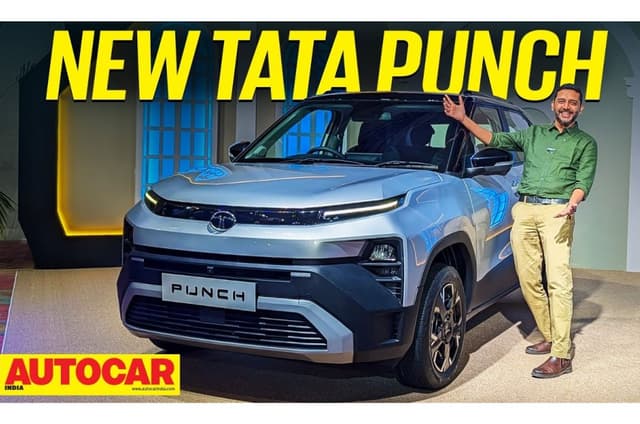
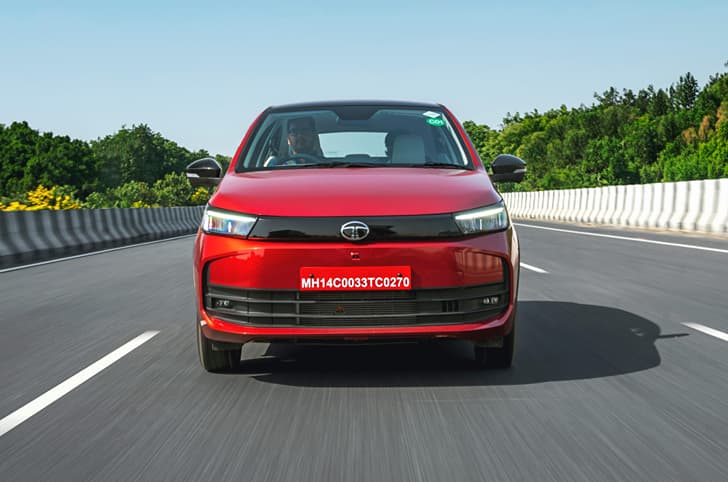
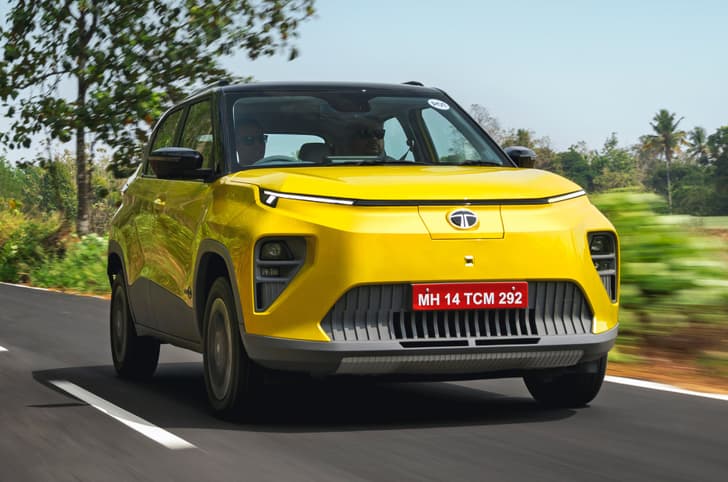
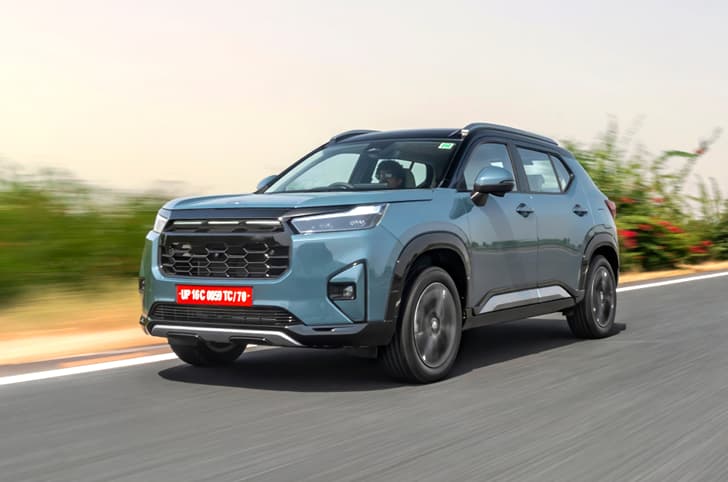
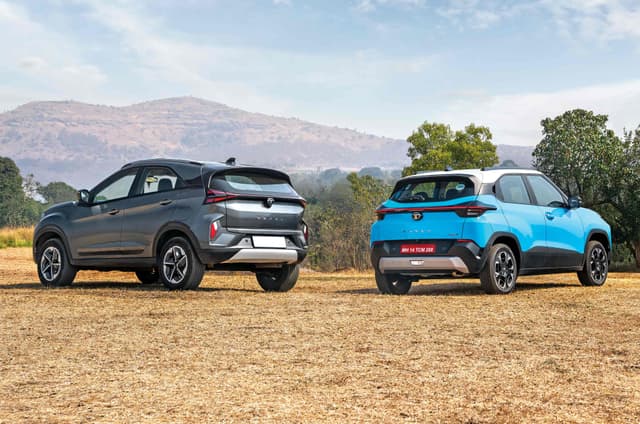
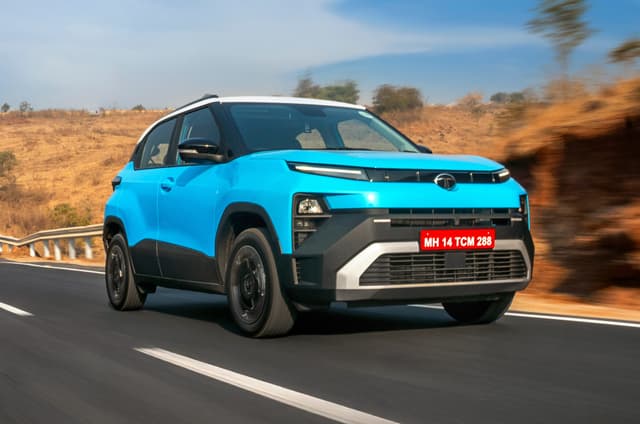
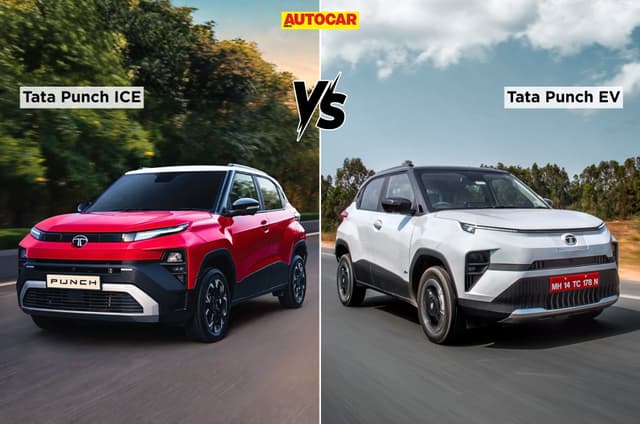
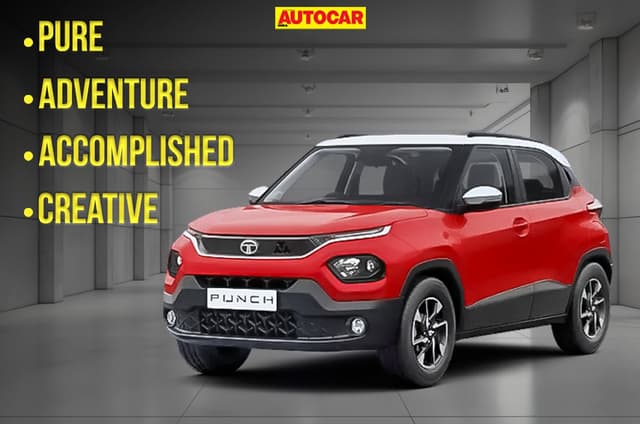
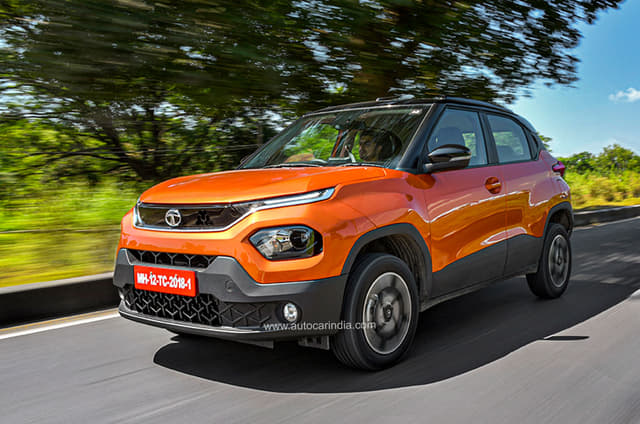
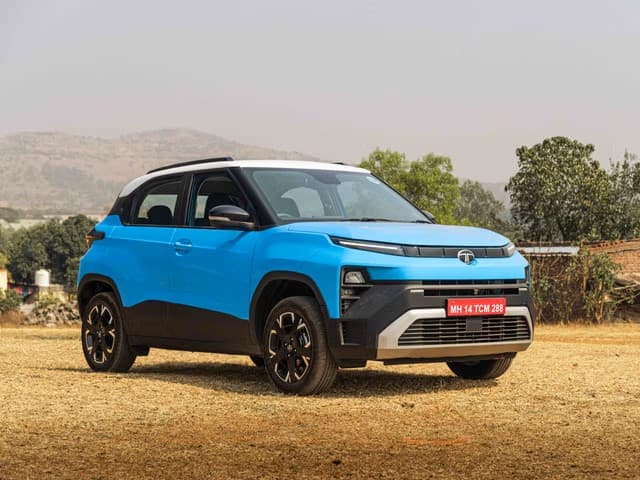
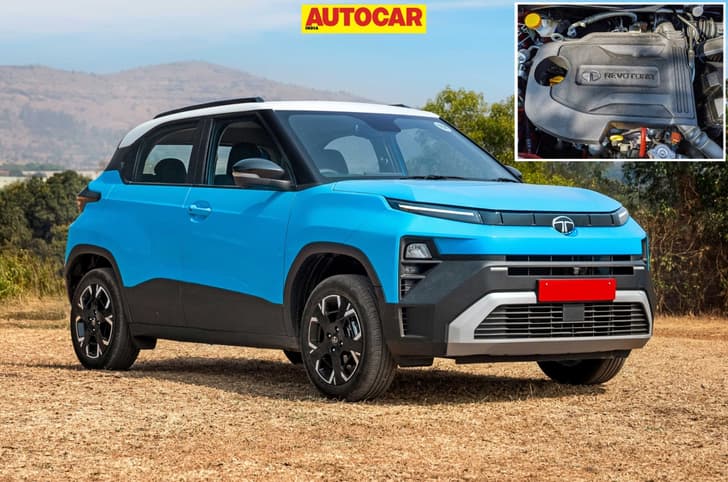
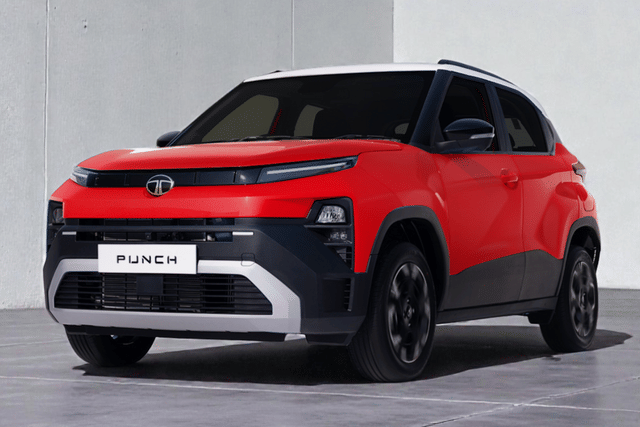
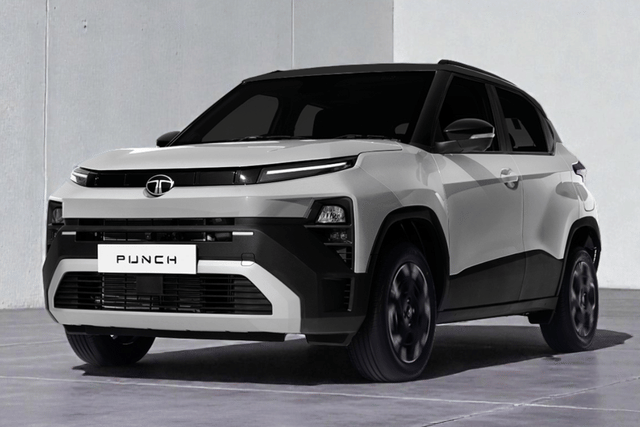
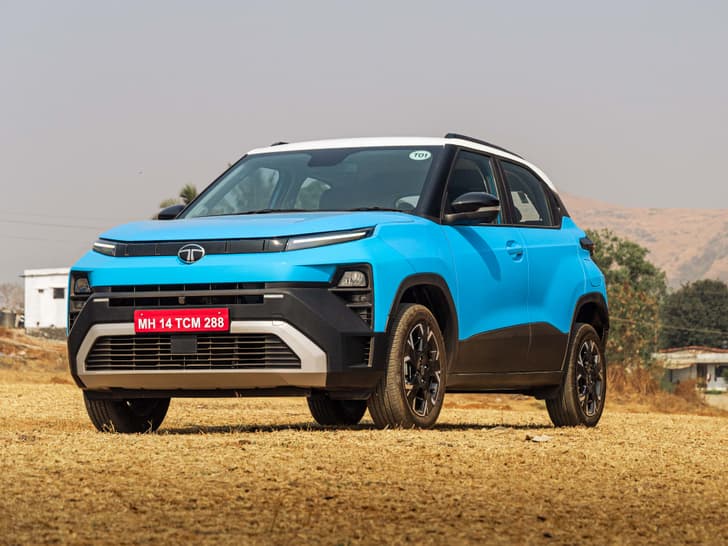
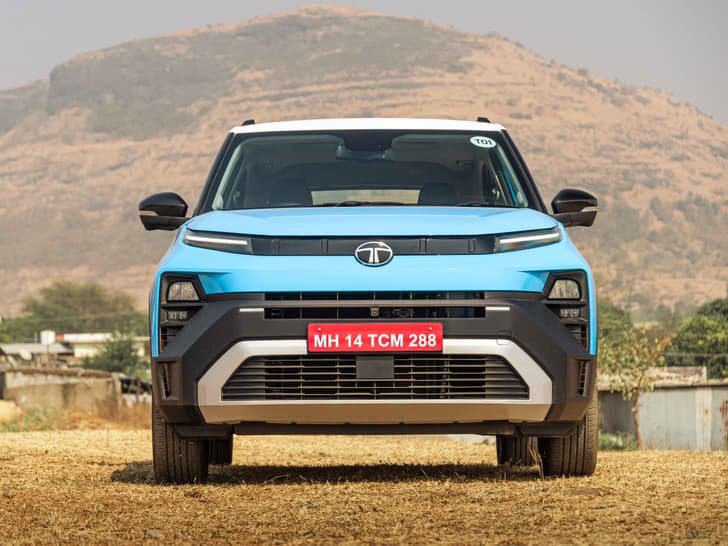
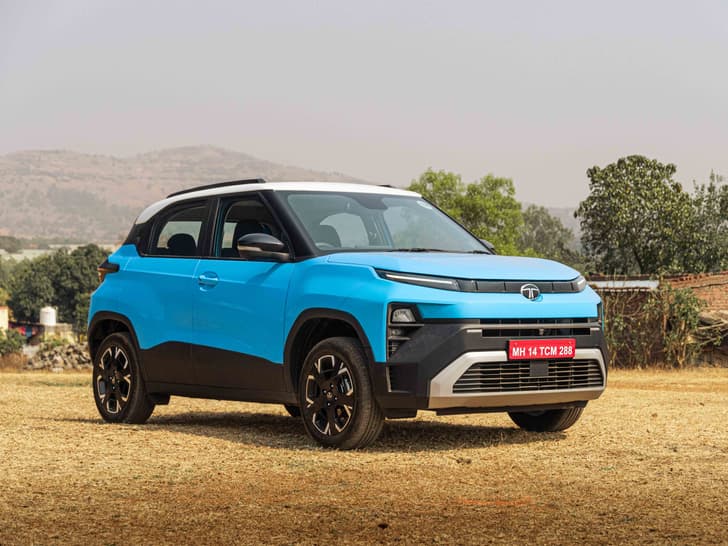
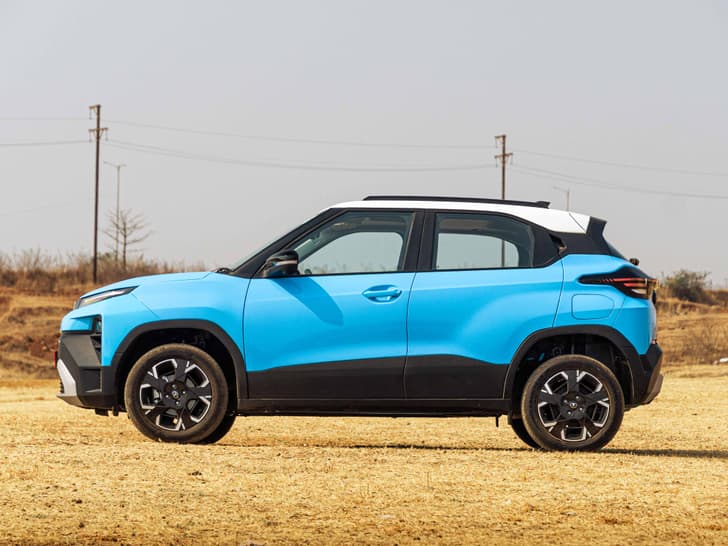
With the facelift, the Punch’s design has been aligned with the Punch EV that debuted in 2024, giving it a more contemporary face. Up front, you get vertically stacked LED headlamps positioned in the bumper, with LED DRLs placed higher up within gloss-black trim. Unlike the EV, there’s no lightbar here, but the execution still looks clean. The reworked bumper features thick black body cladding and a silver surround for the air intake, lending the Punch a slightly more muscular and rugged stance.
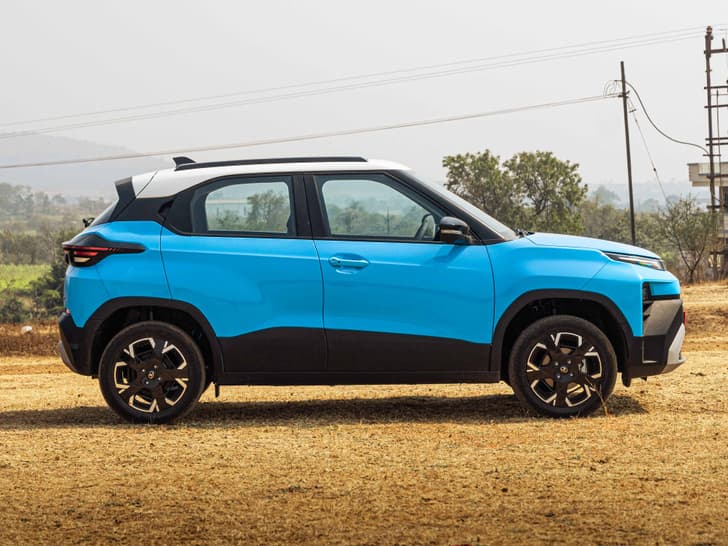
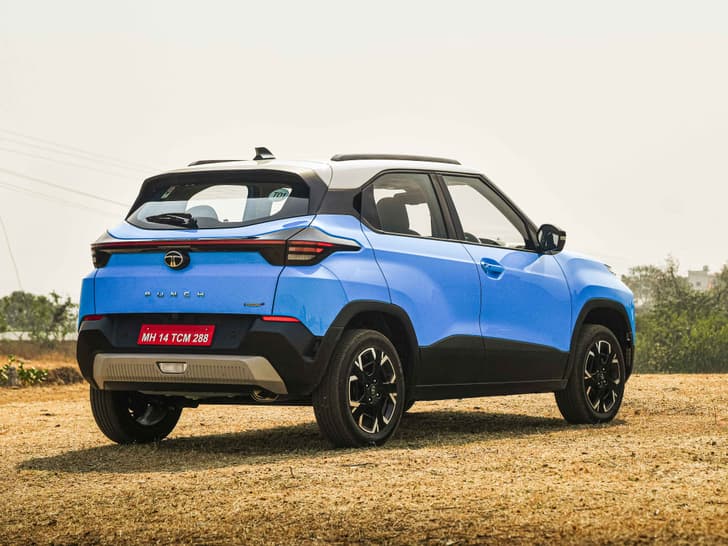
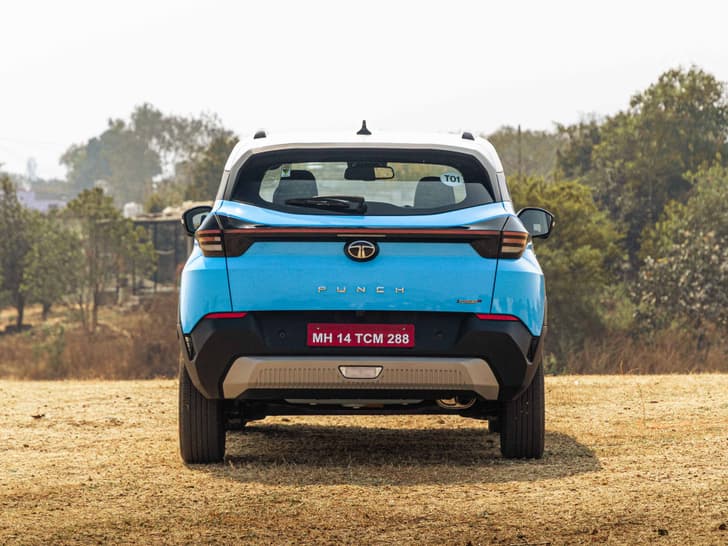
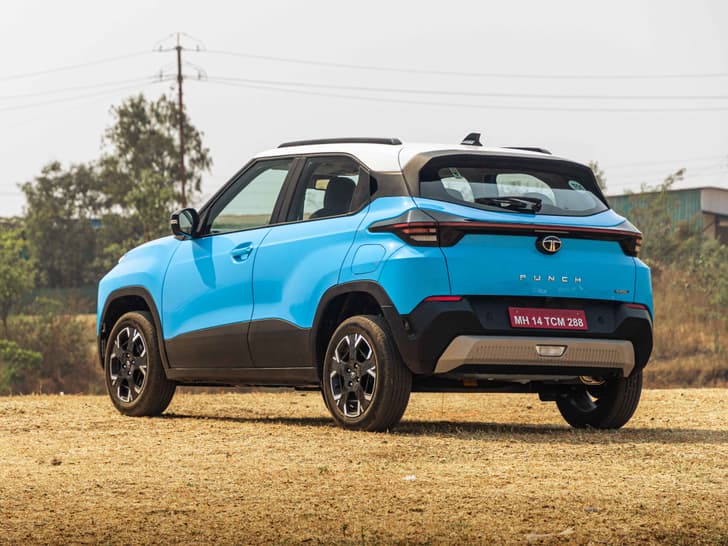
In profile, changes are minimal, with the silhouette remaining the same. The most noticeable update is the new 16-inch dual-tone alloy wheels. At the rear, the facelift brings new LED tail-lamps connected by a light bar, which visually widens the car and aligns it with Tata’s newer models. A revised rear bumper with a faux silver skid plate rounds off the SUV-inspired look.
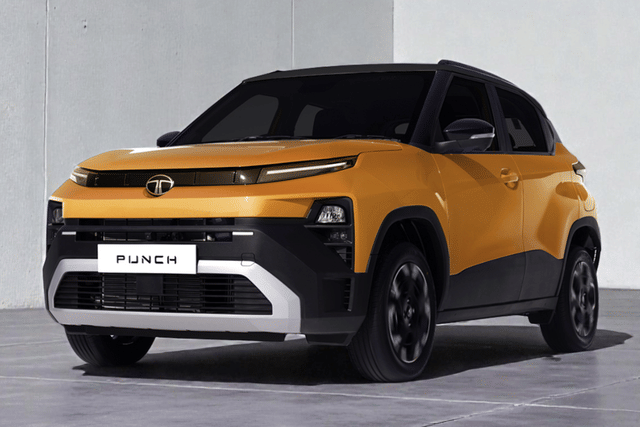
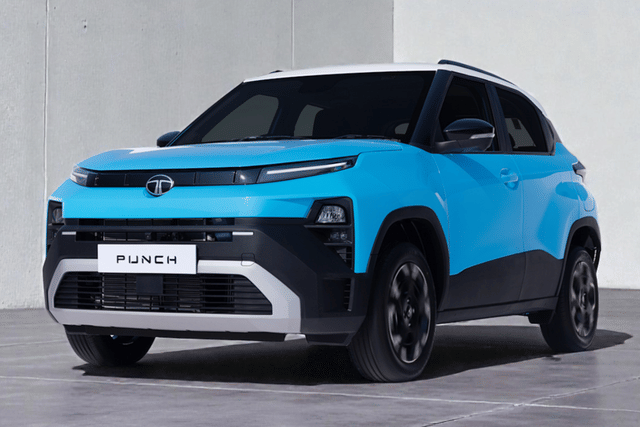
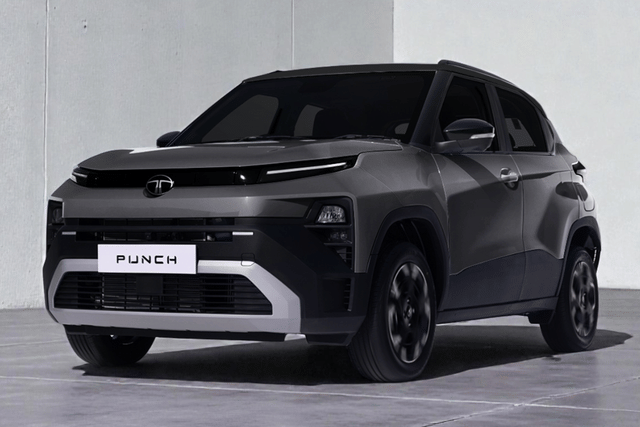
The Punch facelift is offered in six colours: Bengal Rouge, Caramel, Coorg Clouds, Cyantafic, Daytona Grey and Pristine White, with the first four being all-new additions. It continues to sit on Tata’s ALFA platform and retains 90-degree opening doors for easy access. Ground clearance is 193mm, while water-wading capacity is rated at 400mm.
8.0
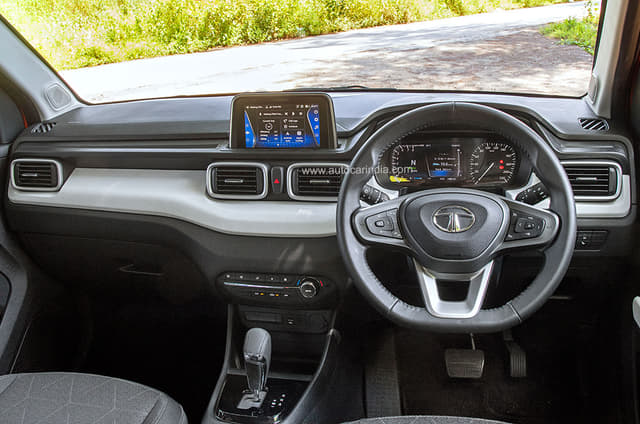
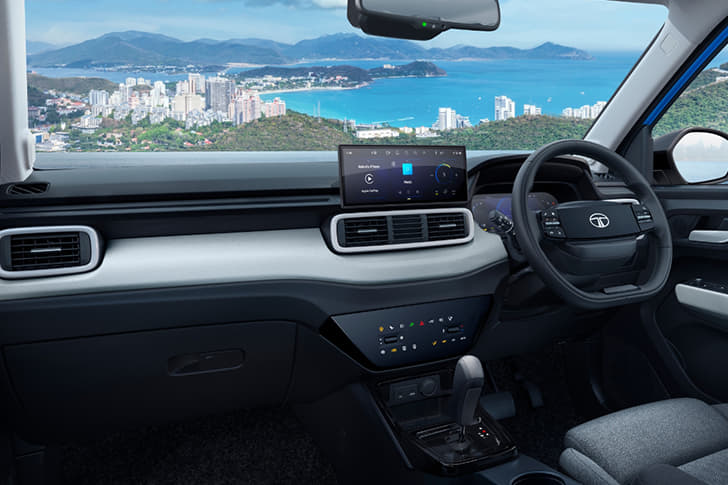
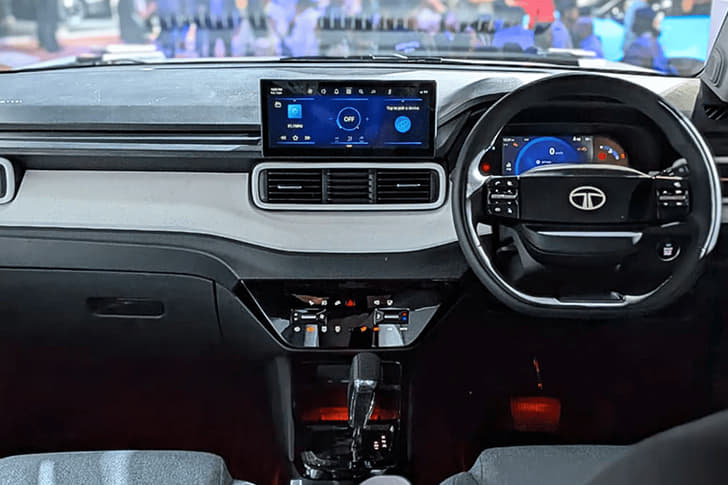
Inside, the layout is largely familiar, though there are some notable updates. The new two-spoke steering wheel with an illuminated Tata logo adds a more premium touch, while the revised touch-based climate control panel looks modern but isn’t very intuitive to use on the move. Top-spec variants now get a 7-inch digital instrument cluster with customisable displays, though some information appears a bit small. In the CNG version, it also shows petrol versus CNG usage.
The seats retain fabric upholstery but now feature a refreshed design inspired by the Punch EV, finished in a black-and-grey theme. They’re well-cushioned, and the high seating position offers good visibility. A significant upgrade is the addition of extended thigh support for both front and rear seats, which improves long-distance comfort.
Rear-seat space remains generous for the segment, with good kneeroom and a flat floor that aids comfort for a third passenger. That said, the backrest feels slightly upright, headroom will be tight for taller occupants, and only the outer rear passengers get adjustable headrests. On the plus side, rear AC vents, a type-C charging port and a fold-down centre armrest have been added.
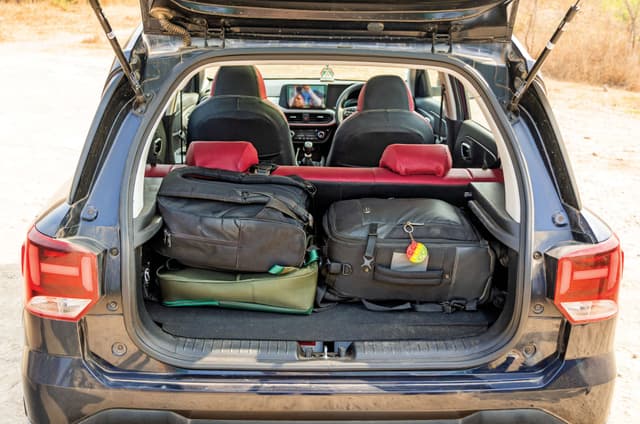
Boot space stands at 366 litres for petrol versions and 210 litres for CNGs, with both getting a spare wheel mounted under the car.
9.0
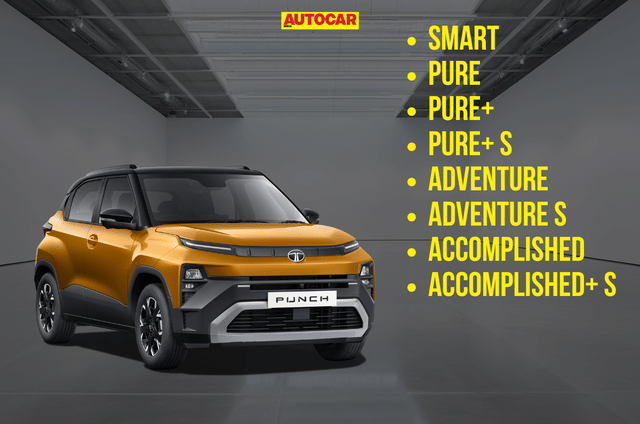
The Punch remains well equipped, especially in the range-topping Accomplished+ S trim. Highlights include a 10.25-inch touchscreen with wireless smartphone connectivity, a single-pane sunroof, auto climate control, connected tech, ambient lighting, blind-spot monitoring, cruise control and 16-inch alloys.
New additions include the 7-inch digital instrument cluster, a sharp 360-degree camera, wireless phone charging, an auto-dimming IRVM and an 8-speaker sound system. Safety is comprehensive, with six airbags as standard, ESP, TPMS, hill hold and descent control, ISOFIX mounts and three-point seat belts for all passengers. The Punch facelift has also earned a 5-star Bharat NCAP rating.
8.0
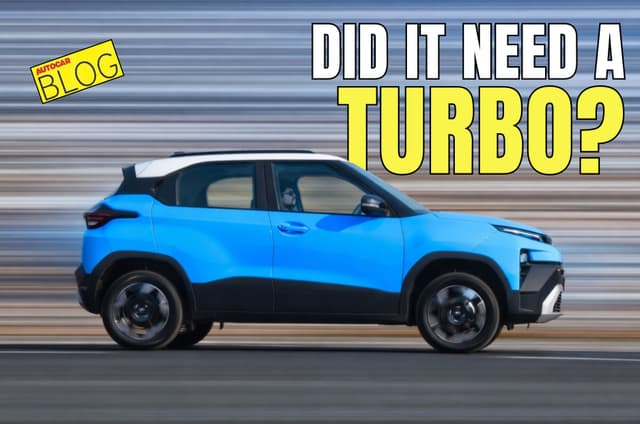
Unusually for a facelift, Tata has introduced two new powertrains: a turbo-petrol manual and a CNG-AMT. The 1.2-litre turbo-petrol, borrowed from the Nexon, produces 120hp and 170Nm and is paired with a 6-speed manual. It transforms the Punch, delivering strong performance and eager responses, with Tata claiming a 0-100kph time of 11.1sec. The gearbox, however, has a heavy clutch and slightly notchy shifts when driven hard.
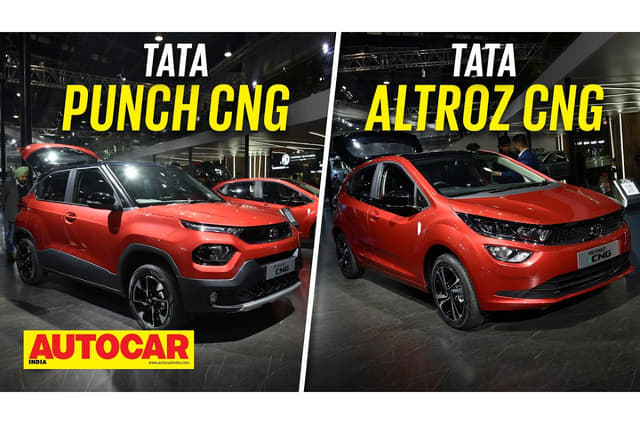
The CNG-AMT uses the familiar 1.2-litre naturally aspirated engine with 73hp and 103Nm. Performance is modest, but it’s adequate for city use and relaxed highway driving. The AMT behaves well when driven gently, and the transition between petrol and CNG modes is smooth. Dual CNG cylinders under the floor help preserve boot space, and Tata has added CNG-specific safety features.
7.0
We couldn’t conduct real-world mileage tests, and official figures are yet to be revealed. One downside is that the turbo-petrol’s MID doesn’t display efficiency below 8kpl, which can be misleading.
9.0
Ride and handling remain standout strengths. The suspension feels robust, soaking up rough roads with composure, while stability at higher speeds is excellent. The light steering is city-friendly yet consistent on the highway, and body control through corners is impressive. Even on an off-road course, the Punch performed admirably, backed by strong, progressive brakes.
7.0
Prices start at Rs 5.59 lakh, but top variants stretch up to Rs 10.54 lakh, overlapping with the Nexon. While the naturally aspirated petrol remains a weak point, the turbo-petrol finally adds the punch the SUV needed, and the CNG-AMT broadens its appeal. Overall, the updated Punch builds on its strengths and looks set to continue its strong sales run.
Reviewed by: Soham Thakur
Tata Punch reviews

Tata Punch comparison


Tata Punch news
Tata Punch Images
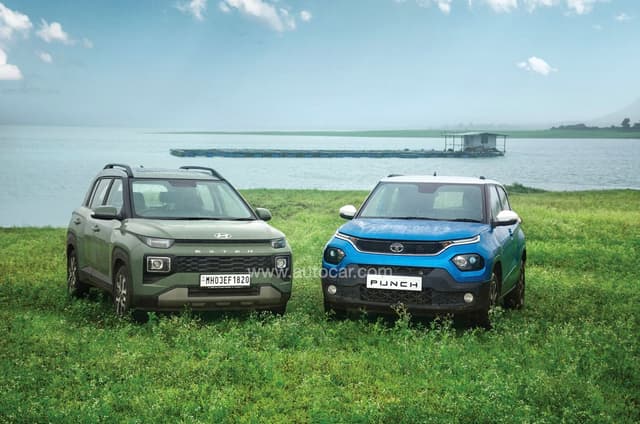
With the 2026 Punch facelift, the ICE SUV gets Punch EV like vertically-stacked LED headlights. Eyebrow-shaped LED DRLs, 16-inch dual-tone alloy wheels, and connected LED taillights are also available. Check out our Tata Punch images section to see the SUV from multiple angles.
Tata Punch videos
Have a look at our Tata Punch video gallery to gain more insights about the SUV’s exterior design, interior and features, ride and handling and much more.


Tata Punch Colours
The Tata Punch is available in 6 shades, including Bengal Rouge, Caramel, Coorg Clouds, Cyantafic Blue, Daytona Grey, Pristine White. You can have a look at our Punch colours gallery below.
Tata Punch FAQs
As per Tata, the Punch facelift has secured a full 5-star safety rating in the Bharat NCAP crash tests. The Global NCAP awarded a 5-star rating to the pre-facelift Punch in its crash assessment tests in 2021.
The petrol Punch variants offer a 366-litre boot capacity, while the CNG models provide a storage capacity of 210 litres.
The Punch CNG has a water equivalent capacity of 60 litres.
6 airbags, rear parking sensors and a tyre pressure monitoring system (TPMS), hill hold and descent control and ISOFIX child seat anchorages are a few of the Tata Punch safety features. The availability of some safety features will vary by the Punch variant.
The Tata Punch is 3876mm-long, 1742mm-wide and 1615mm-tall; wheelbase measures 2445mm.
The Tata Punch on road price range is Rs 6.68 lakh to Rs 12.13 lakh.
The Tata Punch CNG variant price range is Rs 6.69 lakh-10.54 lakh (ex-showroom).
Though not revealed officially, the Punch CNG mileage should be around 26-27km/kg.
Questions you may find useful
Gaurav
•11hI have a very tight budget, and I currently have two options available at almost the same price: Tata Punch base model (January 2026, old design) and Tata Altroz i-Turbo 2022 model. Which car should I choose, and why?

Autocar India
Pick the new Tata Punch base. With a tight budget, a brand-new car with full warranty and zero past-owner risk is the safer place to put your money than a 2022 turbo Altroz. The Punch’s higher ground clearance and easy, upright seating also make daily city use and bad roads simpler, and you will likely spend less on surprise repairs over the next few years.The Altroz i-Turbo will feel stronger on the highway and when fully loaded. It will also be better if you really care about quicker performance. But a 2022 turbo-petrol out of standard warranty can bring higher running costs if something big pops up, and fuel economy drops fast when driven hard.If you know the Altroz’s full service history and it is genuinely clean, it is tempting for power and road feel. For most first-time, budget-tight buyers though, the new Punch’s peace of mind wins.
Babu
•2dI am planning to buy a new car with a budget of around ₹7 lakh. I really liked the new Tata Punch and am considering buying the Smart variant. However, with rising fuel prices, I am now more inclined towards a CNG model for better running costs. Currently, I am confused between these two variants: Tata Punch Smart CNG Tata Punch Pure Plus iCNG The Pure Plus iCNG variant costs around ₹3 lakh more than the Smart variant, but I do like the additional features it offers. My monthly running will not exceed around 800 km, and I plan to keep the car for long-term usage. Could you please advise: Whether the Tata Punch CNG is a good long-term buy Whether the higher-priced Pure Plus variant justifies the extra cost If there are any better CNG alternatives from other brands that offer better mileage, reliability, comfort, and ownership experience within this budget

Autocar India
With your usage of under 800 km a month and long-term ownership in mind, we would first question whether CNG is actually necessary. CNG makes the most financial sense when the cost of running is significantly higher. At your usage, the payback period becomes much longer, so spending substantially more upfront purely for fuel savings may not be the smartest move. Also, while petrol prices do rise, CNG prices tend to rise too, so the savings gap does not remain fixed forever.Between your two choices, the Smart iCNG is actually the more rational pick if you are set on the Tata Punch. Yes, it is the base variant, but it still gets the essentials like LED headlamps, front power windows and central locking. So it does not feel bare bones from the usability perspective.The Pure Plus iCNG does add a lot more premium equipment like the touchscreen infotainment with wireless smartphone connectivity, reverse camera, cruise control, rear AC vents, all power windows and a more premium cabin feel. But the key question is whether you would want to stretch your budget significantly to have those niceties. That said, if fuel efficiency is your top priority and you are open to alternatives, Maruti’s CNG options make stronger sense than the Punch. The Fronx or Baleno CNG will generally offer better efficiency, a wider service network and a more proven CNG ownership experience.
Devang Joshi
•3dI am planning to buy my first car with a budget of around ₹7-8 lakh. My usage will mainly be city driving with approximately 20 km daily running, along with occasional highway trips. Since most of the driving will be in traffic, I am specifically looking for an AMT/automatic transmission. I have shortlisted the following options: Tata Punch Petrol AMT Tata Tiago AMT Maruti Baleno Petrol AMT My top priority is safety, followed by good features and overall practicality. I am not interested in a sunroof. Your suggestion will be highly appreciated. Thanks.

Autocar India
City-heavy use with a Rs. 7-8 lakh cap and safety on top points to the Tata Punch automatic, mid trim without a sunroof. It suits daily traffic because you sit higher, get a clear view, and it handles bad roads and speed breakers well. It is built strongly and has done well in crash tests, which fits your safety goal. The automatic is easy in start-stop traffic, and the car feels steady on the odd highway run too.Know this trade-off: the engine is fine for city use but does not feel very quick if you push hard, and the automatic can pause a bit on sudden moves. Also, the mid automatic trim may sit near the top of your budget, depending on your city.If you need to save more within budget, pick the Tiago automatic. It gives you most of the same city ease and safety focus in a smaller, cheaper package, though the back seat and boot are tighter. If space and a smoother, quieter drive are bigger needs, the Baleno automatic is roomy and easy, but it may stretch your budget.
Thio
•4dI am planning to buy my first car with a budget of Rs. 15 lakh. It will mainly be used for city driving, along with occasional highway trips. I am looking for an SUV, but not from the Tata Punch or Hyundai Exter segment. My priorities are long-term reliability, low maintenance and service costs, good fuel efficiency, and overall value for money. Which car would you recommend?

Autocar India
Mostly city use, a Rs.15 lakh budget and a focus on low running costs, point straight to the Maruti Suzuki Brezza. It fits your brief for long-term reliability, low maintenance and service costs, and good fuel efficiency. It is a size up from the Tata Punch/Hyundai Exter segment, but is still manageable in the city while feeling stable on the highway.Why it fits: service and parts costs are among the lowest in the class, and Maruti’s service network is widespread, so upkeep stays simple for years. The petrol engine and torque convertor auto are smooth in traffic and remains efficient if driven with a light foot. Cabin space is good for five, the rear seat is comfortable, and the boot is useful for the occasional weekend trip.Trade-offs: the cabin does not feel particularly premium, and the engine lacks the punch of a turbo-petrol on the highway. It is also worth noting that a facelift for the Brezza is expected towards the end of the year, possibly with a turbo-petrol engine. Alternatively, consider the Hyundai Venue 1.0 DCT if you want a more modern cabin and stronger highway performance.Overall, for city-first use and long-term peace of mind, the Brezza is a good fit.
Bharat
•5dHi, I am planning to buy a CNG AMT car and have shortlisted the Tata Punch and Tata Altroz top models which are both accomplished+ S AMT CNG models. Which one should I choose?

Autocar India
Mostly city use with CNG and an automatic points to the Tata Punch Accomplished Plus S AMT CNG. It suits daily traffic better because the higher seat and compact size make it easier to see out of, slot into gaps, and park. Bad roads and tall speed breakers are less of a worry too, thanks to its extra ground clearance and suspension that handles bumps well. With Tata’s twin‑cylinder CNG setup, you still get usable boot space for weekly shopping or a couple of small bags.One trade-off to note: The Punch’s back seat is not as wide as the Altroz's, so three adults will be a squeeze.Pick the Altroz Accomplished Plus S AMT CNG only if you do more highway runs or often carry five. It feels steadier at higher speeds, the cabin is wider for the rear bench, and the lower stance gives a more settled long‑distance feel.For your brief though, the Punch Accomplished Plus S AMT CNG lines up best. Do confirm CNG‑automatic availability and wait times with your Tata dealer.
Ashu
•6dI currently drive a Hyundai i10 CNG, with a monthly running of around 400 km, and am now planning to upgrade my car with an on-road budget of around ₹15 lakh. My running could increase to nearly 1,000 km per month in the future if my work location changes. My key priorities are: Good suspension and ride comfort Good fuel efficiency in heavy city traffic Low maintenance costs Comfortable seats for daily usage A feature like ventilated seats would be nice to have, but it is not essential. I am currently considering the Maruti Brezza, Tata Nexon, Kia Seltos, Tata Sierra, and even upcoming ICE/CNG/EV options. I am also open to considering a used car that is up to 3 years old if it offers better value.

Autocar India
You should consider the Maruti Suzuki Brezza CNG, ideally the mid variant. It fits your brief because it gives very good mileage in stop-go traffic, and if your running rises to 1,000 km a month, the lower fuel cost helps even more. The suspension deals well with rough city roads, the seats are supportive for long hours, and Maruti’s service is easy and usually light on the wallet.Know the trade-offs: The CNG is only available with a manual, and it will feel underpowered on hills or with a full load. The CNG tank also eats into boot space. If you want an automatic for traffic, pick the Tata Punch CNG AMT automatic instead; you’ll lose some mileage, and it's a smaller car, but it will be more convenient to drive.
Ravi
•1wI earn a take-home salary of Rs 80,000 and currently own a 2014 Alto 800. Which car should I upgrade to for better safety and modern features?

Autocar India
Instead of your take-home salary, it would be better to help us with the budget you are comfortable allocating for your new car purchase, because several factors affect your capacity to spend like age, responsibilities, existing liabilities, etc.Assuming you plan to sell your outgoing Alto 800 and use the sales proceeds as a down payment, with an EMI of around Rs 15,000, you could look at cars with an on-road price of Rs 8.50-9 lakh. For the money, you could consider a Maruti Baleno or Toyota Glanza, both of which will feel like a proper upgrade compared to your outgoing car. SUV alternatives are the Tata Punch and Hyundai Exter, and if you prefer a sedan, the Maruti Dzire is also a good buy.
Ganesh Natarajan
•1wHello team, I am planning to buy a compact SUV. Shortlisted vehicles are 3XO, Venue Automatic, Sonet, the new Punch, and Nexon. Please suggest. I am in the process of shortlisting the Venue Automatic.

Autocar India
The new Hyundai Venue is a genuinely well-rounded package. It is more spacious than before, the rear seat is now comfortable enough for two adults, the turbo petrol engine feels punchy, and overall, it is easy to live with. The only caveat is the DCT gearbox. It is smooth enough in normal use, but it is not as seamless in traffic as the 3XO’s torque converter automatic, which is where the Mahindra clearly has the advantage.The Mahindra XUV 3XO also has a wider and more spacious rear seat, making it a better five-seater if family use matters. The downside is boot space, which is among the smallest in the segment, so if luggage carrying matters, that is worth keeping in mind.The new Tata Punch is a solid improvement over the older car, but compared to the others here, it does not feel as premium, as powerful or as sophisticated, which is reflected in its lower price positioning. The Nexon is still a competent option, but against the fresher 3XO and Venue, it now feels a little dated.
Yu
•1wMy budget is under ₹10 lakh, and I am planning to buy a CNG car. My usage will be evenly split between city/village driving and highway travel, roughly 50:50. Could you please suggest the best options considering fuel efficiency, reliability, comfort, performance, maintenance costs, and suitability for mixed road conditions?

Autocar India
With a budget under Rs. 10 lakh and an even split between city, village roads, and highways, the Tata Punch CNG in a mid-variant is the stronger fit. It rides over rough village patches without scraping, feels steady at highway speeds for a small car, and the twin-cylinder CNG layout still leaves useful boot space for bags on longer trips.This suits your use because village roads need good ground clearance and a tough suspension, highway use needs a car that feels stable and confident, and CNG saves running costs while keeping day-to-day drivability easy in traffic.The trade-offs: it is not very quick in CNG, so fast overtakes need a bit of planning, and higher trims may stretch your budget in some cities, so stick to the lower-mid variant and add only the features you truly need.The Hyundai Exter CNG is an alternative, and it also gets a dual tank setup, but it won’t handle broken village roads as confidently as the Punch.Overall, for your mix of roads, the Punch CNG lines up best.
Nilesh Nagwekar
•1wCurrently, I have been using a Maruti Suzuki Celerio CNG for more than 8 years. My monthly running is around 1,100-1,200 km. Since I am now finding the limited boot space restrictive, I am planning to upgrade to a bigger and more practical car. My driving pattern is approximately 60% highway and 40% city usage regularly.

Autocar India
Given your high level of driving, with mostly highway usage, good fuel economy must be a high priority. The best answer would be a diesel or a hybrid, but neither of those will fit in your budget of Rs 5-10 lakh. A good option worth considering might be a used diesel SUV like a Gen 1 Maruti Suzuki Vitara Brezza diesel or Gen 1 Hyundai Creta diesel. If well-maintained and in good condition, these would be good upgrades from your Celerio CNG, and you should be able to find examples in your budget.However, if you would like to stick to a new car, do not discount CNG entirely. There are plenty of new CNG models that use twin-cylinder setups to reduce the impact on boot space. Good options that fall in your budget are the Tata Punch i-CNG and the Hyundai Exter Hy-CNG Duo, both of which have reasonably sized boots, despite the use of CNG tanks.