

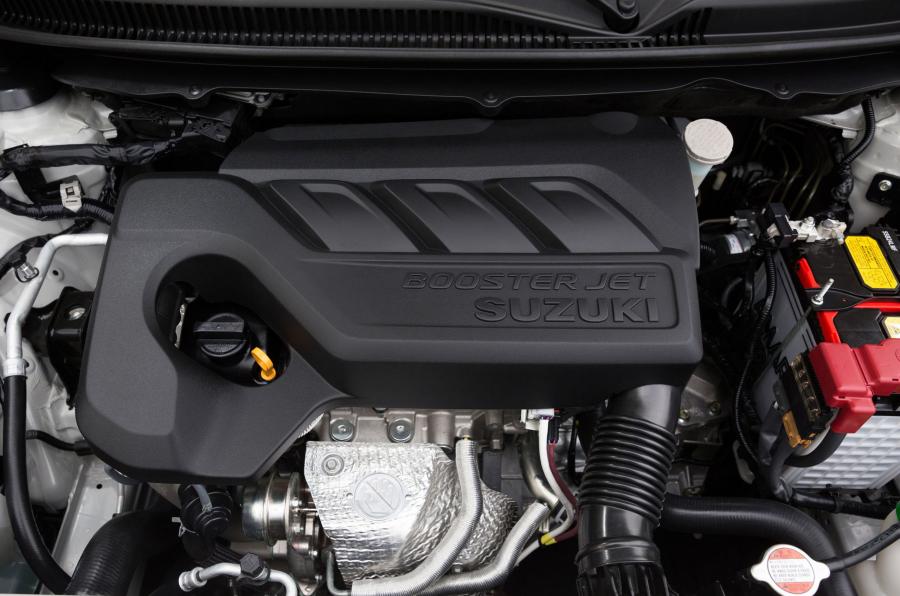



Maruti is set to introduce its first turbo petrol in India with the launch of the Baleno RS this March. To be called 'Boosterjet', the 1.0-litre, three-cylinder engine will produce 102hp. The new turbo motor extracts significantly more power from a smaller cubic capacity by increasing the amount of fuel burnt within the same cubic capacity. And what also gives torque a boost at low engine speeds is that it makes use of direct injection. However, this technology is by no means first in segment; VW and Ford already have the 1.2 TSI and 1.0-litre Ecoboost engines on offer, respectively.
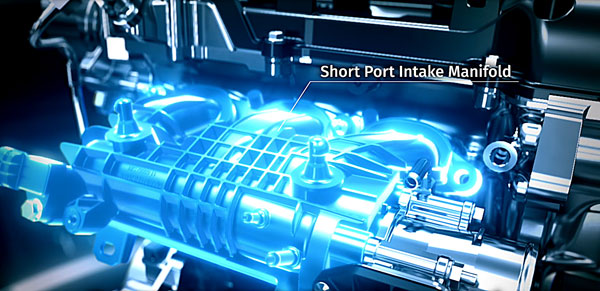
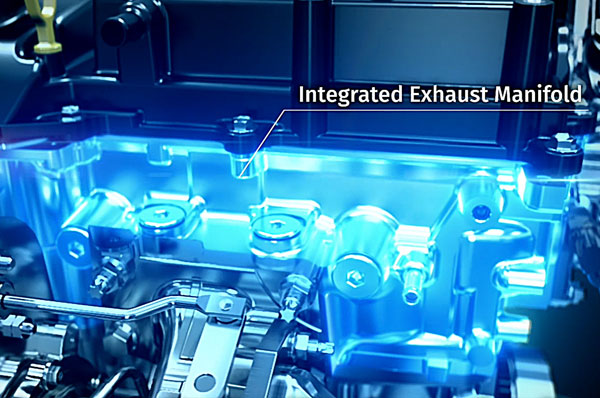
The Boosterjet engine will be a pretty compact and light unit. The air intake ports have been shortened and the exhaust manifold integrated into the cylinder head to save weight. The turbocharger and intercooler, however, add to its overall size.
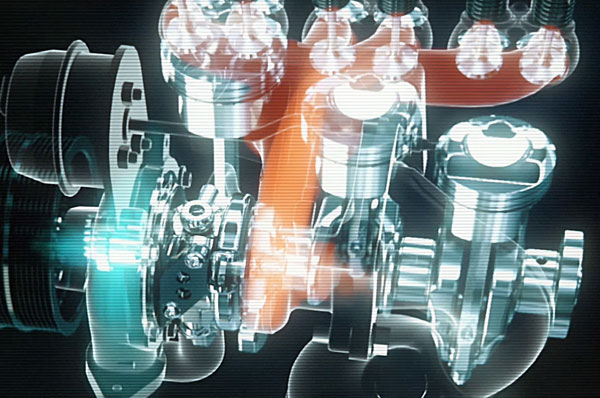
The turbo itself is a fixed geometry unit that is driven on exhausts gases and spins to 2,17,000rpm to supply more air into the engine. More air means more fuel burned, and that translates into more power. This turbo uses a wastegate valve that opens at low and mid- speeds to reduce boost and prioritise fuel efficiency, and closes at high speeds to increase boost for maximum performance. Air from the turbo is cooled via an intercooler before it enters the combustion chamber and so it remains dense, thereby increasing the volume.
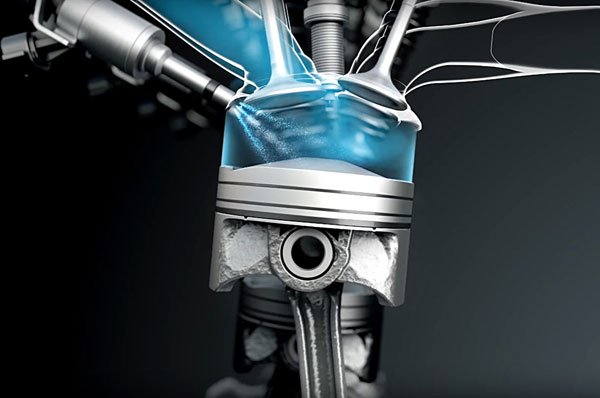
The direct-injection technology sees fuel being injected directly into the combustion chamber at high pressure (200psi). This is unlike Maruti’s other conventional petrols where the air-fuel mixture is introduced in the intake manifold. The injectors have six-hole nozzles for better spray characteristics, while the combustion chamber and piston architecture are optimised to enable a better ‘tumbling effect’ that aids combustion.
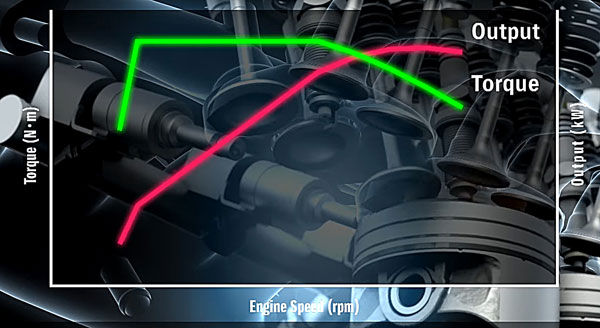
With direct injection and turbocharging working in sync, the Boosterjet will have a relatively flat band of max torque (150Nm) from 1,700-4500 rpm giving it a very strong mid-range. Top-end too is expected to be good. Driving with a light foot, sticking to the low and mid-range should ensure good fuel economy, but accelerate and that figure drops significantly. Due to quality of fuel available in India, the Boosterjet has been detuned from 111hp in order to run on regular 91 octane. As a pre-emptive measure, Maruti has also mandated the use of an additive every 20,000km to tackle formation of excessive soot and carbon deposits in the manifold.
With the Boosterjet powering the Baleno RS that will weigh around 930-950kg, we expect a power-to-weight ratio of over 100hp per tonne making it one of the fastest Marutis ever. Also, this engine could soon find its way in the Ciaz, Brezza and Ertiga. To see how it performs in the real world, wait for our first drive of the Baleno RS.
Also read:

 Rivan RS
 Viraaj Bhatnagar
 Uday Singh

 Suraj Viswanathan