





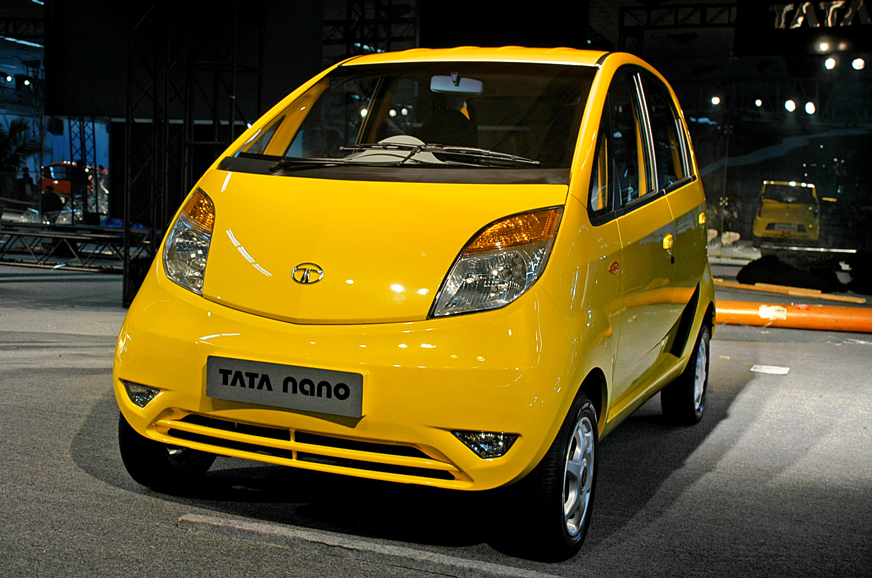
A decade after Tata Motors first showcased the Nano at the 9th Auto Expo in January 2008, the company is expected to officially announce plans to discontinue its small car. The announcement will likely be made by Natarajan Chandrasekaran, Chairman, Tata Motors at the carmaker's 73rd Annual General Meeting on Friday, August 3, 2018.
Sales of the Nano, which was dubbed the 'world's cheapest car', have dipped sharply in the past year. Tata Motors sold just 65 units of the model in April-June 2018 – down 92 percent from the 872 units sold in the same period of the previous year. In June 2018, Tata sold 3 units and produced one single unit of the Nano. However in the month of July, 50 units were produced at the Sanand plant in Gujarat.
With no signs of sales picking up, the high costs involved in upgrading the Nano to meet the upcoming crash test norms simply don’t stack up. India’s latest crash test norms came into effect on October 1, 2017 for new cars and will widen in scope come October 1, 2019 to apply to all cars on sale in the country. Though the official date for end of production of the Nano has not been announced, it is likely that the company will not wait until the new safety norms kick-in. The carmaker will most likely discontinue the model by the end of 2018-19 fiscal.
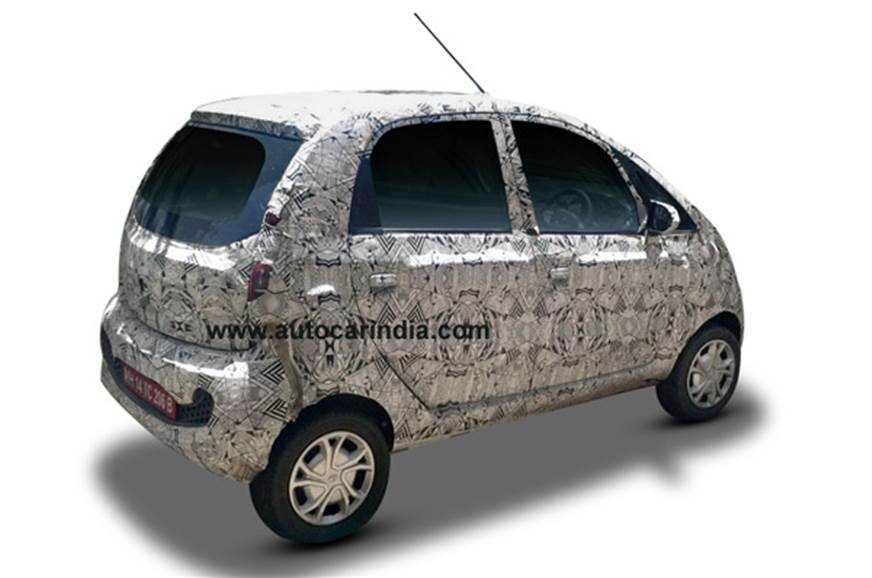
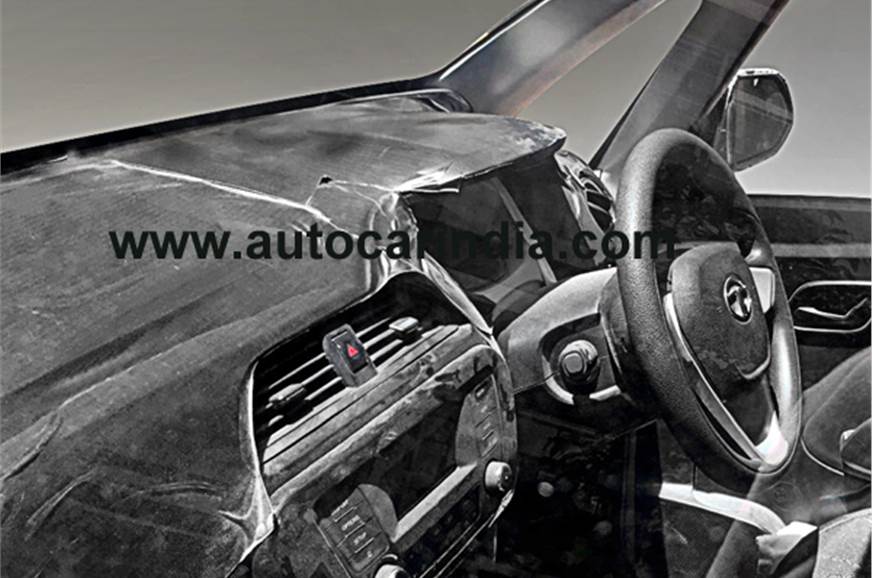
Any additional investment in the Nano will further increase the price of the model, which is already saddled with the baggage of being known as ‘the Rs 1 lakh car’. Company insiders say that around Rs. 400 crore was spent in developing the next-generation Nano (codename: Pelican). The model was designed to meet the latest norms but the project has since then been abandoned.
The move to discontinue the Nano would also be in line with Tata Motor's two-platform strategy for its future models. Both the platforms – namely ALFA and OMEGA – will be modular and are aimed to help the carmaker achieve greater economies of scale.
Worth noting is that the entry-level segment as a whole in India is shrinking as more and more first-time buyers are jumping to higher segments. Renault's once-hugely popular small car Kwid has lost its sheen and demand for the Datsun Redigo is stymied, too. India's venerable top-selling car – the Maruti Alto – lost its top position to the Dzire in June 2018. Cumulative sales of the Nano, Hyundai Eon, Kwid, Redigo and the Alto totaled 96,923 units in April-June 2018 – down 6 percent, year-on-year.
 Rivan RS
 Viraaj Bhatnagar
 Uday Singh
 Suraj Viswanathan