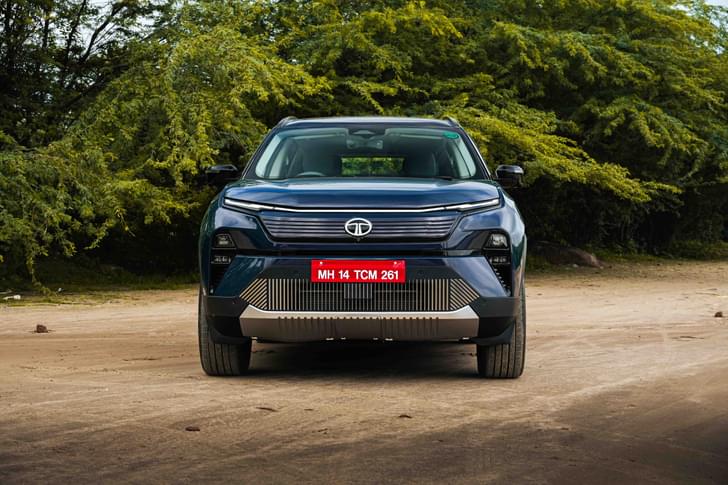



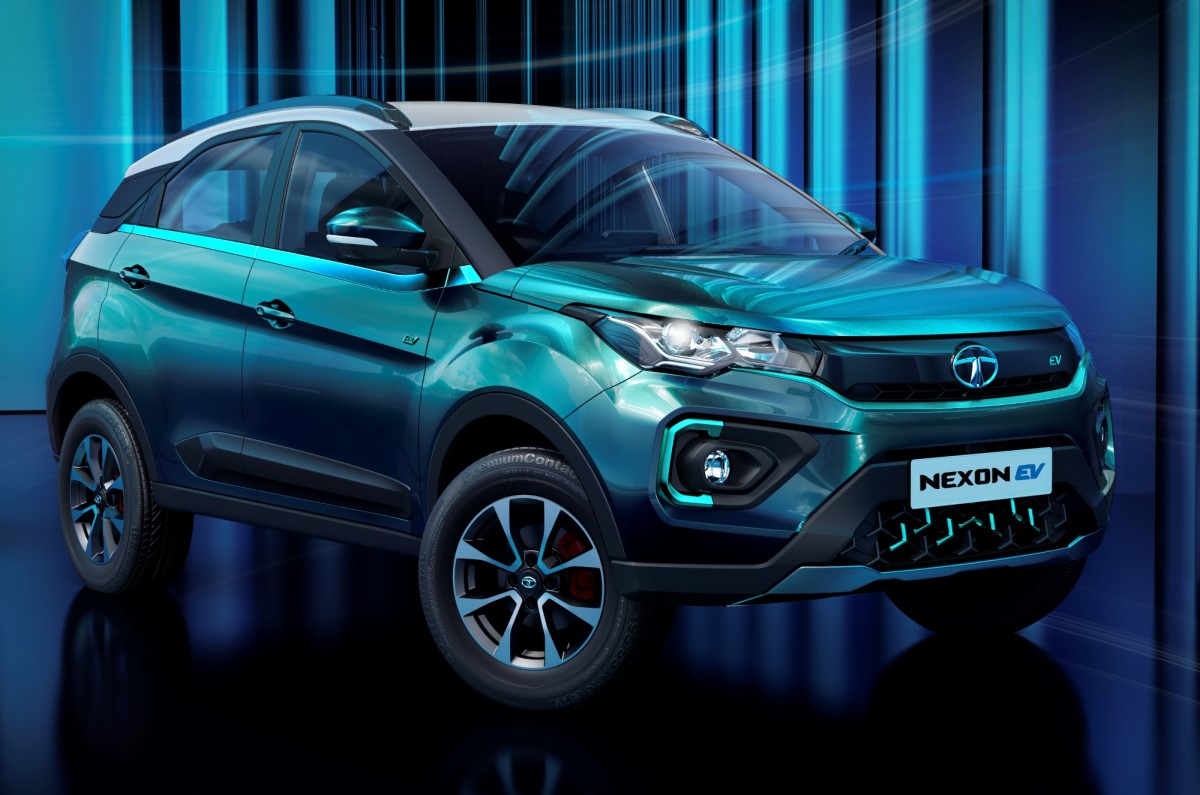

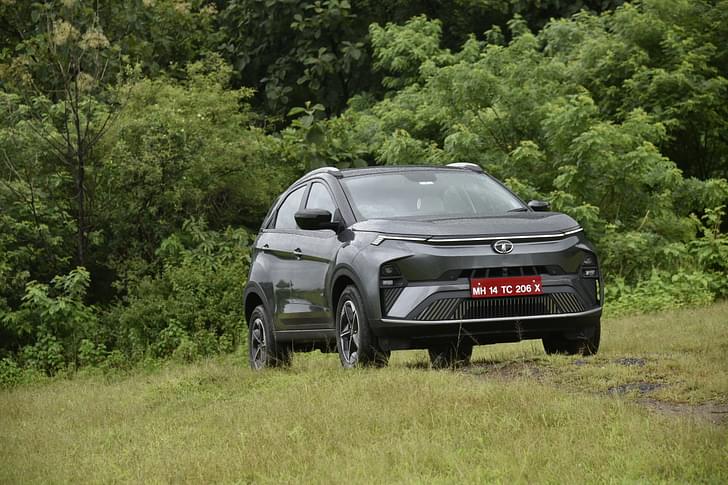
The Tata Nexon EV, which is currently India’s best-selling electric passenger vehicle and celebrating its one-year anniversary today, is approaching the 3,000-unit sales milestone. Launched on January 28, 2020, the eco-friendly compact SUV has seen rapid consumer acceptance.
- Nexon EV sales crossed the 2,500 mark at the end of December 2020
- Tata claims a 64 percent market share in the EV segment
Sales of the Nexon EV had crossed the 1,000 mark on August 18 – seven months after rollout – and crossed the 2,000-unit sales mark in 10 months on December 2, 2020. Nexon EV sales are now racing towards 3,000-unit sales.
As per our sister publication, Autocar Professional’s statistics, the Nexon EV has sold a total of 2,530 units from launch till end-December 2020. The Nexon family together – petrol, diesel and electric – has sold a total of 1,64,734 units since the game-changing compact SUV was launched on September 21, 2017.
With its compelling value-proposition, the Nexon EV has emerged as the best-selling electric car in India. Currently, Tata Motors is leading the EV segment with a 64 percent market share.
Making an eco-friendly difference
Appreciating the strong response from customers, Shailesh Chandra, President – Passenger Vehicle Business Unit, Tata Motors, had said in December 2020, “The Tata Nexon EV, since launch, has captured the imagination of the entire nation and has consistently led the way for the electric vehicle segment. Offering thrilling performance, connected drive experience with zero emissions and at an attractive pricing, the Nexon EV has found widespread acceptance among its customers. This growing demand is on the back of increased awareness, growing charging infrastructure, encouraging government incentives, breaking myths that surrounds EVs, and most importantly the undisputed benefits that it offers – lower operating cost. Further, with the continued support from the government in terms of incentives such as benefits on registration and road tax, we hope that EVs will soon become the most desirable and a mainstream choice for the customers in India.”
To accelerate the adoption of EVs in India, Tata Motors also introduced a holistic e-mobility ecosystem called ‘Tata uniEVerse’ to closely leverage the strengths and experience of other Tata Group companies to create a viable EV environment. This enables consumers to get access to a suite of e-mobility offerings including charging solutions, innovative retail experiences and easy financing options.
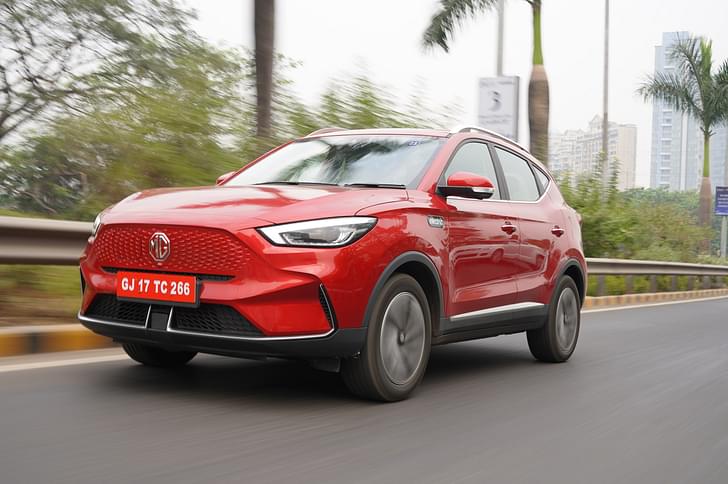
What has worked in the Nexon EV’s favour, besides its SUV appeal, are its sorted fundamentals and a value-for-money price tag that undercuts other EVs (namely the MG ZS EV and the Hyundai Kona Electric) by over Rs 7 lakh. Over the past few months, Tata Motors has tweaked certain aspects of the vehicle after analysing the driving behaviour of several EV users, and incorporated relevant customer feedback in its latest software update to make the Nexon EV’s drive experience smoother and the car more user friendly.
While this EV commands a hefty premium over the internal combustion engine versions, factor in the government subsidies and its extremely low running costs and it will begin to make financial sense. The Tata Nexon EV’s ARAI-certified range stands at 312km on a single charge, which is calculated using fixed parameters under urban driving conditions. In our exhaustive Nexon EV road test, it achieved 208km in a mixed city-highway driving cycle. A higher degree of regeneration while driving in the city resulted in an urban range of 216km, whereas on freer roads with the motor constantly working with less regeneration, the highway range stood at 201km on a full charge.
Meanwhile, in association with Tata Group company Tata Power, Tata Motors has established a robust process towards installing a home-charger at the residence of every Nexon EV customer. Tata Power also has the largest network of CCS2 fast chargers (compatible with Nexon EV). Till date, the company has set up more than 300 charging stations in 26 cities and on several prominent intercity routes across India. It is planning to scale this up to 700, across most major cities and highways by March 2021.
 Rivan RS
 Viraaj Bhatnagar
 Uday Singh
 Suraj Viswanathan