

Kia cars in India (12)



Find cars by budget
Filter your search
Filter your search
Find cars by fuel type
Kia Cars - FAQs
Kia car price in India start at around ₹7.50 lakh and go up to ₹1.30 crore (ex-showroom).
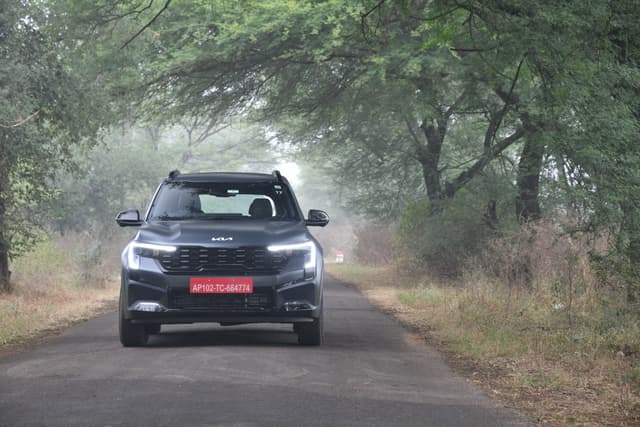
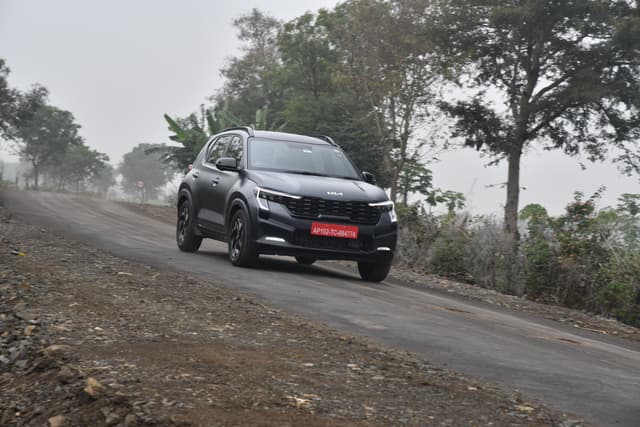
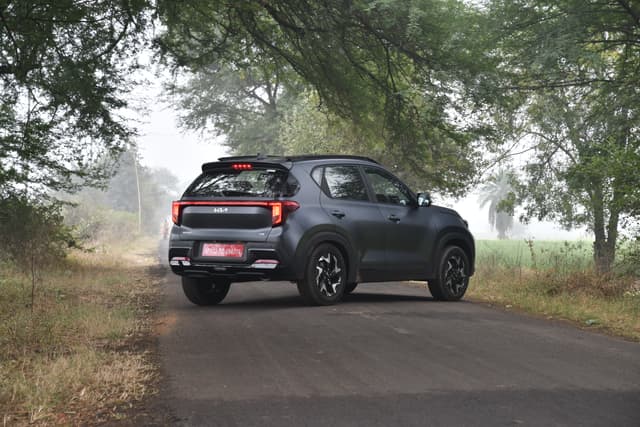
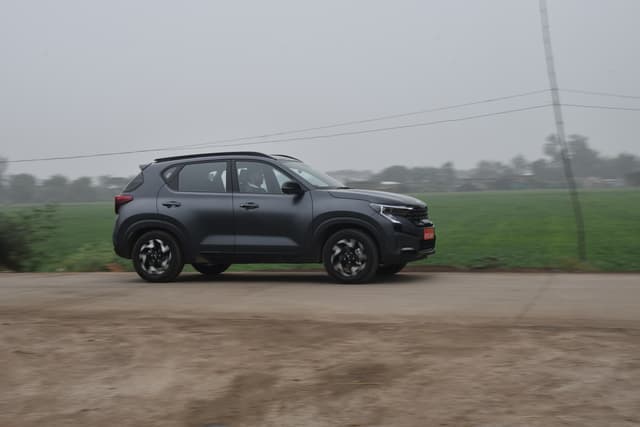
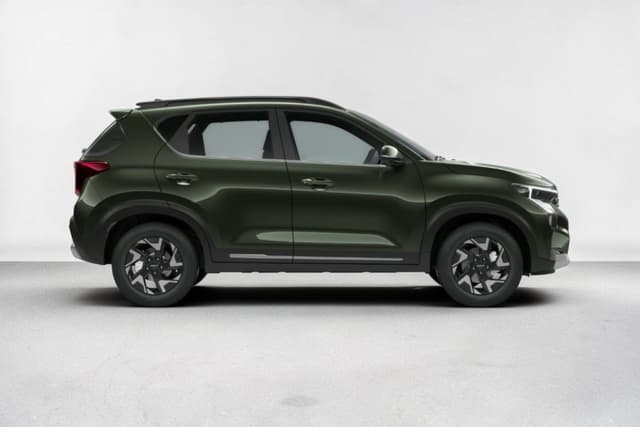
The Sonet is the cheapest among all Kia cars in India. Its price starts at around ₹7.50 lakh (ex-showroom).
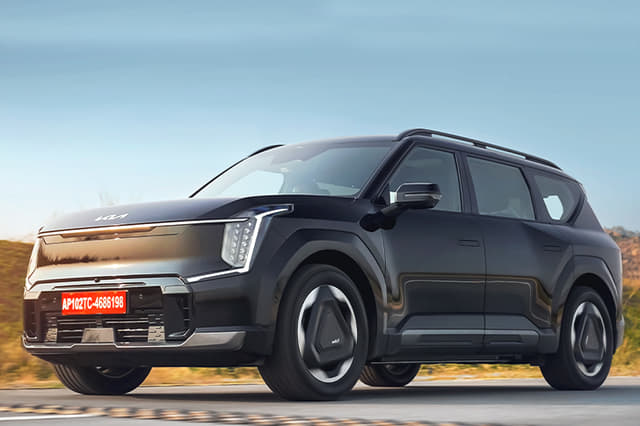
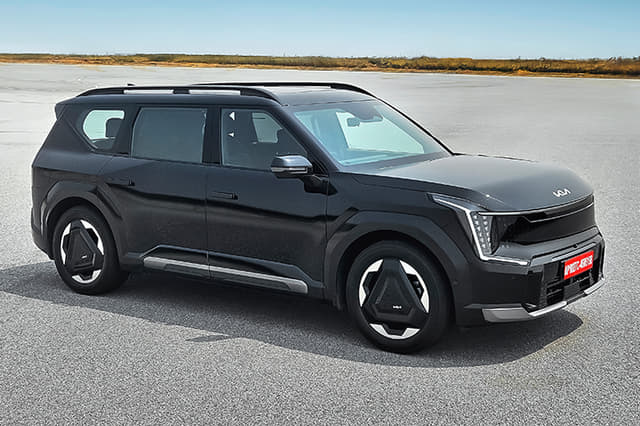
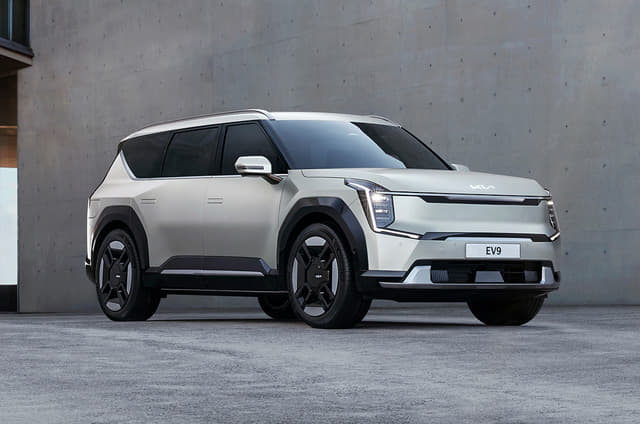
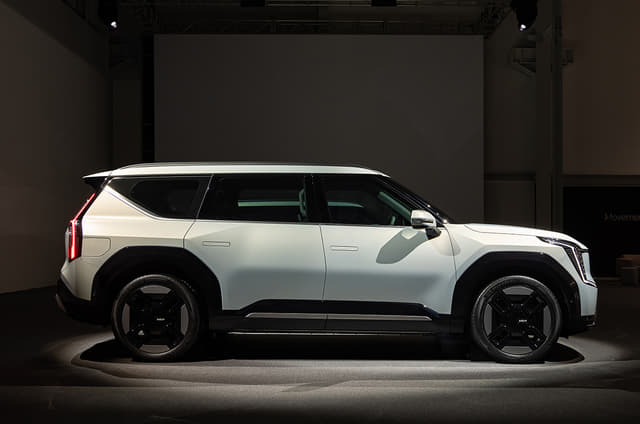
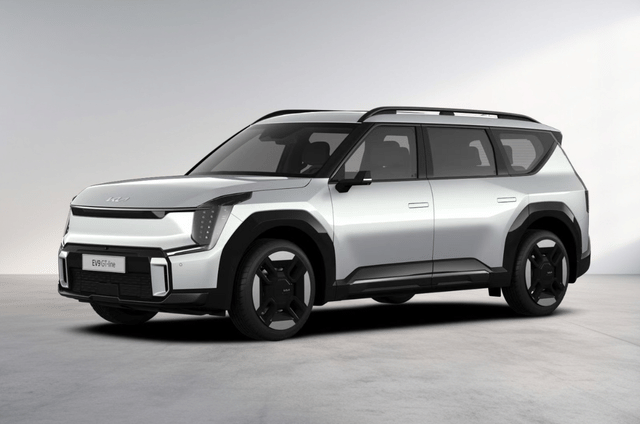
The EV9 is the most expensive model in the current Kia India lineup. It is priced at ₹1.30 crore (ex-showroom).
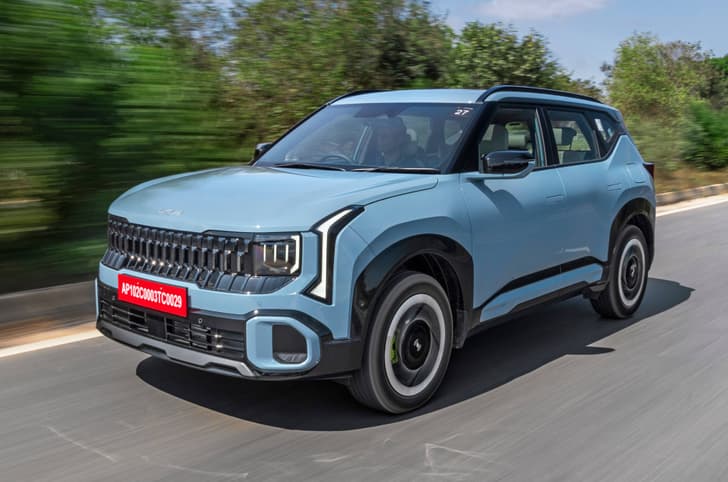
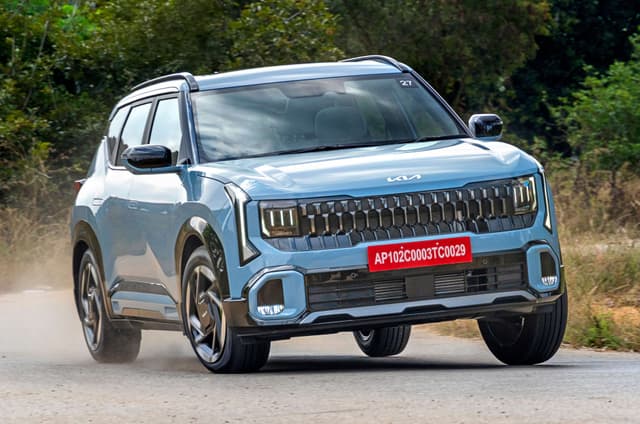
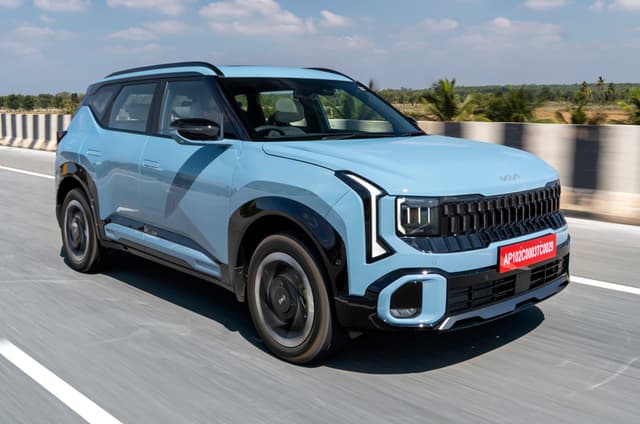
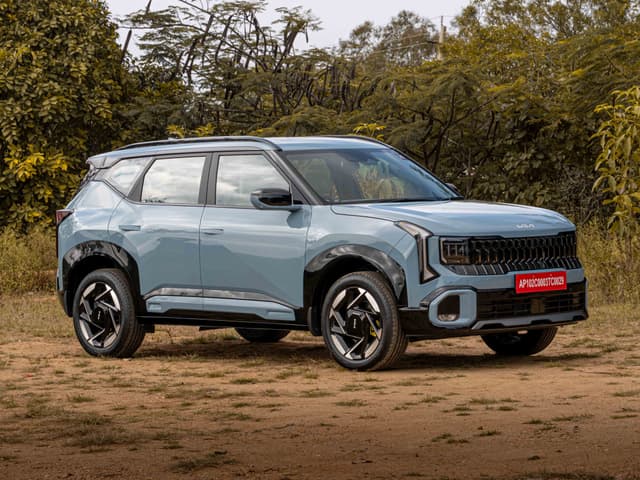
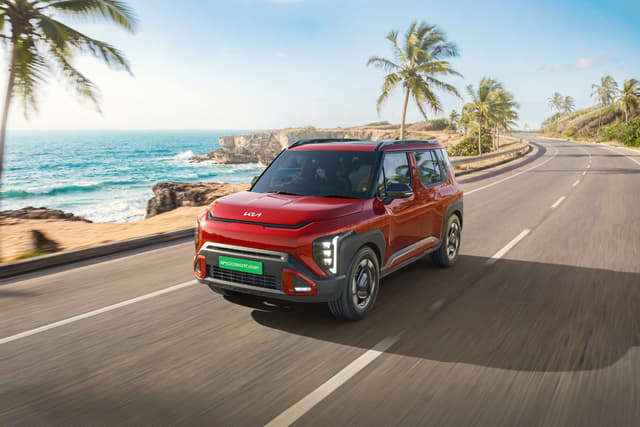
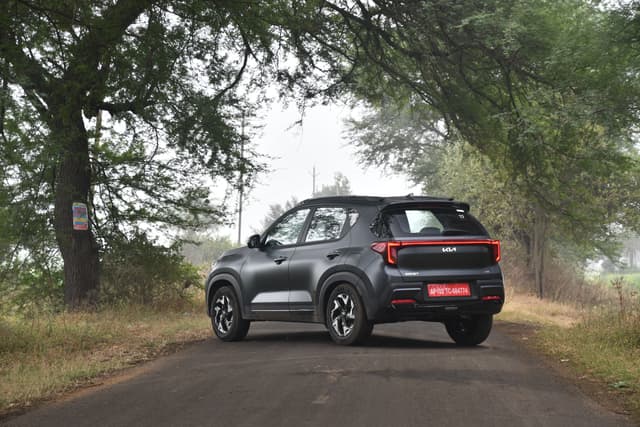
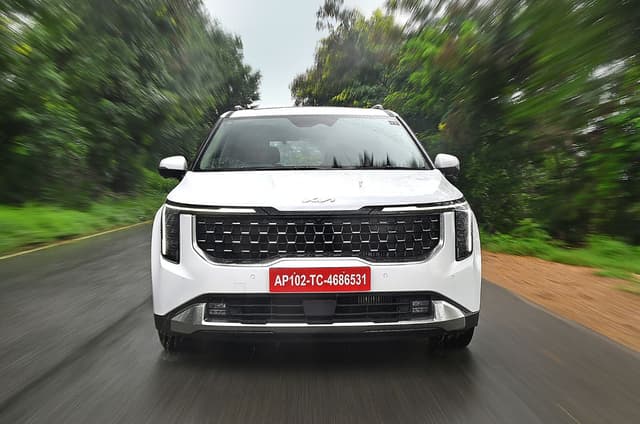
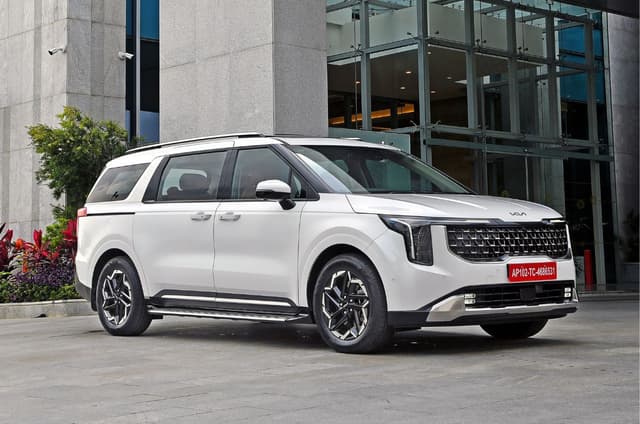
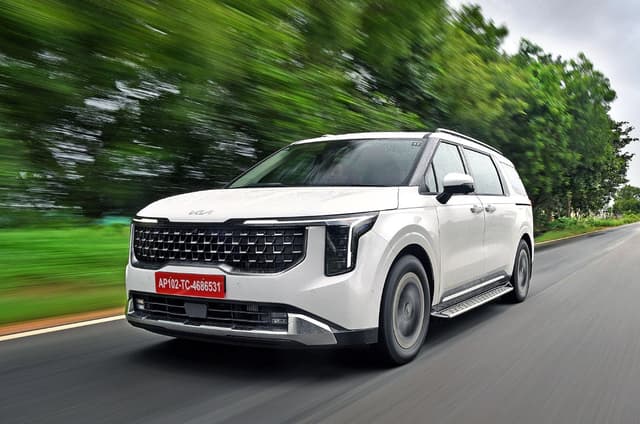
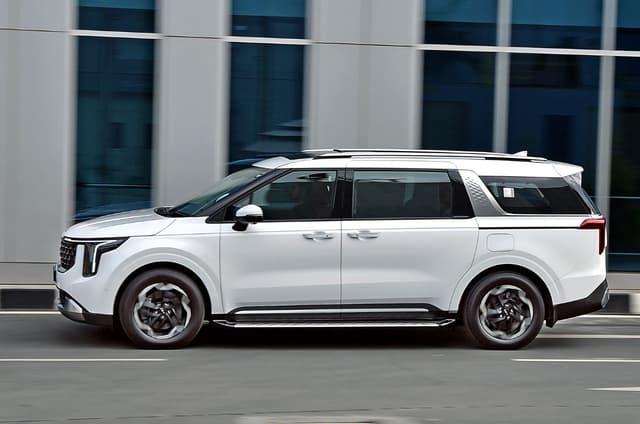
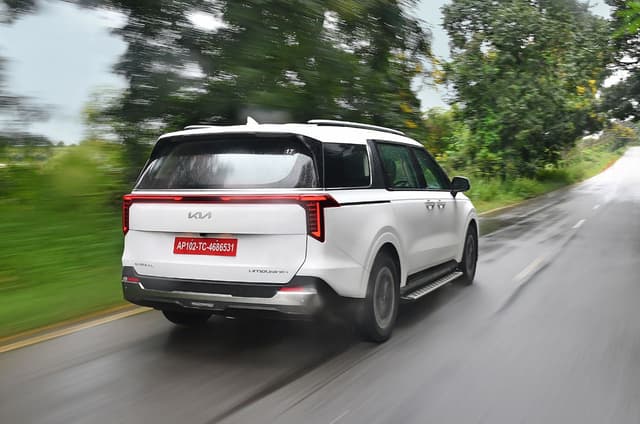
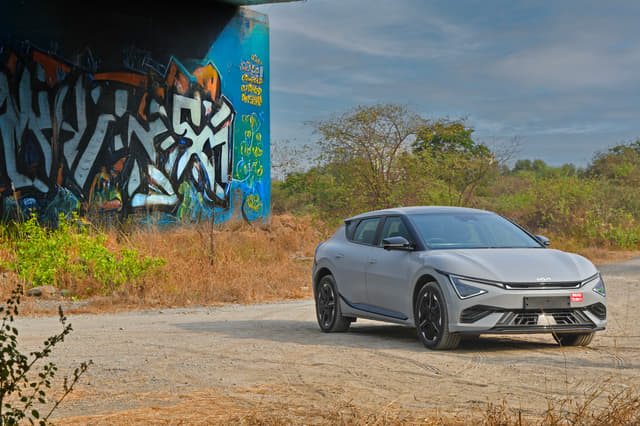
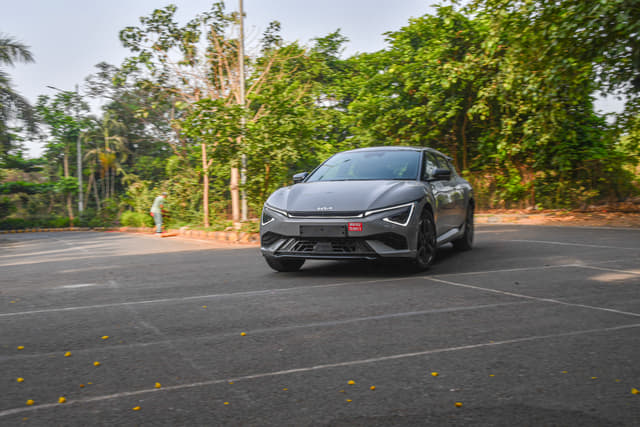
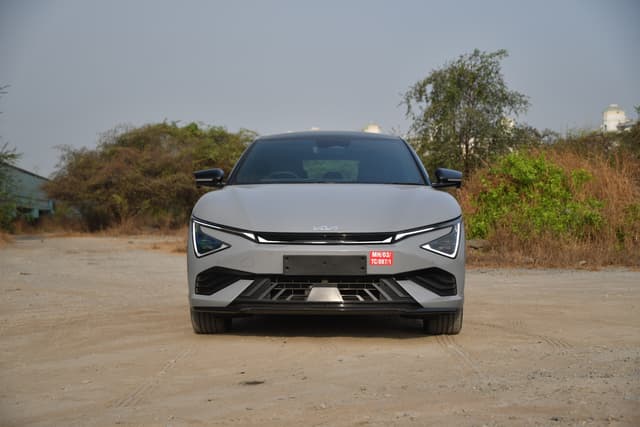
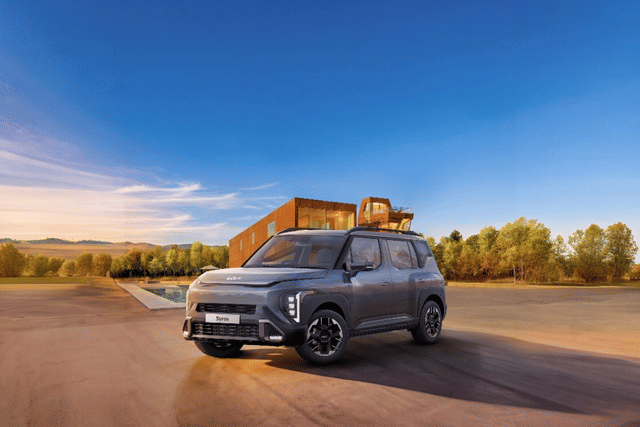
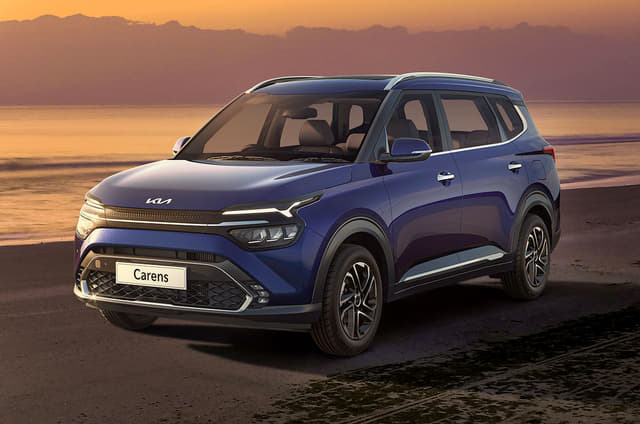
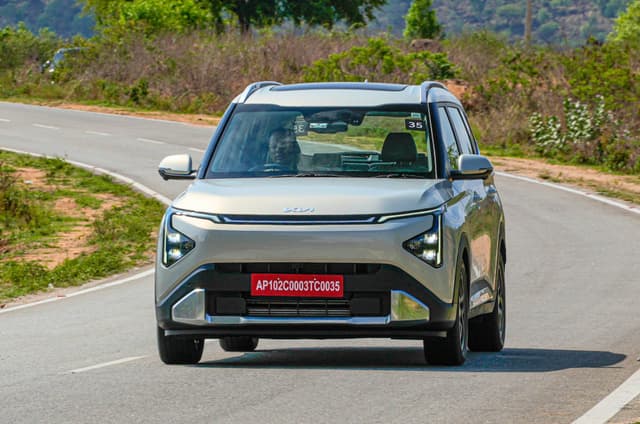
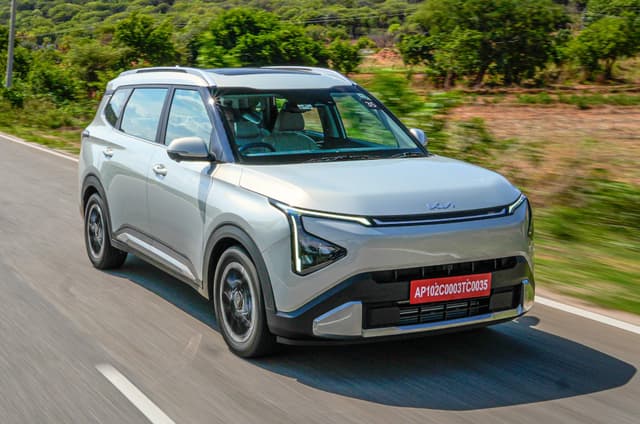
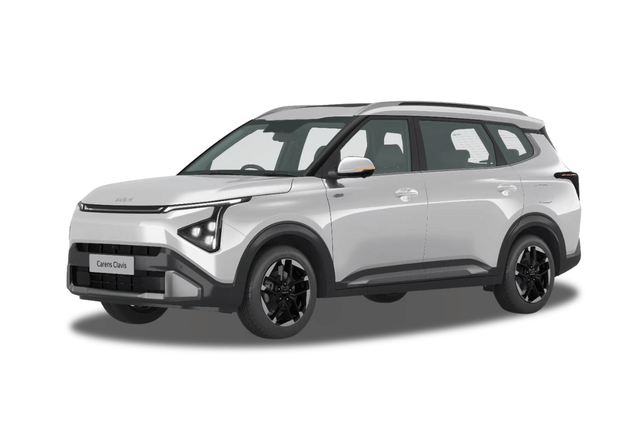
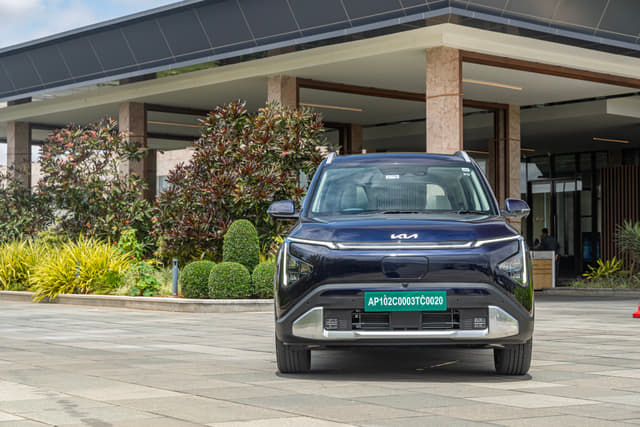
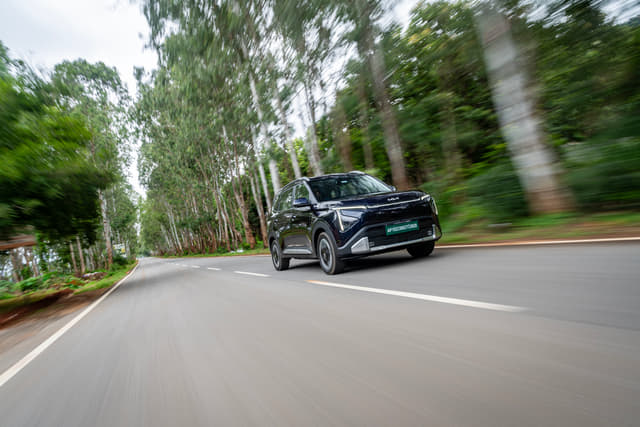
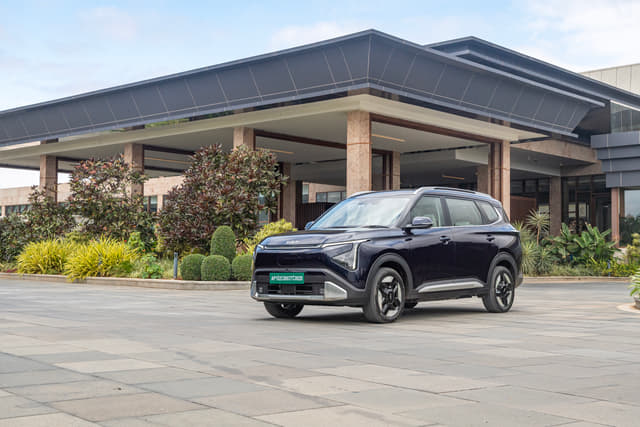
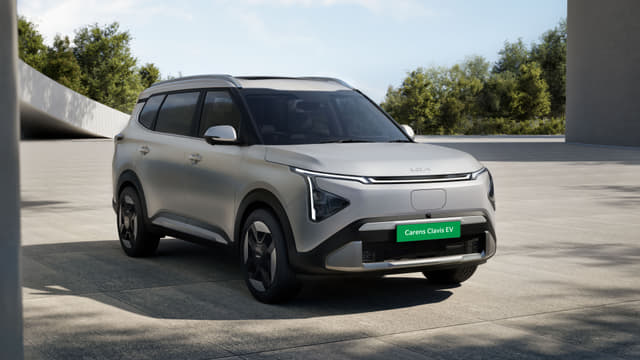
The Kia cars in India that are currently on sale are: Seltos, Carnival, Sonet, Syros, EV6, Carens Clavis, Carens Clavis EV, Carens, and EV9.
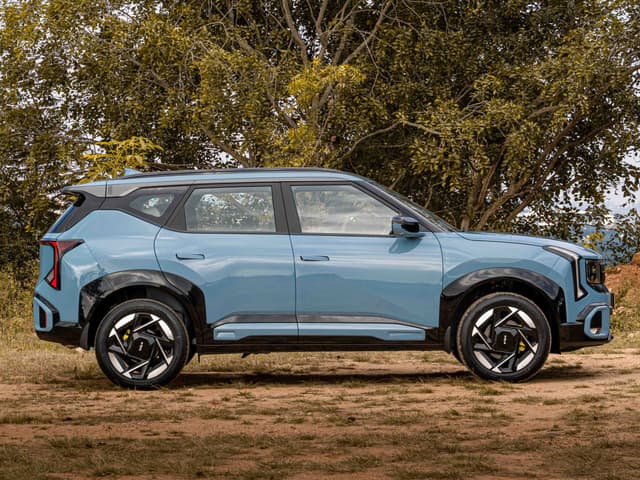
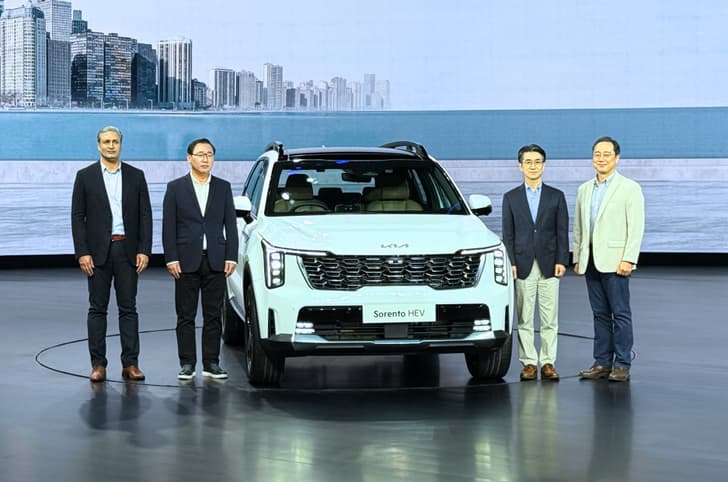
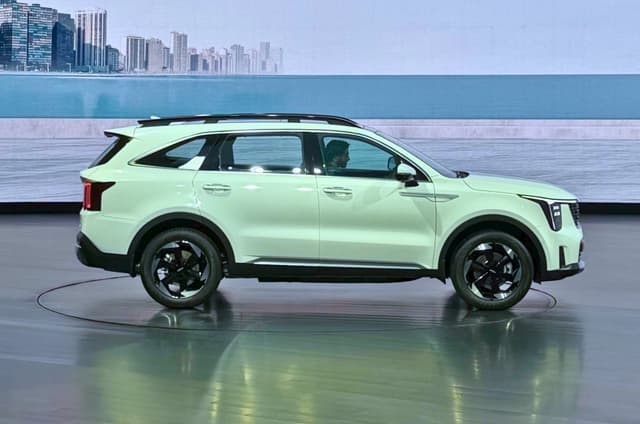
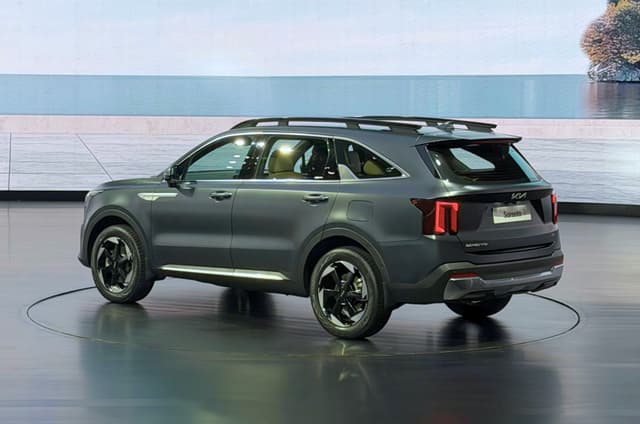
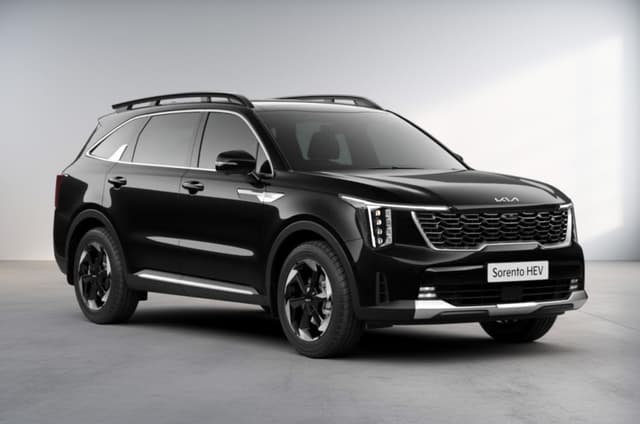
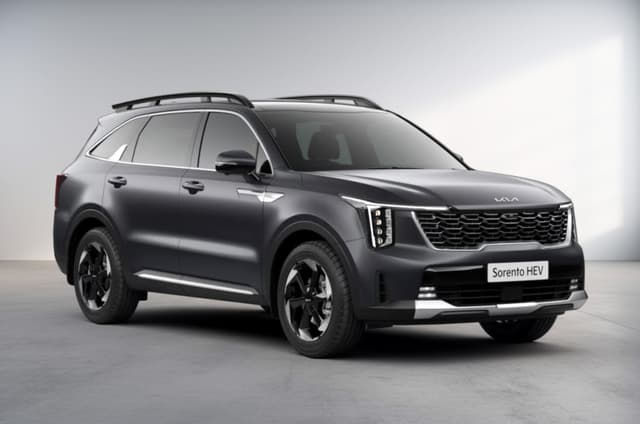
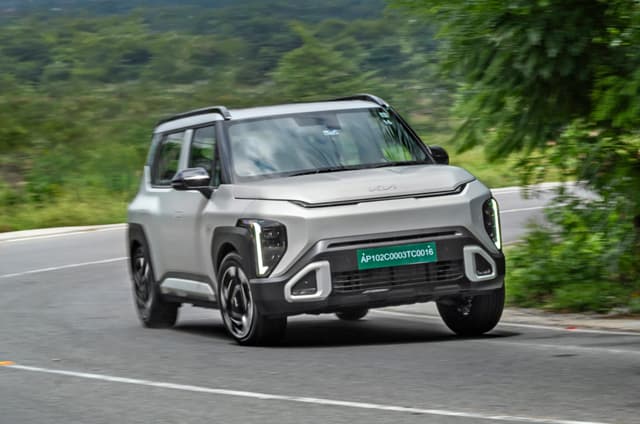
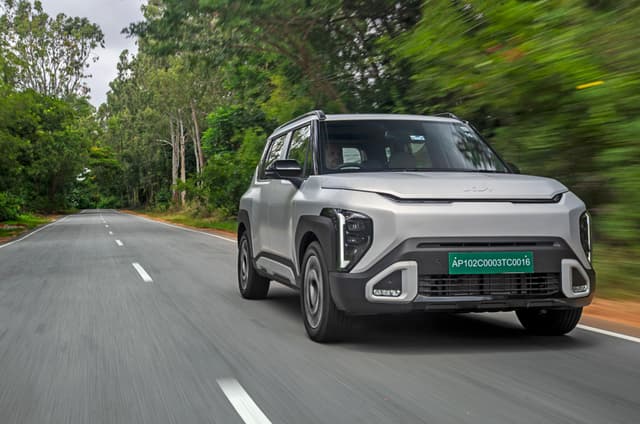
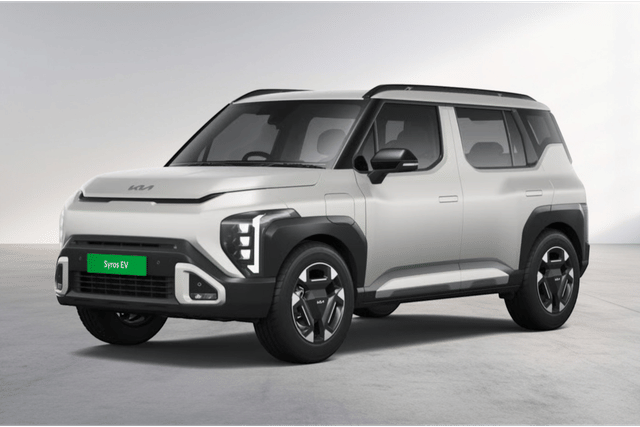
Yes. The upcoming Kia cars in India include 3 models: the New Sonet, the Syros EV, and the Sorento. These models are going to be launched in between 2026-2027.
Kia manufactures its cars at the Penukonda plant in Andhra Pradesh.
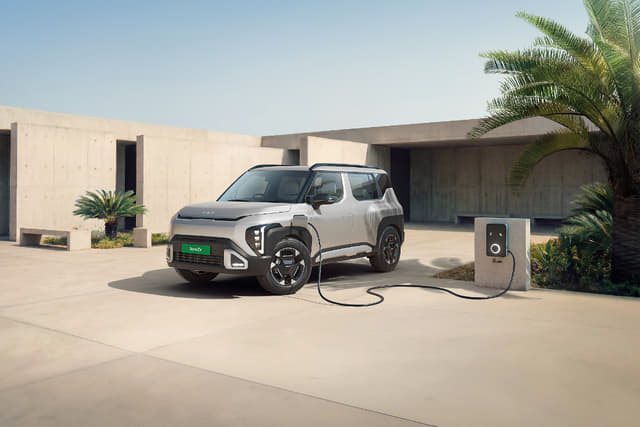
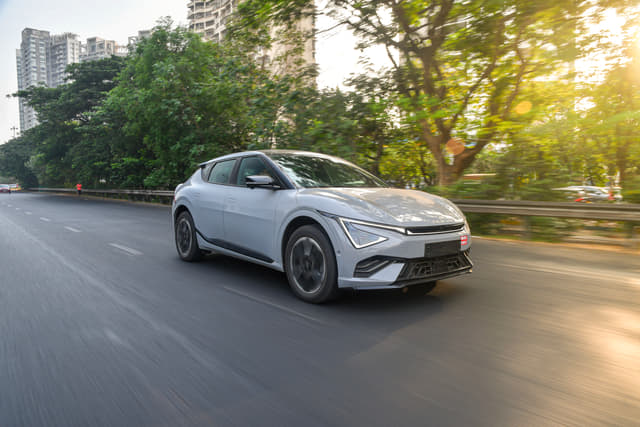
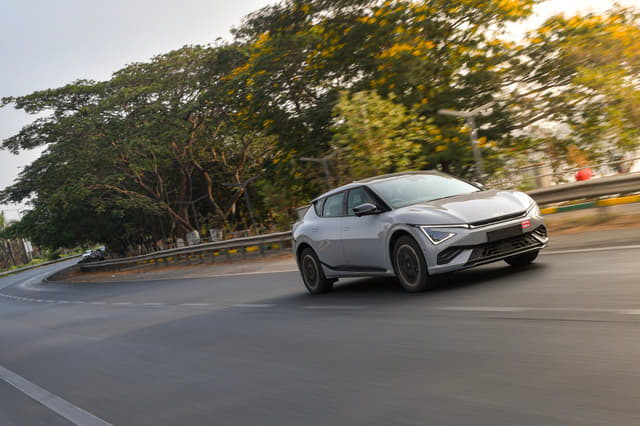
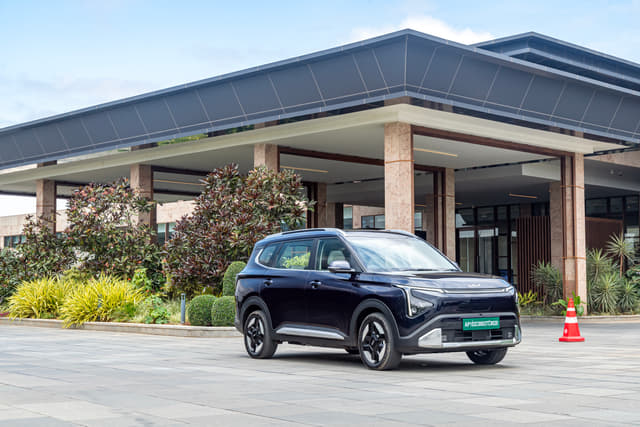
The Kia electric car price in India starts at around ₹18 lakh and goes up to ₹1.30 crore (ex-showroom). The Carens Clavis EV is the most affordable electric model, while the EV9 is the most expensive.
Among the Kia electric cars in India, the EV6 offers a claimed range of 663 km, which is the highest in the current lineup.
There are four Kia 7 seater cars in India: Carnival, Carens Clavis, Carens Clavis EV, and Carens.
Kia sedan cars are not currently available in India. The Indian lineup mainly consists of SUVs, MPVs, and electric models.
Trending Questions on Kia Cars - Answered by Autocar Experts
Hi, I am looking to change my 2020 Kia Sonet top-end diesel automatic. It has covered around 33,000km and has been a great car, but I want to change it now. I am considering an EV and have shortlisted the MG ZS EV Excite Pro. I am a senior citizen, with minimal usage of around three local errand trips a week and an annual running of around 4,000-5,000 km, including a couple of outstation trips. Please advise.

 MG ZS EVKia Syros EV
I'm looking to buy the Seltos HTK(O) automatic but am confused between the 1.5 NA petrol IVT and the 1.5 diesel turbo TC. The petrol is costing me around Rs 17.9 lakh, while the diesel is around Rs 19.7 lakh, before any discounts or negotiations. My monthly running is likely to be around 1,200-1,300km, with roughly 60 percent highway and 40 percent city driving. This includes a 700km highway run to Dwarka from Bathinda and back, which is a regular trip, around 300-350km of office commute, and another 100-150km for weekend outings. In the petrol, I'm mainly concerned about E20-related issues such as moisture, the possibility of higher ethanol blends in the future, lower mileage and the engine feeling slightly underpowered, particularly during occasional trips to the mountains. With the diesel, my main concern is the possibility of DPF and EGR-related issues. The car will be driven by both me and my wife. Which one would you suggest for this usage? I'm more inclined towards the diesel, but the concerns around DPF issues are making me reconsider.
Kia SeltosI currently own a Mahindra XUV 3XO TGDi (Revv variant) and have clocked 6,300km over the past eight months. However, I am averaging only 8–9kpl. Since around 80 percent of my driving is within the city and I prefer high-performance engines, should I consider switching to the Kia Seltos Diesel or the XUV 3XO Diesel?
Kia SeltosMahindra XUV 3XOI am planning to buy a sub-4m SUV and have shortlisted the Skoda Kylaq Signature Plus Automatic and Hyundai Venue HX5 Diesel Automatic. My annual running is expected to be around 16,000 to 18,000 km, including approximately 12,000 km of highway driving. From an economic point of view, I am slightly concerned about the Kylaq’s real-world petrol mileage, especially given the high amount of highway running. I am also concerned about the long-term implications of E20 petrol and whether it could lead to any issues in the future. On the other hand, I have concerns about buying a diesel due to the possibility of future government restrictions and the uncertainty around long-term diesel ownership. Considering these factors, I would appreciate your advice on which of the two would be the better choice for at least eight years of ownership.
Hyundai VenueKia SeltosSkoda KylaqHello Team, I currently own a 2013 Hyundai i20 Sportz CRDi and am planning to upgrade to a mid-size SUV. My budget is around Rs 20 lakh on-road in Kerala. My monthly running is approximately 700-800km, with occasional long drives, and I plan to keep the car for at least 10 years. I recently test drove the Duster 1.3-litre DCT automatic and was quite impressed with its driving dynamics and comfort. I really enjoyed the overall driving experience. Could you please share your insights on whether the Duster would be a good choice for long-term ownership, considering my usage and the fact that I plan to keep the car for 10 years? Also, are there any other alternatives in this budget that I should consider?
Renault DusterKia SeltosSkoda KushaqLast Updated on: 14 Sept 2026