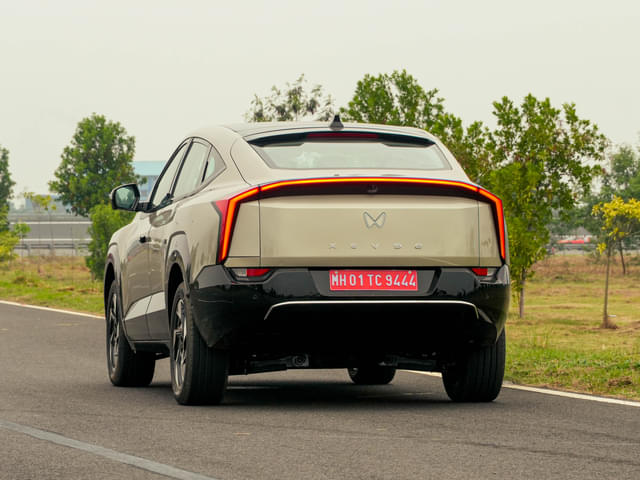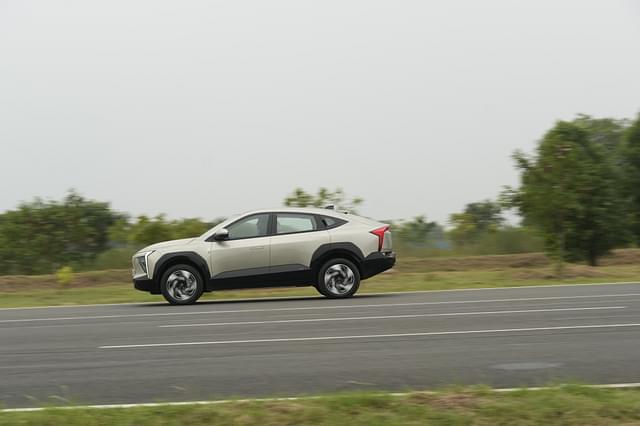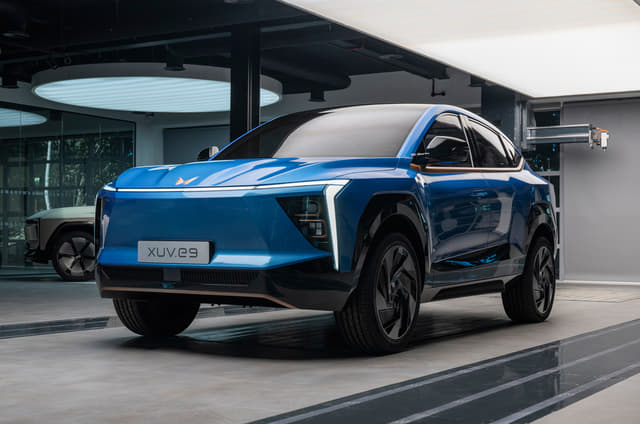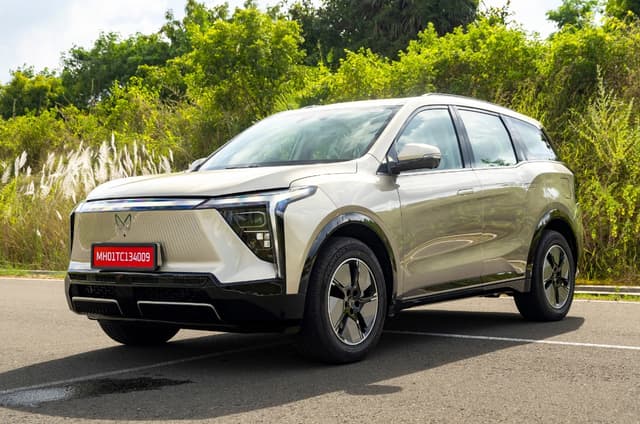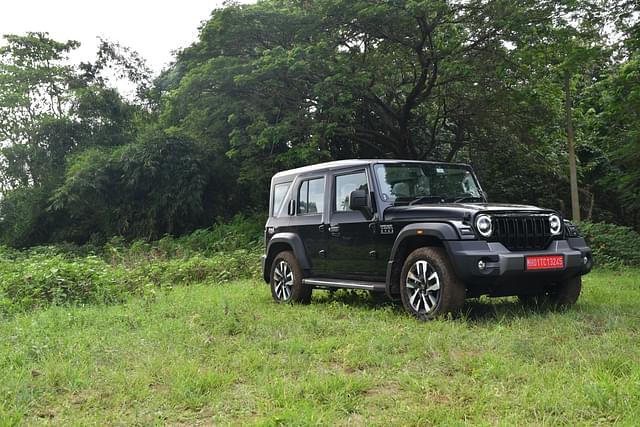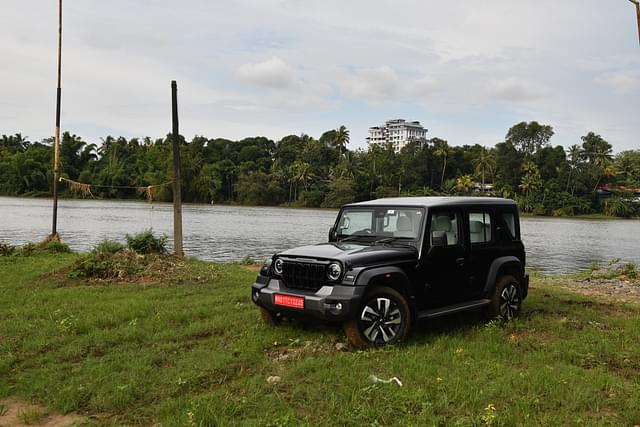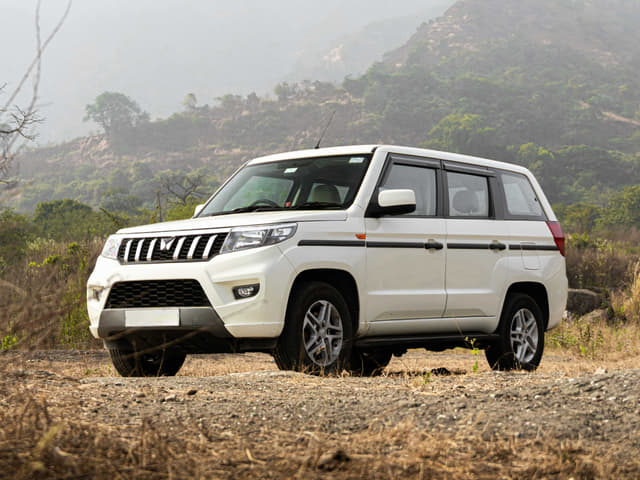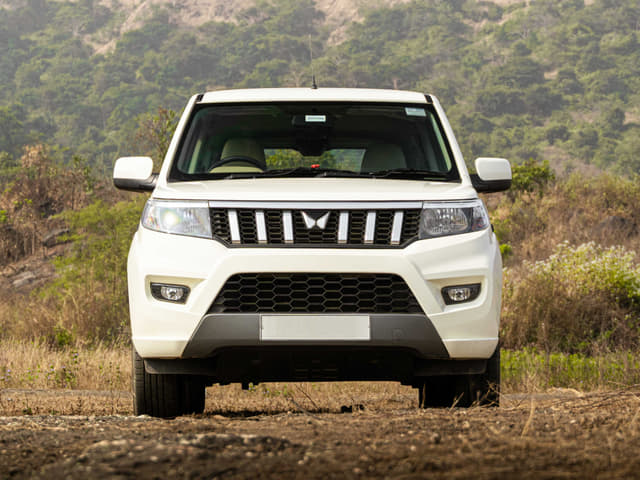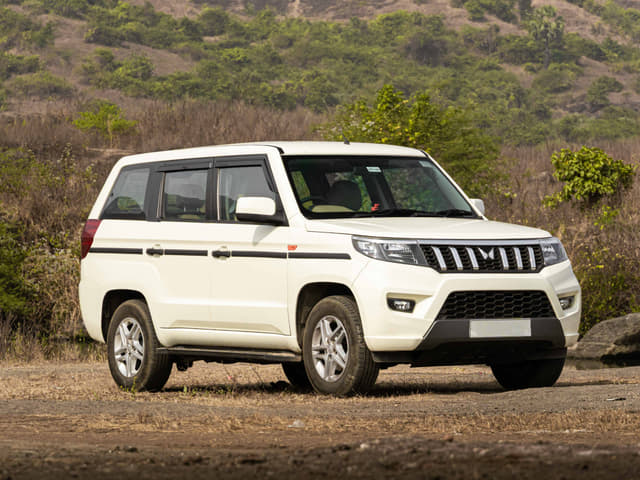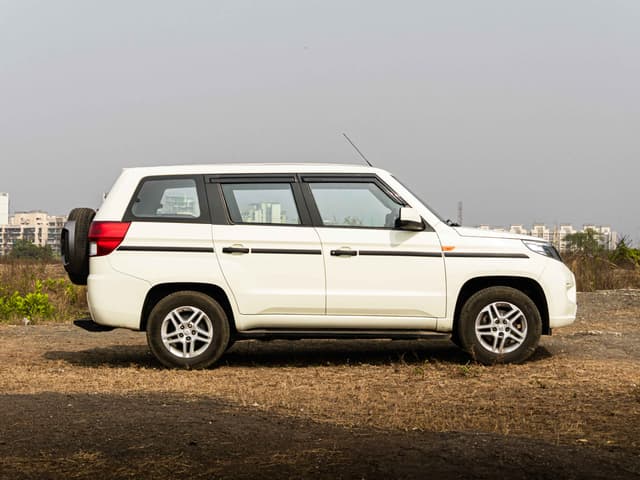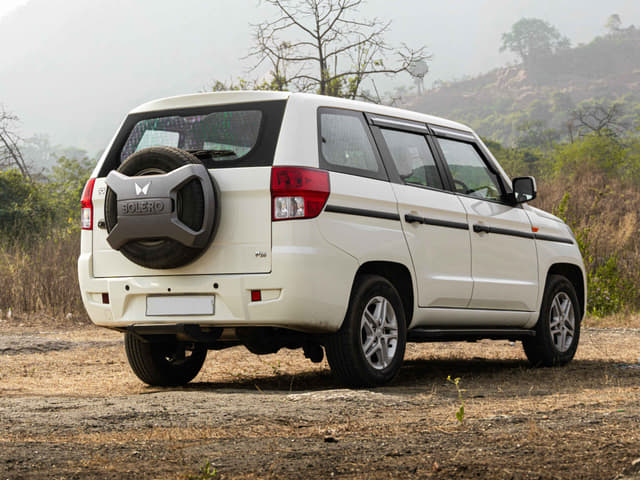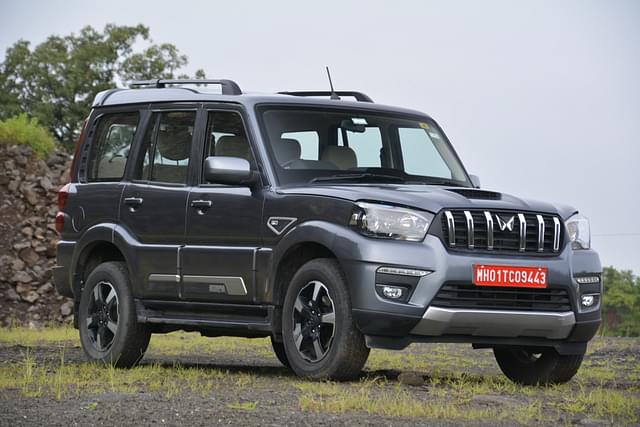

Mahindra cars in India (18)
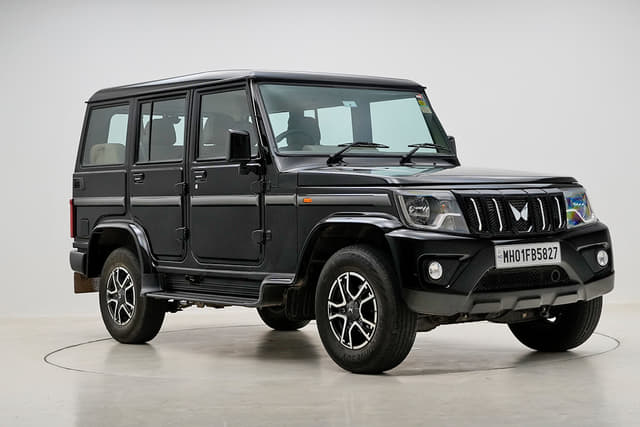
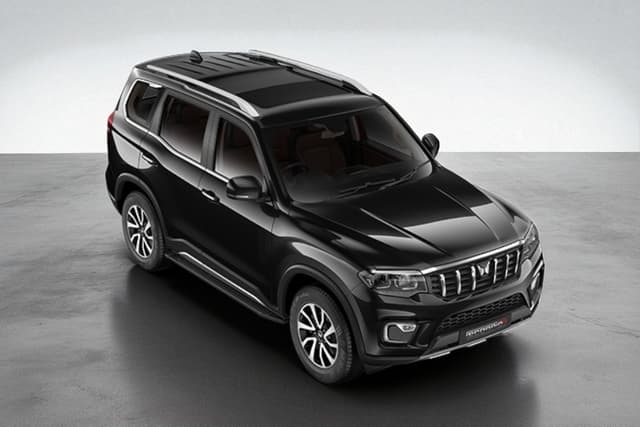
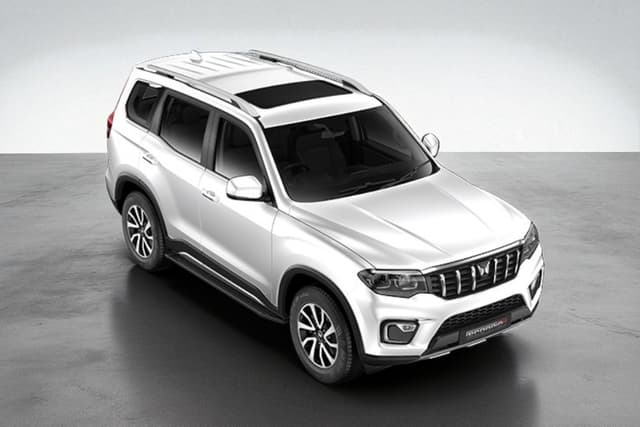
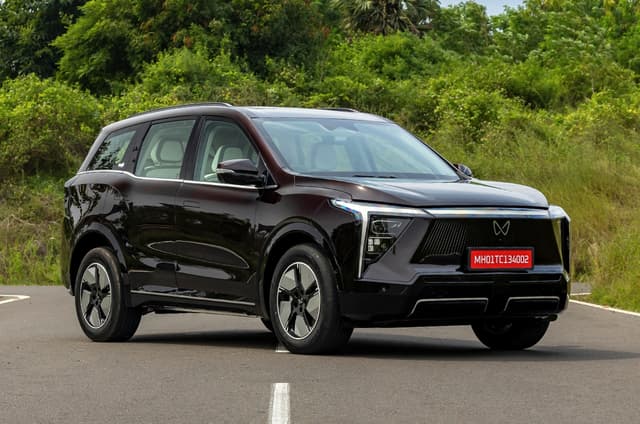
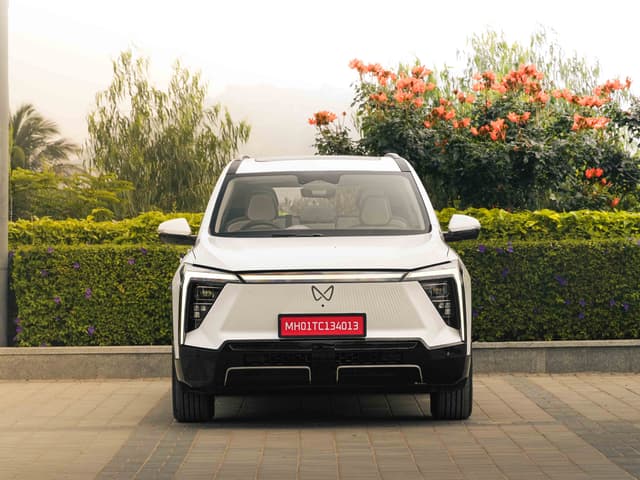
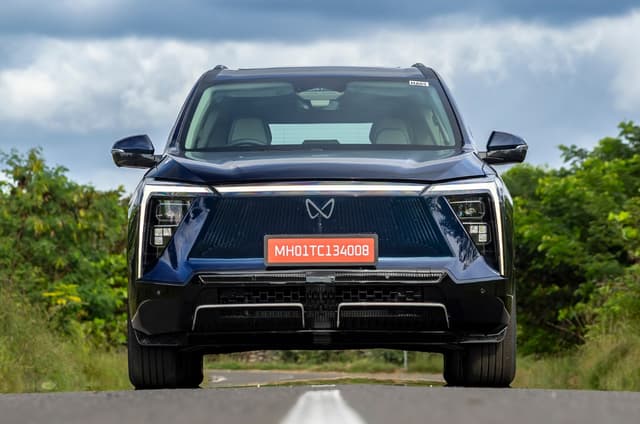
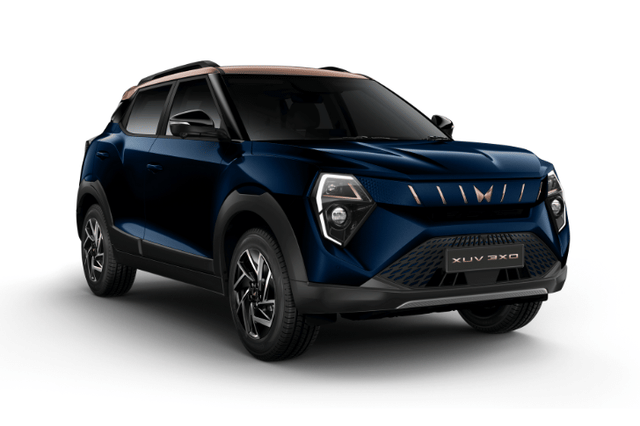
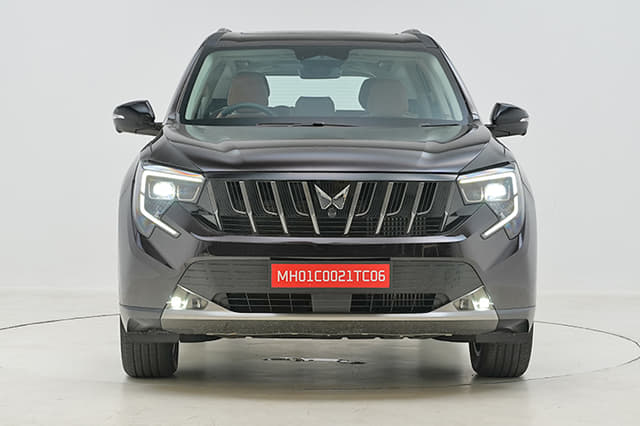
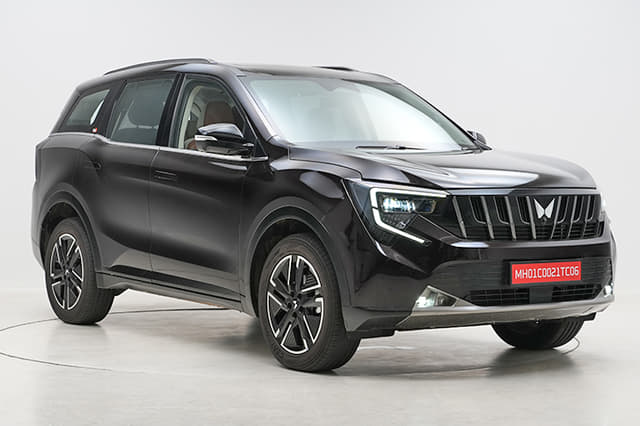
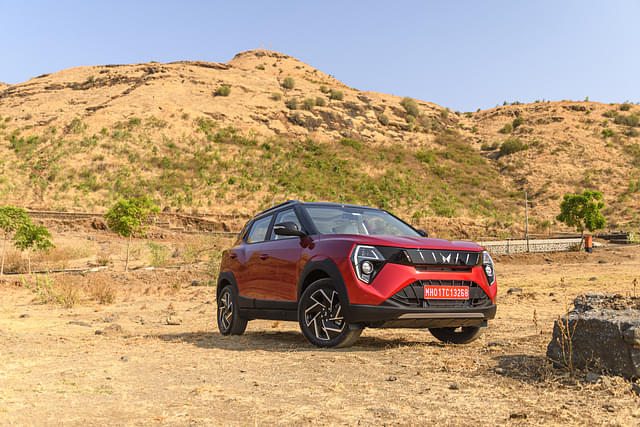
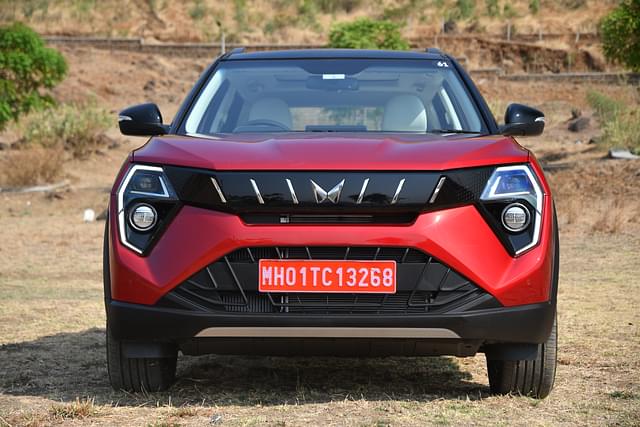
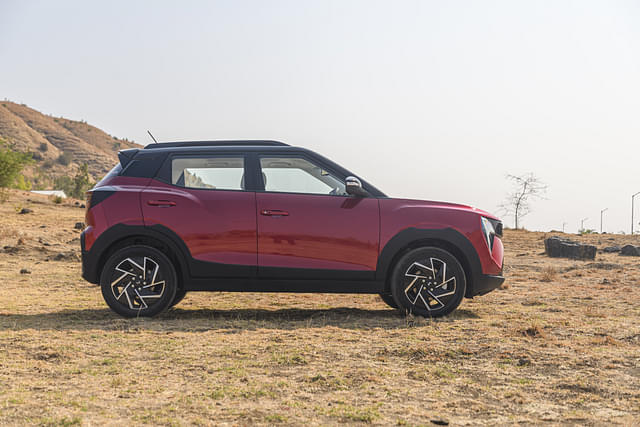
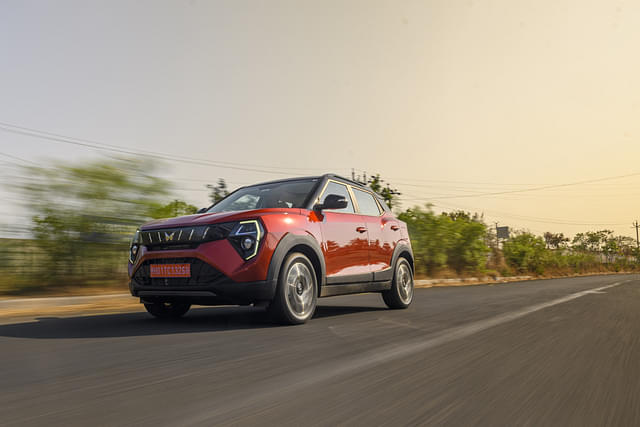
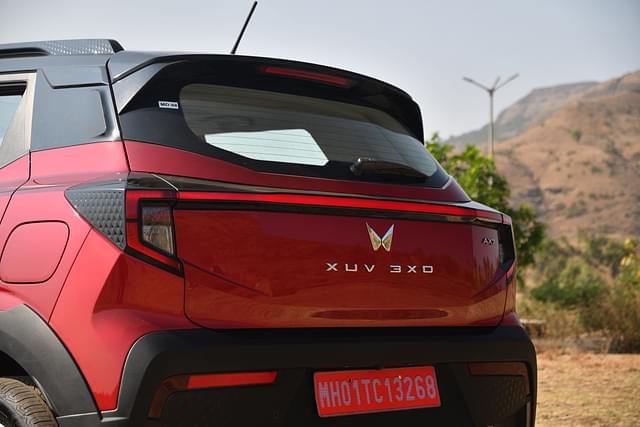
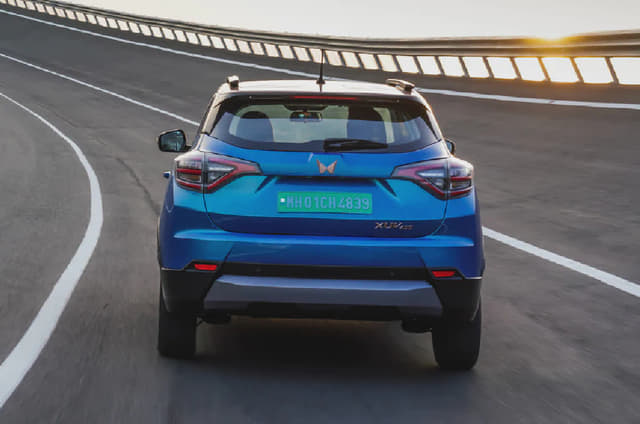
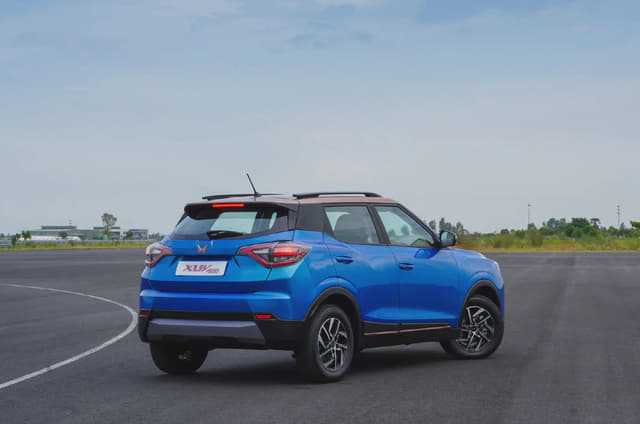
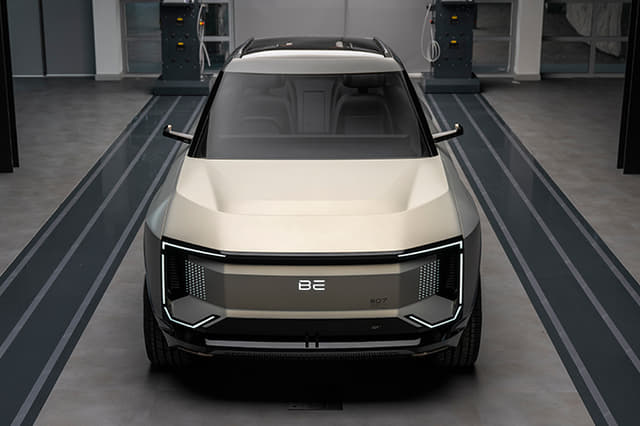
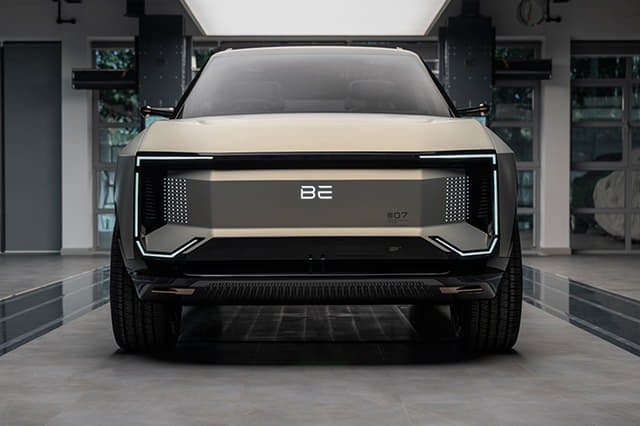
Currently, there are 17 Mahindra cars in India, with 14 on sale and 3 upcoming models. The Mahindra lineup includes 17 SUVs, with no sedans, hatchbacks, MPVs, or convertibles. The Mahindra car price starts at ₹7.37 lakh and goes up to ₹30.50 lakh (ex-showroom). The Mahindra cheapest car is the XUV 3XO, while the most expensive is the XEV 9e.
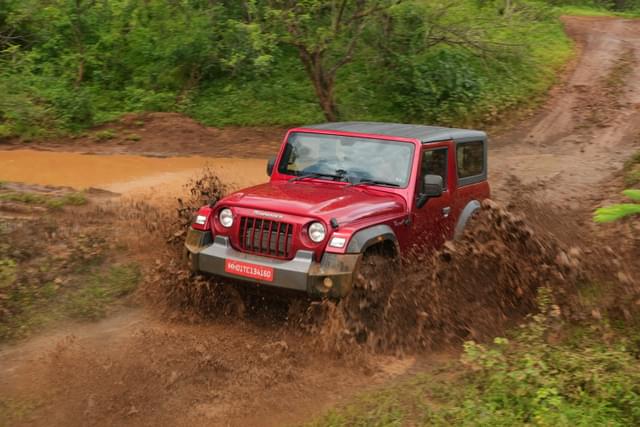
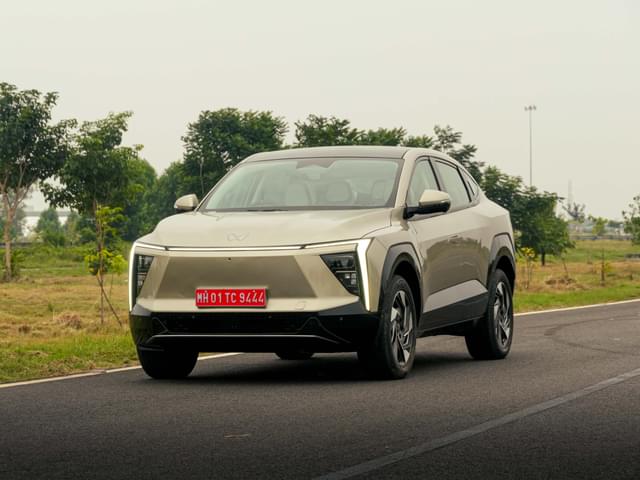
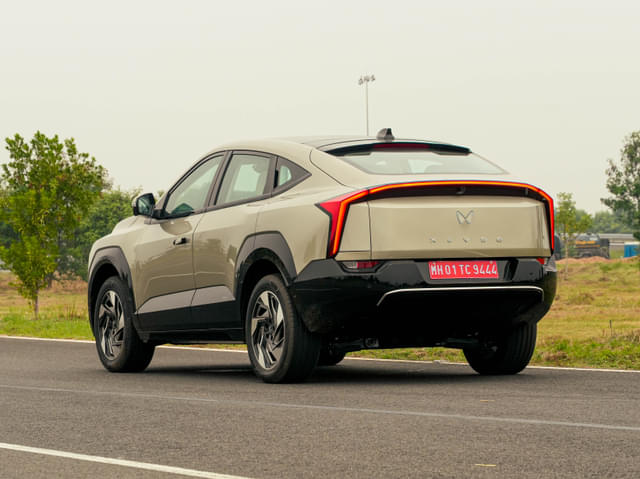
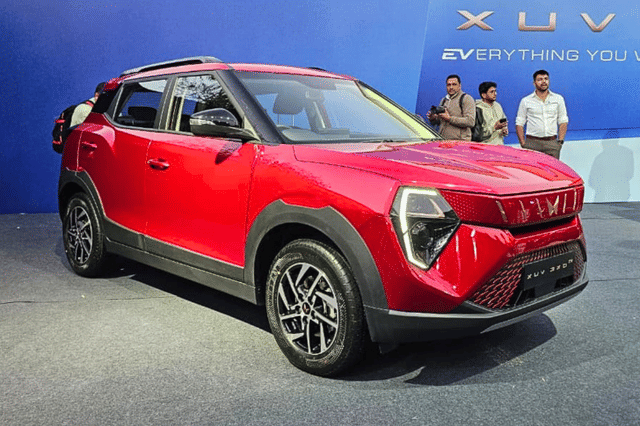
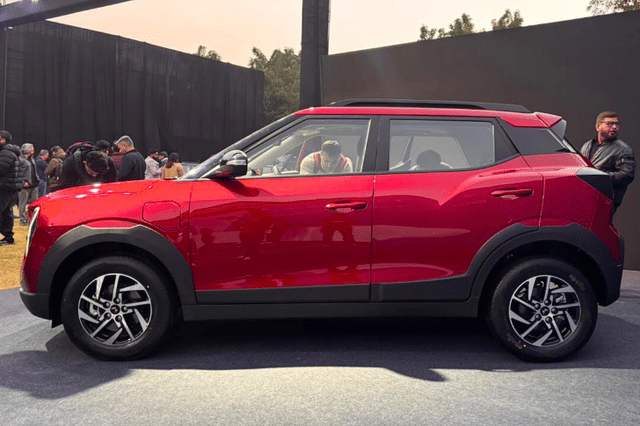
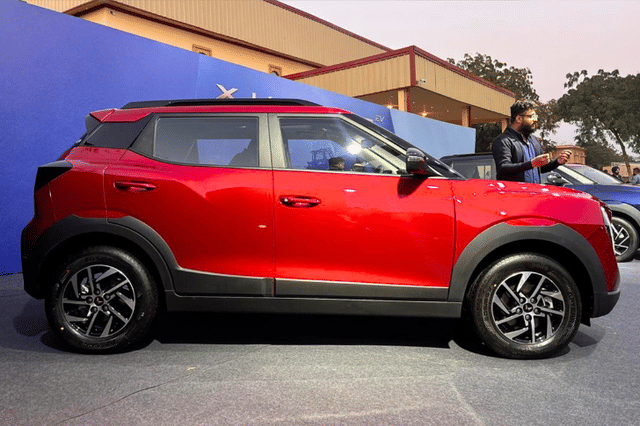
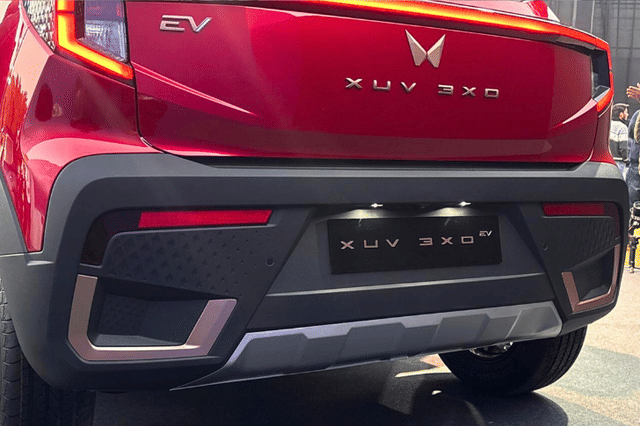
The most popular Mahindra car models in India are the Thar, Thar Roxx, Scorpio Classic, Scorpio N (the highest-selling Mahindra car), XUV 7XO (recently updated from XUV700), and XUV 3XO. Mahindra cars are available with petrol, diesel, and electric options. The newest Mahindra car is the XUV 3XO EV. It was launched on 6 January 2026 and is priced between ₹13.89 lakh and ₹14.96 lakh (ex-showroom).
Mahindra Cars Price List (May 2026)
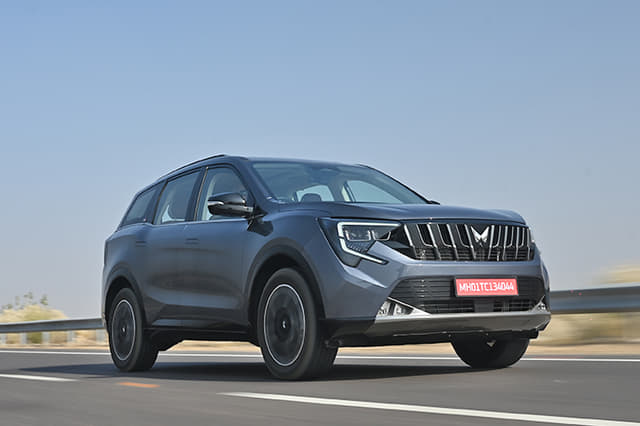
The Mahindra car price in India ranges from ₹7.37 lakh for the XUV 3XO to ₹30.50 lakh for the XEV 9e. The top 5 popular Mahindra cars and their prices are: Thar Roxx (₹12.39 - ₹22.25 lakh), Scorpio Classic (₹12.98 - ₹16.70 lakh), Scorpio N (₹13.49 - ₹24.34 lakh), XUV 7XO (₹13.66 - ₹24.92 lakh), and XUV 3XO (₹7.37 - ₹14.55 lakh). View the latest Mahindra car prices of all models in the table below:
Mahindra Car | Price (Ex-showroom) |
Mahindra XUV 3XO | ₹7.37 lakh - ₹14.55 lakh |
Mahindra Bolero | ₹7.99 lakh - ₹9.69 lakh |
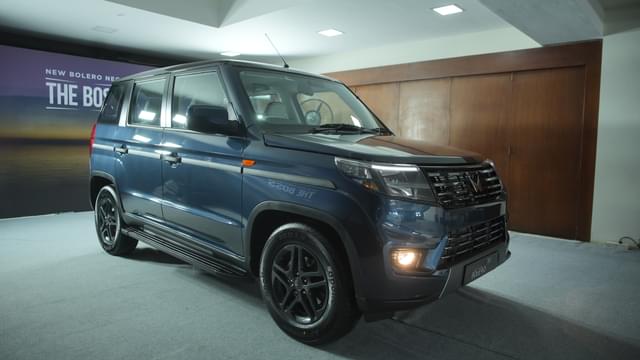
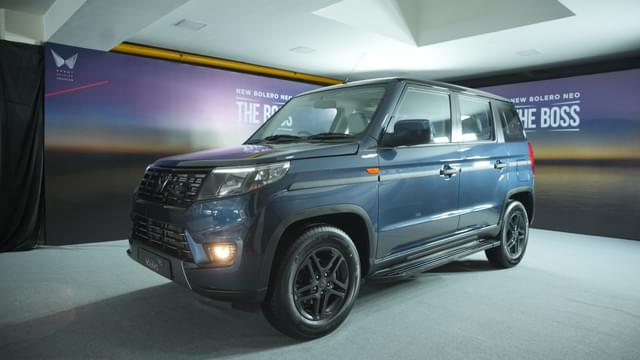
Mahindra Bolero Neo | ₹8.69 lakh - ₹10.49 lakh |
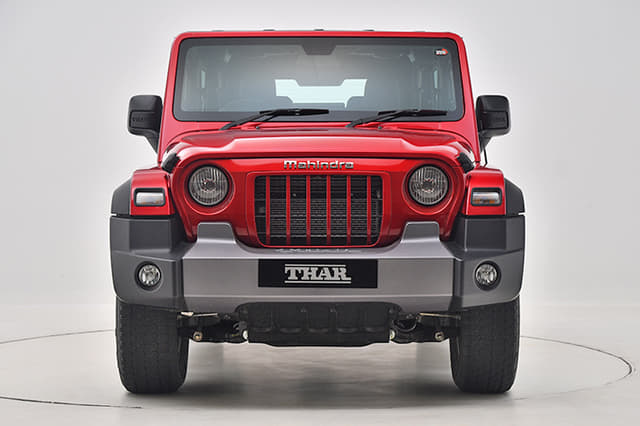
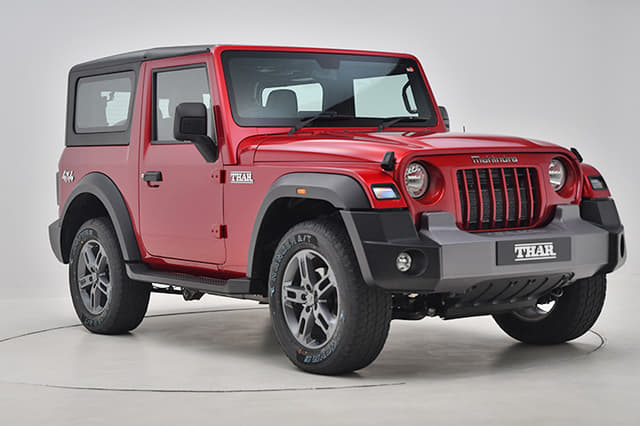
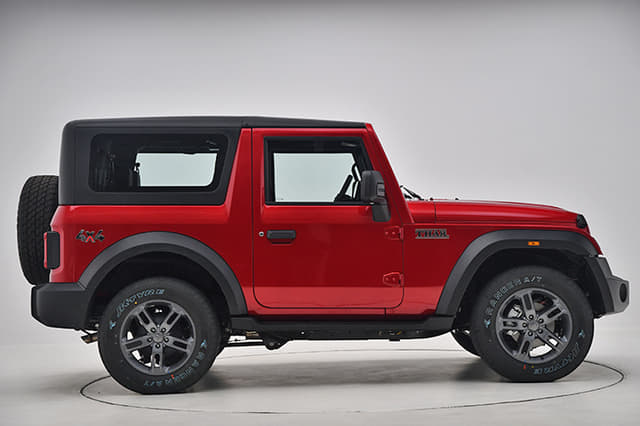
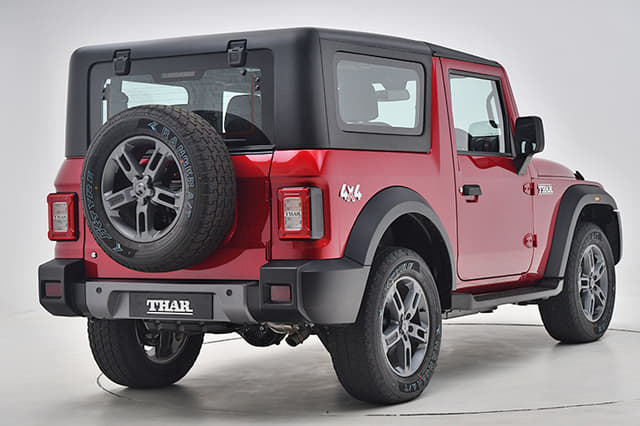
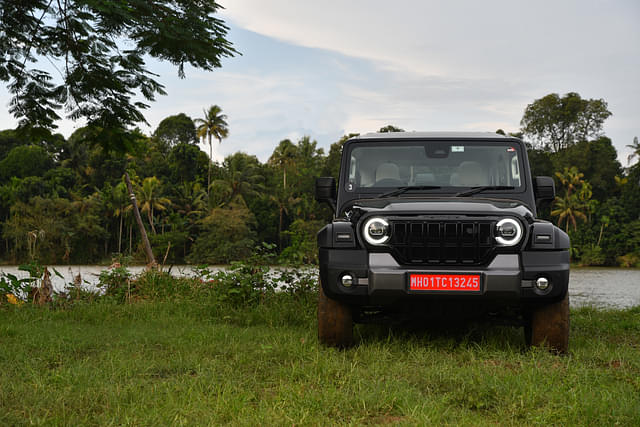
Mahindra Thar | ₹9.99 lakh - ₹17.19 lakh |
Mahindra Bolero Neo+ | ₹10.90 lakh - ₹11.95 lakh |
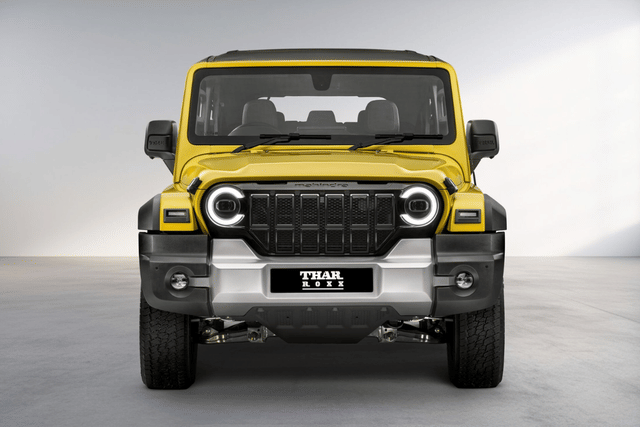
Mahindra Thar Roxx | ₹12.39 lakh - ₹22.25 lakh |
Mahindra Scorpio Classic | ₹12.98 lakh - ₹16.70 lakh |
Mahindra Scorpio N | ₹13.49 lakh - ₹24.34 lakh |
Mahindra XUV 7XO | ₹13.66 lakh - ₹24.92 lakh |
Mahindra XUV 3XO EV | ₹13.89 lakh - ₹14.96 lakh |
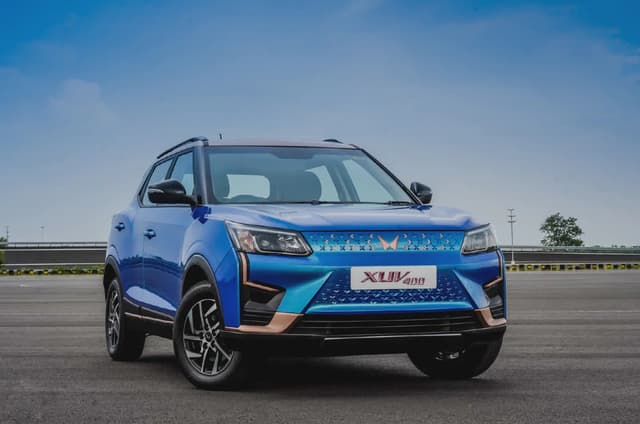
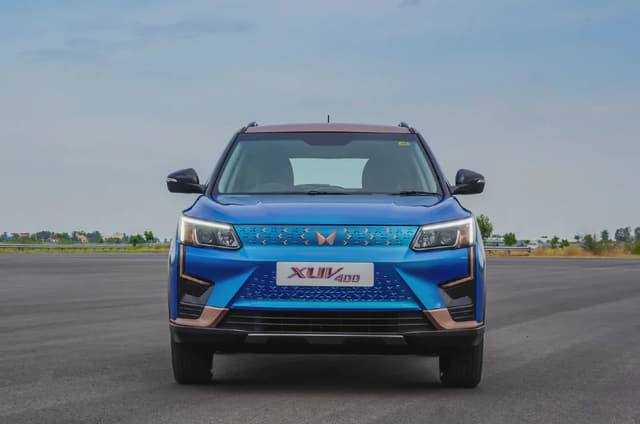
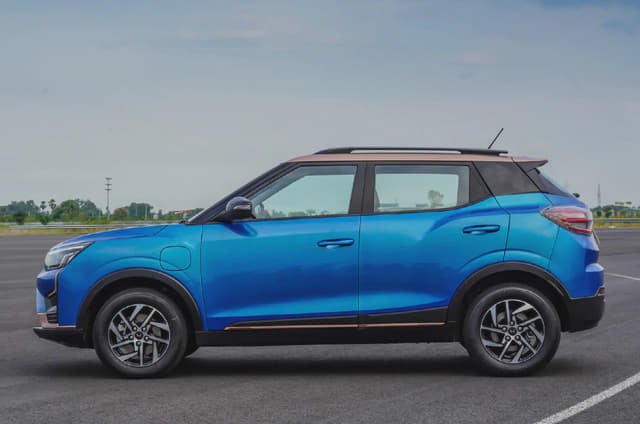
Mahindra XUV400 | ₹15.49 lakh - ₹17.49 lakh |
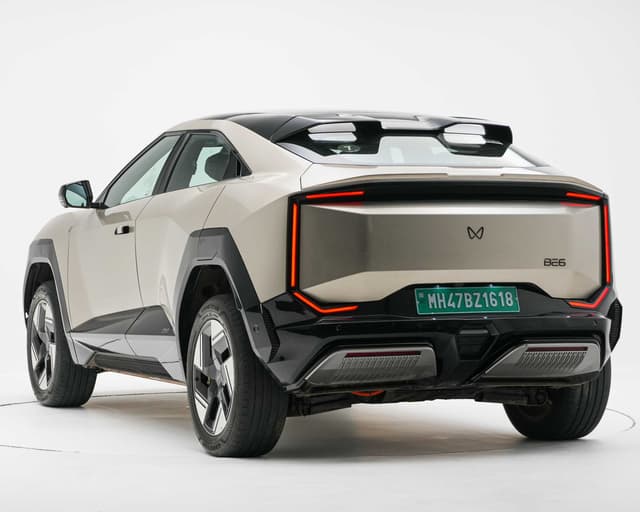
Mahindra BE 6 | ₹18.90 lakh - ₹26.90 lakh |
Mahindra XEV 9S | ₹19.95 lakh - ₹29.45 lakh |
Mahindra XEV 9e | ₹21.90 lakh - ₹30.50 lakh |
Mahindra New Car
There are 3 new Mahindra cars set to launch in India:
- Mahindra Scorpio N facelift
- Expected price: ₹14.00 lakh - ₹26.00 lakh
- Expected launch: Early 2026
- Engine: 2184 cc
- Fuel Type: Diesel
- Transmission: Manual
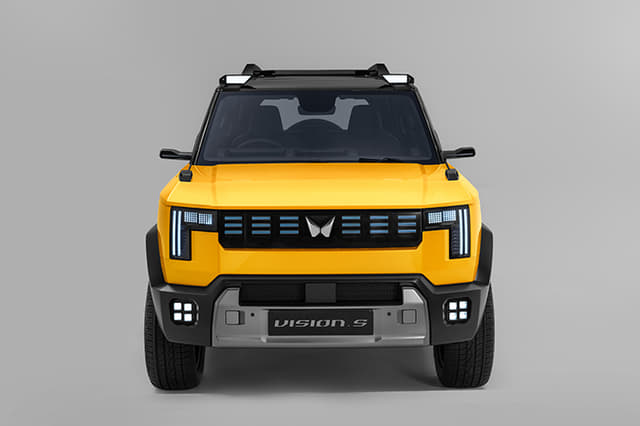
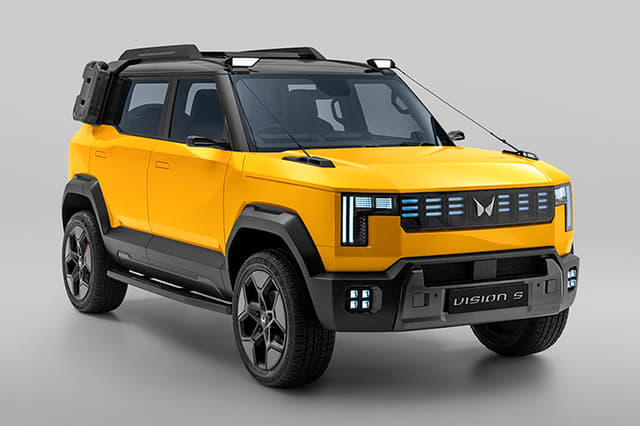
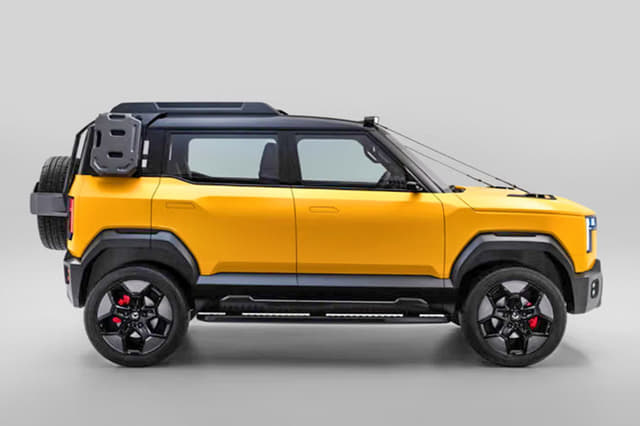
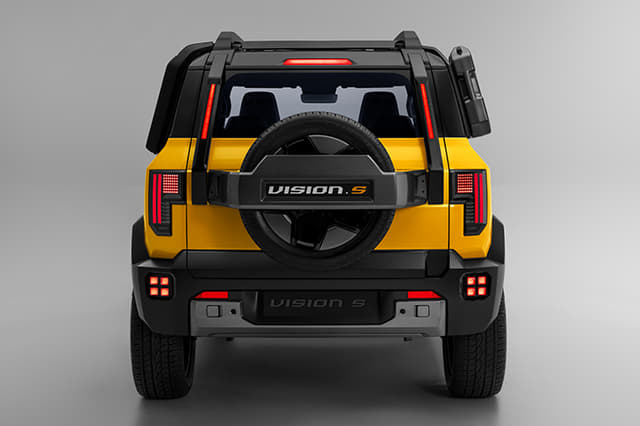
- Mahindra Vision S
- Expected price: ₹7.50 lakh - ₹13.00 lakh
- Expected launch: 2027
- Engine: To be revealed
- Fuel Type: Petrol
- Transmission: Automatic
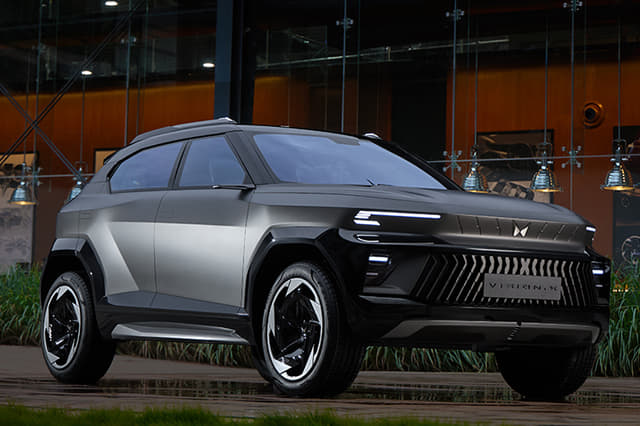
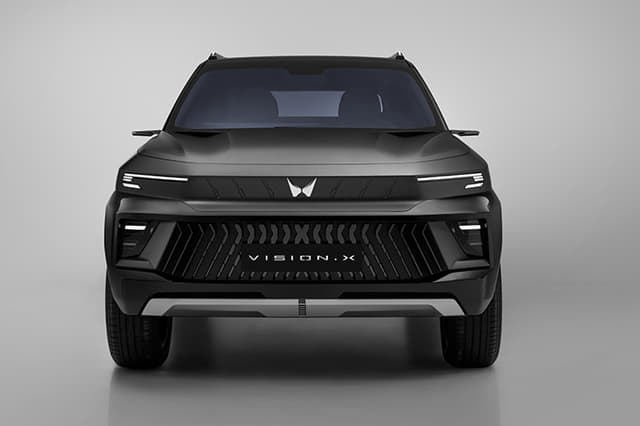
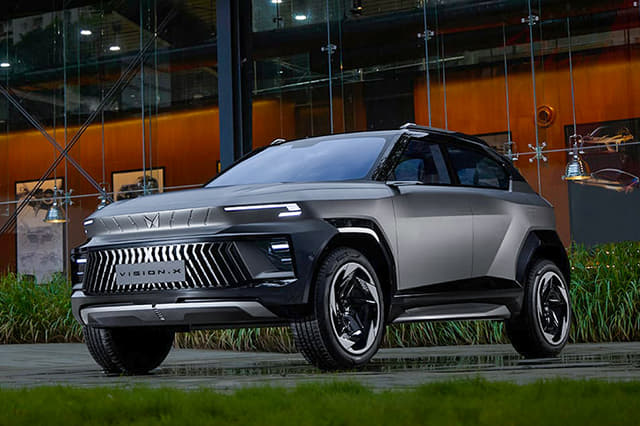
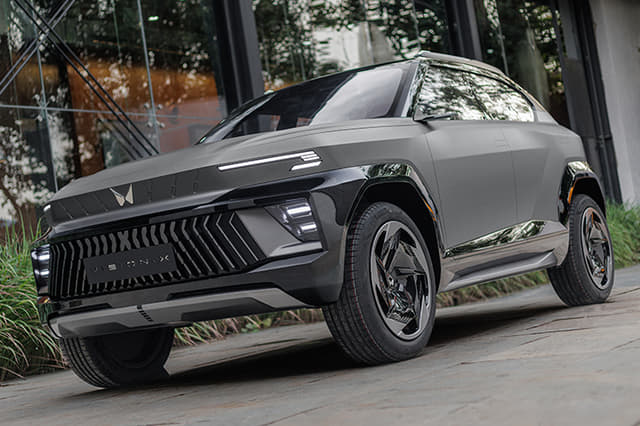
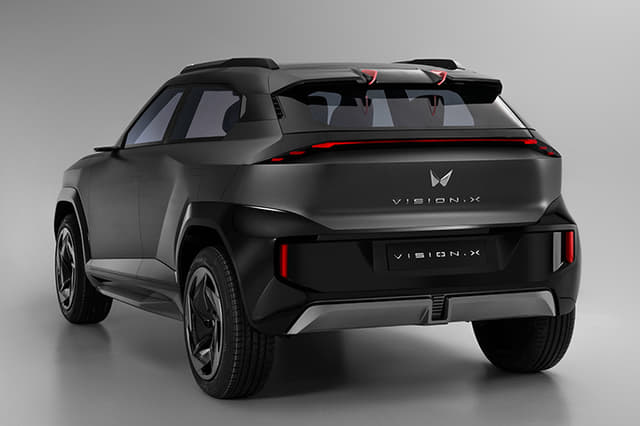
- Mahindra Vision X
- Expected price: ₹25.00 lakh - ₹30.00 lakh
- Expected launch: 2027
- Engine: To be revealed
- Fuel Type: Petrol
- Transmission: Automatic
Mahindra Electric Car
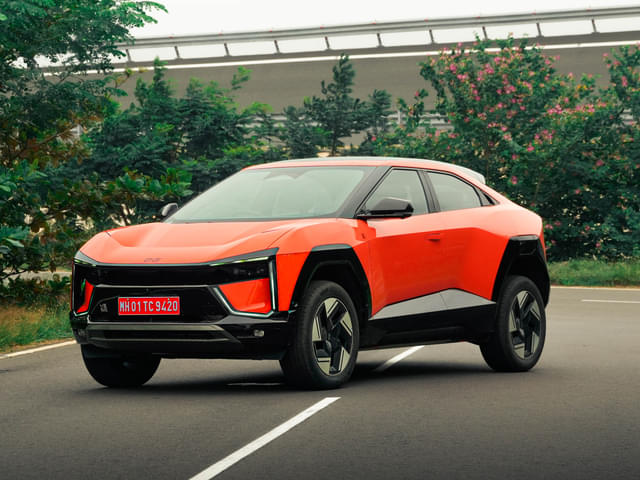
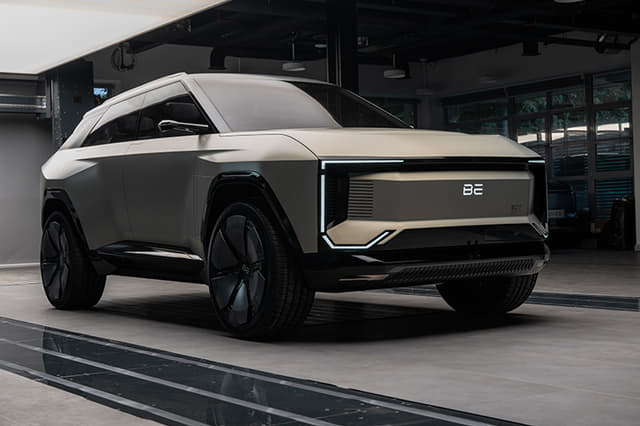
The Mahindra electric car price ranges between ₹13.89 lakh and ₹30.50 lakh. Presently, there are 5 Mahindra EV cars for sale in India: XUV400, BE 6, XEV 9S, XEV 9e, and recently launched XUV 3XO EV. The cheapest Mahindra electric car is the XUV 3XO EV, while the most expensive is the XEV 9e.
Mahindra Cars - Latest Updates
- 6 January 2026: Mahindra launched XUV 3XO EV at ₹13.89 lakh.
- 6 January 2026: The new Mahindra XUV 7XO, a facelifted XUV700, starts at ₹13.66 lakh (ex-showroom). Pre-bookings have closed, with fresh bookings reopening on 14 January 2026.
- 8 December, 2025: Mahindra XUV700 facelift, a.k.a., XUV7XO, will debut on Jan 5, 2026.
- 2 December, 2025: November 2025 car sales sees Mahindra reclaim second spot as Tata slips to third.
- 27 November, 2025: Mahindra has introduced the XEV 9S at a starting price of ₹19.95 lakh.
- 26 November, 2025: Mahindra has launched the BE 6 Formula E Edition at ₹23.69 lakh.
FAQs
The Mahindra car price starts at ₹7.37 lakh for the XUV 3XO and goes up to ₹30.50 lakh for the XEV 9e (ex-showroom).
The Mahindra electric car range includes 5 models: XUV400, BE 6, XEV 9S, XEV 9e, and XUV 3XO EV.
There are seven Mahindra 7 seater cars available for sale in India: Scorpio N, XEV 9S, XUV 7XO, Scorpio Classic, Bolero Neo, Bolero, and XUV700.
The Mahindra SUV car price in India starts at ₹7.28 lakh for the XUV 3XO and goes up to ₹30.50 lakh for the XEV 9e (ex-showroom).
Currently, there is no Mahindra CNG car on sale in India.
Yes. Mahindra offers 5 models with variants priced under ₹10 lakh: Thar, Bolero Neo+, Bolero, XUV 3XO, and the upcoming Mahindra Vision S. Vision S is expected to start at ₹7.50 lakh (ex-showroom).
The Mahindra top model car in terms of pricing is the XEV 9e, with prices going up to ₹30.50 lakh (ex-showroom).
Mahindra 5 seater car choices include the XEV 9e, BE 6, Thar Roxx, XUV 3XO, XUV400, and XUV 3XO EV.
Yes, 9 out of 16 Mahindra cars that are available for sale come with an automatic transmission option. These cars are - XEV 9e, BE 6, XEV 9S, Scorpio N, Thar, Thar Roxx, XUV700, XUV 3XO, and XUV400.
The Mahindra car on road price varies by city, starting at around ₹8.28 lakh in Delhi for the XUV 3XO and going up to about ₹32.33 lakh for the XEV 9e in major metros.
No. Currently, there is no Mahindra car under 5 lakh in India.
No, Mahindra does not sell a car under 8 lakh. The entry point starts at ₹7.28 lakh for the XUV 3XO, but the on-road cost is higher.
The Mahindra diesel car lineup includes the Scorpio N, Thar, Bolero Neo+, Thar Roxx, Bolero Neo, Bolero, Scorpio Classic, XUV 7XO, XUV700, and XUV 3XO.
Buyers looking for Mahindra cars with a sunroof can consider models such as the XEV 9e, BE 6, Scorpio N, Thar Roxx, XUV700, XUV 3XO, and XUV400. Availability of the sunroof depends on the variant chosen.
Trending Questions on Mahindra Cars - Answered by Autocar Experts
Dk
•1dI am looking for a 6-seater car with good fuel efficiency for Hyderabad roads. My monthly usage is around 1,200 km. Please recommend a suitable car, preferably from Tata, Maruti Suzuki, or Mahindra.

Autocar India
Since you want a 6 seater for your city-heavy use and you have a budget of up to Rs 30 lakh, the Mahindra XUV 7XO diesel automatic is what you should consider. Given that your running is fairly high, about 15,000km a year, a diesel would make sense, and it will be more efficient than the petrol. Mahindra's 2.2-litre diesel is refined and punchy, and the 6-speed torque converter automatic is smooth, making city drives stress-free. The 7XO has a comfy, premium cabin and can be had in either 6-seat (with captain's chairs in the middle) or 7-seat seating configurations. It also rides over speed breakers and broken roads with ease and comes absolutely loaded with features. Know this before you buy: the third row is best for kids or short adults on longer trips, and with all seats up, the boot is small, so airport runs and road trips will require planning.
Nick
•1dHi, I have booked the Mahindra XUV 7XO AX7L diesel variant, which is expected to be delivered either at the end of July or early August. Looking at the current fuel situation, 10 years clause and growing EV, should I reconsider my decision and look for XEV 9S or any other option? I am currently owning a Hyundai Elite i20 diesel, and I love the power and handling. My run is 10000 kms yearly and limited hill trips. While on a regular trip to the hometown, around 500 km every 2 months. Please suggest if I should consider any EV option.

Autocar India
Given your limited use of 10,000 km a year and a 500 km highway run every two months, the Mahindra XUV 7XO AX7L diesel is still a solid choice. However, since you live in NCR, the 10-year diesel ban will affect resale value in the long term.If you have dedicated parking at home where you can install a charger, and do not mind the additional planning required with an EV on road trips, then the Mahindra XEV 9S is a good alternative. In our testing, we recorded 477 km on a single charge, but with a full load and in the hills, this will drop sharply. If your highway route has enough chargers, then your 500 km hometown trips should not be an issue, with just one or two stops to top up along the way.However, if you cannot install a home charger and the planning required around EV road trips seems like too much work, you are better off sticking with the XUV 7XO you have booked.
Nitin
•2dHello, We are a family of four, although my elder son lives in a different city and visits us once every couple of months. Our cars are almost entirely chauffeur-driven, though I do occasionally enjoy driving on long trips myself. I had booked the Toyota Innova Hycross VX 7-seater primarily for its excellent second-row comfort and practicality. However, with the recent rise in petrol prices and growing government discussions about E25/E30 fuel blending, I am now reconsidering whether to cancel the booking and instead opt for the Mahindra XEV 9e. I personally prefer practical, no-nonsense cars over feature-heavy luxury gimmicks. For example, I specifically chose the lower Hycross variant because I do not really care for features like ottoman seats, which actually compromise legroom for me, or panoramic sunroofs. Similarly, the triple-screen layout in the XEV 9e also feels unnecessary to me. What attracts me towards the XEV 9e is the possibility of being relatively future-proof against changing fuel policies and rising fuel costs. However, I also understand that the XEV’s fixed second-row setup may not be as spacious or comfortable as the Hycross for chauffeur-driven usage. My priority is a comfortable, premium-feeling, reliable, and sensible long-term ownership experience within a budget of around ₹30–35 lakh. Between the Toyota Innova Hycross VX and the Mahindra XEV 9e, which one would you recommend, considering comfort, practicality, future readiness, ownership experience, reliability, chauffeur-driven comfort, and long-term peace of mind?

Autocar India
For your very specific use case, we would actually stick with the Innova Hycross VX rather than switch to the Mahindra XEV 9e.The reason is simple. You are almost entirely chauffeur-driven, value second row comfort, want a no-nonsense premium family car and do not care for gadgetry for its own sake. That is exactly where the Hycross plays to its strengths. The second row comfort and sheer sense of space in the Hycross is simply better, especially since you have consciously chosen the VX to avoid gimmicks while keeping the practical bits that matter. The XEV 9e is an impressive EV, but its fixed rear bench and lower knee room make it less ideal for a chauffeur-driven owner who will spend meaningful time in the back.On the fuel and ethanol concern, we would not let that drive the decision. The Hycross hybrid is already very efficient for a vehicle of its size, and while E25/E30 discussions are ongoing, any move beyond current blends will be gradual. Beyond a certain threshold, proper flex fuel solutions and lower blend availability for existing cars would need to coexist. We would not cancel a purchase decision around a hypothetical future policy shift.
Siddarth Ravindra
•2dHi, I recently moved back to India and am planning to buy an EV as my primary and only car. My budget is around ₹25 lakh, and I am looking for a proper 5-seater that will mainly be used for city driving of around 15-20 km daily, along with occasional road trips. For the past six years, I have been driving Tesla models - first the Model 3 and later the Model Y - so I would ideally like to continue using an EV in India as well. However, I am still unsure about the practicality of the charging infrastructure here. I will be staying in a rented apartment near Outer Ring Road, Bellandur, Bengaluru. I have been informed that the residential community, which has around 2,000 apartments, currently has about 6-8 charging points, and the connected mall also has a few additional chargers. Could you please advise: Whether owning an EV as the only car in Bengaluru currently makes practical sense How reliable is the charging infrastructure in Bengaluru and across India for road trips Which EVs around ₹25 lakh would best suit my requirements in terms of comfort, technology, driving experience, reliability, range, and overall ownership experience Any guidance would be greatly appreciated.

Autocar India
Before committing to an EV, it is advisable to speak to electric car owners in the complex to know about the ease of charging. Public chargers in easy access are a plus, but the ideal and often most reliable solution is a charger in your own parking. Many housing complexes do not allow this, making it all the more important to research public charging options in the vicinity. In general, Bengaluru does have a wide network of chargers, so a weekly plug-in shouldn't be a hassle. Further, major highways south and west of the city have regular fast chargers, so planned roadtrips are very workable.Of the cars, the Hyundai Creta Electric is a sensible buy for your usage. It's a good size for Bangalore's traffic yet offers comfortable seating for five passengers. It won't match your Tesla's wow factor, but the Creta does pack in all the features that you would need and use over your short commutes. You can buy the 51.4kWh battery pack version, which offers ample range for your city drives. If you'd prefer a larger vehicle with more interior space, options include the Mahindra XEV 9S (the 70kWh battery pack is a good pick but just out of your budget) and the Tata Harrier EV with the 65kWh battery pack.
Sweety
•2dHi, I am planning to buy a car for 10 to 12 lacs. I am confused, I should buy diesel or petrol, my daily running is 50 kms, including city and highway drive, and on weekends, there can be highway trips as well. Due to the DPF issue, I am confused whether I should buy a diesel car or not. Also, please suggest the best car, I am planning Sonet HTK plus or Mahindra 3xo AX5.

Autocar India
With 50 km a day, a mix of city and highway driving, plus weekend trips, petrol is the safer pick for you. It avoids DPF worries. Modern diesels work fine if you do steady highway runs for 15-20 minutes a few times a week, but if your driving is often slow and short, the filter can clog, and you will see warnings.Between your two choices, pick the Mahindra XUV 3XO AX5 petrol. It fits your budget and usage better because its turbo-petrol engine feels stronger on highways, so overtaking is easy even with passengers and bags. It also rides well over rough patches and feels steady at speed, which suits your weekend runs. In the city, it is easy to drive and not hard to park. If you are opting for the automatic, the torque-converter gearbox in the 3XO shifts smoothly and makes city driving stress-free.Know the trade-offs. The 3XO’s boot is not the biggest, so fitting two large suitcases plus extra bags may be tight.If you mostly drive in the city and carry a lot of luggage, the Kia Sonet HTK Plus petrol is the better alternative. Overall, for your mix, the 3XO AX5 petrol lines up best.
Vihaan Kumar
•2dDear Auto Experts, I need a merciless, data-backed verdict to complete my garage. Around 3 months ago, I sold my Toyota Fortuner Legender 4x2 (which was just 2 years and 9 months old) because I grew highly frustrated with its hard steering and lack of modern tech features, specifically ADAS. To replace it, I purchased a Mahindra Thar Roxx AX7L Diesel Automatic 4x2 a month ago. However, I only plan to drive it 2 days a week. Additionally, my wife purchased a Mahindra Thar Roxx MX1 Manual last year in November. I am now looking to finance another vehicle via an auto loan, with a budget of Rs. 18 Lakh to Rs. 28 Lakh. This new vehicle will be used for rough-and-tough regular city driving 3 to 4 days a week in heavy traffic. It will also serve as the primary vehicle for occasional long highway trips with my family. My Strict Requirements include: Status & Road Presence: This is non-negotiable. Even though it is my 3-to-4-day city vehicle, it must command road respect and serve as a status symbol, while offering the light steering and ADAS tech my Fortuner lacked. Fuel & Transmission: Diesel Automatic is preferred, but I am very open to considering Strong Hybrids (especially the upcoming generation of high-efficiency models). I can manage DPF requirements without issue if going with diesel. Ownership Cycle: I do not hold onto cars for long; my replacement cycle is strictly 3 to 4 years. End Goal: Exceptionally high resale value. I need a vehicle that second-hand dealers can easily flip to out-of-state buyers for a premium when I am ready to sell, clear the loan, and upgrade. Dealbreakers: Absolutely no to Toyota HyCross (my family finds it bulky, dated, and associated with the taxi segment). No Toyota Urban Cruiser Hyryder (I strictly avoid the Maruti-shared build quality). No grey or silver exterior colors. My Shortlist (That I can buy now): Mahindra XUV 7XO AX7L Diesel AT: It solves the steering and ADAS issues perfectly and commands massive road respect. However, considering I just bought a Thar Roxx AX7L and my wife owns a Thar Roxx MX1, do you think that buying a third Mahindra vehicle for the family will be a logical and financially sound move? Kia Seltos GTX / X-Line Diesel AT (New 2026 K3 Platform): It offers the modern platform and tech that I need, but does a mid-size SUV command elite resale value and "status symbol" respect? (Note: I am highly hesitant about this option, as I have seen a lot of cons and complaints regarding it on YouTube ownership reviews). Hyundai Venue HX10 Diesel AT (2026): Fits easily at the bottom of the budget, but it likely lacks the sheer road presence, status factor, and highway dominance I need compared to larger SUVs. Or Should I Wait For Upcoming Hybrids/Updates (2026-2027): Toyota RAV4 Hybrid (Rumored to arrive in India in late 2026. Is it worth waiting for and potentially stretching my budget, or will it be overpriced?) Upcoming K3 Platform Hyundai Creta Strong Hybrid. Next-Gen Toyota Fortuner (ADAS / Mild Hybrid) or Toyota Land Cruiser FJ. Mahindra Vision S. Given my strict 3-4 year ownership cycle, the demand for top-tier resale value and road respect, the fact that I will be financing this purchase, and the specific dual-use case (rough regular city driving + occasional family highway cruiser), which exact car and variant should I finalize today? Or does waiting make actual financial sense for my cycle? Thank you for your definitive and merciless verdict. Vihaan Kumar

Autocar India
The XUV 7XO AX7L Diesel AT is the cleanest fit for your requirement today, and frankly, none of the other current options line up as well with the exact brief you have laid out.The fact that you already own two Mahindra cars is not necessarily a negative from a financial point of view either, because right now Mahindra SUVs have some of the strongest demand and resale momentum in the market. In fact, from a resale perspective over a 3 to 4 year ownership cycle, the 7XO is probably the safest bet in your shortlist. It also solves the exact frustrations you had with the Fortuner by offering much lighter controls, modern ADAS tech and a far more feature rich experience while still maintaining proper SUV presence.The new Seltos diesel AT is a very polished product and will likely feel more premium inside, but you have already identified the key issue yourself. It still feels like a size smaller in terms of sheer road presence and overall “status factor” compared to something like the 7XO.The Venue diesel AT should not even be in this discussion. It may be sensible, but it does not deliver the sense of occasion, size or highway authority you are clearly looking for.As for waiting, the upcoming Creta and Seltos strong hybrids expected next year will make sense from an efficiency perspective, but they will still fundamentally remain mid size SUVs. The RAV4 Hybrid is not even a confirmed India launch yet, and even if Toyota does bring it here, expect it to be priced aggressively high because it will almost certainly come in as a CKD or CBU initially. By the time it lands on road, it could sit far beyond the sweet spot you are targeting today.So the verdict is simple: buy the XUV 7XO AX7L Diesel AT now. It is the one that best balances presence, tech, ease of use and resale value over your intended ownership cycle.
Deepak
•2dHi, I am a doctor and regularly organise medical camps for underprivileged patients in remote villages where healthcare facilities are limited or unavailable. For this purpose, I am looking to buy a practical and reliable 7-seater SUV that can comfortably carry staff and volunteers, while also offering enough boot space for medicines, medical equipment, foldable tables, and chairs. Since many of these villages have uneven roads and poor infrastructure, the vehicle should have: Good ground clearance and strong suspension Comfortable seating for long journeys Large and practical boot space Decent fuel efficiency Low maintenance and reliable after-sales support Good safety features for highway and rural travel My budget is between ₹15 lakh and ₹20 lakh, though I can stretch it up to ₹25 lakh through EMI if the vehicle genuinely justifies the extra cost. Could you please suggest the best 7-seater SUV options suitable for my requirements?

Autocar India
Regular trips to remote villages on rough roads with seven people and lots of medical gear call for something tough first, then roomy. In that brief, the Mahindra Scorpio N diesel manual, 7-seat, is the better fit for you. It sits high off the ground and feels strong on broken roads, so you can reach camp sites that softer city SUVs may avoid. The diesel will use less fuel on long days, and Mahindra has service in most small towns, which helps when you are far from the city. For your boxes, tables and chairs, the third row folds in parts, so you can keep five or six on board and still open up a large, useful space.Two things to note: with all seven seats up, the boot is small, so plan to fold part of the third row or add a carrier. Also, the third row is best for short stints for adults.If you must keep all seven seats up and still need real boot space, consider the Toyota Innova Crysta. While not an SUV, its tough construction makes it feel hardy and well-suited to rough road use.
RK
•3dI am planning to buy the Mahindra XUV 7XO AX7T variant. However, I am confused between the manual and automatic. I recently learned how to drive, and this is my first car. I have taken test drives of both, and I am comfortable with both. I just need advice on which one I should buy.

Autocar India
First car, newly learned driver, and you are comfortable with both after test drives, in this situation, pick the Mahindra XUV 7XO AX7T automatic. It will make life much easier in the long run. In traffic, you do not have to juggle the clutch and gear lever, so you stay calmer and make fewer mistakes. On slopes and in tight parking spots, not having to balance the clutch helps a lot, and you can focus more on steering and judging gaps, especially important in a large car like the XUV 7XO. It is also smoother for family rides and less tiring on longer drives.A couple of trade-offs to keep in mind: the automatic costs more upfront and can use slightly more fuel, but the difference is not significant enough to outweigh the convenience of the auto.Pick the manual only if you genuinely enjoy shifting gears yourself, drive mostly on open roads, or want to save on the initial cost. Otherwise, for a first car, the AX7T automatic fits your requirements best.
Basaveshwar Talur
•4dPlease suggest a good value-for-money car under Rs. 20-25 lakh that is suitable for a family of 7 with good reliability and service. I am looking for a family-oriented car, 80% for city and 20% for highway. I am confused between EV and diesel. Should I consider the Mahindra Scorpio N or the XUV 7XO?

Autocar India
With 80% city use, a family of seven and a Rs 20-25 lakh budget, the Mahindra XUV 7XO is a good choice. If you can install a charger at home, though, the Mahindra XEV 9S could be a great alternative since your usage is primarily in the city. The base Pack One Above with the larger 79kWh battery pack fits within your budget and comes with all the essential comfort and tech features. In our real-world tests, we managed a combined 477.5km on a single charge, though that figure will drop sharply on the highway with a full load of passengers and luggage. Your highway trips will therefore need some planning around charging stops.If that seems like too much effort, then the XUV 7XO diesel automatic makes the most sense. It feels easier to drive in town than the Mahindra Scorpio N, with lighter controls and a smoother driving experience. Ride comfort and cabin noise levels are better, too, which your family will appreciate.A couple of things to note: with all three rows up, boot space is limited. The third row is also a bit tight for taller passengers, so check if it works for your family.Alternatively, consider the Kia Carens Clavis/Carens Clavis EV. Their smaller footprint makes them easier to drive and park in the city, and the third row is more spacious than in the XUV 7XO/XEV 9S.
Viral Shah
•4dI purchased the Mahindra XEV e9 70 days ago. I am living in Ahmedabad City. Most of the travel is inside the city. After a full charge of 79 kV, my car runs only 190 km till 15 % battery. The company claims 590 km. The dealer told me 450 km, but my car ran 190 km. What to do?

Autocar India
That is significantly lower than expected. In our real-world testing, the Mahindra XEV 9e delivered around 425 km in the city, 488 km on the highway and a combined figure of 456 km. So getting only 190 km from 100 percent down to 15 percent is nowhere near normal performance.Even allowing for heavy AC use, aggressive driving or dense city traffic, that kind of drop is excessive. This is not something that should be dismissed as normal EV behaviour. We would strongly recommend getting Mahindra to inspect the car immediately, because this could point to a battery calibration issue, software problem or another efficiency-related fault. A range figure that low on a 79 kWh battery is simply not in line with what the car is capable of delivering in the real world.
Last Updated on: 28 May 2026