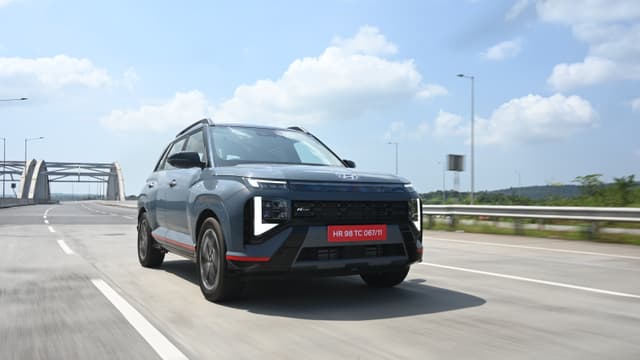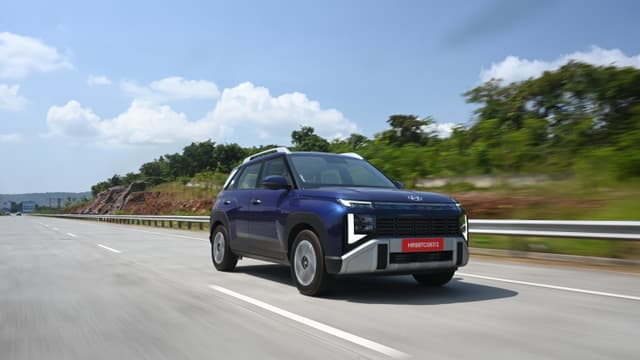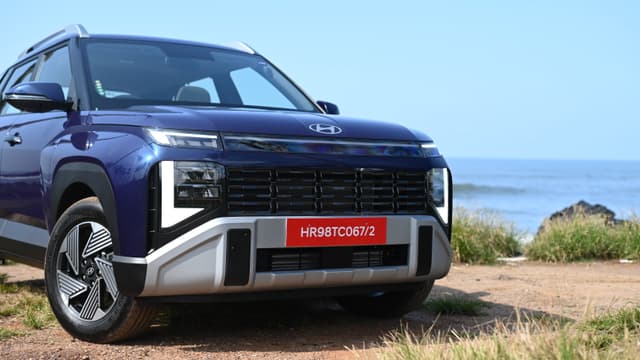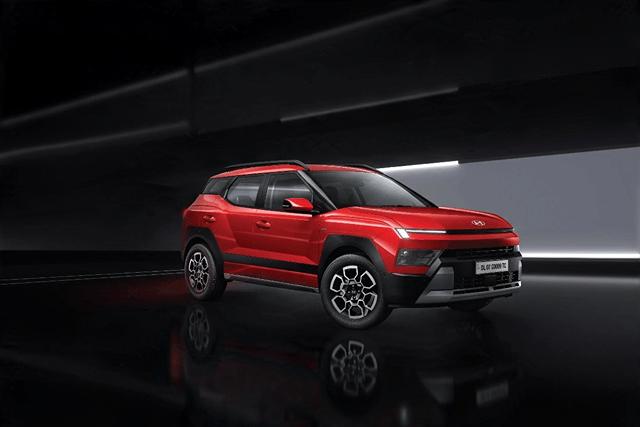
Hyundai cars in India (10)
Hyundai has been one of the most popular car brands in India since its entry in late 1998 with the Santro. Hyundai India has two manufacturing plants, both located near Chennai, with a third plant in Talegaon opening shortly. Most of the Hyundai cars are made in India. Hyundai currently has close to 1,400 showrooms and 1,200 service centres across India.
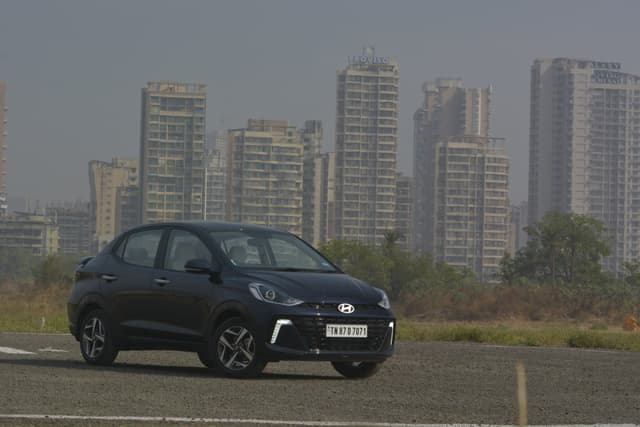
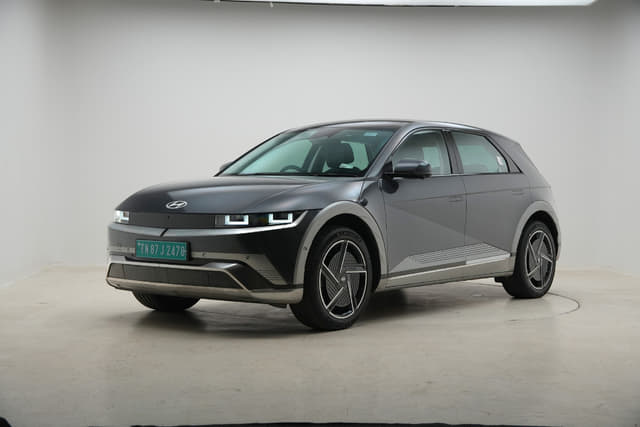
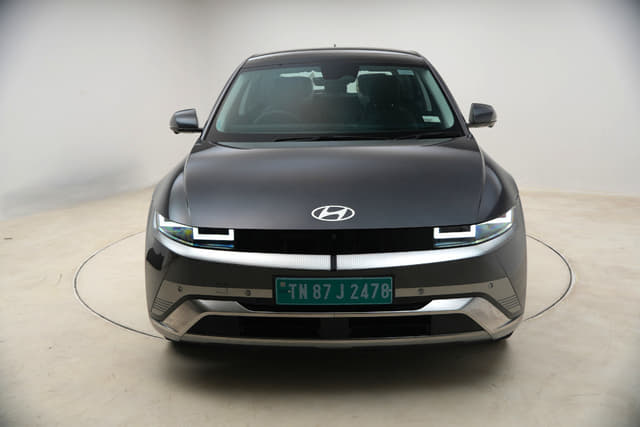
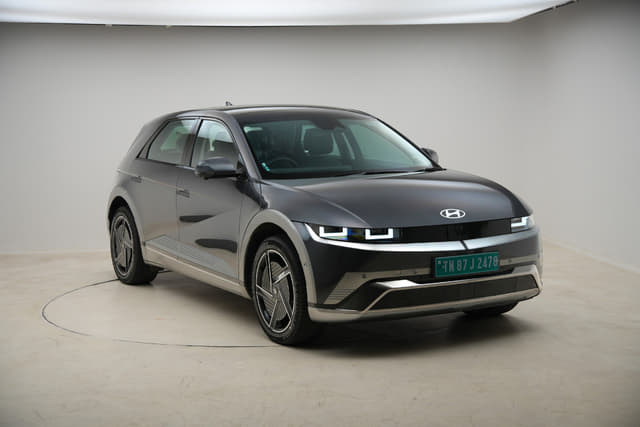
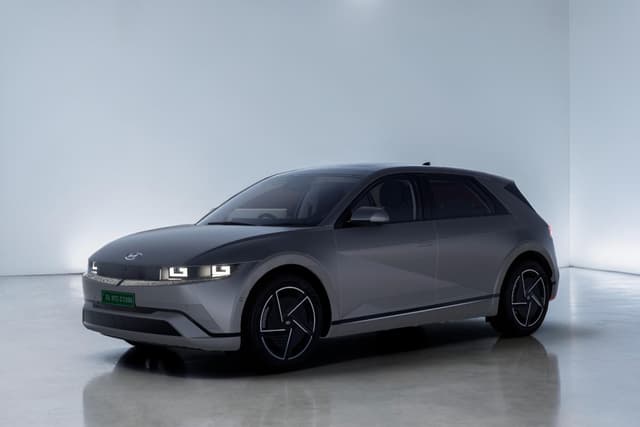
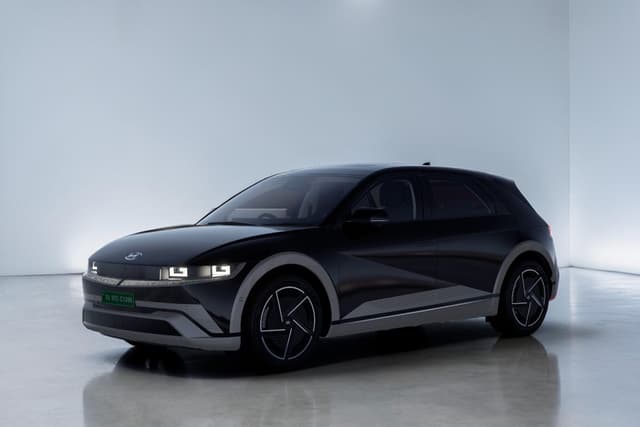
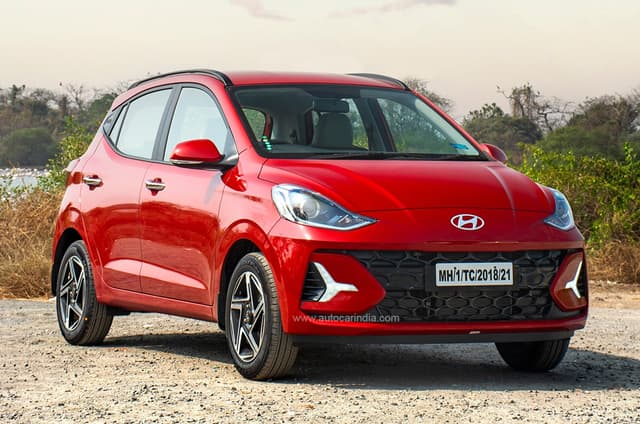
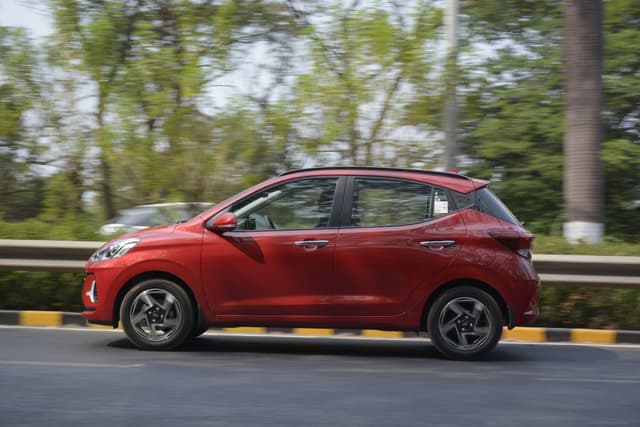
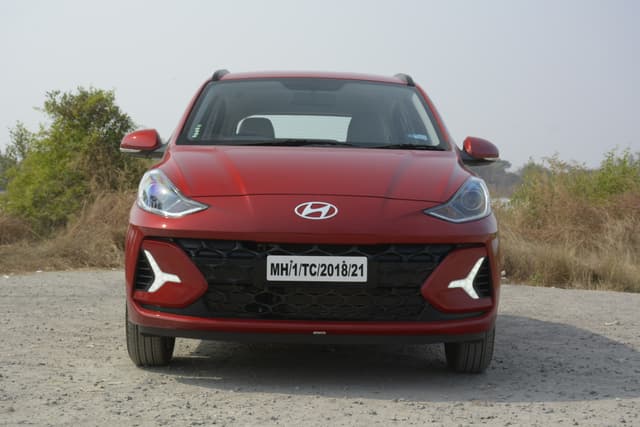
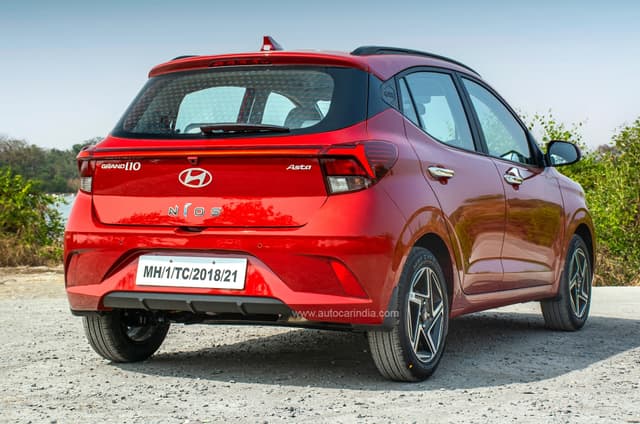
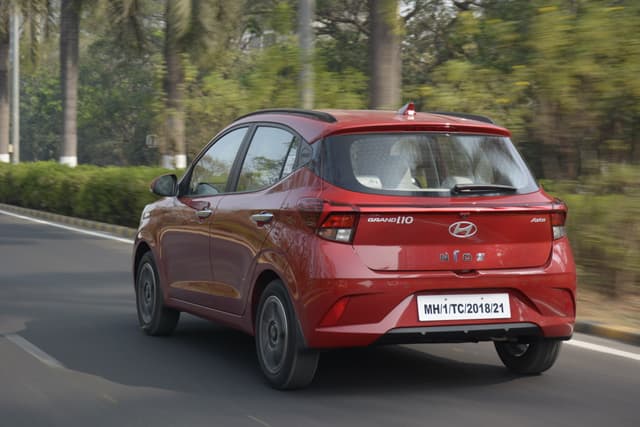
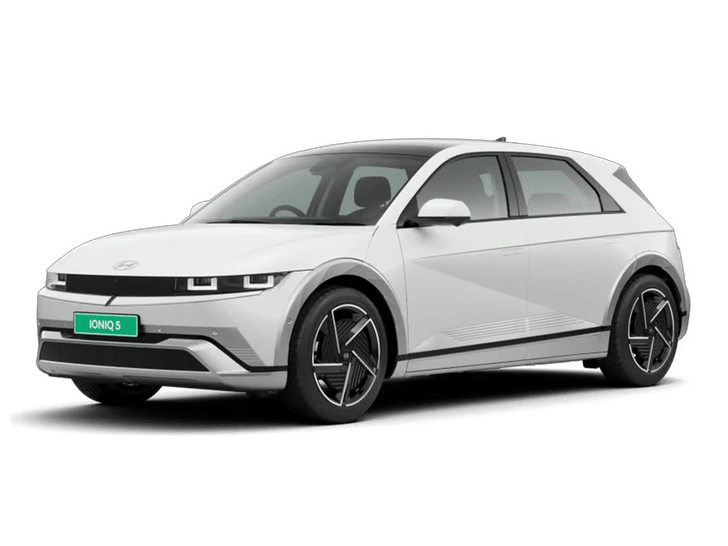
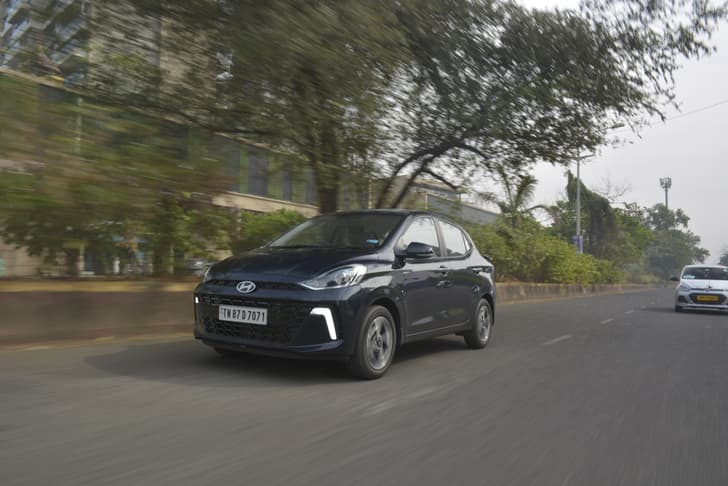
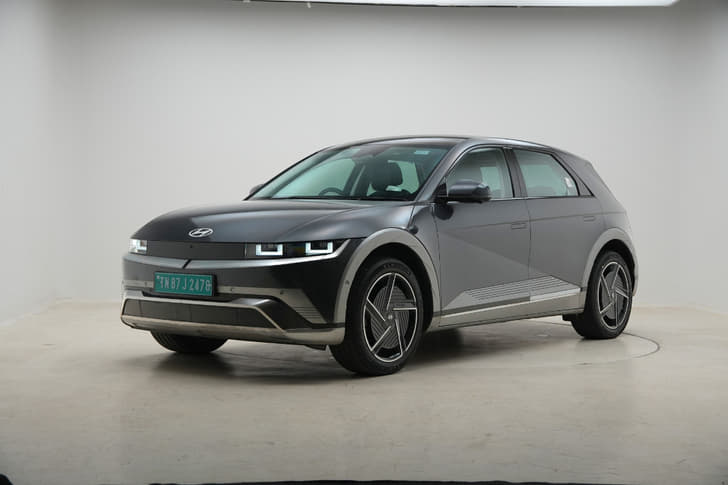
In India, there are currently 10 Hyundai models available for sale: 6 SUVs, 2 Hatchbacks, 1 Crossover, and 2 Sedans. The Hyundai car price in India starts at โน5.47 lakh for the Grand i10 Nios, which is also the most affordable Hyundai model in India, and the most expensive Hyundai car in India is the Hyundai Ioniq 5, priced from โน46.30 lakh (ex-showroom).
Hyundai Car Price List in India in 2025
Here are the latest Hyundai car prices in India as of December 2025:
Hyundai Car Model | Price (ex-showroom) |
Hyundai Grand i10 Nios | โน5.47 lakh |
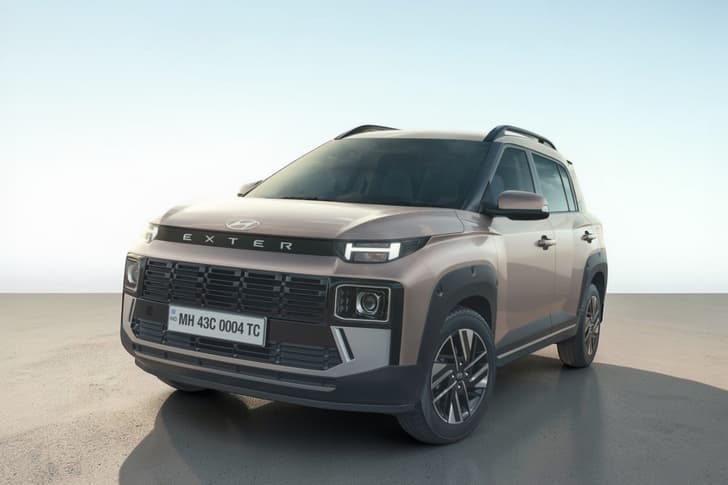
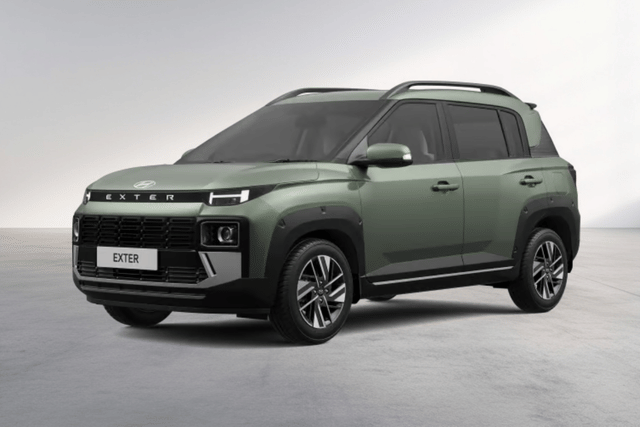
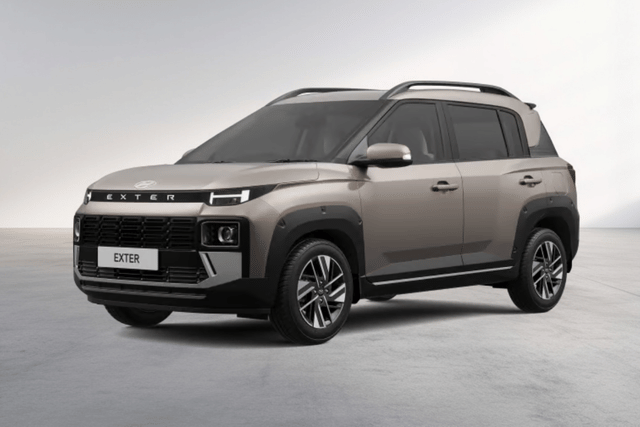
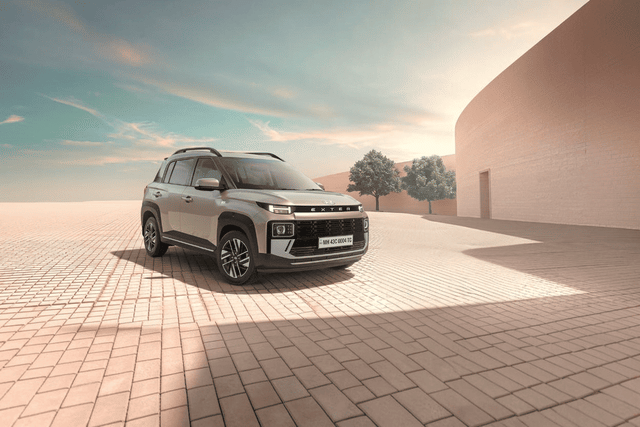
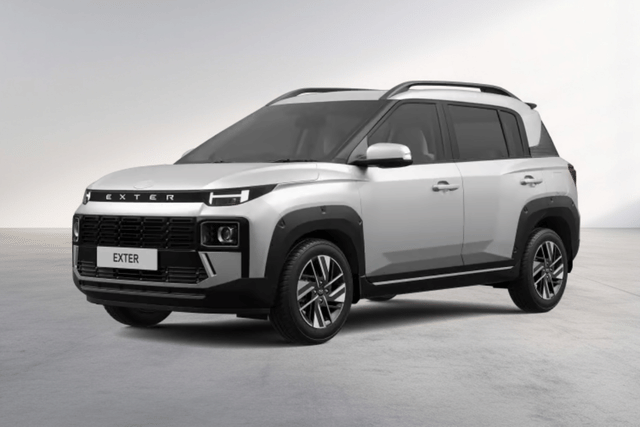
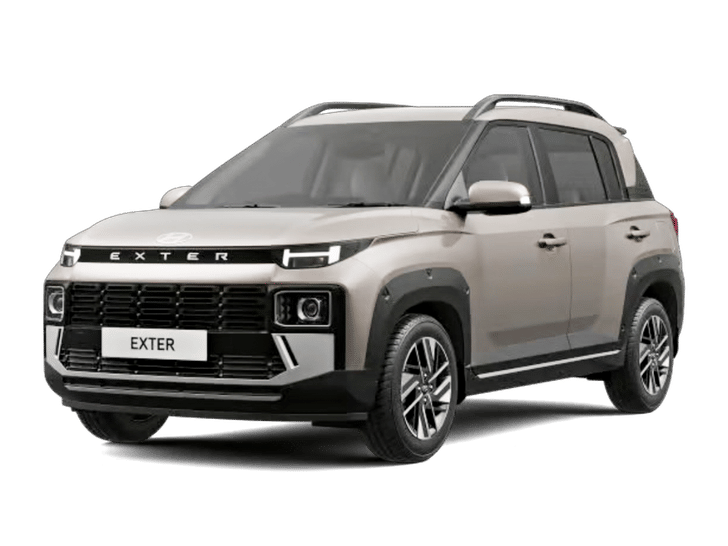
Hyundai Exter | โน5.68 lakh |
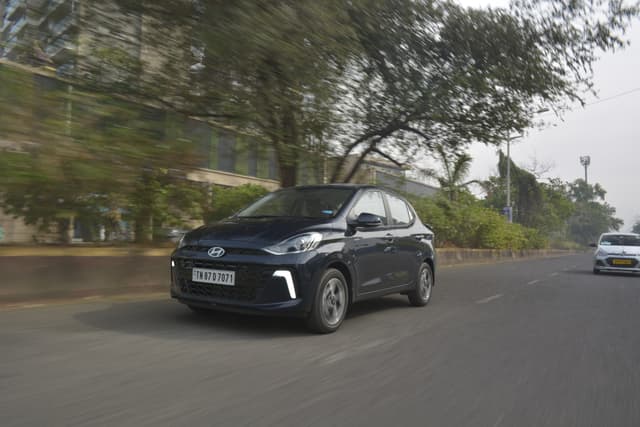
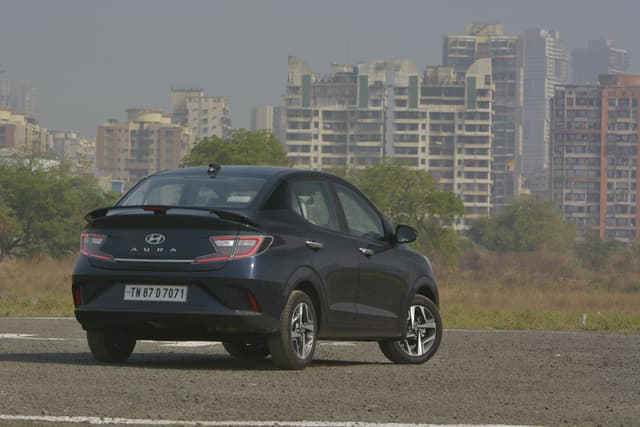
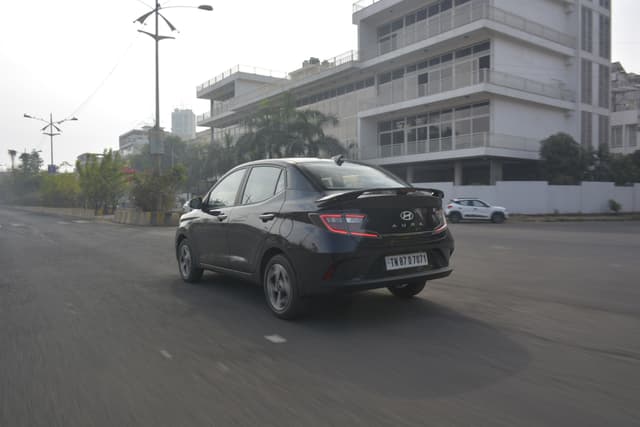
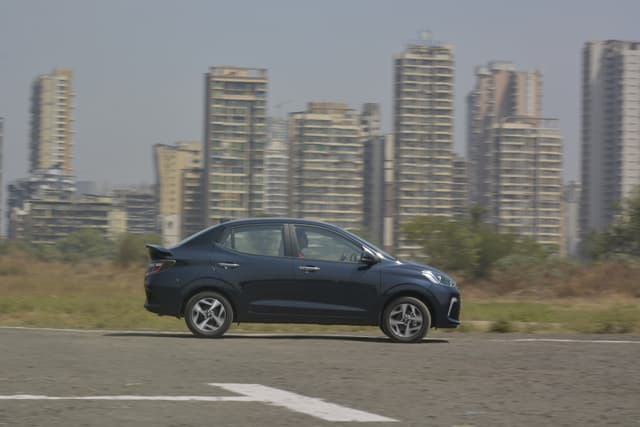
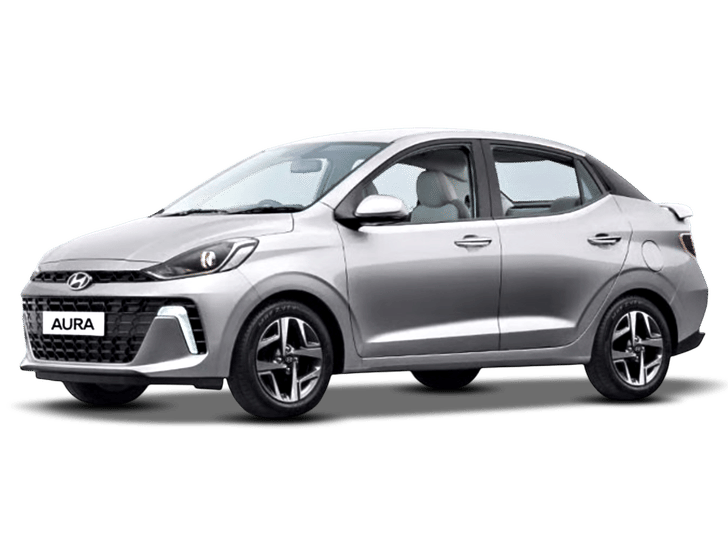
Hyundai Aura | โน5.98 lakh |
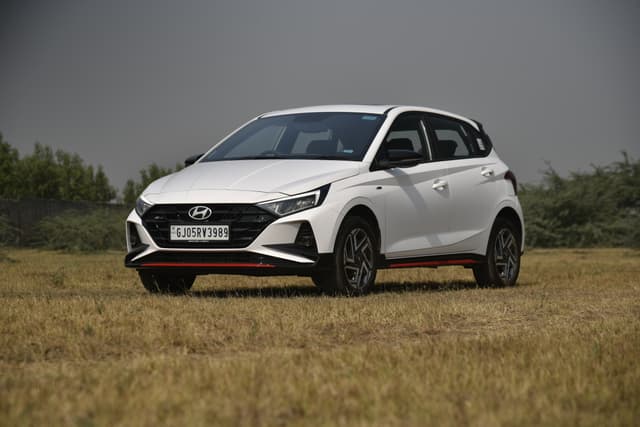
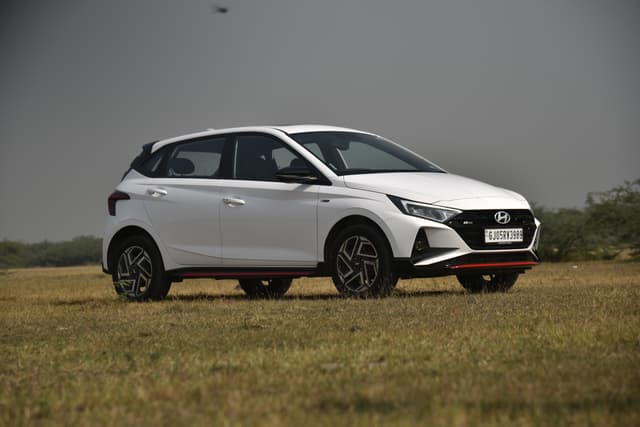
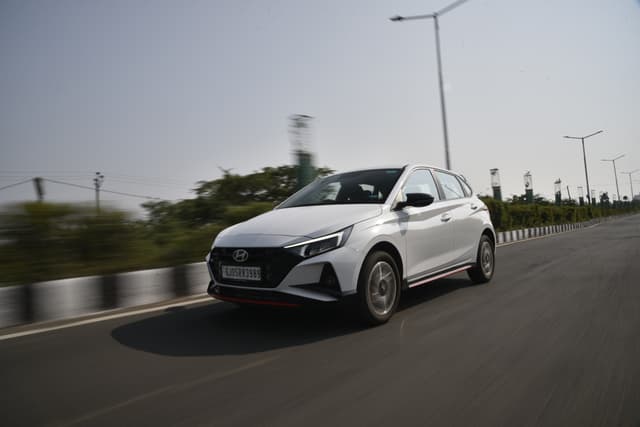
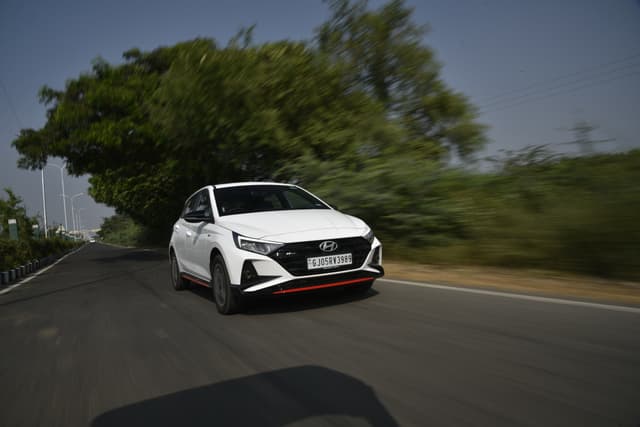
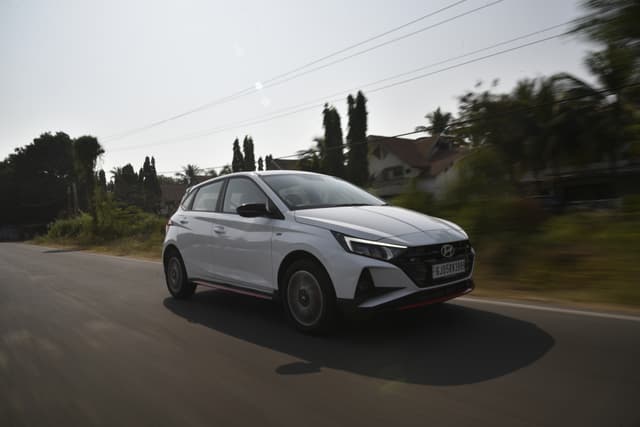
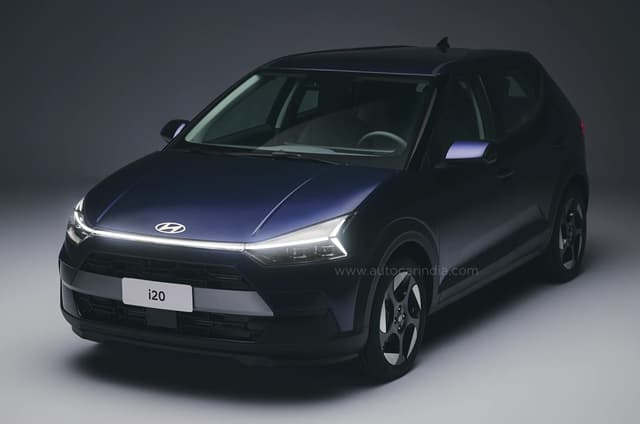
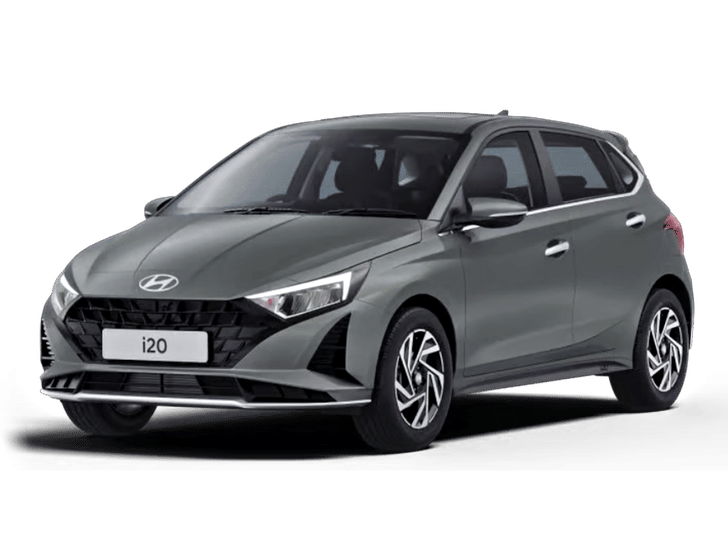
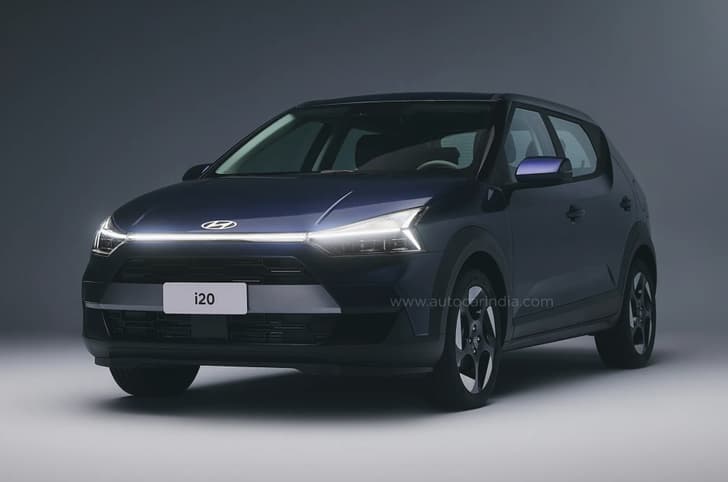
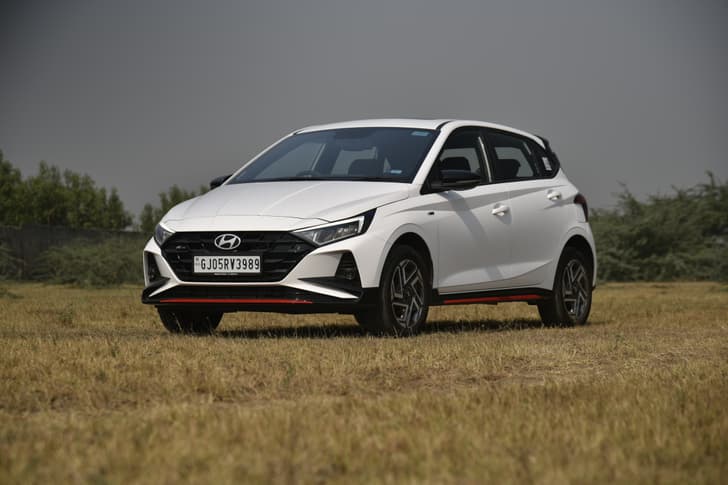
Hyundai i20 | โน6.86 lakh |
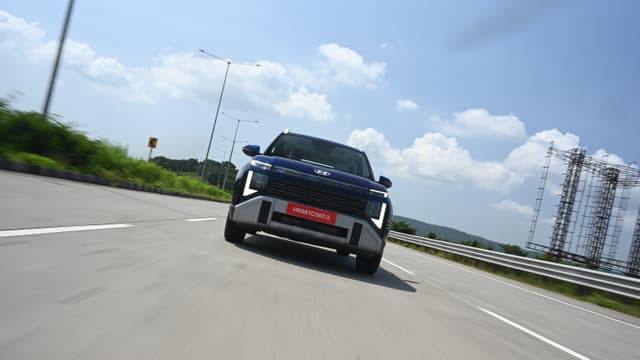
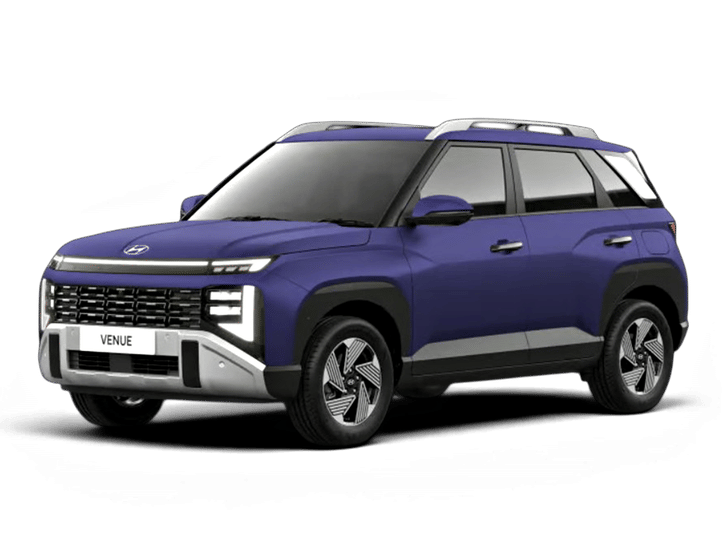
Hyundai Venue | โน7.89 lakh |
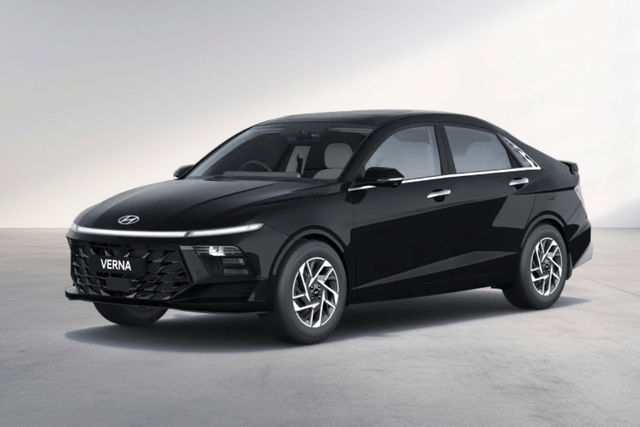
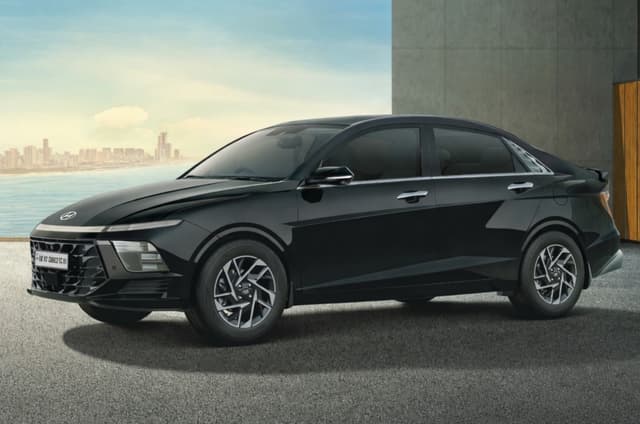
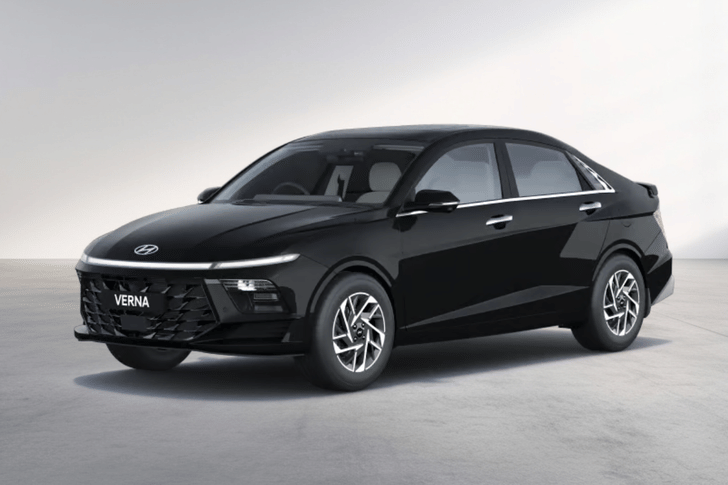
Hyundai Verna | โน10.69 lakh |
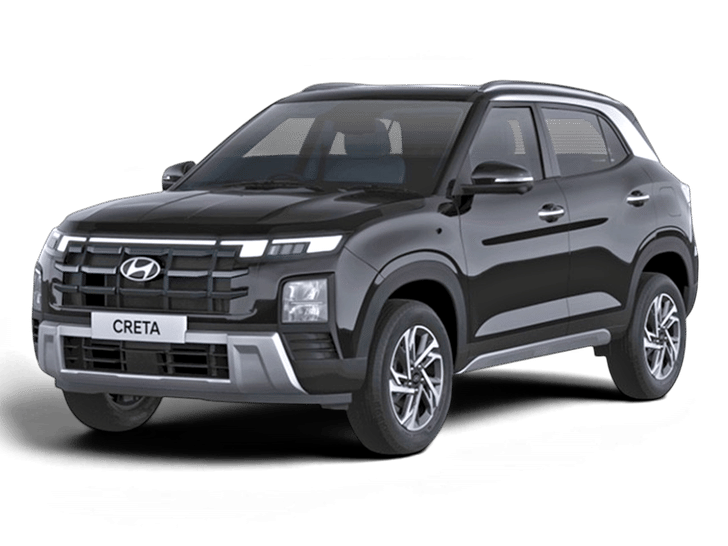
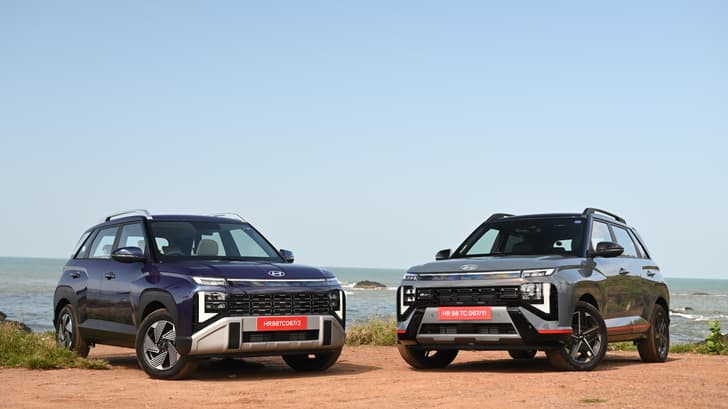
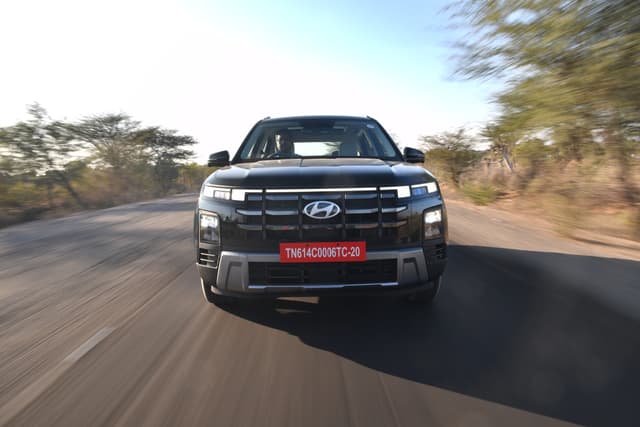
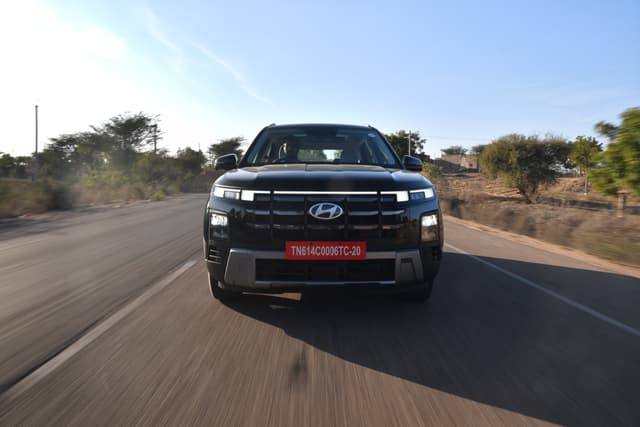
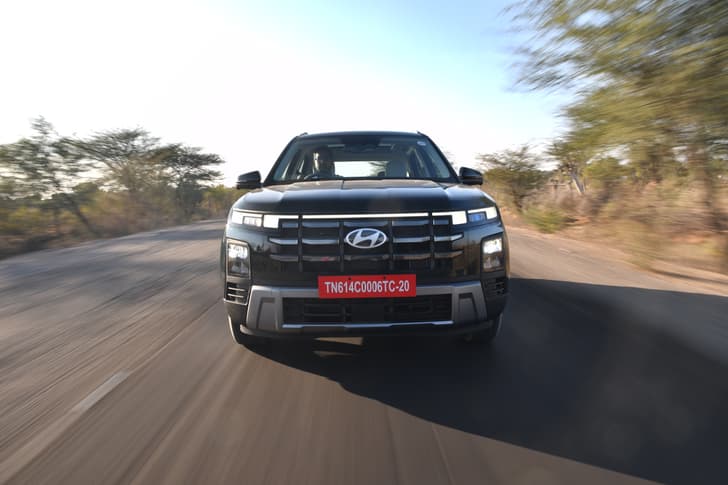
Hyundai Creta | โน10.72 lakh |
Hyundai Alcazar | โน14.47 lakh |
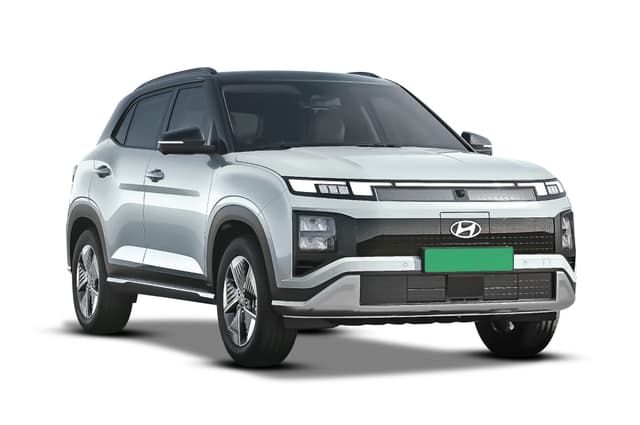
Hyundai Creta Electric | โน17.99 lakh |
Hyundai Ioniq 5 | โน46.30 lakh |
Hyundai Car Models in India
Hyundai cars in India are available with petrol, petrol-CNG, diesel and electric powertrains. Hyundai does not have an MPV in its line-up, unlike sister-brand Kia, which sells the Carens and the Carens Clavis.
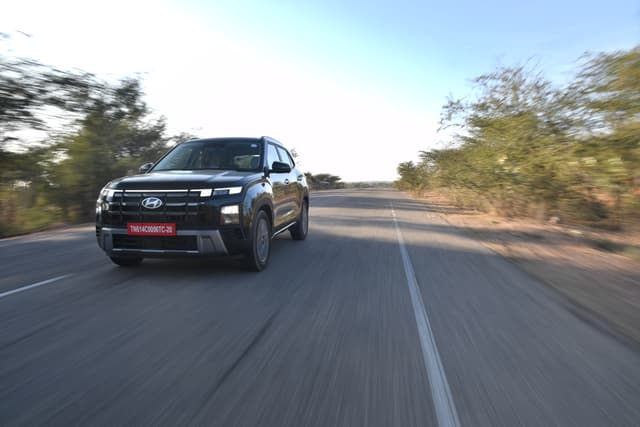
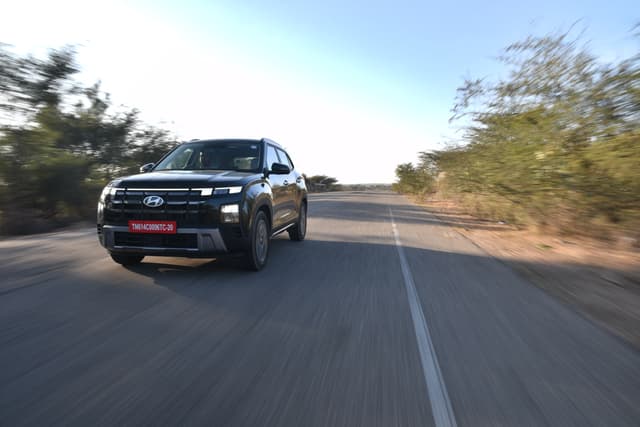
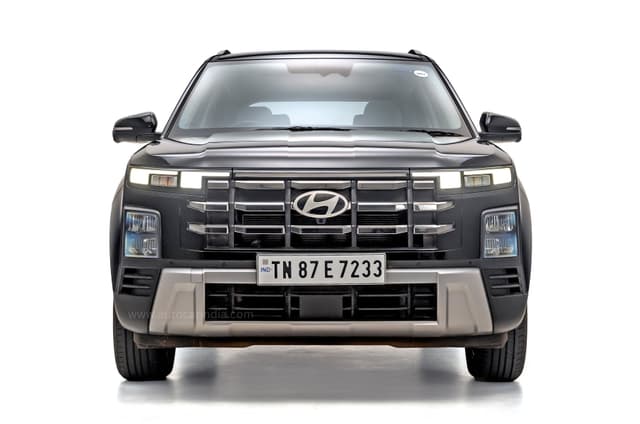
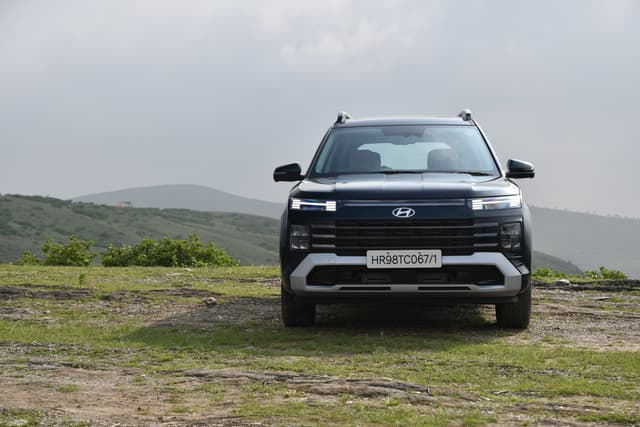
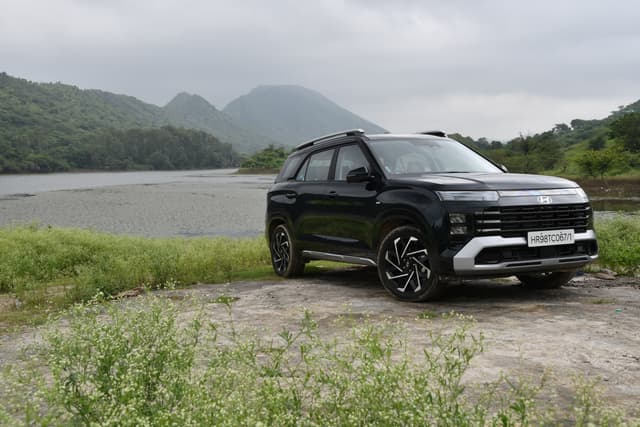
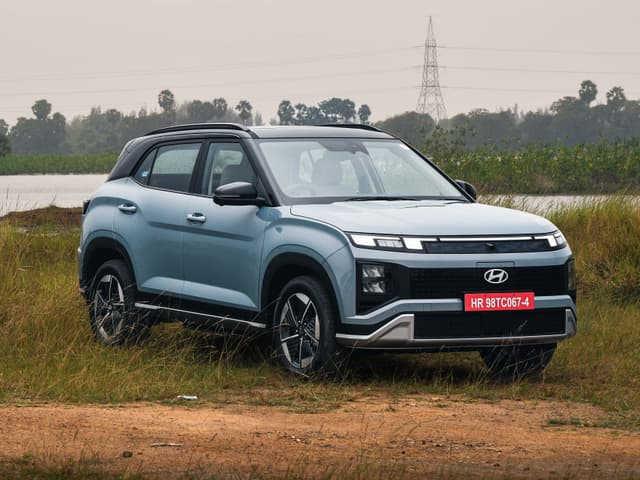
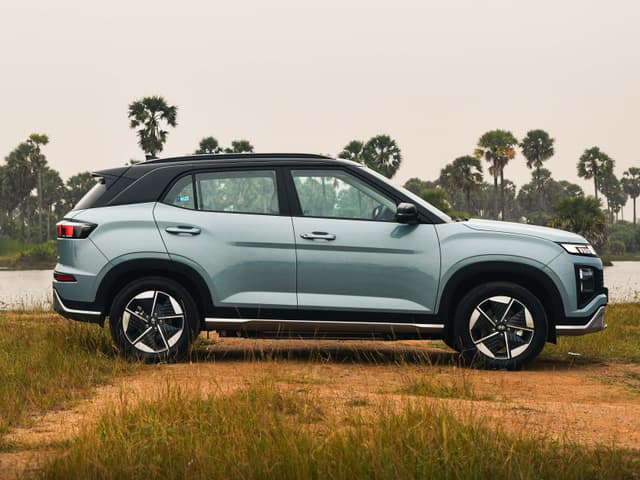
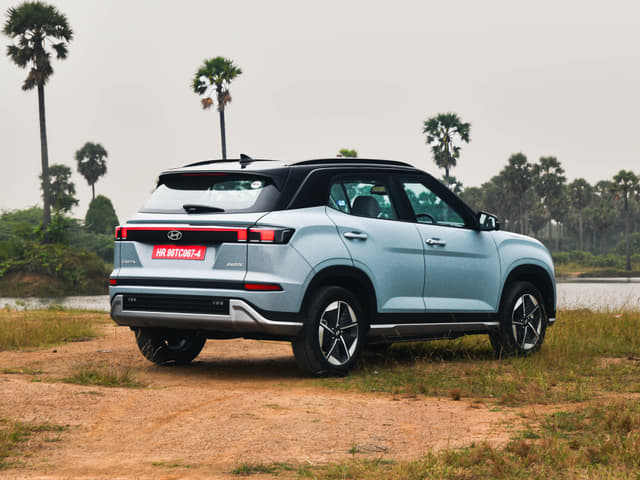
Hyundai Indiaโs SUV line-up consists of the Exter, Venue, Creta, Ioniq 5, Creta Electric, and the Alcazar. Models like the Hyundai i20, Creta, and the Verna are some of the popular Hyundai cars sold in India.
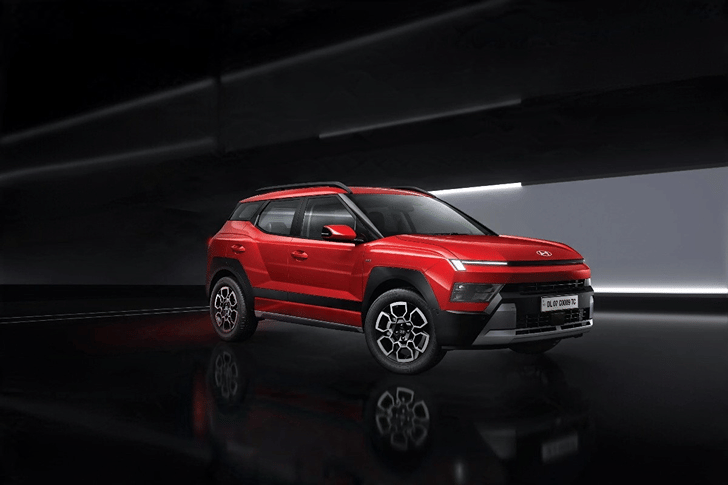
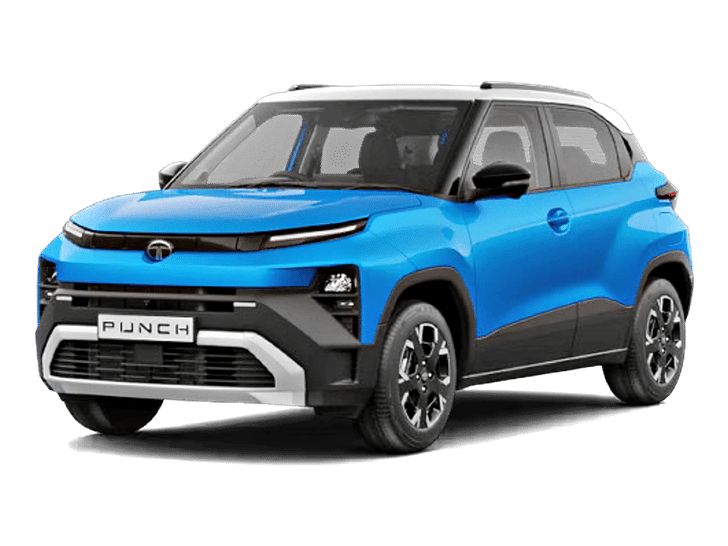
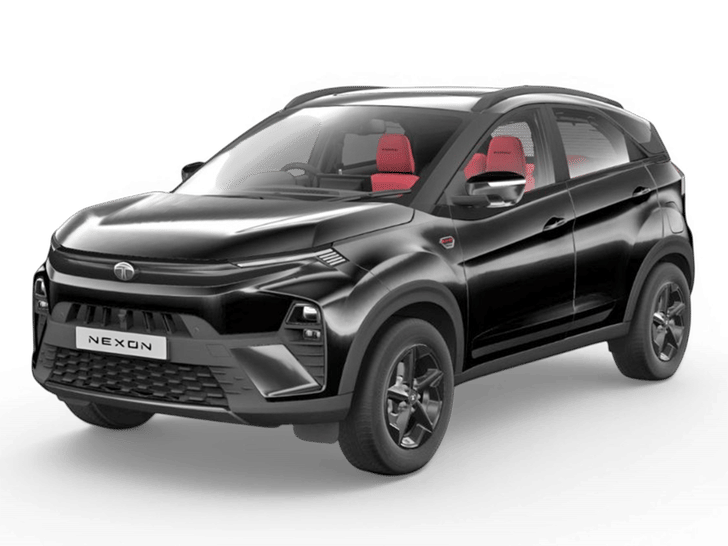
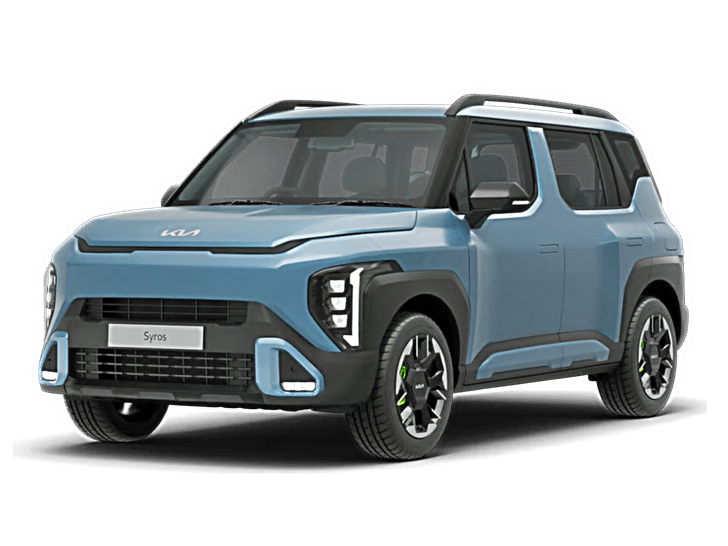
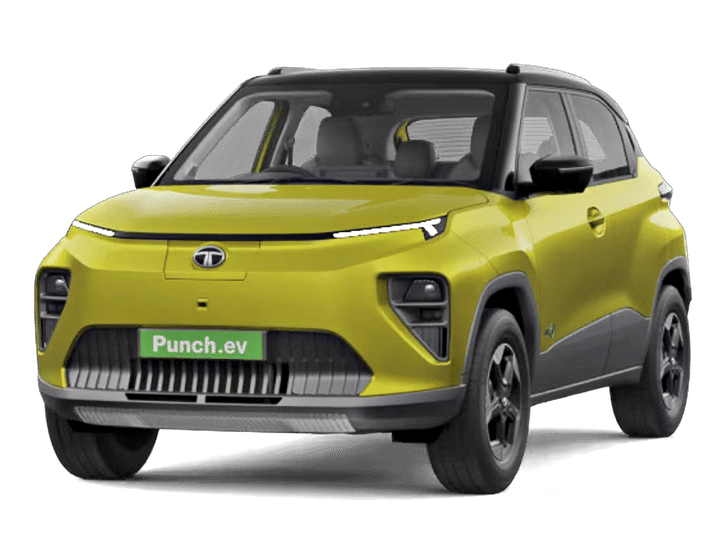
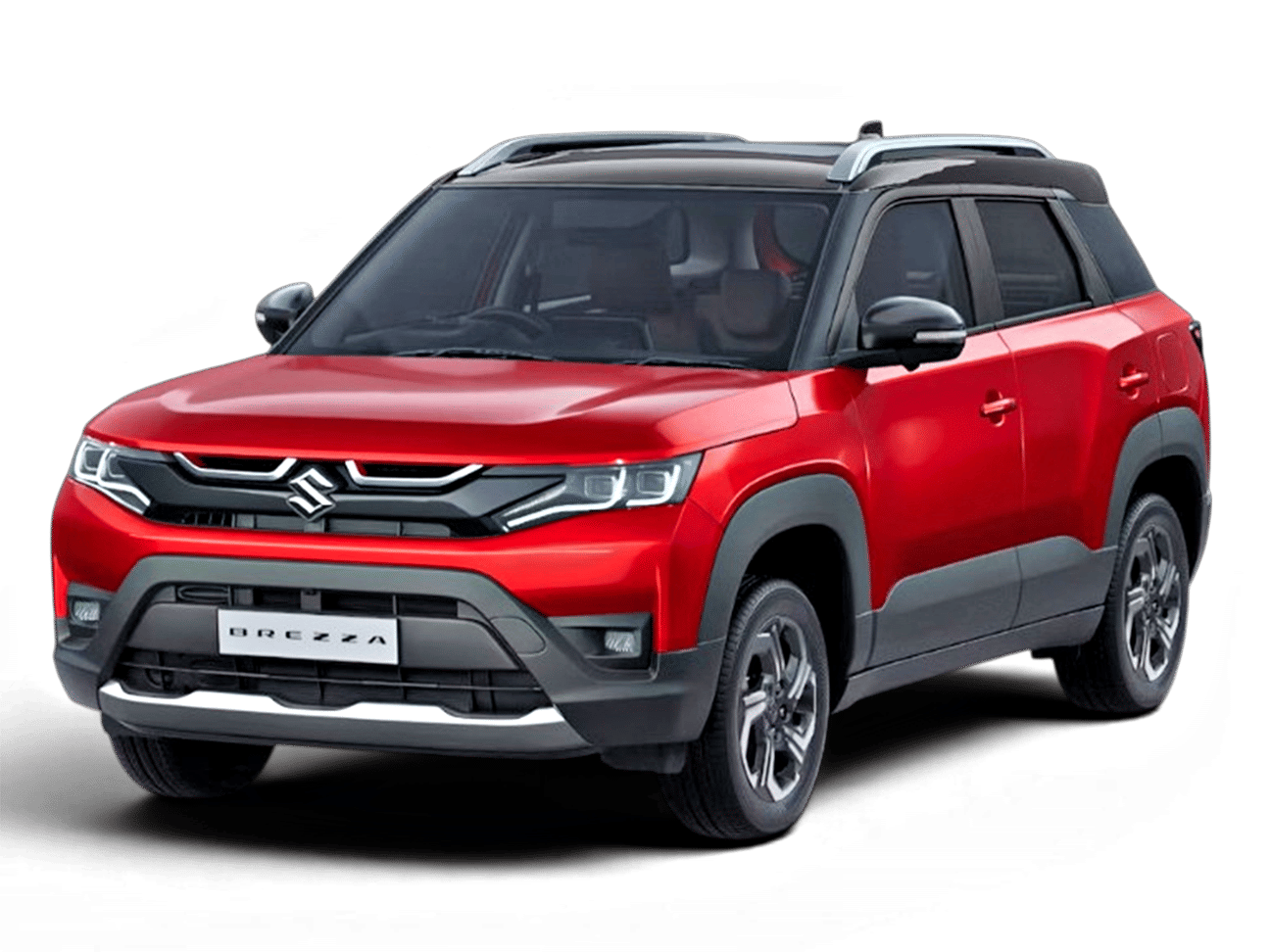
Hyundai Exter price starts at โน5.68 lakh, making it the most affordable Hyundai SUV in India. The Exter rivals the likes of the Tata Punch and the Citroen C3. The Venue compact SUV takes on the Mahindra XUV 3XO, Tata Nexon, Kia Syros and Sonet, and the Maruti Brezza.
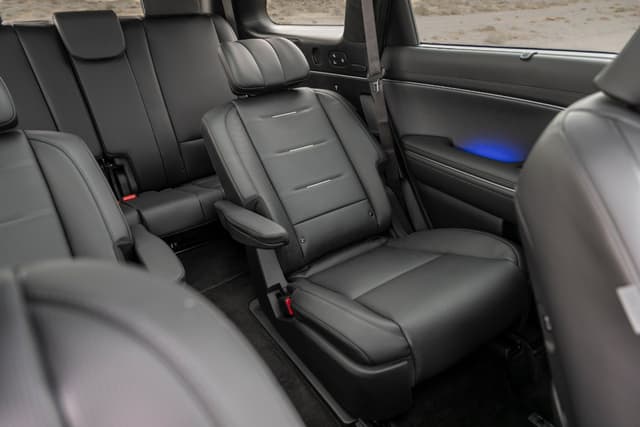
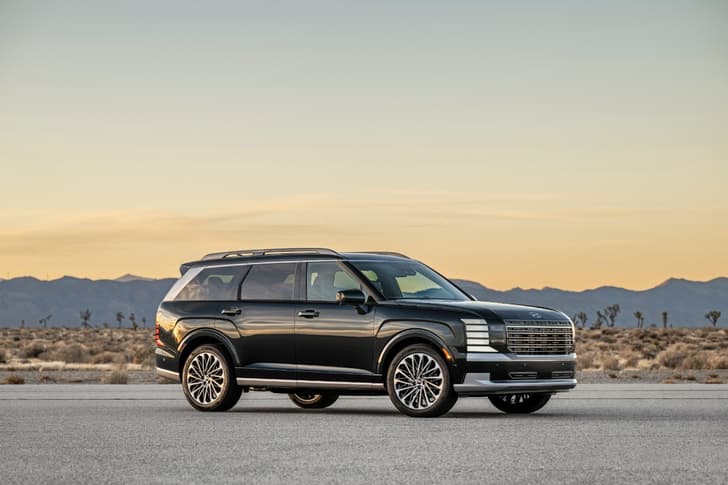
The most popular SUV in India, the Hyundai Creta, is the segment leader that rivals SUVs like the Kia Seltos, Maruti Grand Vitara, Toyota Hyryder and the Mahindra XUV700. The Alcazar is Hyundaiโs three-row SUV based on the Creta that rivals the Hector Plus and the Mahindra Scorpio N in our market.
Hyundai India Latest Updates
- November 11, 2025: Hyundai discontinues the Tucson SUV in India.
- November 4, 2025: New Hyundai Venue launched at โน7.89 lakh.
- September 2025: Hyundai Creta King launched at โน17.89 lakh
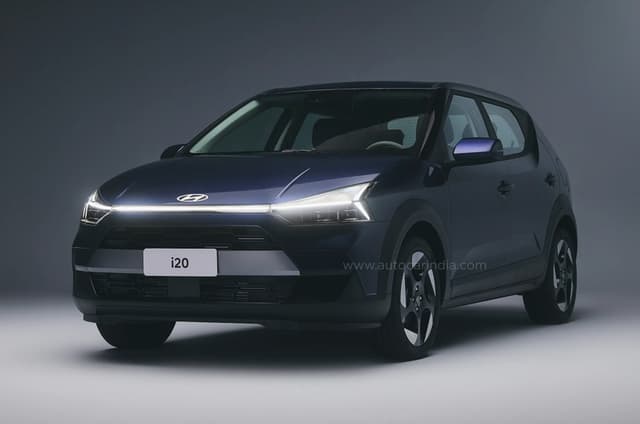
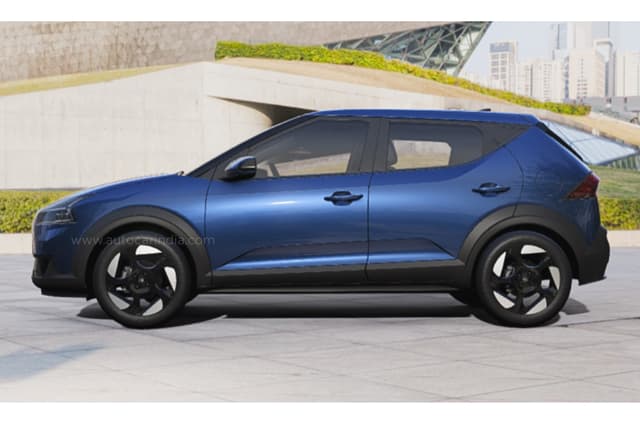
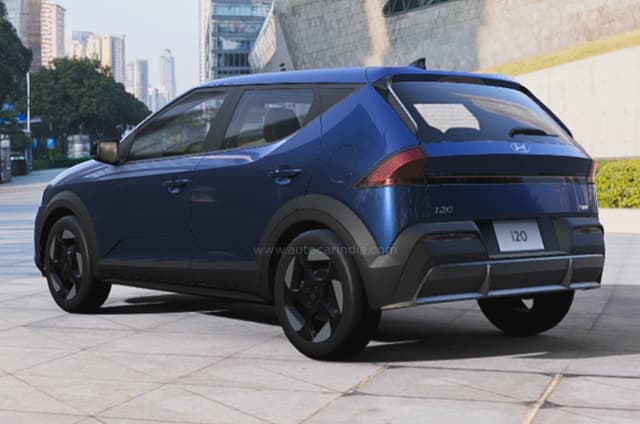
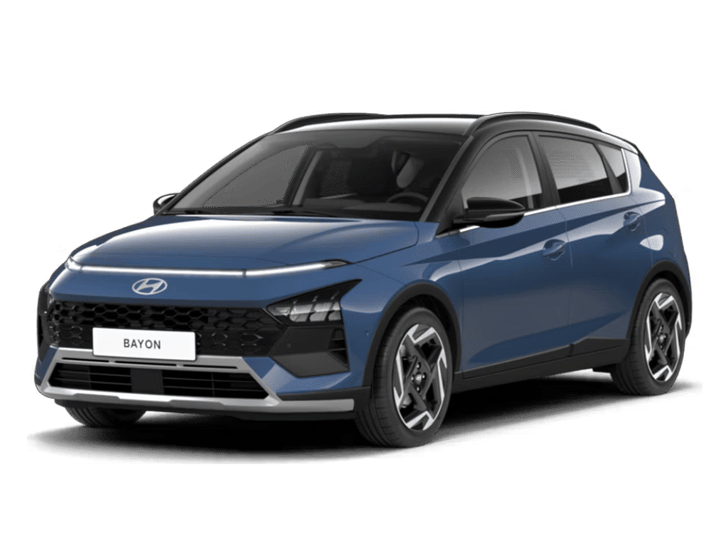
- August 2025: Hyundai has teased an upcoming small Ioniq concept ahead of its official reveal at the Munich Motor Show. This new model is anticipated to be a Bayon-sized crossover and will serve as a sibling to the Kia EV2.
- May 2025: Hyundai announces 26 new future models for India
- May 2025: Hyundai confirms petrol-hybrid powertrains for India
- May 2025: Hyundai i20 gets affordable automatic variant
- July 2024: Hyundai Exter dual CNG launched
- March 2024: Hyundai Creta N Line launched
- January 2023: Hyundai Grand i10 Nios facelift launched
- August 2022: Hyundai Tucson launched in India
Hyundai Electric Cars in India
Hyundai electric cars in India include the Creta Electric and the Ioniq 5. The brand has plans to launch more electric cars in India, which could include an entry-level electric hatchback and also the Hyundai Ioniq 6 in the future. Upcoming Hyundai cars in India include the Venue 2025 along with more new cars and SUV launches.
FAQs
Trending Questions on Hyundai Cars - Answered by Autocar Experts
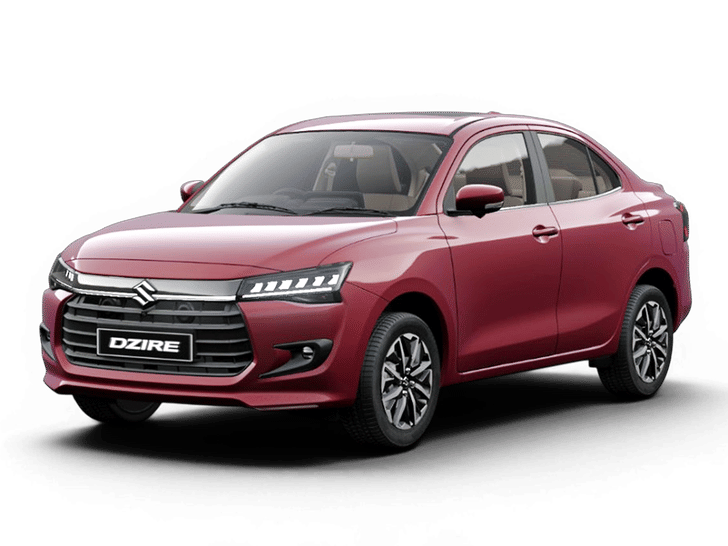
I own a Dzire petrol car and want to replace it with a new petrol car. Please suggest the best petrol car in the โน10-12 lakh range.
Iโm looking for an automatic SUV under โน14 lakh and am deciding between the Tata Nexon DCA and the new 2025 Hyundai Venue DCT. This will be my first automatic car, and my daily usage is about 80 km. Which of these offers the best value for money given my requirements?
On pure value for money alone, the Tata Nexon DCA appears to come out on top, as prices of its model range on the whole are lower than the new Hyundai Venue, which gets pricey at the top end. However, Hyundai offers its Venue 1.0 petrol DCT in lower and mid-range variants too, including the N Line N6 version, while the Tata car has just one Petrol DCT variant that falls into your budget.
You would have to go beyond Rs 14 lakh to gain access to more features in the Tata. Plus, the Venue is the newer vehicle with slightly more up-to-date tech, and its turbo-petrol DCT is the smoother powertrain too.
Hence, we would recommend checking out the Hyundai Venue.
I'm looking to upgrade my 2016 Celerio (manual) to a non-Maruti non-AMT automatic in the next 1 or 2 years within a budget of 12-15 lakhs on road. My usage would be 1000km monthly (80% city and 20% highways) plus occasional highway trips. My priorities are hassle-free maintenance & service experience, good resale value, mileage, driving comfort, lower NVH levels, jerk-free transmission, driver handrest, wireless Android auto, height adjustable ventilated seat, 360 camera. No sunroof. Please suggest.
Iโm looking to buy a new compact SUV and am conflicted between the Sonet 1.2-litre petrol and the Maruti Brezza (1.5-litre petrol). My main concern is fuel efficiency - Iโve heard the Brezzaโs 1.5 is more efficient than the Sonetโs 1.2. Iโm also considering the Sonet diesel manual. My monthly running is about 1,000-1,200 km, mostly on highways. Which one should I buy?
Given that your usage is relatively high and mainly on the highway, you should go for the Kia Sonet diesel MT. Its strong pulling power compared to the naturally aspirated petrol engines you have mentioned will allow for more effortless cruising and overtaking, and the fuel efficiency will be considerably better too.
You should also consider the new Hyundai Venue, as it is a bit more modern and more spacious than the Sonet. As for the fuel economy of the petrol engines, it depends on your driving style and conditions. Since your driving is mainly on the highway, the larger, more powerful 1.5-litre petrol in the Maruti Suzuki Brezza would likely be more efficient on the whole, as it would be less strained at higher speeds than the Sonet's 1.2 petrol.
My dad currently drives a 2018 Maruti Suzuki Swift Dzire Diesel manual, which has run around 1.2 lakh km. He is 65 and mostly drives in the city. We are planning to switch to an automatic for better comfort and convenience. 1. Should we retain the existing Dzire for a few more years or sell it now, considering running cost, age, and expected resale value? 2. If we go for a replacement, is the Maruti Fronx AMT a good upgrade? Any other automatic options (under โน10โ11 lakh on-road) that would be.
The Maruti Suzuki Fronx AMT is a good replacement - its engine is peppy, AMT (automatic) is smooth by segment standards, and the overall experience is likely to be quite trouble-free. You could also consider a Hyundai i20 IVT for its smoother automatic transmission and refined engine.
My monthly usage will be about 400 km inside the city, and I will make long trips twice a year. Iโm considering upgrading from my Xcent to the Venue. I need your insights to decide between the Venue HX6 1.2 litre and the HX6 DCT versions. Iโm particularly concerned about the 1.0/1.2 engineโs reliability and the DCTโs maintenance requirements.
The 1.0-litre turbo petrol with the DCT has been used across several Hyundai and Kia cars, such as the Venue, i20 and the Sonet, and has proven reliable over time.
Hyundai has also improved the gearboxโs smoothness, making it a well-rounded powertrain. Compared with the 1.2-litre naturally aspirated engine, the turbo offers a significant performance advantage, especially on the highway, and the 1.2-litre does not offer an automatic option either.
Hello. I currently drive a 13-year-old Honda Brio and am planning to buy a new mini-SUV or SUV with a โน20 lakh on-road budget. My monthly running will be about 1,000-1,500 km. Which fuel type is better for long-term ownership - petrol, hybrid, or electric - and which models should I consider?
Opting for an electric SUV could be save you from a lot of uncertainties in the future around fuel mix, registration validity, etc., which might concern ICE vehicle owners.
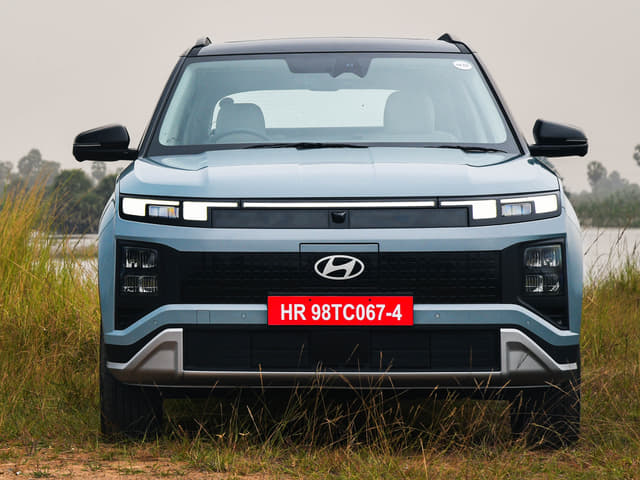
With a budget of Rs 20 lakh, the most sensible and trouble-free EV option is an entry-level Hyundai Creta Electric. If you want space, features and a fully-loaded car, the MG Windsor EV is also a good option to consider.
The entry-level Mahindra BE 6 is a stand-out EV that also falls within your Rs 20 lakh budget.
My Wagon R has run 70,000 km in 3 years. I now want to buy a new car. Please suggest a car that offers good mileage and comfort. I am 6 feet tall, and my budget is Rs 10 lakh.
My parents (both 62) want to replace their old Spark with a new car. Requirements: automatic transmission, high ground clearance, good mileage, a refined engine, and reliable service. Theyโve shortlisted the Tata Exter (4-cyl) and Tata Punch (3-cyl). Their concerns are the Punchโs 3-cylinder engine and service, and the Exterโs lack of body-safety ratings. They prefer a compact, easy-to-handle car (not bulky). Budget is under โน10 lakh on-road. Any other recommendations?
As you've mentioned, the Hyundai Exter is the smoother and more refined car of the two, thanks to its four-cylinder petrol engine.
Its transmission is also relatively more seamless, and overall, Hyundai cars have a better reputation for their sales and support network too.
Other options you could shortlist are the Maruti Fronx or Toyota Urban Cruiser Taisor 1.2 petrol AMT.
My running is less than 1000 km per month I have shortlisted some of the cars 1. Kia syros 2. New Hundai venue 3. Tata nexon 4. Maruti breeza Within 12 lakh in same price range which will be best and safest value for money family car among these and which will be better petrol, diesel or cng
It'll be best to stick to petrol, as the premium you will be paying for a diesel or CNG won't be justified for a mere 1000km monthly run.
Between the four cars you've listed, the Hyundai Venue seems to be the most rounded option in terms of space, comfort, features and sophistication. The new Venue hasn't been crash tested as yet, however, like others, it packs in all the essential safety kit like 6 airbags, ESP, hill-start assist, etc.
Last Updated on: 26 Nov 2025