
Last Updated on: 19 May 2026
Maruti Suzuki Grand Vitara
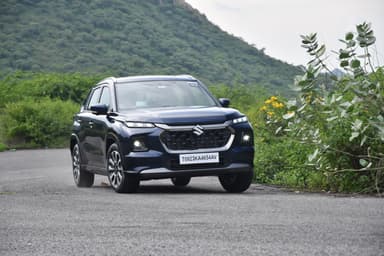
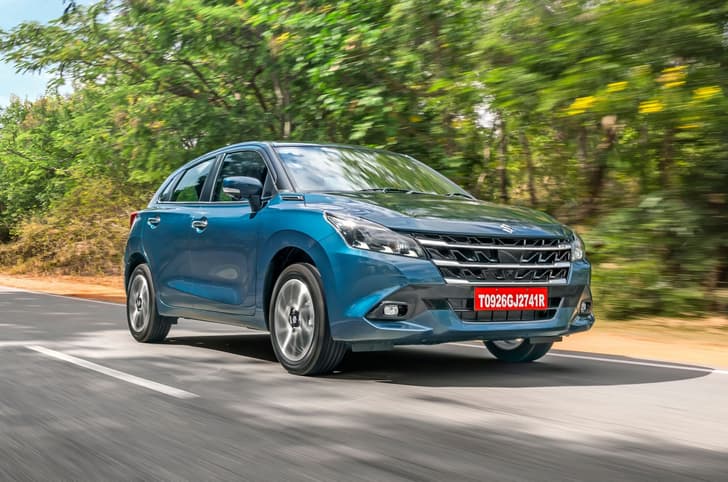
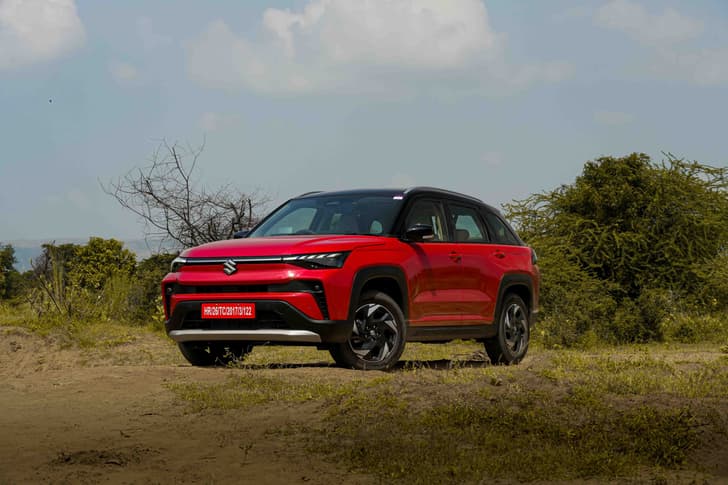
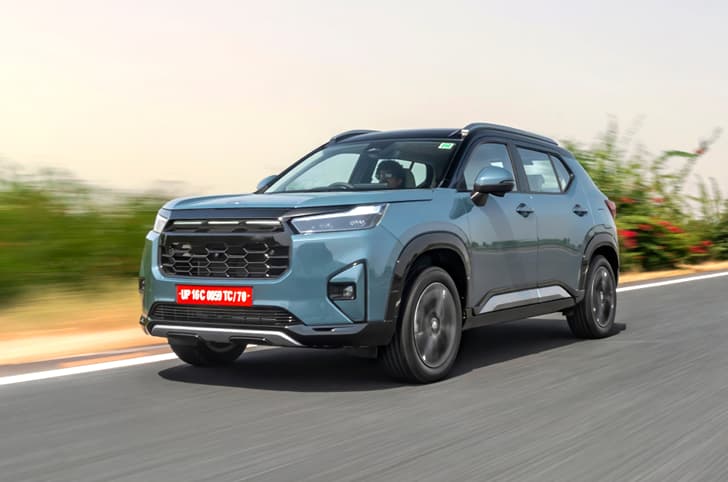
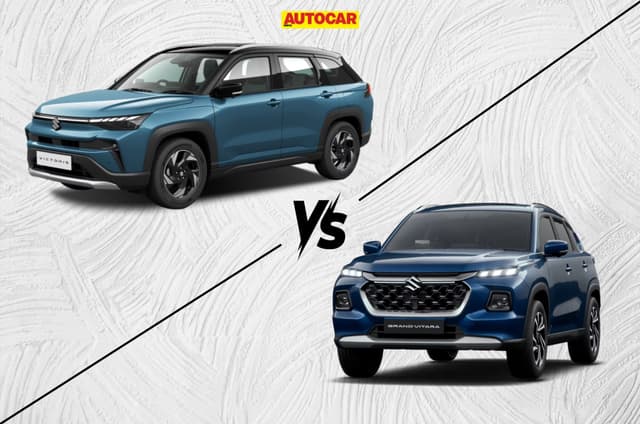
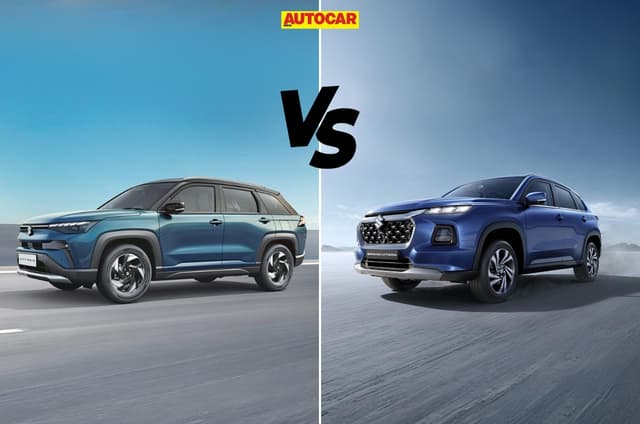
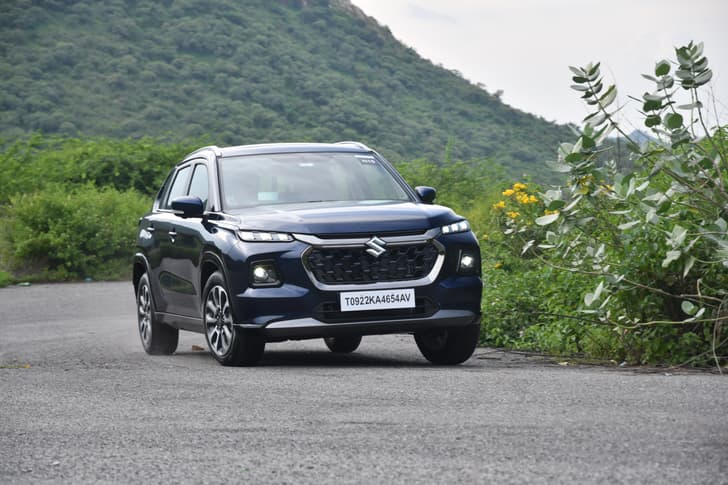
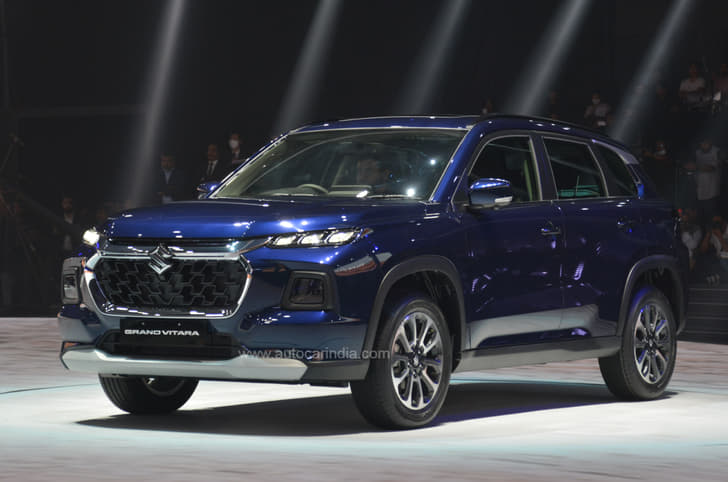
The Maruti Suzuki Grand Vitara is a mid-size SUV that is sold through the carmaker’s Nexa dealership, alongside the Maruti Suzuki Victoris, which is retailed via the Arena channel. It is one of the most affordable cars in India to get an AWD setup.
The Grand Vitara variants include 19 options, with ex-showroom prices starting from Rs 10.77 lakh for the Petrol Sigma MT variant. Its top-end Strong Hybrid Alpha+ (O) AT variant is priced at Rs 19.57 lakh.
The Maruti Suzuki Grand Vitara engine options include a 103hp petrol and a 116hp strong-hybrid. The petrol gets a manual and automatic transmission choices, while the strong hybrid petrol gets an automatic gearbox only. The Grand Vitara AWD is available with the petrol-automatic combination. A CNG option, which produces 89hp and 121.5Nm, is only offered with a manual gearbox.
The Grand Vitara mileage ranges between 19.2 kmpl - 27.97 kmpl.
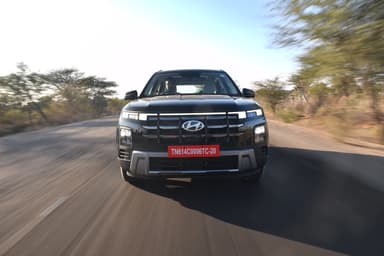
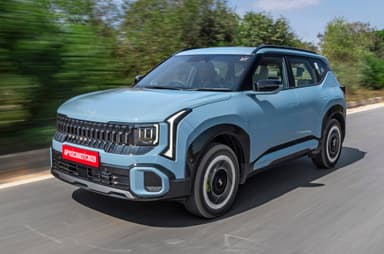
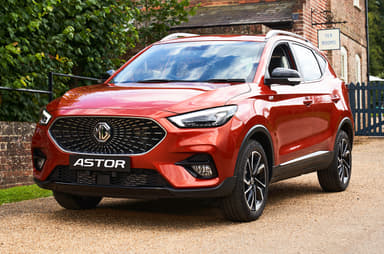
The Maruti Suzuki Grand Vitara rivals include the Hyundai Creta, Maruti Suzuki Victoris, Kia Seltos, Toyota Urban Cruiser Hyryder, Maruti Grand Vitara, Volkswagen Taigun and Citroen Aircross. It also competes with SUV-coupes like the Tata Curvv and Citroen Basalt.
Key Highlights of the Maruti Grand Vitara
- The Maruti Grand Vitara is one of the best-selling mid-size SUVs in India.
- Its ex-showroom prices range between ₹10.77 lakh and ₹19.57 lakh.
- It is also one of the most affordable cars in India to get a strong hybrid engine and an all-wheel-drive (AWD) setup.
- Other engine options include a 1.5-litre mild hybrid petrol unit that produces 103hp and 139Nm.
- The petrol engine is also available with an 89hp CNG choice that is mated with only a manual transmission.
- Unlike the Victoris, which features a CNG tank under its body, the Grand Vitara’s CNG tank is placed inside the boot.
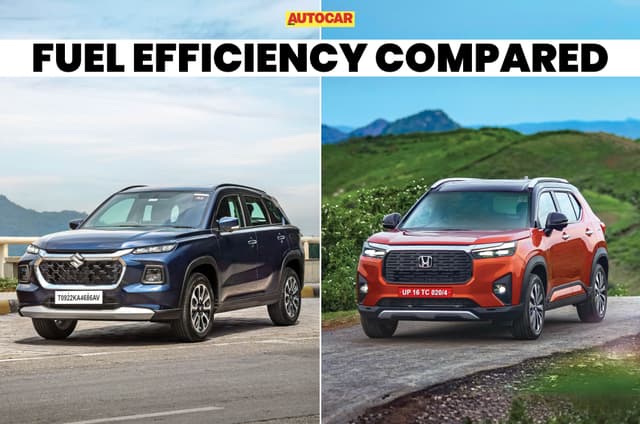
- The Grand Vitara has a fuel efficiency range of 19.2 kmpl - 27.97 kmpl, depending on the chosen powertrain.
- Key features include a panoramic sunroof, a 360-degree camera, ventilated front seats, a powered driver’s seat and a wireless phone charger.
- Safety features onboard the Grand Vitara include 6 airbags as standard, a 360-degree camera. It does not have an ADAS suite.
- It is yet to be crash tested by any NCAP organisation, and hence its safety ratings are unknown.
Maruti Grand Vitara Key Specifications for All Variants
Maruti Suzuki Grand Vitara key specifications | |
|---|---|
Dimensions | 4345mm x 1795mm x 1645mm |
Wheelbase | 2600mm |
Cargo Volume | 373 litres (petrol), 265 litres (strong hybrid) |
Engine | 1.5L petrol | 1.5L CNG | 1.5L strong hybrid |
Engine cylinder configuration | Inline 4 |
Power | 103hp | 88hp | 116hp |
Torque | 139Nm | 121.5 Nm | 122Nm (engine), 141Nm (motor) |
Fuel economy | 19.20-20.58kpl | 26.6km per kg | 27.97kpl |
Maruti Grand Vitara Interior and Exterior
Maruti Suzuki Grand Vitara Interior:
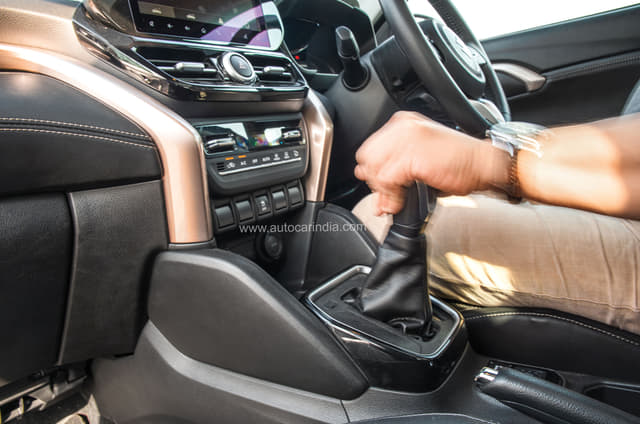
- Simple dashboard design with a contrasting trim in the middle
- 3-spoke steering wheel with illuminated buttons
- Dual digital displays
- Leatherette seat upholstery
- Adjustable headrests and 3-point seatbelts for all passengers
Maruti Suzuki Grand Vitara Exterior:
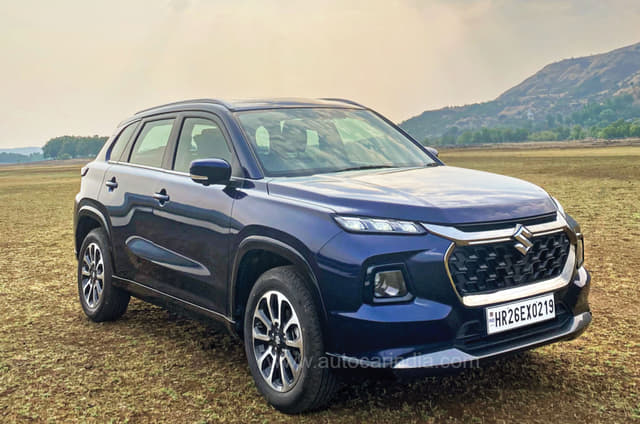
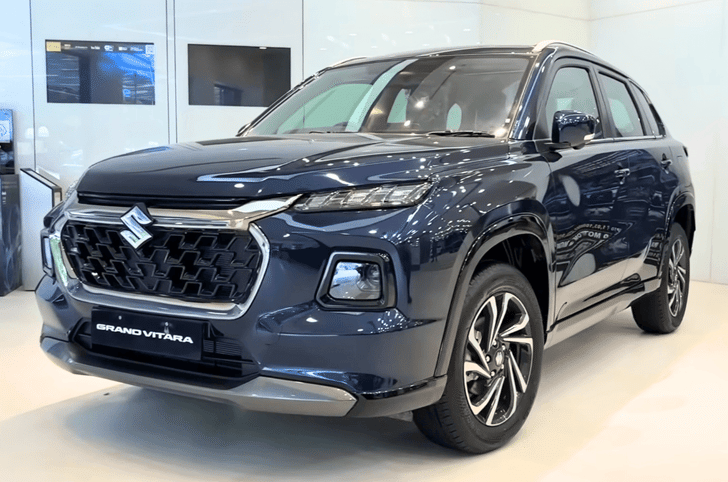
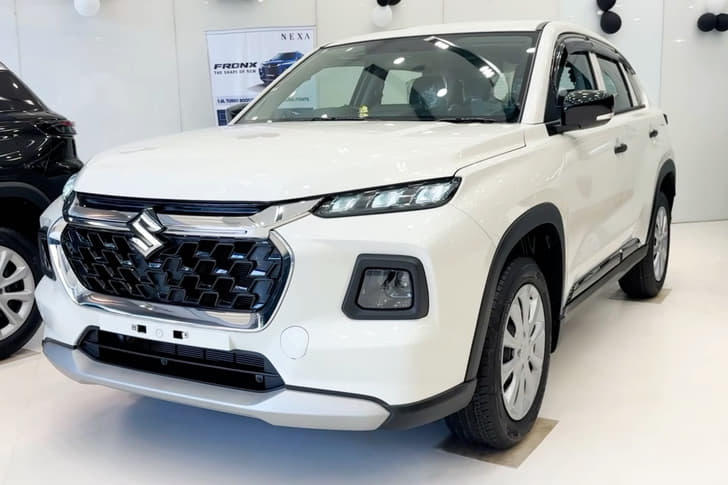
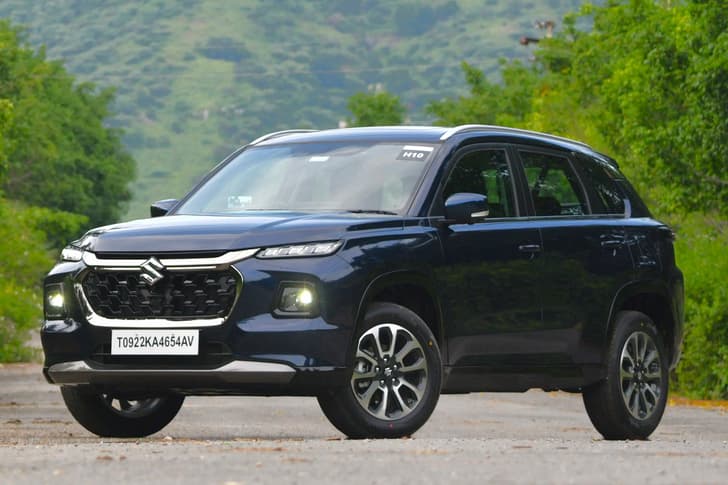
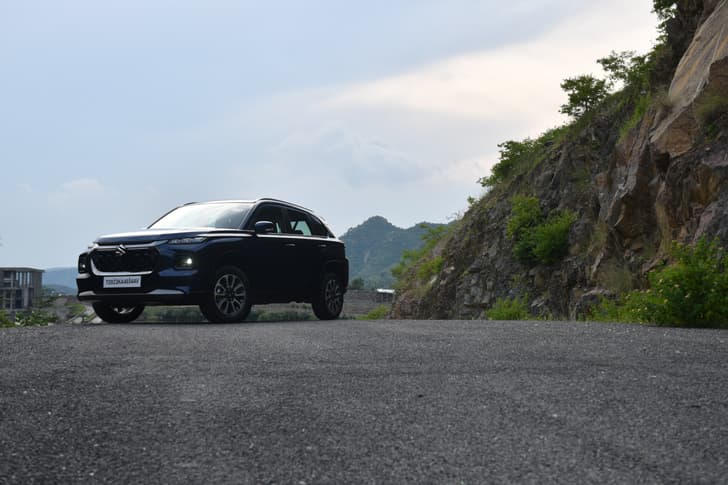
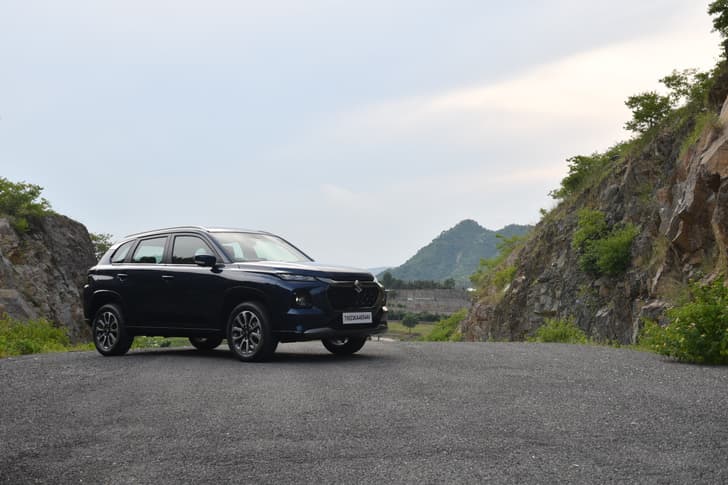
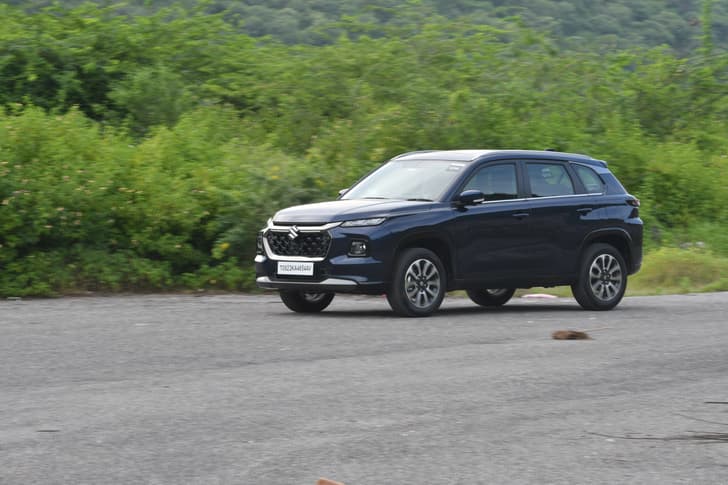
- Sleek silhouette
- Projector LED headlights
- Segmented LED DRLs
- Connected LED taillights
- Up to 17-inch alloy wheels
- Black cladding on wheel arches and lower door edges
Maruti Suzuki Grand Vitara Latest Updates
- 07 May 2026: Maruti Grand Vitara is carrying benefits up to Rs 1.08 lakh this May
Maruti Suzuki Grand Vitara Features and specifications
Our Rating | 8 |
Mileage | 19.2 kmpl - 27.97 kmpl |
Engine | 1462 cc - 1490 cc |
Fuel Type | CNG, Petrol, Petrol-Electric Hybrid |
Transmission | Manual, Torque Converter, CVT |
Seats | 5 |
Body Style | SUV |
Doors | 5 |
Max Power | 92.45hp at 5500rpm |
Max Torque | 122Nm at 3800-4800 |
Warranty Distance | 100000 km |
Warranty Duration | 3 Years |
| Fuel Type/ Propulsion | Petrol-Electric Hybrid |
| Number of Motors | 1 |
| Pure Electric Driving Mode | No |
| Engine Installation | Front |
| Fuel Tank Capacity | 45 litres |
| Official Fuel Economy | 27.97 kmpl |
| E20 Compatibility | Yes |
| Emission Standard | Bharat Stage VI |
| Front Brakes | Discs |
| Rear Brakes | Discs |
| Type of Power Assist | Electric |
| Steering Adjust | Tilt and Telescopic |
| Length | 4345 mm |
| Width | 1795 mm |
| Chassis Type | Monocoque |
| Height | 1645 mm |
| Power Windows | Front and Rear |
| Interior Lamps | |
| Headlight and Ignition on Reminder | |
| Front Seatback Pockets |
| Airbags | 6 |
| Emergency Brake Light Flashing | |
| Boot Open Warning | |
| Front Collision Avoidance |
| Body Coloured Bumpers | |
| Door Handle Finish | Body Coloured |
| Follow Me Home Headlamps | |
| Headlight Height Adjuster |
| Speedometer | Digital |
| Tachometer | Digital |
| Trip Meter | |
| Average Fuel Consumption |
| Audio System | |
| Front USB port | Type A and Type C |
| CD Player | |
| Speakers | 4 |
| Tow Away Alert | |
| Smart Drive Information | |
| Service Reminder Via App | |
| Vehicle Tracking Via App |
Maruti Suzuki Grand Vitara price & variants
The Maruti Suzuki Grand Vitara prices range between Rs 10.77 lakh and Rs 19.57 lakh, ex-showroom. In the city of Mumbai, on road prices of the Maruti SUV start from Rs 12.75 lakh for the base-spec Petrol Sigma MT trim, and go up to Rs 23.05 lakh for the fully loaded Strong Hybrid Alpha+ (O) AT trim.
The Maruti Suzuki Grand Vitara variants include a total of 19 choices.
Maruti Grand Vitara ex showroom price range | |
Grand Vitara base-spec variants (Sigma to Delta+) | ₹10.77 lakh to ₹16.63 lakh |
Grand Vitara mid-spec variants (Zeta to Zeta+ (O)) | ₹13.85 lakh to ₹18.66 lakh |
Grand Vitara top-spec variants (Alpha to Alpha+ (O)) | ₹15.93 lakh to ₹19.72 lakh |
Key differentiators among different versions of Maruti Grand Vitara:
Criteria | Grand Vitara base-spec variant (Sigma) | Grand Vitara mid-spec variant (Zeta | Zeta+) | Grand Vitara top-spec variant (Alpha (O) | Alpha+ (O)) |
Engine | Petrol | Petrol | Strong Hybrid | Petrol | Strong Hybrid |
Gearbox | 5MT | 5MT, 6AT | e-CVT | 5MT, 6AT | e-CVT |
Headlight | Projector halogen | Projector LED | Projector LED |
Taillight | LED | LED | LED |
Wheels | 17-inch steel | 17-inch alloys | 17-inch alloys |
Infotainment | No | 9-inch | 9-inch |
Driver’s display | Semi-digital | 7-inch | 7-inch |
Seat upholstery | Fabric | Fabric | Leatherette |
Sunroof | No | Panoramic | Panoramic |
Maruti Suzuki Grand Vitara Official Brochure
Download the complete brochure with specs, features, and variants.
Maruti Suzuki Grand Vitara expert review
We like
Sorted ride and handling
Optional 4X4 system
Fuel Efficiency
We don't like
Boot space on strong hybrid
Performance lacks punch
8.0
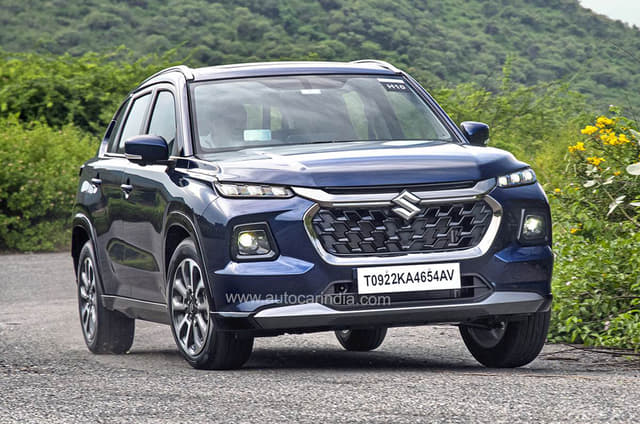
The Grand Vitara combines SUV styling with hybrid tech. Its bold front, high-mounted LEDs, chrome-heavy nose, and distinctive grille give it strong road presence. Built on Suzuki’s Global C platform, it’s robustly built and the longest in its class. The range includes a 103hp 1.5L mild hybrid engine with optional AWD and hill descent control. The highlight is the 116hp strong hybrid powertrain from Toyota, featuring an Atkinson cycle engine, fast-spinning e-motor for high-speed EV mode, and a 0.76kWh lithium-ion battery. Though boot space is limited to 255L in this version due to battery placement, the setup ensures impressive efficiency and unique drive characteristics.
7.0
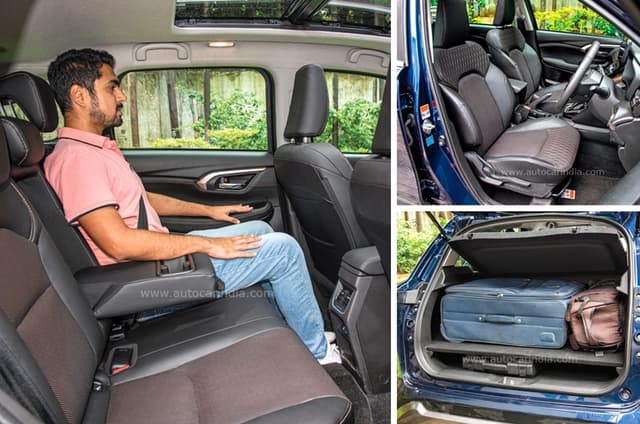
The Grand Vitara impresses with a layered dashboard, chrome accents, leather touches, and a panoramic sunroof that brightens the cabin. The 9-inch infotainment screen is well-placed, while chunky AC controls and digital dials (in the hybrid) add functionality. Some plastics feel cheap, but overall build is solid. Front seats offer great support—even for taller drivers—and rear legroom is ample. However, cabin width is limited and headroom tight for taller passengers.
8.0
The 103hp mild hybrid engine is smooth and responsive at low speeds but lacks punch at higher revs. The manual gearbox is engaging; the auto, though smooth, drains performance. The Toyota-derived strong hybrid starts in EV mode and glides at city speeds. Refinement is good overall despite the three cylinder, with good throttle response at low engine speeds thanks to electric assist. Acceleration to 100kph takes around 12 seconds—which is not as quick as turbo rivals, but the hybrid offers a very reponsive, uniquely relaxed and efficient driving experience.
9.0
The strong hybrid’s highlight is its impressive fuel economy. Despite a mix of highway sprints and city traffic, it delivered over 18kpl. With more restrained driving, real-world figures beyond 20kpl are easily achievable. The 1.5 DualJet mild hybrid also performs well, maintaining Maruti’s tradition of efficiency leadership in its class. Whether you go mild or strong hybrid, the Grand Vitara sets the benchmark for mileage-conscious buyers without too much compromise on everyday usability.
8.0
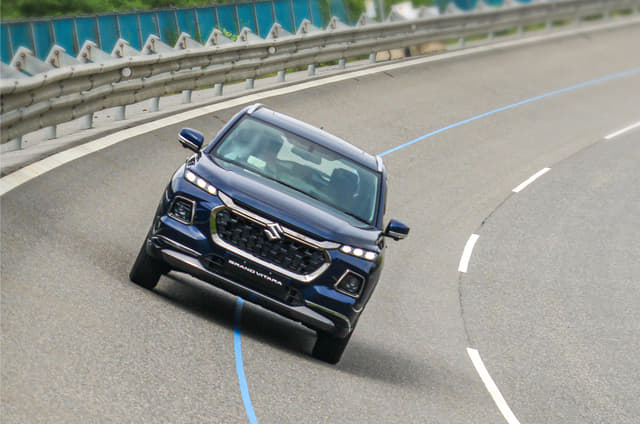
The Grand Vitara shines with good bump absorption, even over broken roads. Despite its ground clearance, there's minimal vertical movement, making it comfortable and composed. Steering is well-weighted, visibility is good, and it feels nimble in traffic. It’s also stable and confident at highway speeds. On twisty roads, the handling feels secure and even fun—surprisingly agile for an SUV of its size. The 4WD version, with its ‘lock’ function, handled slush and inclines with ease during off-road tests, showing that it’s more than just a soft-roader.
8.0
Features & Safety Well-equipped across variants, the Grand Vitara offers features like a 360-degree camera, wireless phone connectivity, heads-up display, remote AC start, and rear vents with dual USB ports. The 60:40 split seats are handy, especially for the strong hybrid’s smaller boot. Safety kit includes rear disc brakes, electronic stability control, ISOFIX mounts, and full seatbelt coverage. Base variants get dual airbags, while higher trims gain side and curtain airbags. While rivals may offer powered seats, the feature set here is competitive and ticks most boxes in the segment.
8.0
The Grand Vitara combines modern SUV looks, a well-designed cabin, practical features, and hybrid powertrain options. The strong hybrid brings segment-leading efficiency, while the mild hybrid offers a more affordable entry point with optional 4WD. While rear seat width and boot space on the hybrid are limited, and power delivery could be stronger, it remains a well-rounded SUV. At ₹20.68 lakh for the Alpha+ strong hybrid, it's competitively priced against rivals like the Creta turbo and Toyota Hyryder, delivering strong value with standout fuel economy and technology.
Reviewed by: Shapur Kotwal
Maruti Suzuki Grand Vitara reviews

Maruti Suzuki Grand Vitara comparison


Maruti Suzuki Grand Vitara mileage
The Maruti Suzuki Grand Vitara mileage depends on the chosen powertrain option.
- The naturally aspirated petrol engine has a maximum fuel efficiency of up to 20.58kpl for the FWD version and 19.20kpl for the AWD setup.
- The strong hybrid option has a claimed mileage of 27.97kpl.
- The CNG choice offers a fuel efficiency of 26.6kg/km.
| Fuel type | Displacement | Transmission | Mileage |
|---|---|---|---|
| CNG | 1462 cc | Manual | 26.6 kmpl |
| Petrol | 1462 cc | Torque Converter | 20.58 kmpl |
| Petrol | 1462 cc | Manual | 21.11 kmpl |
| Petrol-Electric Hybrid | 1490 cc | CVT | 27.97 kmpl |
Maruti Suzuki Grand Vitara news
Maruti Suzuki Grand Vitara Images
Check out the Marui Suzuki Grand Vitara’s exterior and interior design in 72 images.
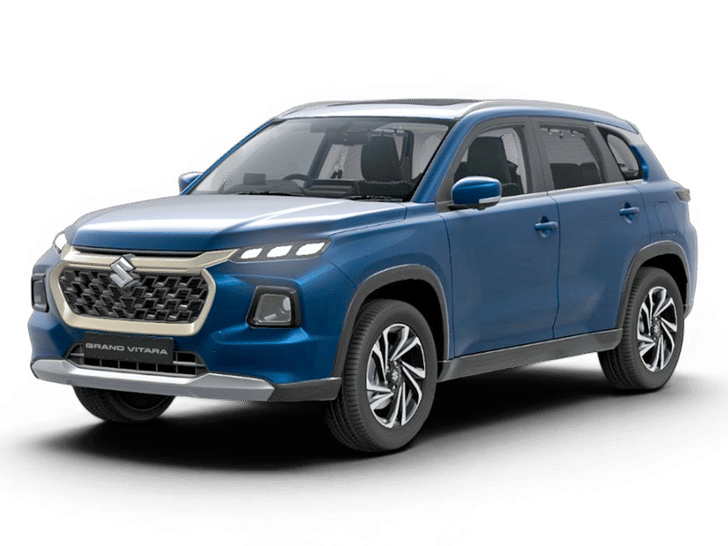
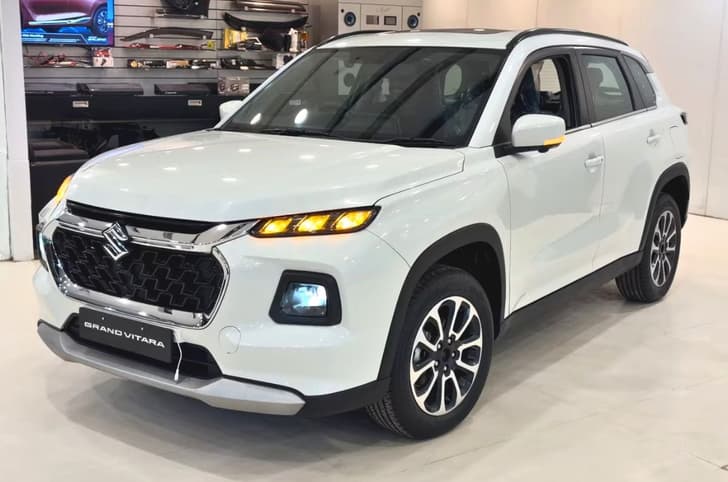
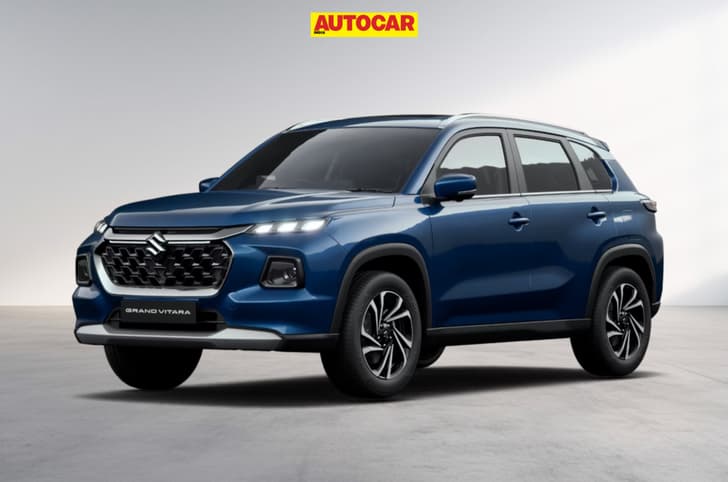
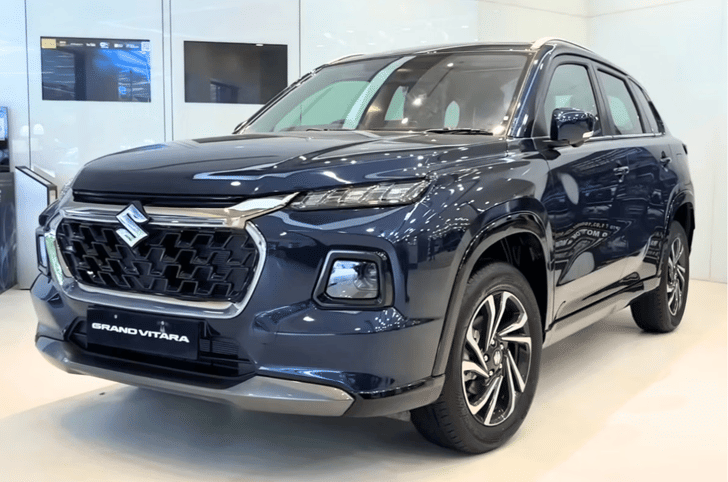
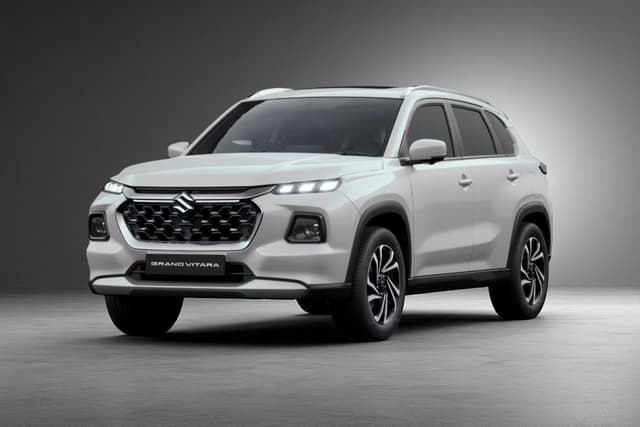
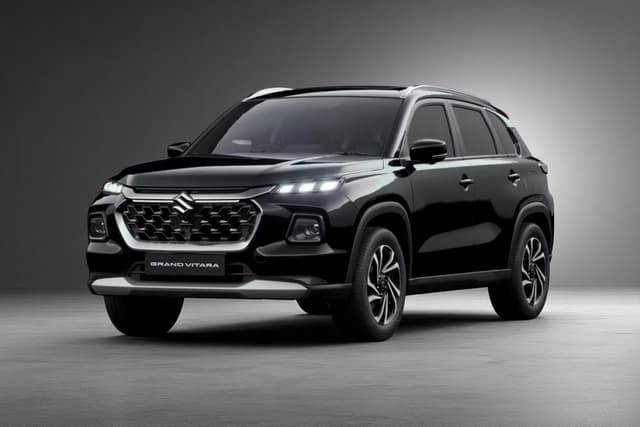
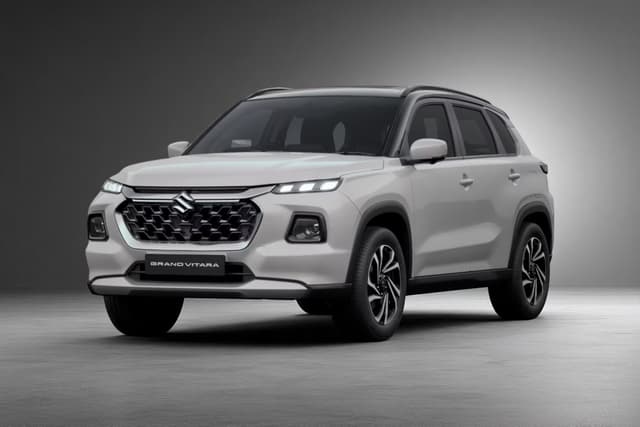
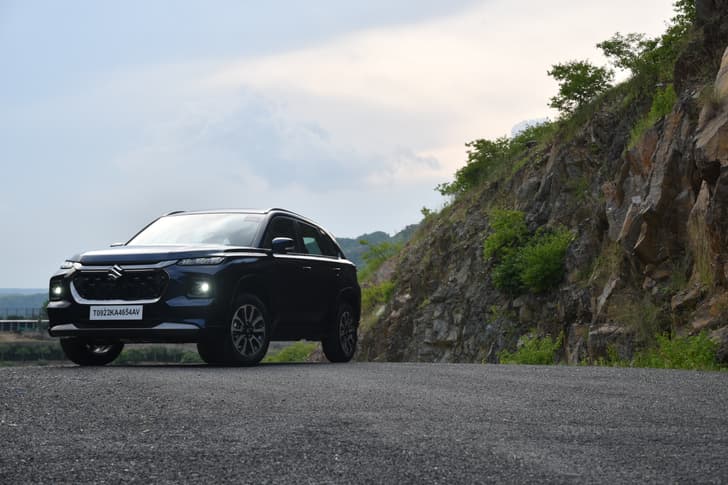
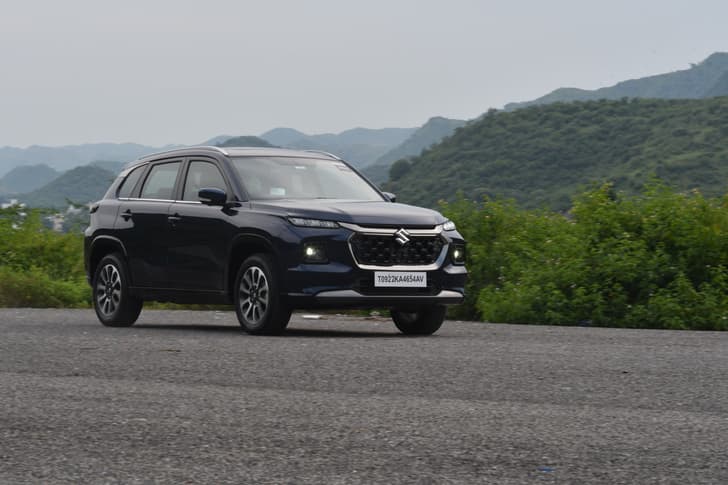
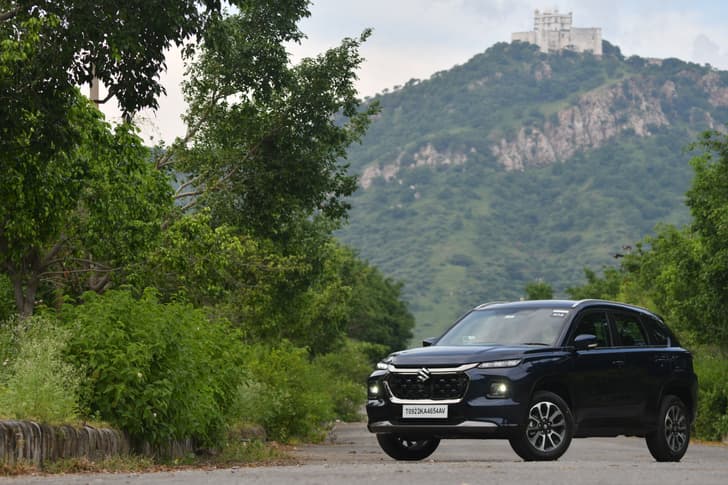
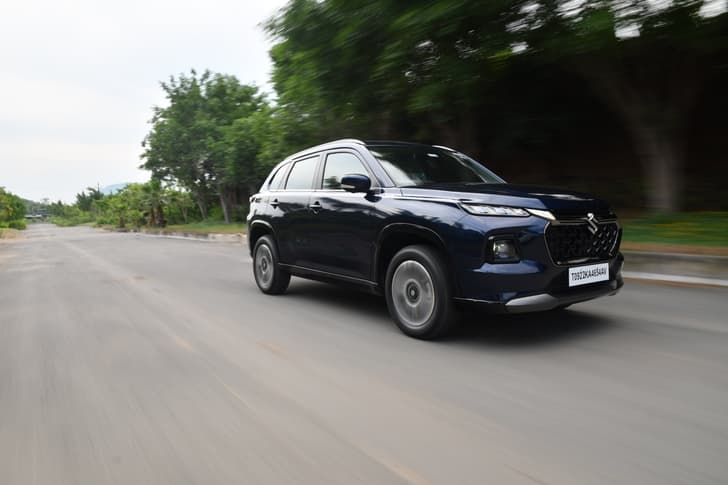
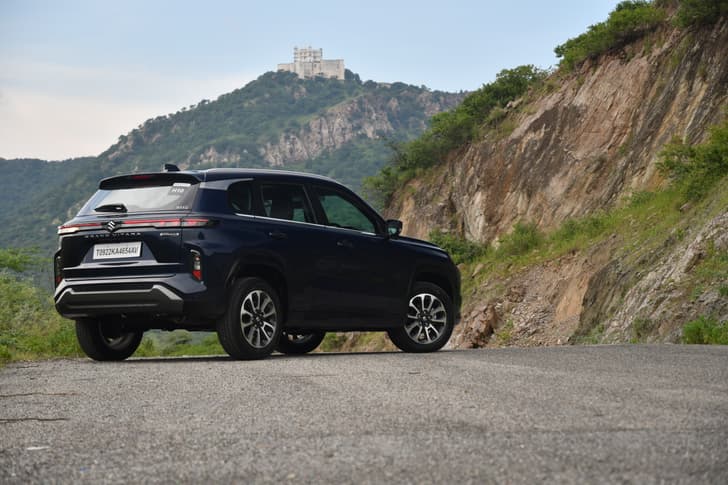
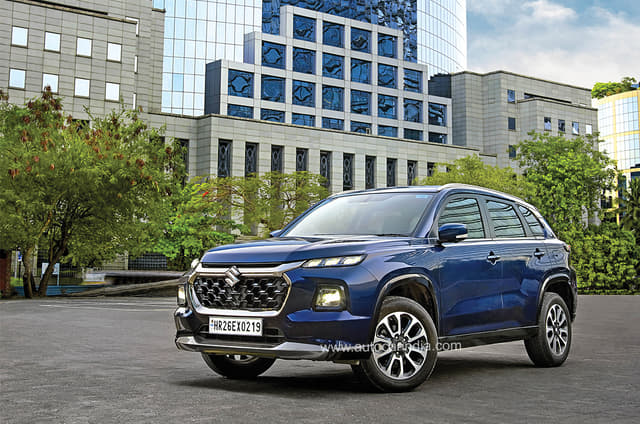
The Grand Vitara combines a robust-looking exterior design with a lot of new-age elements, with a modern but elegant interior design featuring all the necessary modern-day creature comforts.
Maruti Suzuki Grand Vitara videos
In the video section, we have given detailed first drive and long-term reviews of the Grand Vitara to help you understand the SUV. To make your purchase decision easier, we have also compared the Maruti Suzuki mid-size SUV with its prime rivals and have also found out if its strong hybrid engine is a worthy competitor to the turbo-petrol and diesel options.


Maruti Suzuki Grand Vitara Colours
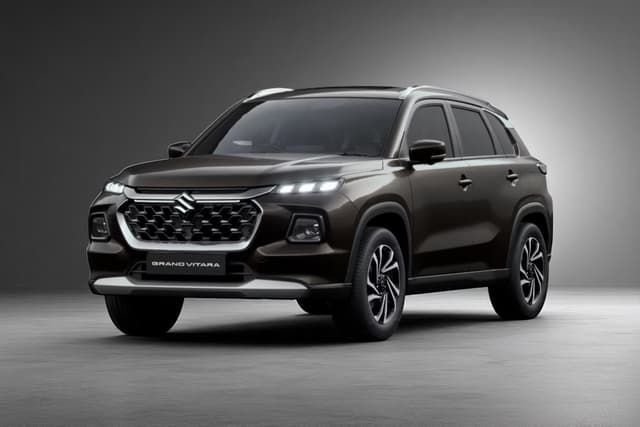
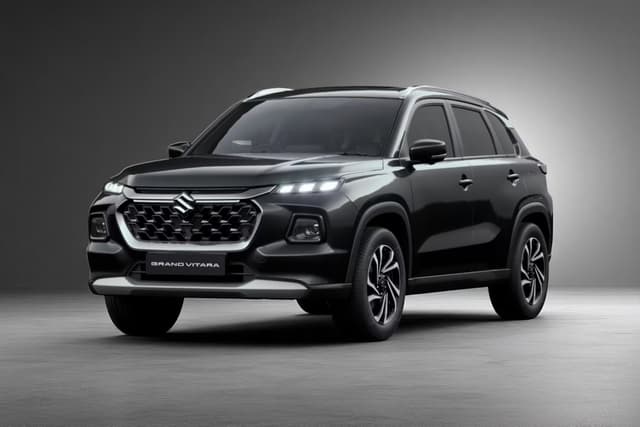
The Maruti Grand Vitara colours include 10 options, including Arctic White, Chestnut Brown, Grandeur Grey, Midnight Black, Midnight Black / Arctic White (dual Tone), Midnight Black / Opulent Red (dual Tone), Midnight Black / Splendid Silver (dual Tone), Nexa Blue, Opulent Red, Splendid Silver.
The dual-tone colour options are not available in Sigma, Delta and Delta+ options. The monotone Splendid Silver, Chestnut Brown and Opulent Red are not available in the base-spec Sigma variant. Furthermore, the Opulent Red option (monotone) is available only in the Delta and Delta+ variants.
Maruti Suzuki Grand Vitara FAQs
The Maruti Suzuki Grand Vitara would be perfect for someone who prioritises fuel efficiency, with sorted driving dynamics and a loaded suite of features. If you prioritise boot space, the naturally aspirated petrol might be a better choice than the hybrid, as the latter has a smaller boot space due to the placement of the battery pack.
The Maruti Grand Vitara’s hybrid engine is suited for someone preferring segment-best fuel efficiency figures and a car that is equally efficient on city roads and highways alike. However, it comes at a premium over the naturally aspirated version, which offers slightly lesser fuel efficiency.
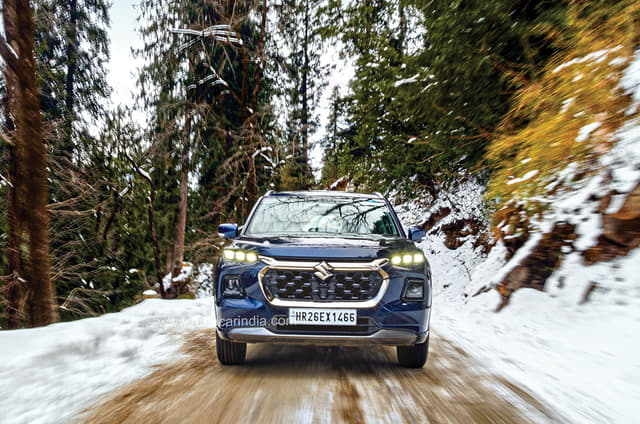
The Maruti Grand Vitara offers an AWD option with the petrol-automatic combination. With an output of 103hp, it is a bit low for the segment. However, on broken and slippery roads and small streams, the Grand Vitara AWD absolutely shines. While it is not made for hardcore off-roading like the Jimny, it is still more capable than the other FWD rivals in the segment.
The Grand Vitara’s seats are among the most comfortable in the midsize SUV segment. The front seats are wide and accommodate even taller occupants with relative ease. On the second row, the seats have a good recline angle and are comfortable too, except on the Hybrid variant.
The Grand Vitara’s USP are the fuel-efficient powertrains. The ride quality and drive experience are also good, and the cherry on top is the optional AWD setup. However, it is not a fun-to-drive SUV. The boot space is also on the lower side with the hybrid and CNG variants.
Questions you may find useful
Dhruv
•20hHi Autocar, I have a budget of ₹15 lakh and am confused between the Victoris (vxi), Hyryder (base model) and Grand Vitara (base model), all in petrol + CNG form. I do like the Victoris, but, I am not sure whether it has been able to capture the market well enough, which makes me concerned about its resale value and spare parts availability in the future. Please assist. Kindly note that I am looking for a car that will be used mostly for long-distance travel, with limited city usage.

Autocar India
The Maruti Suzuki Victoris VXI CNG suits your needs the best. It suits your highway use better than the Grand Vitara and Hyryder CNGs because unlike those two, the Victoris CNG gets underbody mounted CNG tanks which frees up boot space which is essential on road trips. Also worth noting, all three SUVs are mechanically identical. Furthermore, Maruti’s service reach is the widest and if resale is a worry, the Maruti badge is known to have one of the best resale values on the market.Do note, you'll have to plan your highway trips according to the availability of CNG pumps on your route and you'll also have to wait in the queues that are generally there at CNG pumps.
Anurag jalan
•1dI currently own a Toyota Fortuner, two Mahindra Thar Roxx models, and an XUV700. I also previously owned a Scorpio N. I am now planning to sell one of my Thar Roxx vehicles, as it is an early production model and has been giving me several issues. My usage involves daily driving in rough terrain and mountainous conditions, so having a capable 4x4 is essential for me. Before the Roxx, I owned a 3-door Thar, and honestly, given my current usage, the 3-door version seems to suit my needs better. I am now confused about what to buy next. Should I go back to a 3-door Thar, continue with the Roxx, or consider another capable 4x4 option better suited for rough and mountain use?

Autocar India
Since you've already owned a Mahindra Thar 3-door, and you believe that it is the best for you, we would recommend you go ahead with it. You already know what the vehicle is capable of, and as an owner, you're aware of all its pros and cons too. There are no other options in the market that can deliver what the Thar can.The Maruti Jimny is smaller, very tough, and surprisingly capable, although its engine performance is no match for the Mahindra. The Force Gurkha is capable off-road, but lacks the Thar's sophistication, and feels too crude in comparison. Other monocoque AWD options include the Toyota Hyryder, Maruti Grand Vitara, and Victoris, Mahindra XUV 7XO, and dual-motor EV options like the Vinfast VF7 and Tata Harrier EV. Do note that while all these models will get you through sticky situations and handle mild trails easily, none are as good off-road as the Thar. All things considered, go for the Thar; it seems to be the best fit for you.
Bharath
•4dI’m from Chennai. I currently own two manual petrol cars - an S-Cross Zeta (Feb 2022) that has run 40,000 km, and a Grand i10 Nios Asta (Dec 2016) that has run around 30,000 km. I’m considering whether it makes sense to sell/exchange both cars and move to a single automatic car. My usage is around 1,200 km per month, with 90% city driving and 10% highway use. Would this be a sensible move? If yes, which automatic car would you recommend in the ₹15-17 lakh budget range? Or would you recommend an EV?

Autocar India
With 1,200 km a month in Chennai and mostly city traffic, moving to one automatic is sensible if your family’s schedules work with a single car. In that use, the Tata Nexon EV Medium Range is the stronger fit in your Rs. 15-17 lakh window. It is very smooth in stop-and-go traffic, there is no clutch heat or strain, and the instant response makes gaps easy. Your monthly running suits an EV well, and if you can install a home charger, you start each day with a full “tank” and very low running costs. As your only car, the Nexon EV has enough space for a small family, rides comfortably over broken patches, and feels easy to place in tight lanes and parking. If you can stretch your budget, the Hyundai Creta EV would make for a much better EV with a better driving experience and a larger and more comfortable car. Two watch-outs: you need a fixed parking spot with charging, and longer highway trips will need some planning around chargers.If you would rather stay with petrol, pick the Maruti Suzuki Grand Vitara automatic in a mid trim. It keeps life easy in traffic, sits a bit higher for a better view, and you already know Maruti service from your S-Cross, and if you can stretch for the hybrid, it will keep your fuel costs in check. Overall, for city-heavy use, the Nexon EV makes the most sense.
Urvesh Batliwala
•1wHello, I have a budget of around ₹18 lakh and am looking for a petrol car that will be used mostly for city driving (around 80%) and occasional highway trips (around 20%), usually once or twice a month. I currently seem inclined towards, and have almost booked, the Kia Seltos HTX Automatic with BH registration. I have two questions: Considering my usage and budget, is the Kia Seltos HTX Automatic the right choice, or are there any alternatives? With the current global fuel situation, growing discussions about alternative fuels, and increasing focus on hybrid and electric vehicles, does it still make sense to buy a petrol car this year? Or would it be wiser to wait and consider a hybrid or EV instead? Please advise.

Autocar India
Your booked Kia Seltos HTX automatic is actually a sensible choice for your usage. With 80 percent city driving and occasional highway use, the Seltos petrol automatic fits well because it is spacious, comfortable, easy to drive in traffic and feels premium enough for the money. Unless you specifically want maximum fuel efficiency, there is no obvious reason to cancel that booking.On the second question, the current geopolitical tension and crude price concerns should not push you into a panic decision. Yes, India has been urging fuel conservation due to global supply uncertainty, and the government is continuing its push toward alternative fuels and electrification. But that does not mean petrol cars suddenly become bad buys this year. Petrol and hybrid cars sold today will remain usable and supported for years.The more practical decision is based on your usage. If you cannot charge at home reliably, stay with petrol or a hybrid. EV ownership without dependable home charging still needs compromise.If your usage is mostly city and you want lower running costs, a strong hybrid like the Maruti Suzuki Victoris / Grand Vitara hybrid makes a lot of sense because you get much better fuel efficiency without EV charging dependency. In fact, for your city's heavy usage, a hybrid arguably makes more sense than a pure petrol Seltos if fuel bills are a concern.
Ram Prakash Agarwal
•1wI am confused between the Maruti Grand Vitara ZXi Optional and the Victoris ZXi Optional. Which one would be the better buy?

Autocar India
We are assuming you're comparing the Maruti Victoris ZXI O to the Grand Vitara Zeta O, both of which are similarly priced and equipped, and are powered by the same 1.5-litre petrol engine. Also, they have similar space, quality, and their driving manners are also similar. So the only difference between these cars is the way they look - the Victoris has a lighter coloured interior, which feels airier, compared to the Grand Vitara's dark brown and black colour scheme. You won't go wrong by opting for either; however, the Victoris gets our vote because it feels a bit more modern and has brighter interiors.
Shailesh Bala
•1wI live in Thane and work in Navi Mumbai, with a daily running of approximately 65 km. I am confused between buying a sedan or an SUV within a budget of around ₹15–20 lakh for a mix of city and highway driving. My priorities are comfort and good fuel efficiency, especially considering rising petrol prices. I am not interested in CNG or EVs. I will also be turning 60 in a few months, so ease of driving, seating comfort, and overall convenience are important factors for me. Could you please advise which type of car and which models would best suit my needs?

Autocar India
Since you're looking for comfort and fuel efficiency, you could consider the 1.5 NA petrol versions of the Maruti Victoris or Maruti Grand Vitara. Both these are competent, no-nonsense cars that will meet your requirements. Also, being high-riding vehicles, ingress-egress will be easier than in your Honda City, and because you're seated higher up, visibility is also quite good. Since these cars are very similar beneath their skin, pick the one that you think looks better outside and in. You won't go wrong picking either.
Umesh Sundareshan
•1wI have been driving a 2016 Skoda Octavia 1.8L DSG Petrol and have been extremely happy with its performance, ride quality, and overall driving confidence. However, I have recently started making regular trips to my land, which involves driving through a few kilometres of extremely rough roads. The conditions are so poor that my car often shifts down to first gear, and I am now concerned that these frequent trips may eventually take a toll on the gearbox and engine. Because of this, I am considering switching to another automatic vehicle with better ground clearance that can handle rough patches more comfortably without putting excessive strain on the engine or transmission. After considerable thought, I have shortlisted the older Hyundai Creta Petrol Automatic with the torque converter gearbox. Here are my constraints and preferences: I do not want to buy a new vehicle, as I feel I have already spent heavily on road tax without getting roads of matching quality. Since DCT gearboxes are not ideal for stop-and-go traffic, I do not want another DCT vehicle. I do not prefer CVTs or AMTs either. I do not want to spend more than ₹12 lakh on a used vehicle. My questions are: Is a used Hyundai Creta Petrol Automatic with the torque converter gearbox and around 30,000 km on the odometer a good choice? Since it would likely be a BS4 vehicle, would buying it still make sense considering the upcoming emission norms and regulations? Would you suggest any other suitable alternatives within my budget and requirements?

Autocar India
Yes, in good condition and well maintained, an old Creta petrol with a 6-speed torque converter and 30,000km on the clock is not a bad idea, at a good price. However, just bear in mind that the old 1.4 and 1.6 naturally aspirated petrol engines will have nowhere near as much pep as your Octavia TSI. As for BS4, while there have been some restrictions in the Delhi-NCR area regarding older vehicles, thus far, there haven't been too many in other states, and assuming the car you are looking at is 6-7 years old, it should definitely have some good years left in it for use in Bengaluru. That said, however, on a budget of Rs 12 lakh, there could possibly be newer, BS6 options you can look at, like a Maruti Suzuki Brezza, XL6 or, for a small stretch, a Grand Vitara. The 1.5 petrol in these isn't very powerful, but it does come with a torque-converter automatic. Alternatively, you could go down the diesel route, in which case a newer Hyundai Creta or Kia Seltos with a torque-converter auto also come into the picture, though then the associated shortcomings of a diesel come with it. The Creta is a good idea, but consider moving up to a BS6 model just to avoid potential future restrictions.
Ashish
•1wI want to buy an electric or hybrid car under ₹20 lakh on-road. Please suggest the best options.

Autocar India
At your budget, there aren't many hybrid options. You could consider the Maruti Suzuki Victoris, Maruti Suzuki Grand Vitara or its sister model the Toyota Urban Cruiser Hyryder. The top variants of all these cars would come at ₹20 lakh (on road) mark. There's really not much difference between the Grand Vitara and Hyryder, so pick the one that you prefer in terms of style or on which one you are getting a better deal. If you want a few more features, opt for the Victoris as you would get features like a larger touchscreen and instrument panel, a branded audio system and level-2 ADAS. However, do bear in mind that rear headroom is a bit tighter in the Victoris. Technically, it shares its platform and powertrain with the other two hybrids, so it is also powered by the 1.5 litre 3 cylinder petrol hybrid unit.
Kishan
•2wI live in Jamshedpur and currently drive a Renault Kiger with the naturally aspirated engine. We are planning to upgrade our car to either Maruti Grand Vitara, Victoris, or Hyundai Creta. We are a middle-class family and want to keep our next car for at least 15 years. Since E85 fuel is expected to be introduced in the future, would it be more sensible to buy a CNG Maruti for peace of mind, or should we go for a petrol-only car? We want to make the right long-term decision, as we are concerned that if the government pushes E85 aggressively in the future, it may become difficult to sell our current car or buy another one. Please suggest. Our budget is ₹13-14 lakh.
Autocar India
Go for either the Maruti Suzuki Victoris or the Maruti Suzuki Grand Vitara petrol, as both are fundamentally the same underneath and suit your requirement for long term, stress free ownership very well. Since you plan to keep the car for 15 years, your focus should be on reliability, ease of maintenance and peace of mind rather than worrying too much about E85 right now, because regular petrol cars are not expected to suddenly become unusable in the future.Between the two, the Victoris is the newer and more modern feeling car with a better quality interior, more features and a more premium overall cabin experience. The only drawback with the Victoris is that the sloping roofline slightly affects cabin airiness compared to the Grand Vitara, but overall both are excellent long term family SUVs and you can choose based on whether you value a more premium cabin or a more practical, airy feel.As for CNG, it only makes sense if your running is very high and you want to maximise fuel savings. Otherwise, a regular petrol version is the safer and simpler long term option with fewer compromises on boot space, drivability and convenience.
Rahul Sharma
•2wHi all, I own two cars - a 2017 Maruti Baleno petrol manual and an MG Comet EV. I currently use the Comet EV for my daily commute. I now want to replace the Baleno and am considering buying a new car under ₹12 lakh. I am confused among the Maruti Grand Vitara base variant, the Toyota Hyryder base variant, and the Honda Elevate V MT. Could you please help me choose the right option?

Autocar India
The Honda Elevate V MT that you've shortlisted is priced at Rs 12.14 lakh (ex-showroom), which means that by the time the vehicle is registered and insured, prices will go over Rs 14 lakh (on-road), that's before discounts.Similarly, the base Maruti Grand Vitara and Toyota Hyryder are priced just below Rs 11 lakh (ex-showroom, so on-road these should be priced at around Rs 13 lakhs.That said, between the three, the Honda Elevate's seats are comfier, its ride-handling balance is better, and its performance is stronger too. Overall, the Elevate will feel more satisfying to drive, which is why you should pick the Honda.
Maruti Suzuki Grand Vitara price in India
Maruti Suzuki Cars


Latest Cars