Toyota cars in India (15)
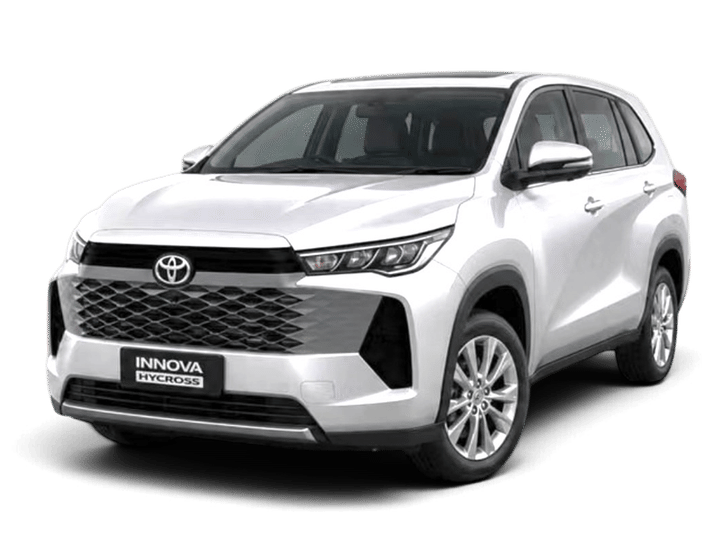
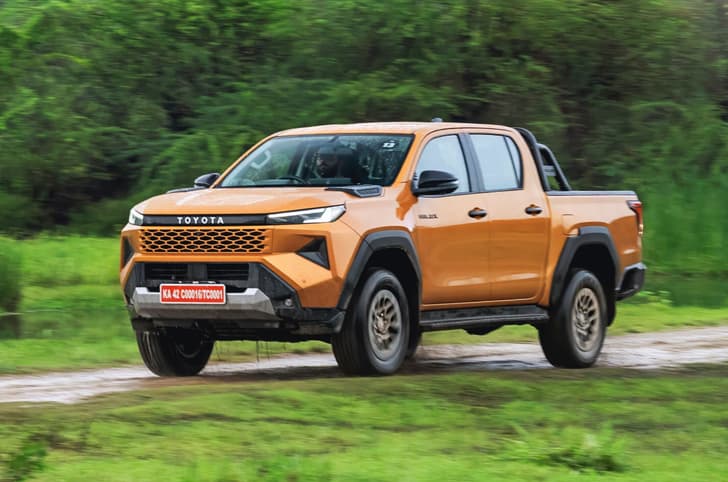
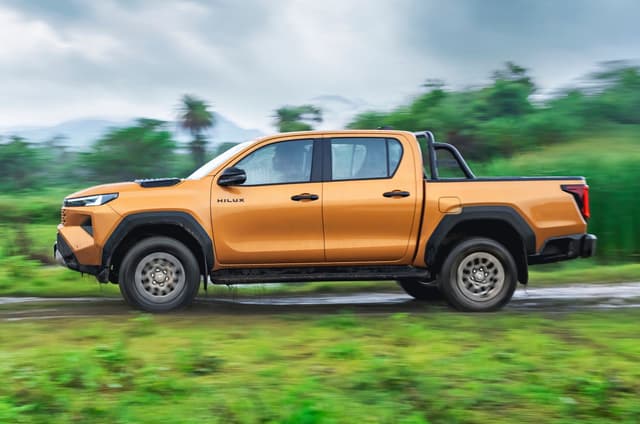
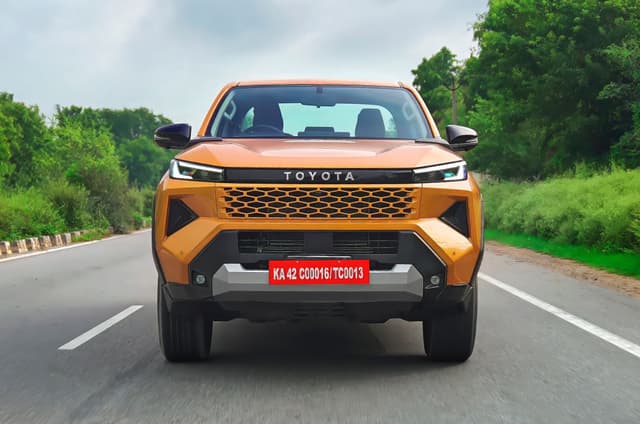
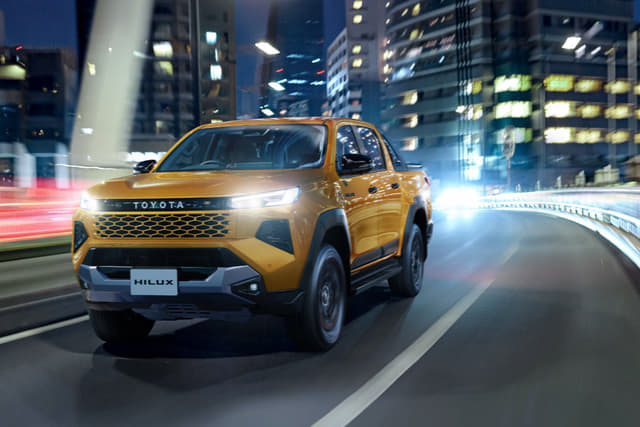
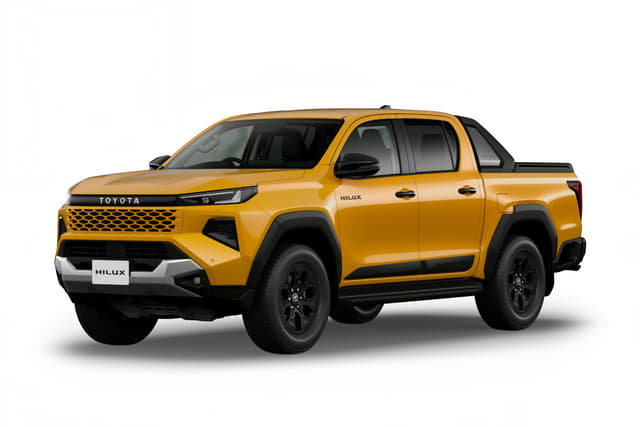
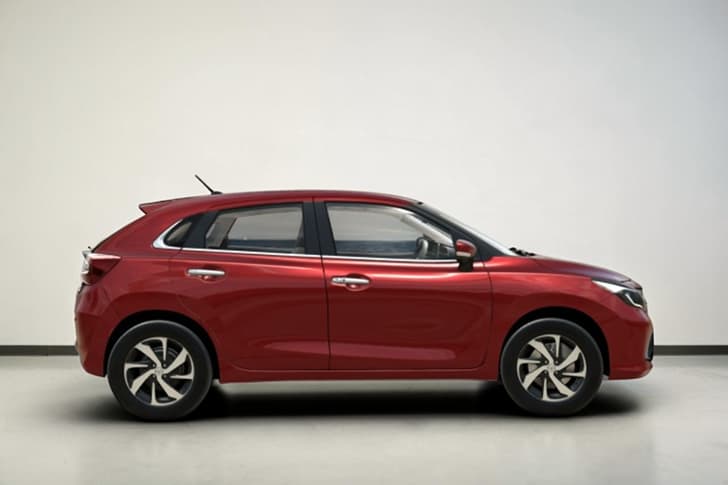
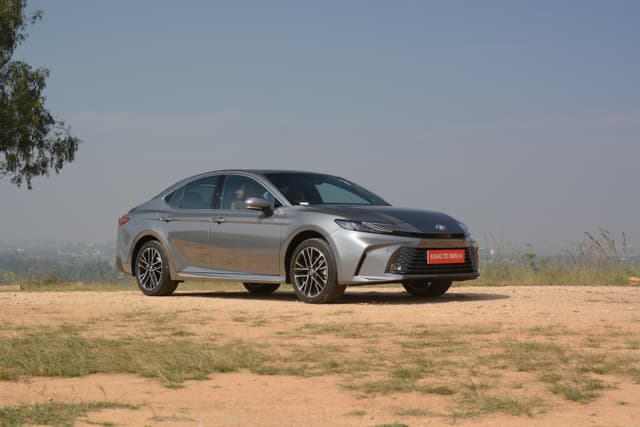
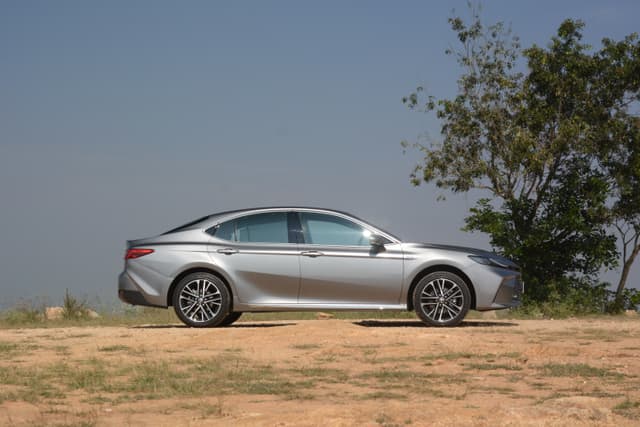
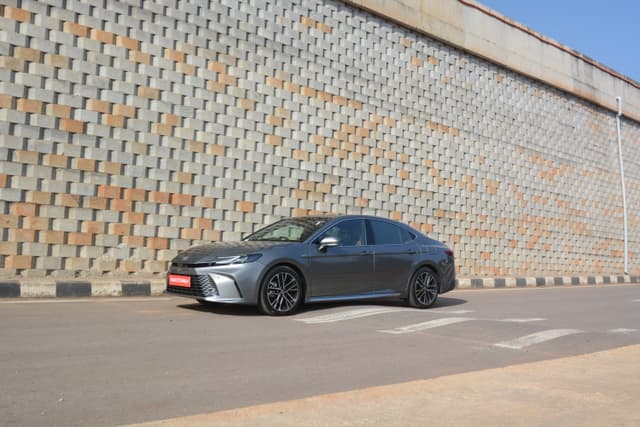
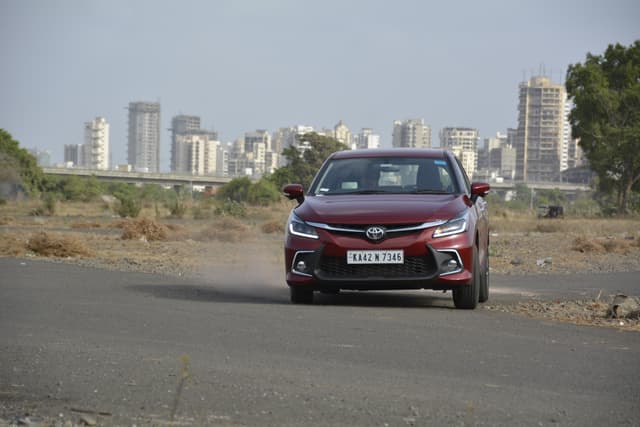
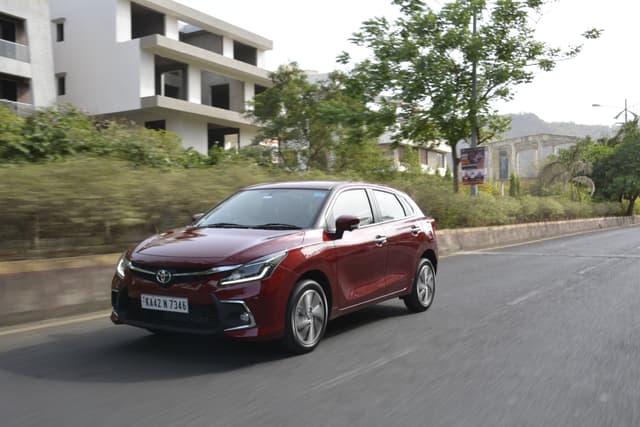
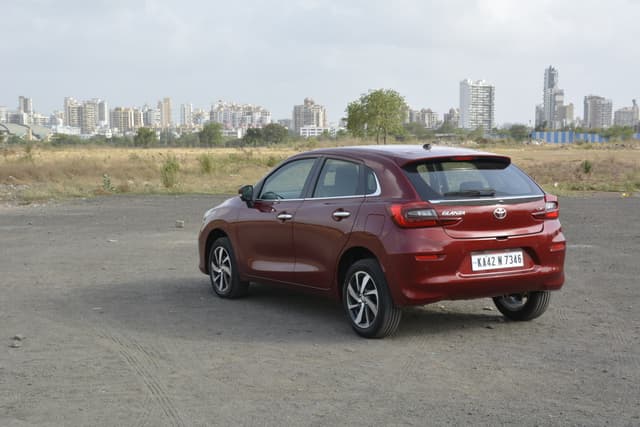
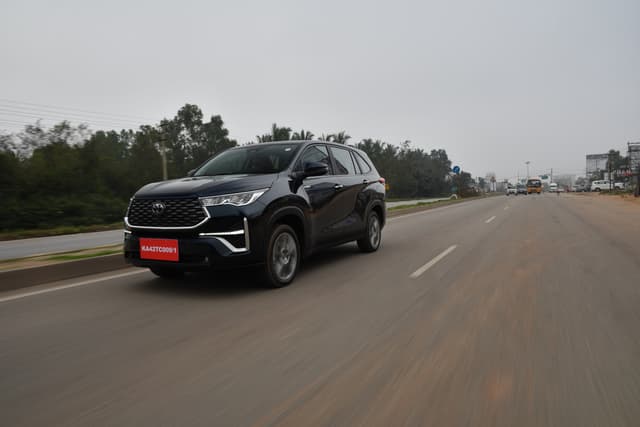
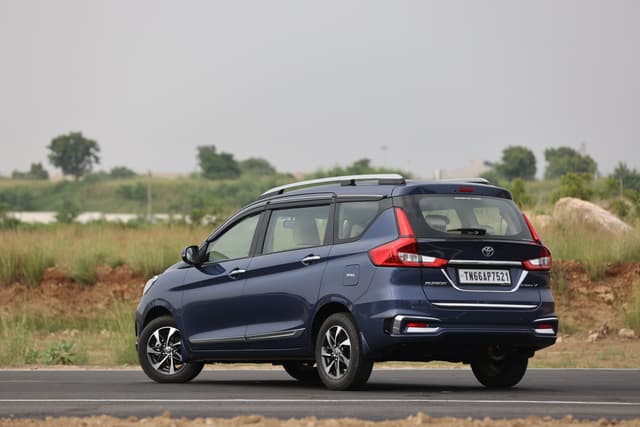
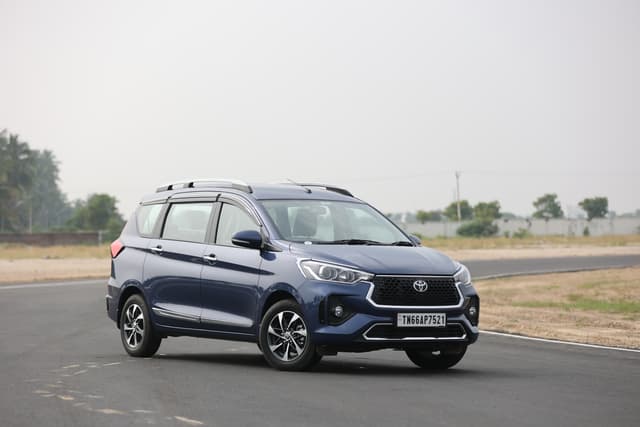
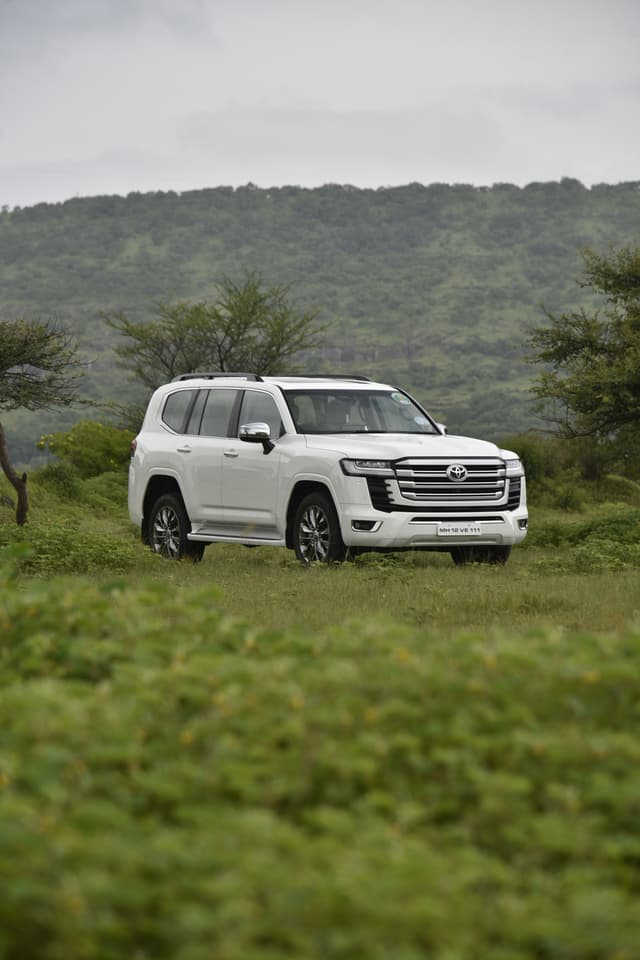
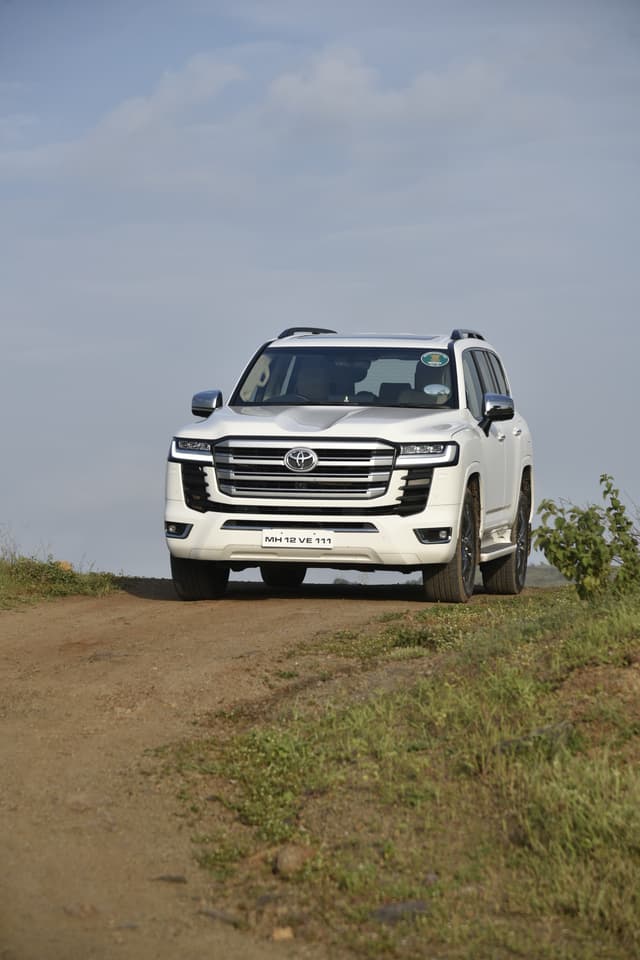
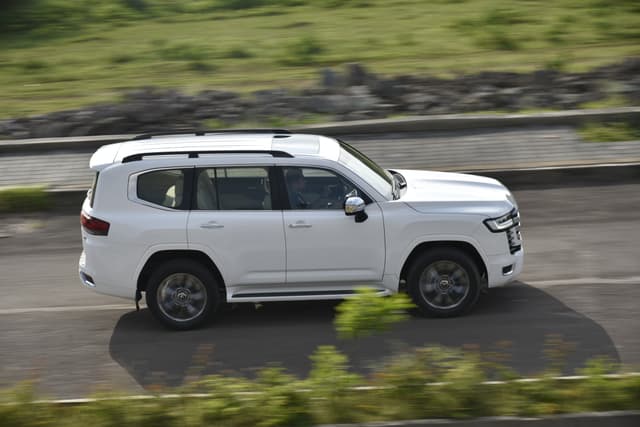
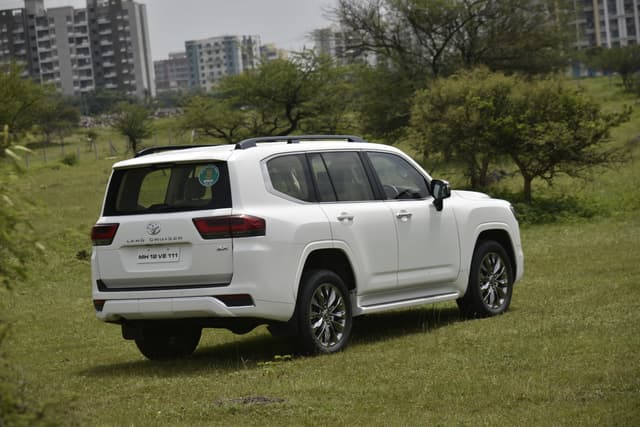
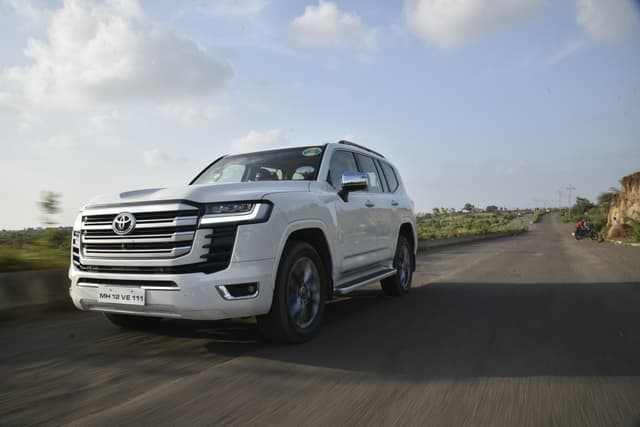
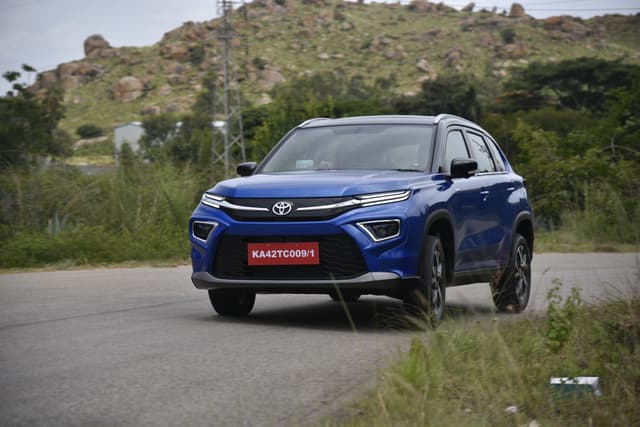
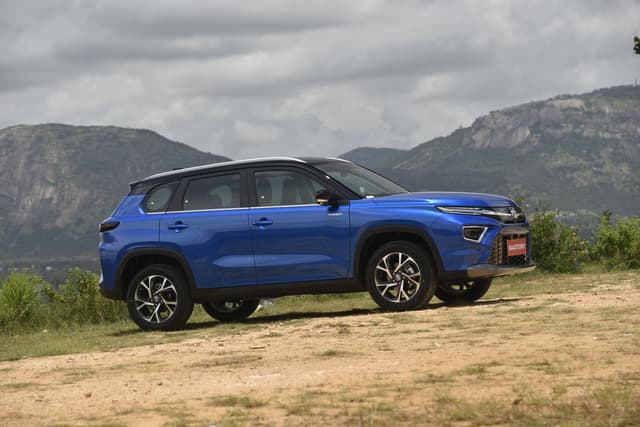
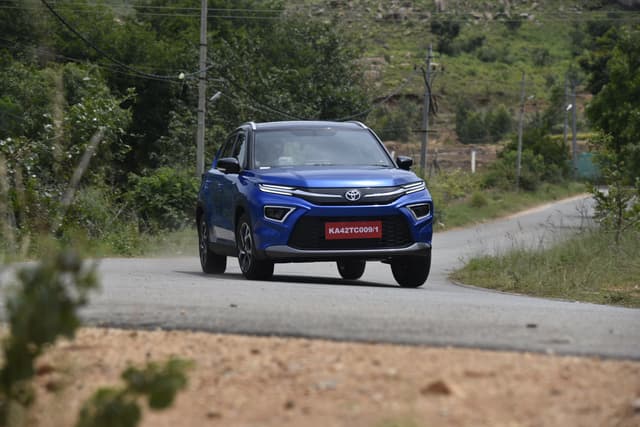
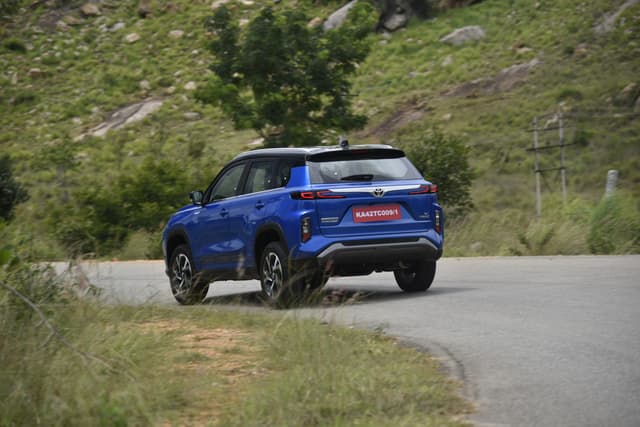
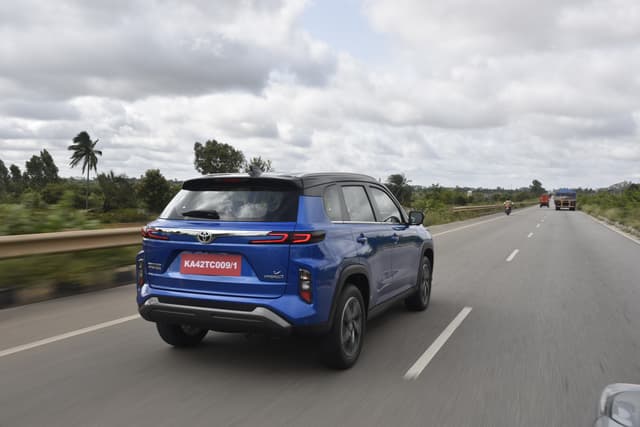
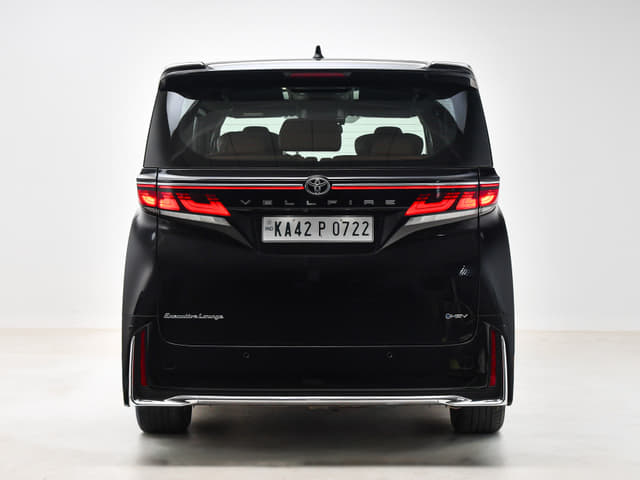
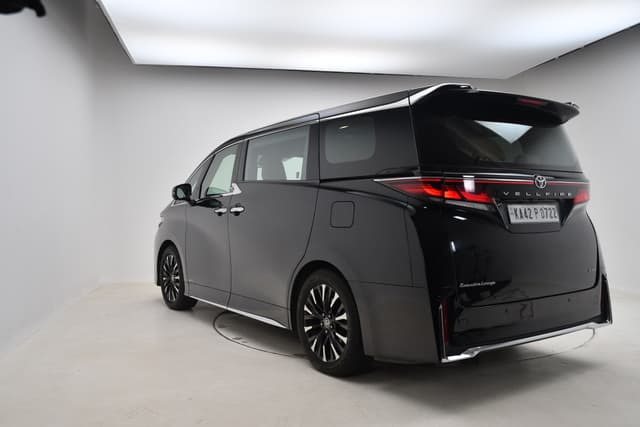
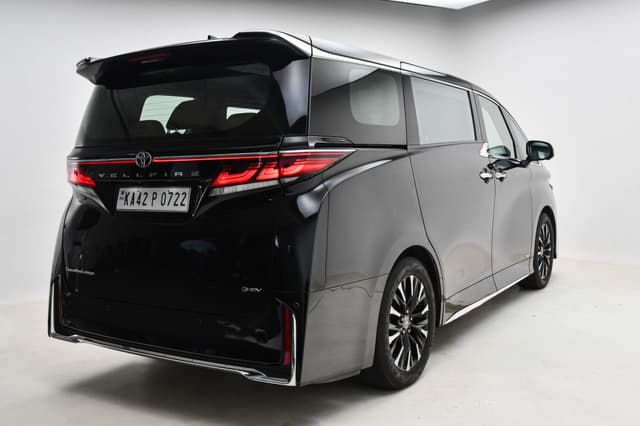
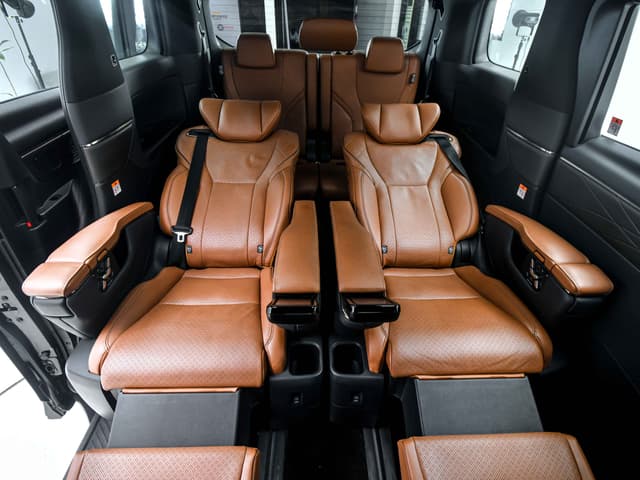
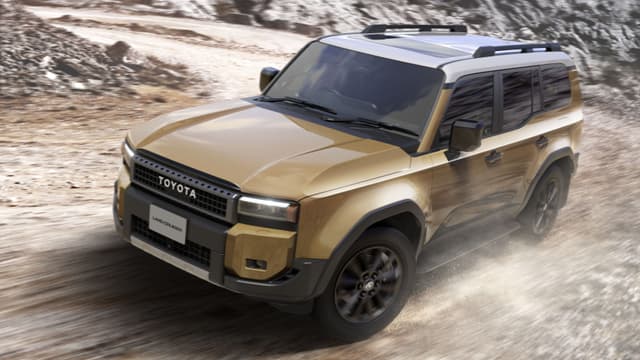
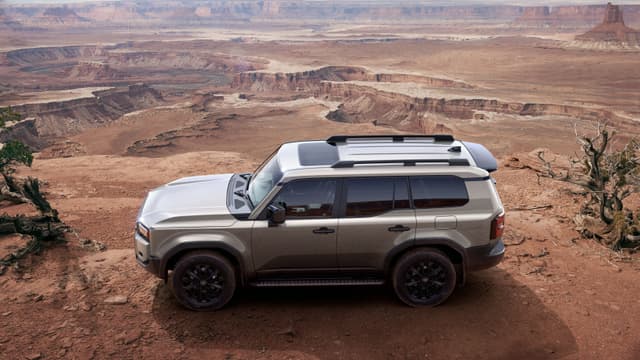
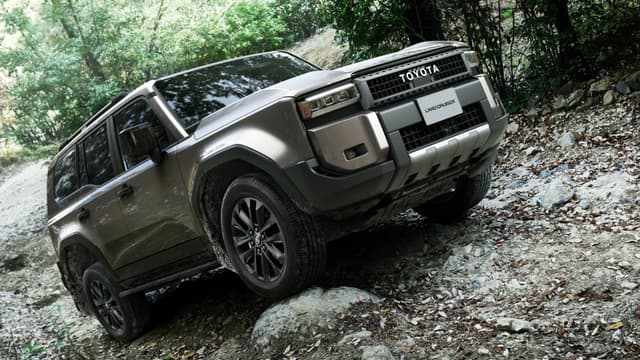
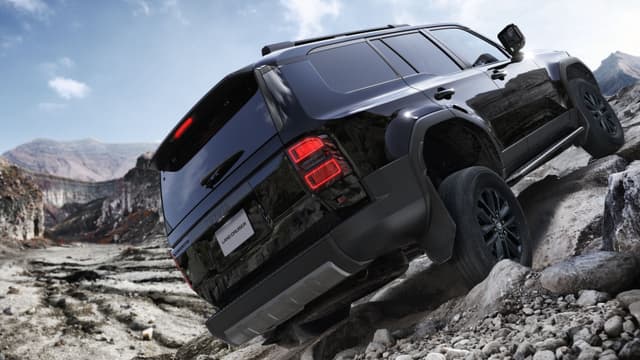
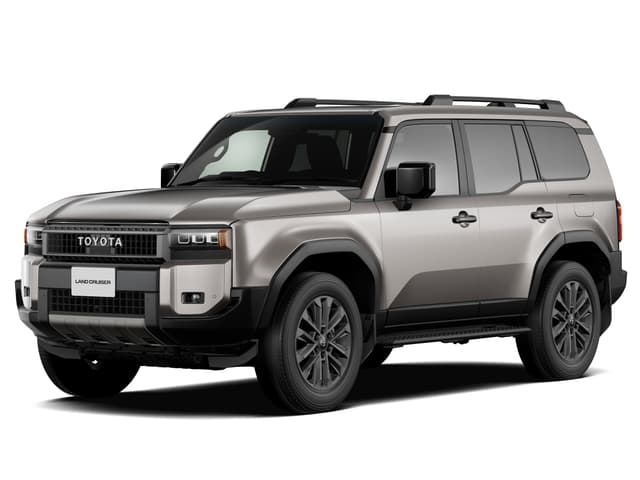
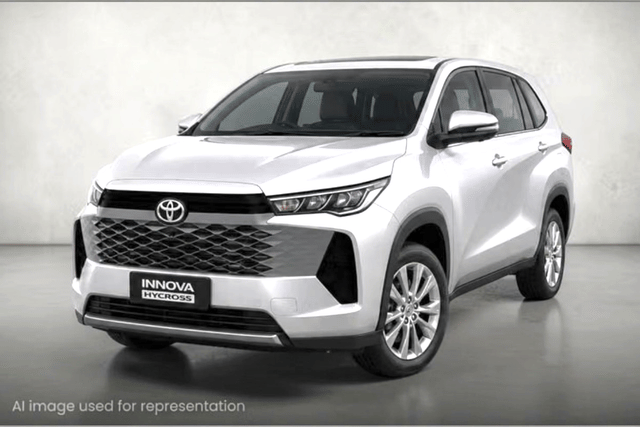
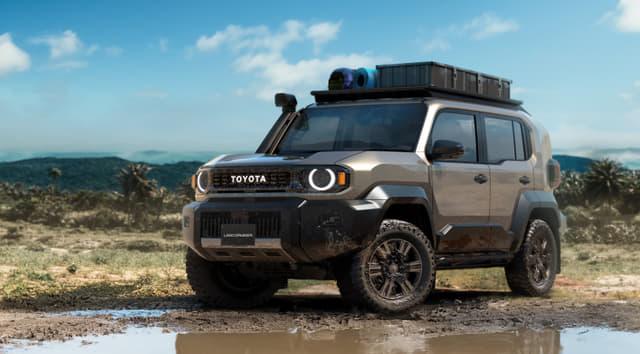
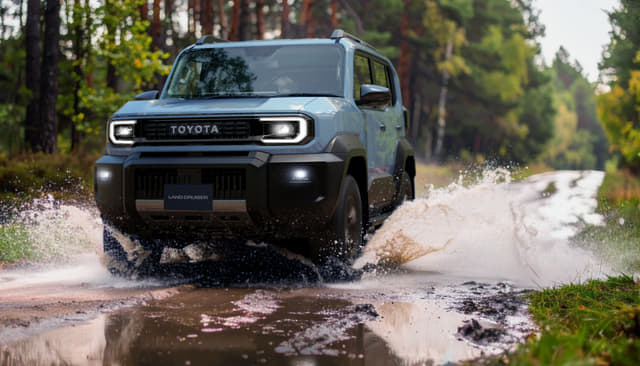
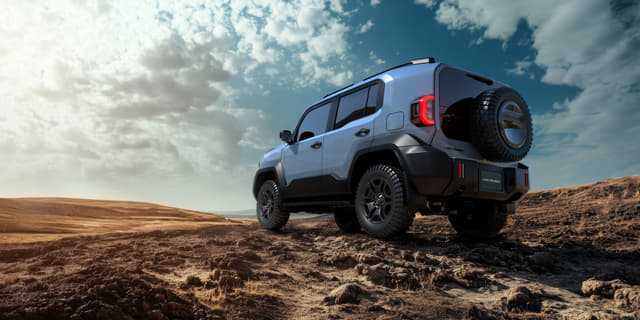
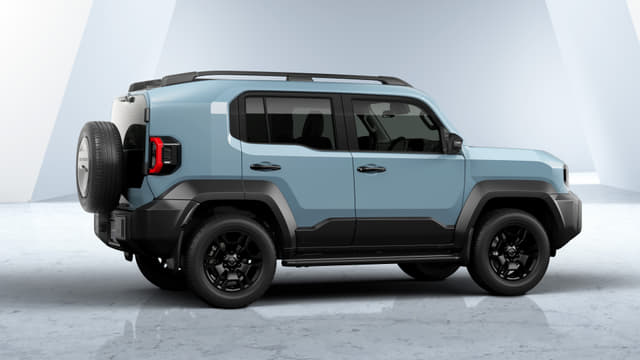
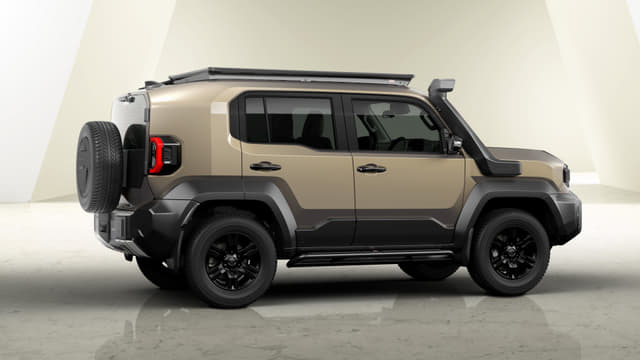
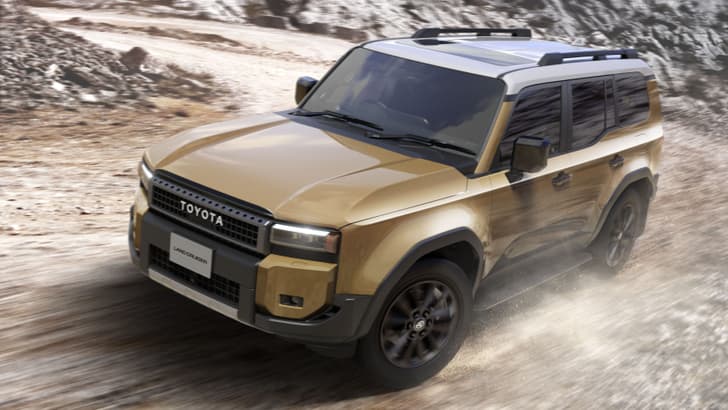
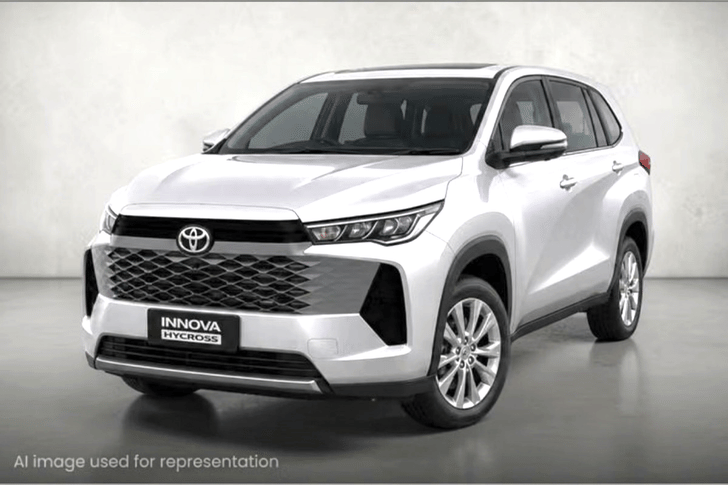
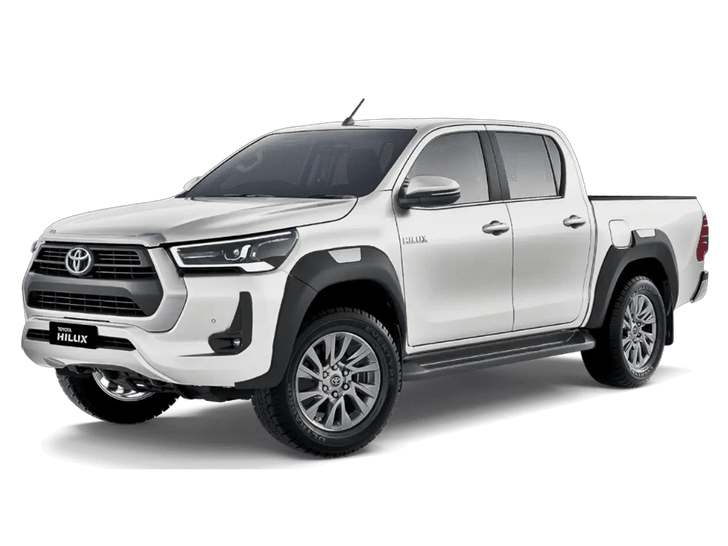
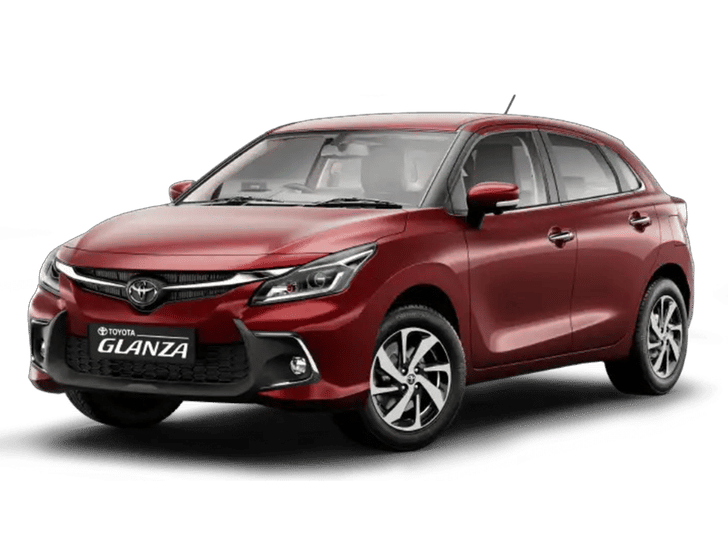
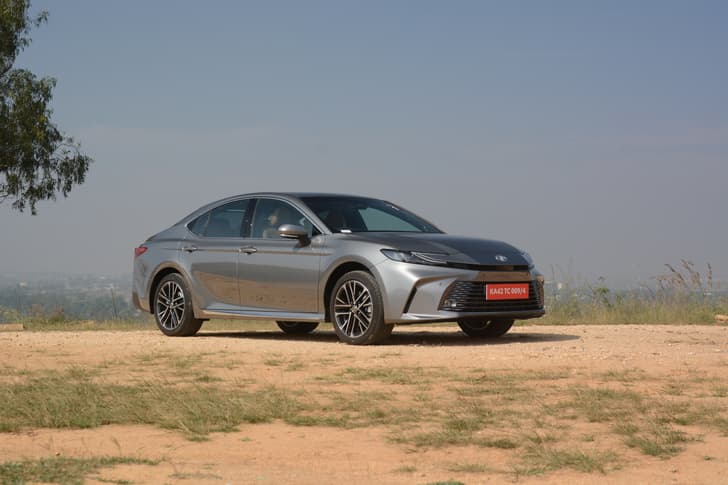
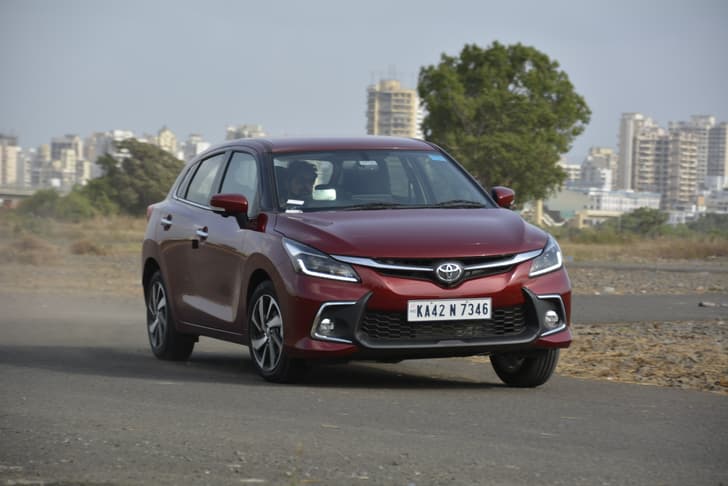
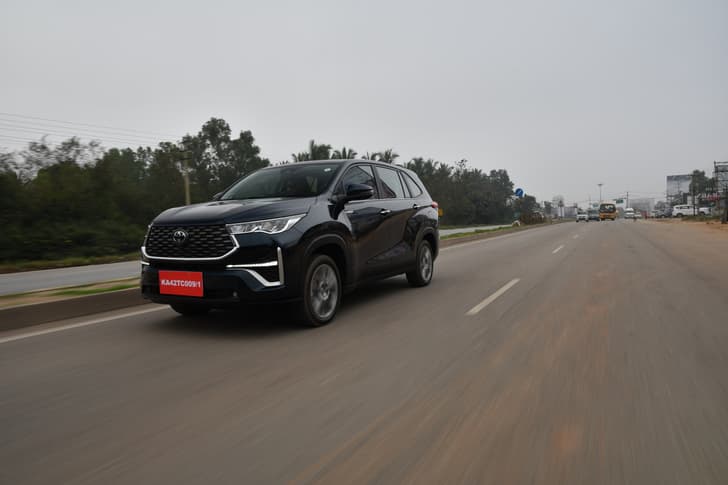
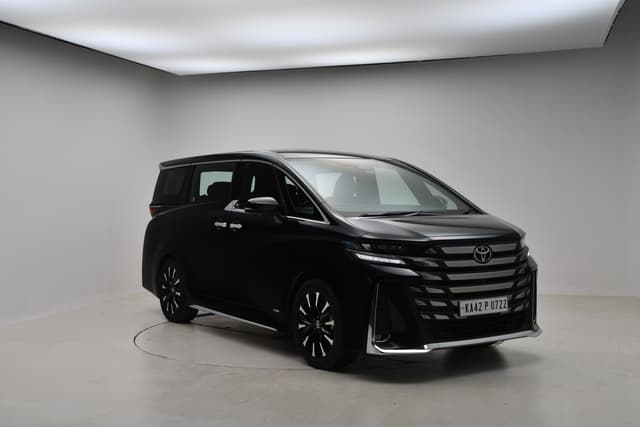
Toyota is one of the world's largest automobile manufacturers and has built a strong reputation in India for reliability, durability and strong resale value. The brand entered the Indian market in 1997 through Toyota Kirloskar Motor and has introduced several iconic models over the years, including the Qualis, Corolla and Innova. Today, Toyota offers one of the widest model line-ups in the country, spanning hatchbacks, SUVs, MPVs, pickup trucks, hybrid vehicles and electric vehicles. The Glanza is Toyota's most affordable model in India, while the Land Cruiser is its flagship offering. Toyota is also one of the leading hybrid car manufacturers in the country, with models such as the Urban Cruiser Hyryder, Innova HyCross, Camry and Vellfire. The brand is expected to further expand its portfolio with upcoming models including the Land Cruiser Prado, new Hilux and Land Cruiser FJ.


Filter your search


Filter your search


Find cars by fuel type
Toyota Cars - FAQs
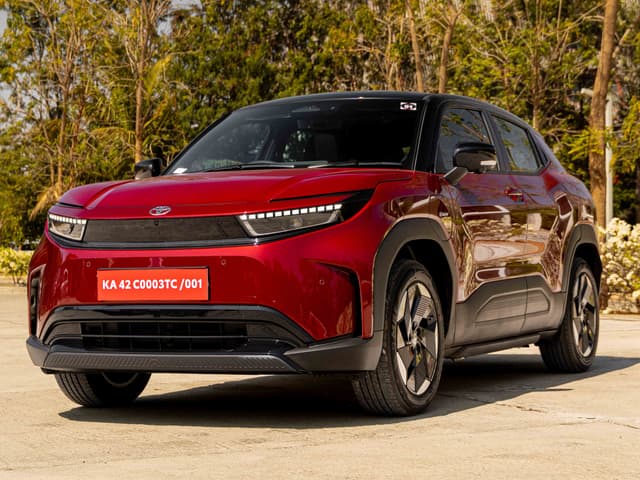
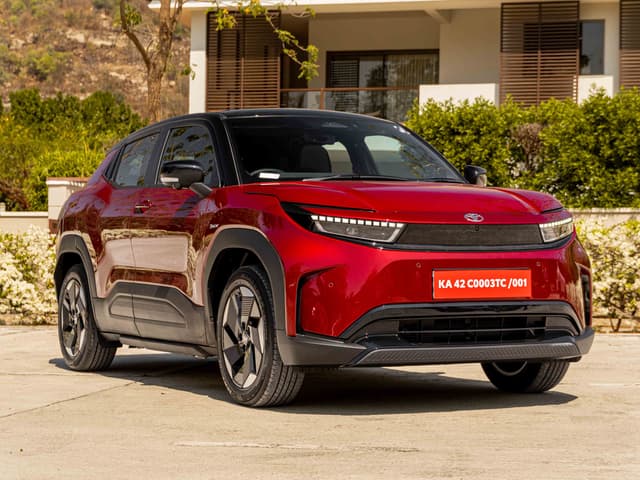
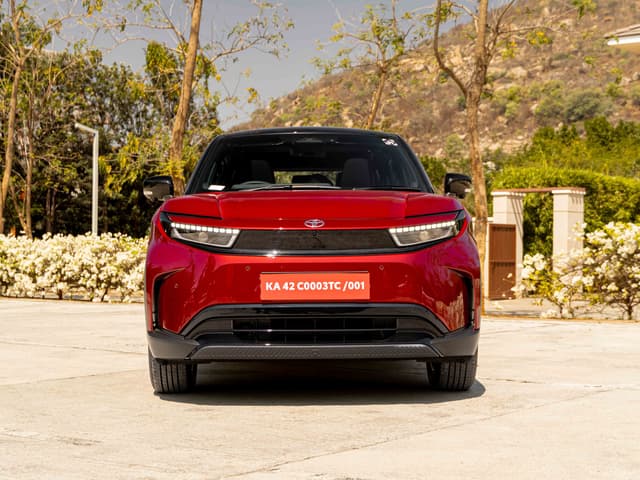
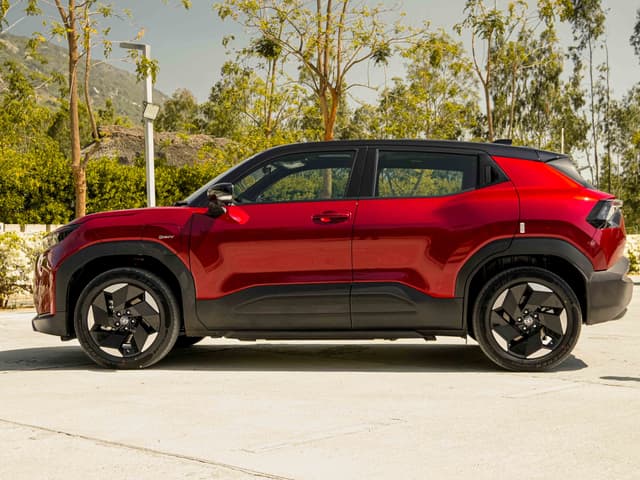
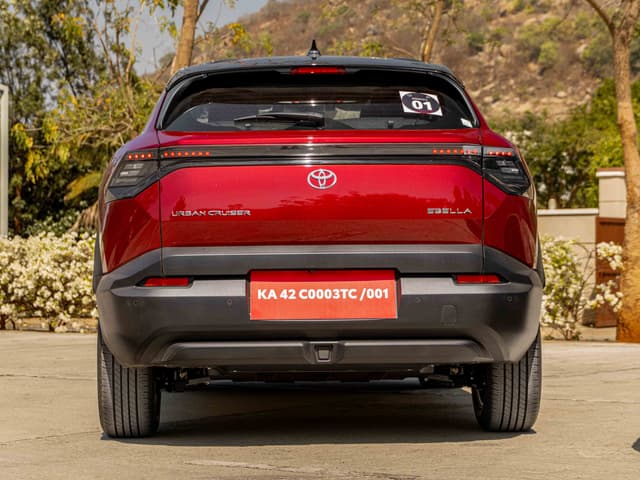
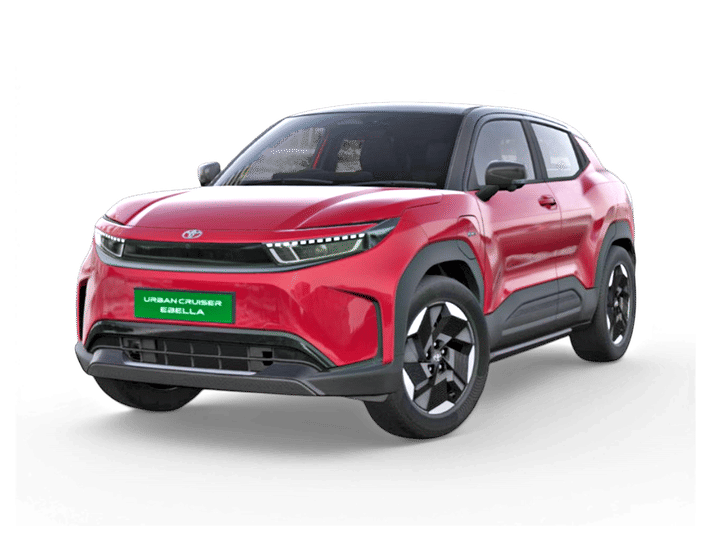
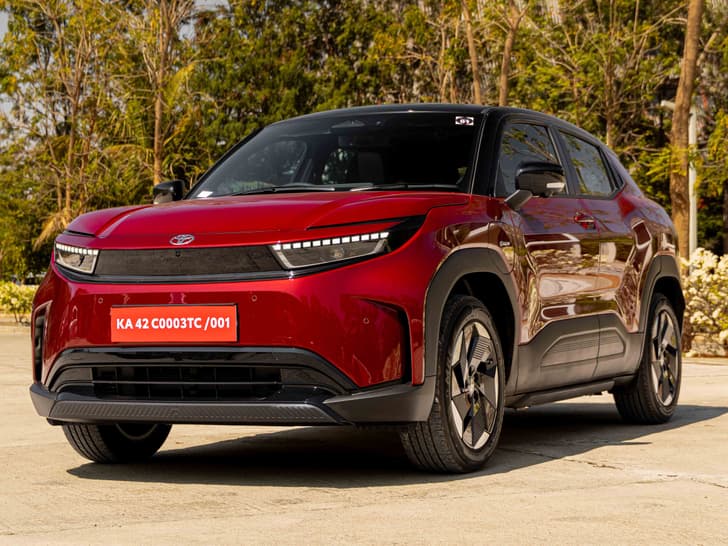
Yes. Toyota's electric vehicle portfolio in India currently includes the Urban Cruiser Ebella. The company is also expected to expand its electrified lineup in the coming years alongside its hybrid offerings.
Due to the partnership with Suzuki, Toyota is able to share platforms and technologies, turning out superior and cost-competitive Toyota cars for India. At the same time, this alliance guarantees modern features to Indian buyers while maintaining the price of Toyota cars in India at a competitive level.
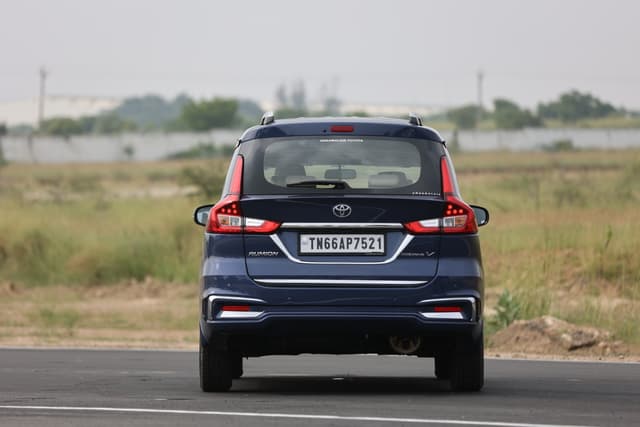
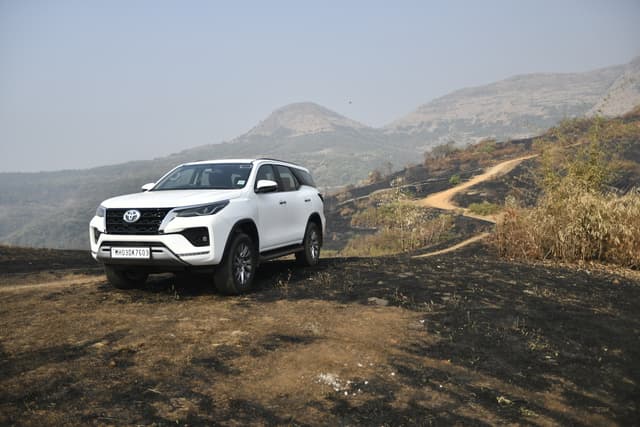
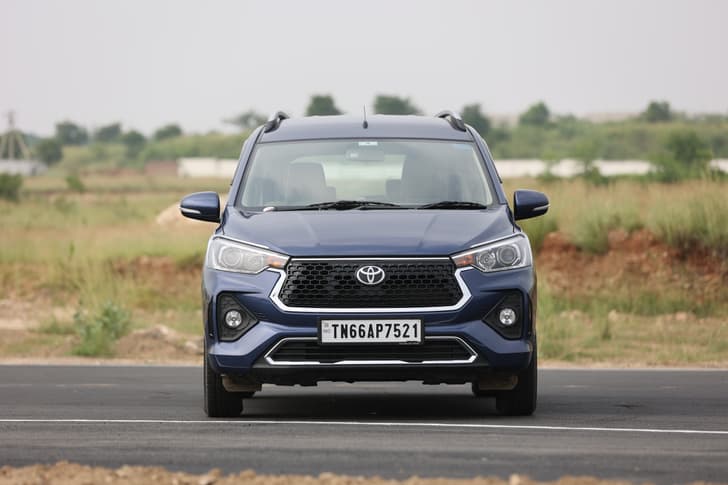
The right Toyota depends on your requirements. The Glanza is suited to buyers looking for an affordable hatchback, the Urban Cruiser Taisor and Hyryder cater to compact SUV buyers, the Rumion and Innova models are ideal for large families, while the Fortuner and Land Cruiser are aimed at buyers seeking larger SUVs with strong off-road capability.
Toyota cars are widely known for their reliability, durability and strong resale value. The brand also offers a broad portfolio spanning hatchbacks, SUVs, MPVs and premium models, with several hybrid options that prioritise fuel efficiency.
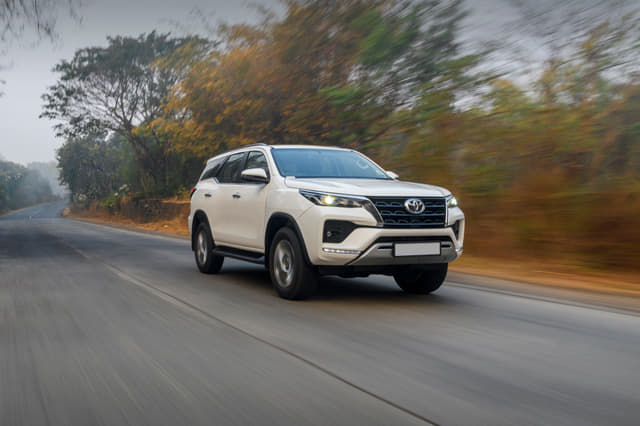
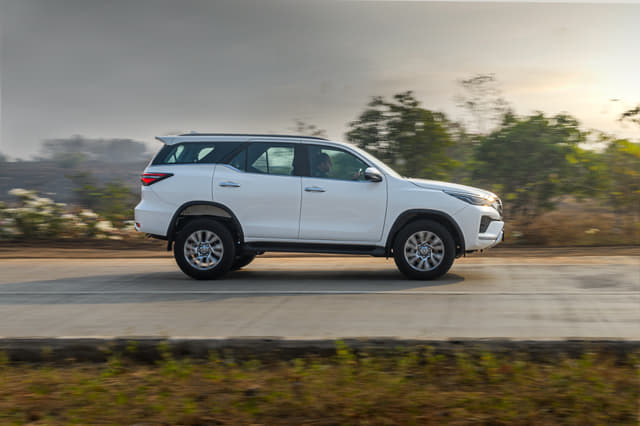
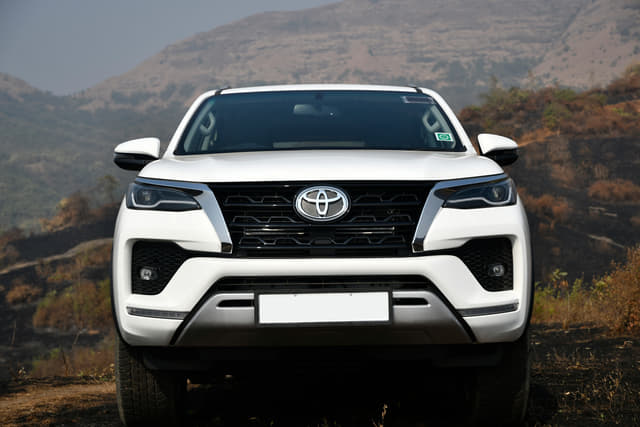
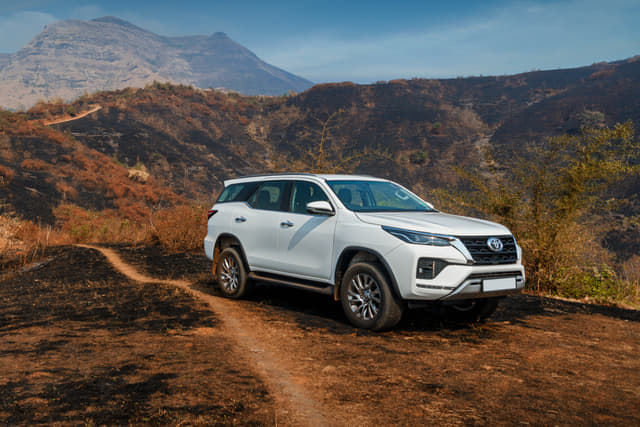
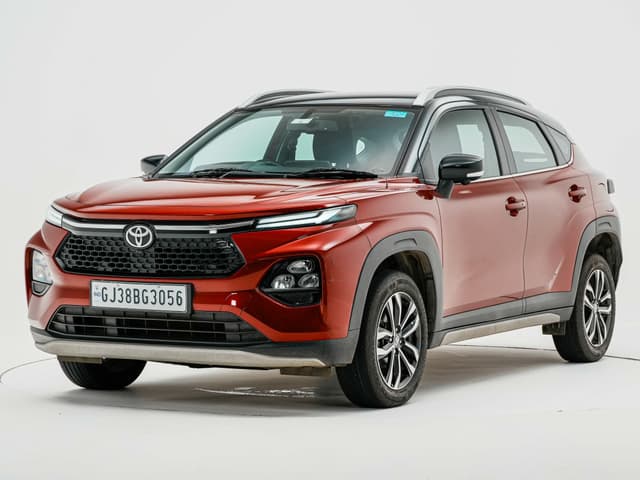
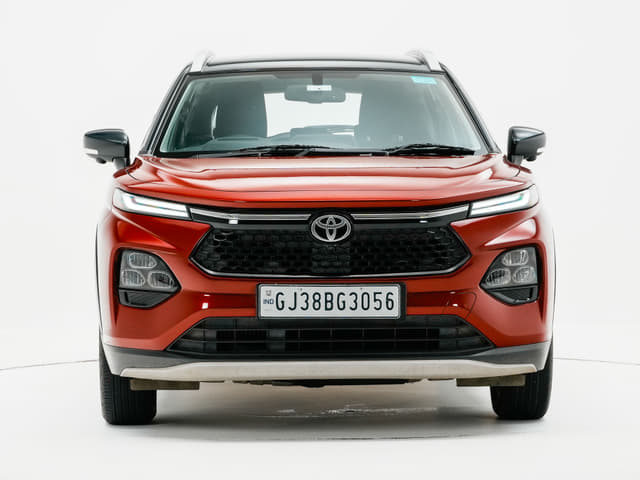
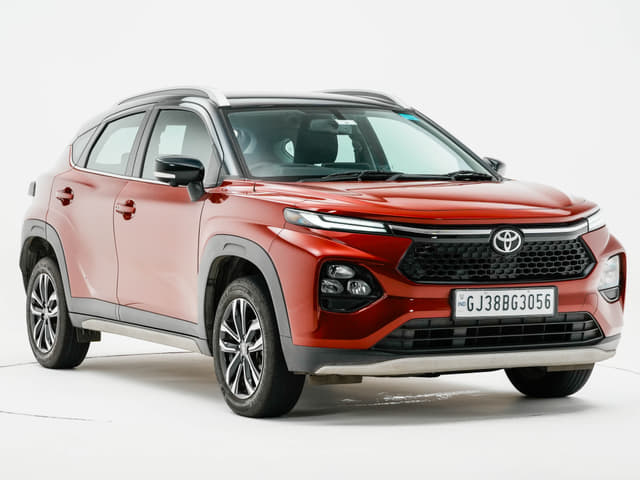
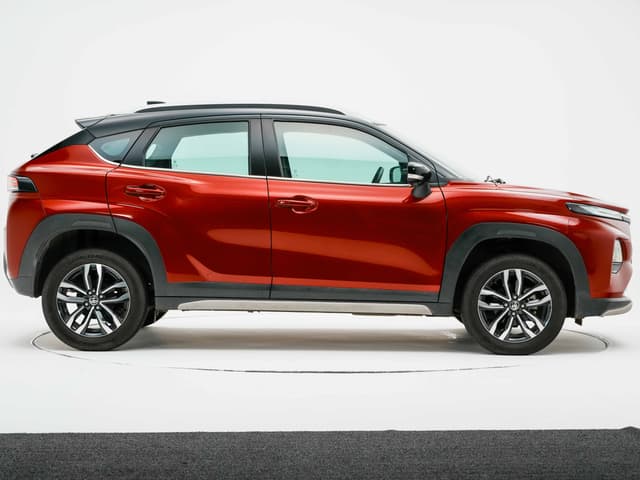
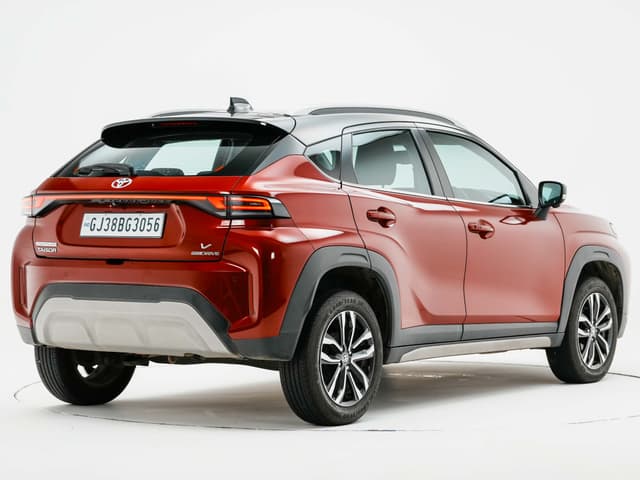
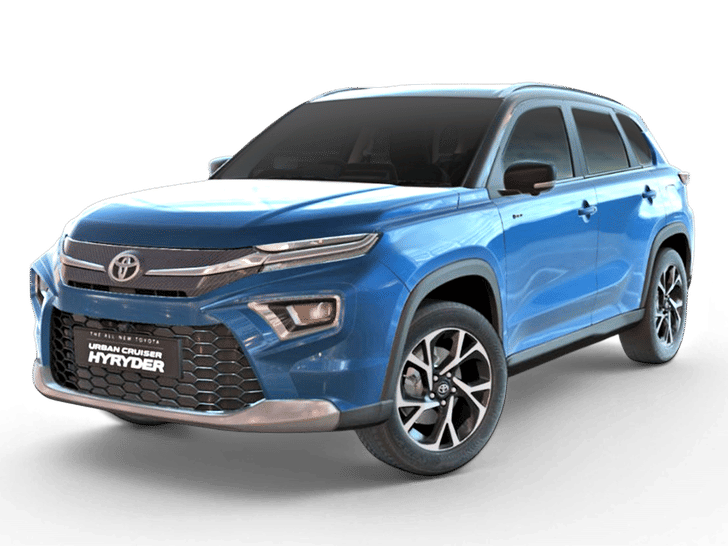
Toyota offers SUVs across multiple segments. The Urban Cruiser Taisor is the brand's entry-level SUV, the Urban Cruiser Hyryder is aimed at buyers looking for a fuel-efficient hybrid SUV, the Fortuner is popular for its ruggedness and long-distance capability, while the Land Cruiser is Toyota's flagship luxury SUV.
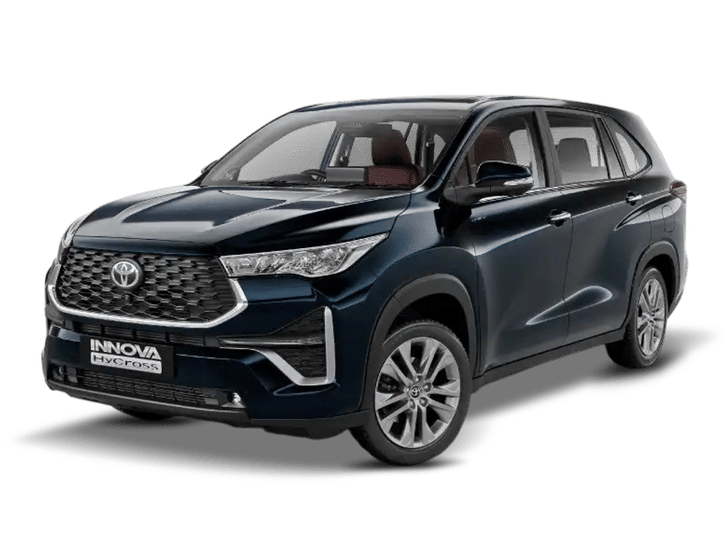
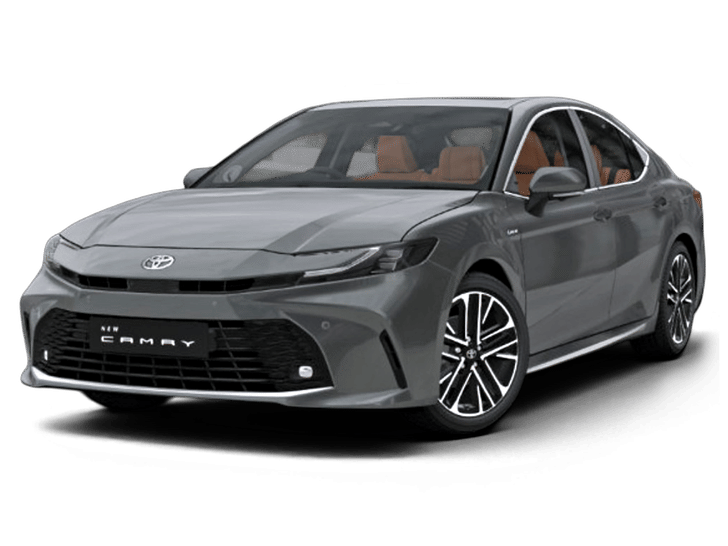
Yes. Toyota has one of the widest hybrid portfolios in India. Hybrid options include the Urban Cruiser Hyryder, Innova HyCross, Camry and Vellfire, catering to buyers across different price segments.
Toyota offers automatic transmission options across most of its lineup, including the Glanza, Urban Cruiser Taisor, Urban Cruiser Hyryder, Rumion, Innova HyCross, Camry, Fortuner, Land Cruiser, Hilux, Urban Cruiser Ebella and Vellfire.
Trending Questions on Toyota Cars - Answered by Autocar Experts
Hello, Autocar India Team. I am a first-time car buyer with a budget of Rs 6-12 lakh. I am looking for a petrol automatic hatchback or micro SUV. I am a new driver, so I want something that is easy to drive and fuel-efficient. I have shortlisted the Tata Altroz DCA/AMT, Tata Punch AMT, Tata Tiago AMT, Maruti Suzuki Swift AMT, Maruti Suzuki Baleno AMT, Toyota Urban Cruiser Taisor AMT and Hyundai Grand i10 Nios AMT. I am confused between these options. Which one would you recommend for my requirements?
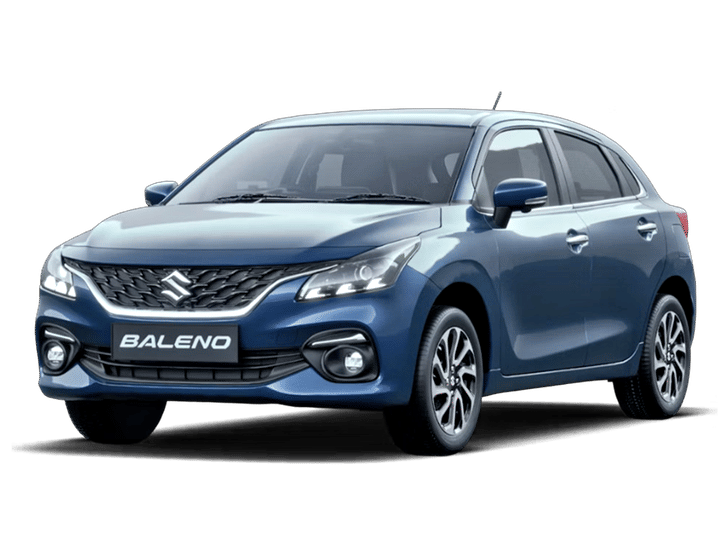
Go for the Maruti Suzuki Baleno AMT. As a first-time buyer, your priorities are ease of driving, fuel efficiency and a stress-free ownership experience, and the Baleno delivers on all three. It is one of the easiest cars to drive in the city thanks to its light controls and smooth AMT, and it is also one of the most fuel-efficient cars in this segment. This Maruti Suzuki car also offers a spacious cabin and a comfortable ride, making it a car you can grow into as your needs evolve. Maruti's service network and low maintenance costs further add to the ownership peace of mind.The Tata Altroz DCA is the better automatic gearbox, but the Baleno's AMT is smooth enough for city driving, and the overall ownership experience is stronger.The Tata Punch and Tiago are good value, but the Baleno feels more premium and spacious. The Swift is fun to drive but not as spacious as the Baleno and costs nearly as much.The Toyota Urban Cruiser Taisor is essentially the same car as the Baleno underneath, and if you need the additional ground clearance or prefer its looks, it is a solid choice too. The Hyundai Grand i10 Nios is a strong alternative with a smooth AMT, but the Baleno offers a more spacious cabin.Overall, the Baleno AMT is the most balanced choice for a first-time buyer looking for ease of driving, fuel efficiency and long-term peace of mind.
I have two cars: one is a Skoda Slavia, and the other is a 5-year-old Hyundai Grand i10 Nios Sportz automatic. My monthly running is around 1,000-1,200 km. What would be a better choice for my second car?
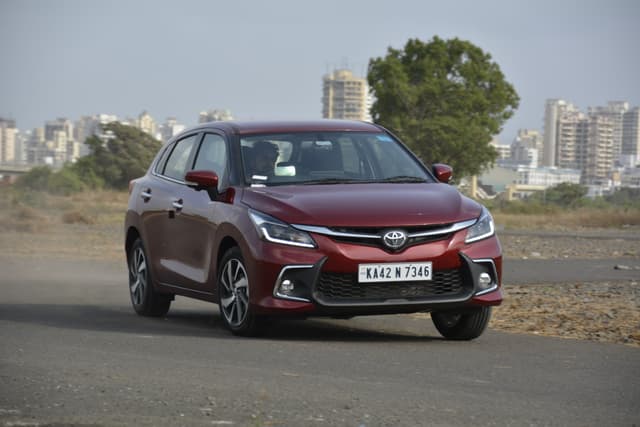
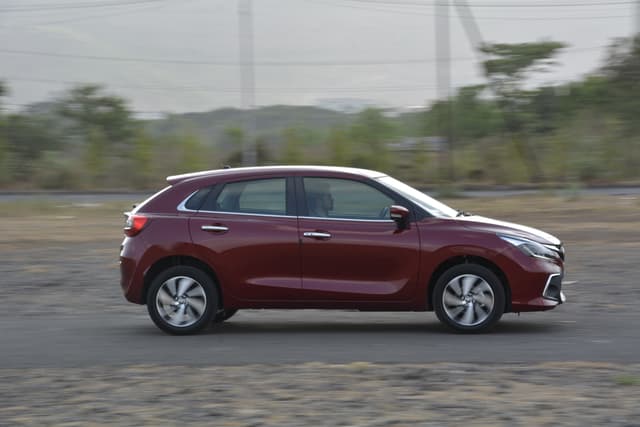
With a monthly running of 1,000-1,200 km and a 5-year-old Hyundai Grand i10 Nios automatic as your second car, the decision comes down to whether the car is still serving its purpose well. The Nios is a reliable, easy-to-drive city car with low running costs, and at 5 years old it is still well within its prime ownership window. If the car is mechanically sound and meeting your needs, there is no strong reason to replace it purely based on age.But if you are considering an upgrade, the Maruti Suzuki Baleno or Toyota Glanza are the most sensible choices. Both are spacious, comfortable hatchbacks with excellent reliability, low maintenance costs and strong resale value. The Baleno offers a slightly wider service network, while the Glanza benefits from Toyota's ownership experience. Both are powered by the same 1.2-litre petrol engine, which is smooth, efficient and well-suited to your driving. Thus, if you do want a change, the Baleno or Glanza would be the most practical and reliable upgrade.
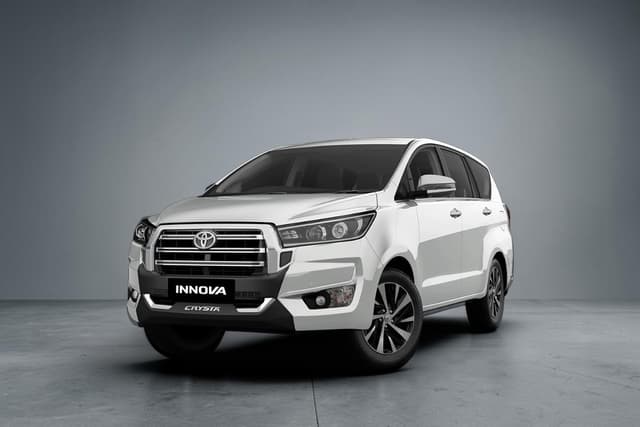
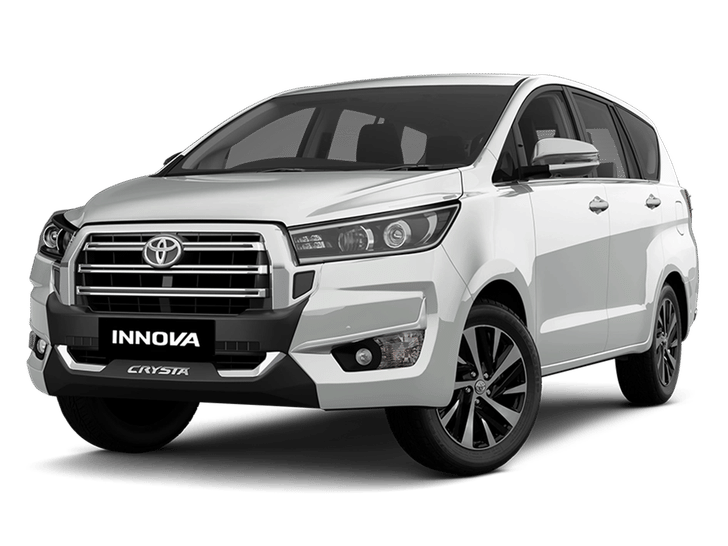
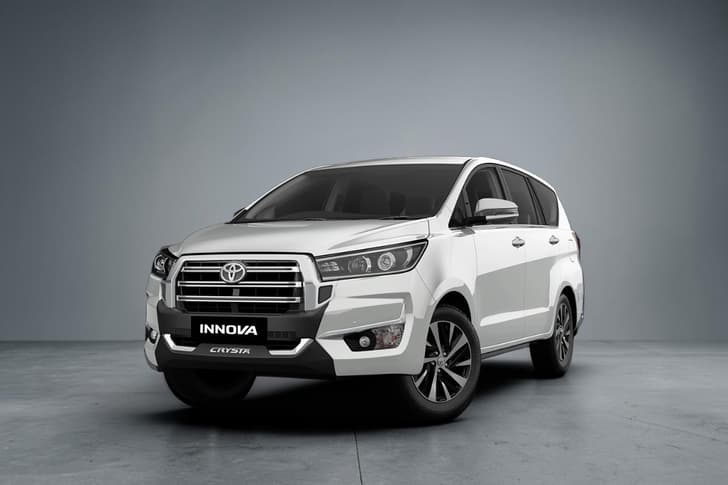
It’s good to drive and feels comfortable overall. However, compared to the Innova Crysta, the driving feel and overall experience are not quite the same. The Crysta feels more solid, refined and enjoyable to drive, and that premium driving experience is what I miss in this vehicle.
Hello Team I am a 45-year-old person living in Noida Extension and working in Gurgaon, where I drive 10 times a month. The morning journey takes around 90 minutes, while the evening journey takes around 2.5 hours. I currently drive a Honda Amaze CVT and am looking for an upgrade. My budget is around Rs 20 lakh. Could you please suggest an overall good car?
Given your daily reality of long, traffic-heavy commutes between Noida Extension and Gurgaon, the priority should be comfort, ease of driving and low fatigue rather than outright performance.Since a lot of your driving is in stop-and-go traffic, a hybrid car makes a lot of sense. Consider the Toyota Urban Cruiser Hyryder Hybrid, Maruti Suzuki Grand Vitara Hybrid or the Maruti Suzuki Victoris Hybrid. They can run in electric-only mode when crawling in traffic and deliver terrific fuel efficiency. At the same time, they are relaxing and easy to drive, with comfortable cabins that should make your long commutes less tiring.If you can install a home charger and don’t drive long distances too often, a full electric car like the new Kia Syros EV might also be worth a look. EVs are generally ideal for stop-and-go traffic and will make your long commutes as stress-free as possible.Overall, a hybrid like the Hyryder or Victoris makes the most sense, but an EV is worth considering if you can charge at home.
Currently, I am using a Swift VXi petrol and planning to upgrade. My annual running is around 11,000-13,000 km, 80% of which is in the city, with occasional highway trips. Although I don't consistently drive at triple-digit speeds on highways, I really value good acceleration and overtaking capability in my new car. Driving dynamics are also important to me, and since some of my family members, including myself, are prone to motion sickness, I am okay with less body roll and a slightly stiffer suspension. I have capped my budget at Rs 20 lakh maximum on-road, and an automatic transmission is a must. I will be exchanging my Swift, which is expected to fetch around Rs 2-2.5 lakh here in Kerala. I have shortlisted the VW twins with the 1.0-litre AT as well as the 1.5-litre DSG. I am also considering the Seltos IVT and DCT. The XUV 7XO Diesel AT is another option under consideration. I have ruled out the Duster because the rear-seat experience feels like a step back. I am also getting offers for the Hycross GX petrol through a corporate tie-up with my company. I am completely confused among these options. My family wants a smaller car, but I want something that I can comfortably keep and use for at least 5-7 years.
Go for the Skoda Kushaq 1.5 TSI DSG. It is the best fit for your requirements. You want strong acceleration and confident overtaking, and the 1.5 TSI delivers exactly that. This Skoda car is a genuinely quick car with a strong mid-range, which makes highway overtakes effortless without needing to push the car hard. The Kushaq also has a well-sorted chassis with controlled body roll and a slightly firmer suspension setup, which helps with motion sickness by reducing the floaty feeling on undulating roads. At the same time, it is not uncomfortable in the city. The Kushaq is also compact enough to be easy to live with in urban conditions, which addresses your family's preference for a smaller car. The Kia Seltos IVT is smooth and easy to drive, but it does not offer the same level of performance or driving engagement. The Seltos DCT is quick, but the gearbox can feel a bit jerky in stop-start traffic. The Mahindra XUV 7XO diesel is a strong product, but it is a much larger car and does not align with your family's preference for a smaller vehicle. The Toyota Innova HyCross GX is a great family car, but it is not the right fit for your usage pattern and driving preferences. The Kushaq 1.5 TSI DSG strikes the right balance between performance, dynamics, size and long-term usability. It is a car you will enjoy driving for the next 5-7 years.
Last Updated on: 25 Aug 2026